Stepping into the morning light for just a few minutes can transform how you sleep, recover and perform in your home workouts. You do not need a garden or a fancy terrace: a small balcony or a bright window is enough to create a powerful, repeatable ritual. By combining natural light exposure with gentle mobility and breathing exercises, you send a strong signal to your body to wake up, regulate hormones and speed up recovery from training.
Why morning light matters for recovery
Morning sunlight exposure helps set your circadian rhythm, the internal clock that controls sleep, energy and hormone release. When your eyes receive bright light soon after waking, your brain reduces melatonin (the sleep hormone) and starts a countdown to produce it again at night. This leads to deeper sleep, better muscle recovery and more stable mood. For people who train at home, especially early in the day, this is crucial: better sleep means better adaptation to your strength or cardio sessions. Aim for 5–15 minutes of outdoor light, or more if the morning is cloudy and you can only stand by a window.
Setting up a simple balcony or window space
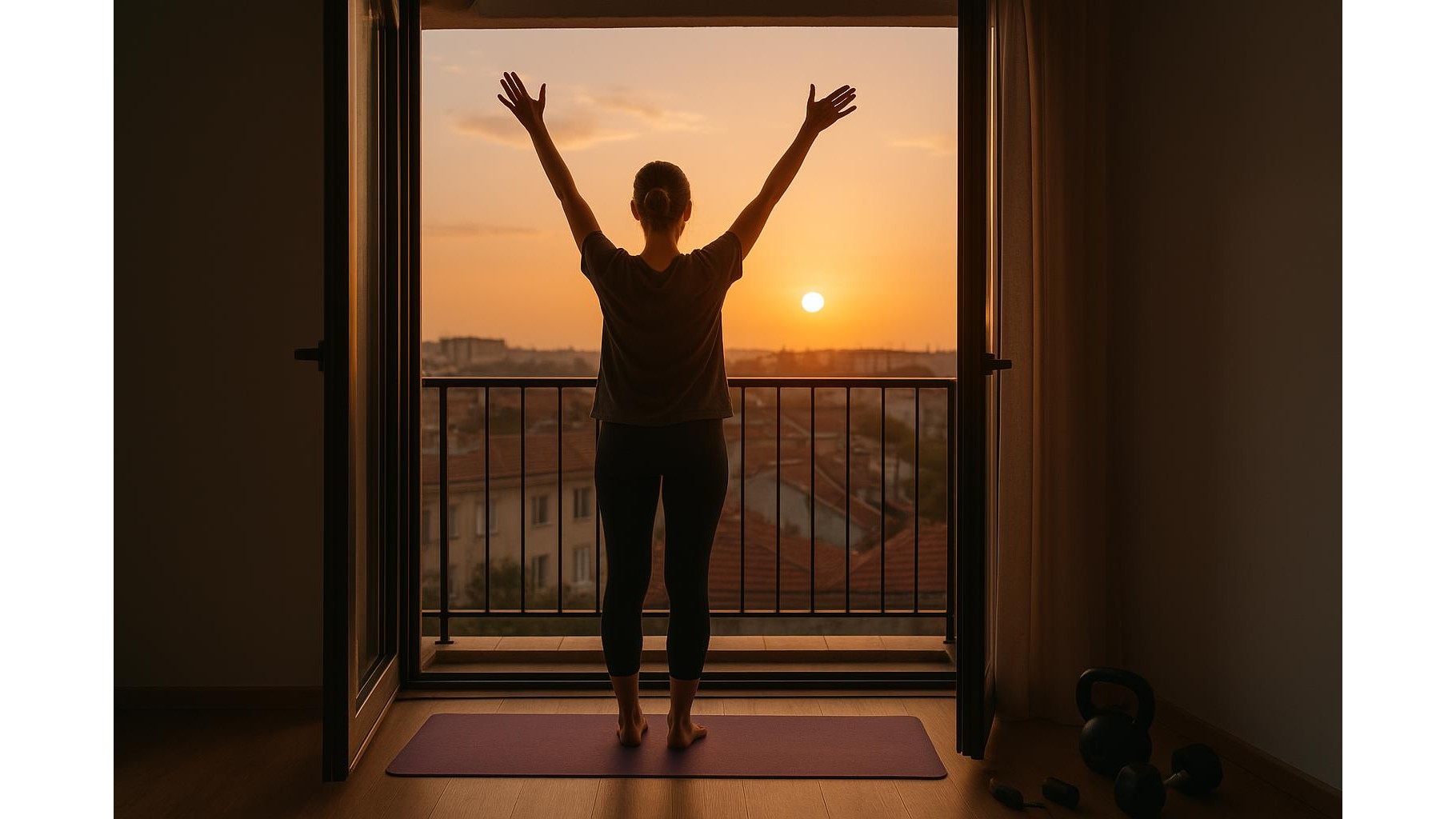
You do not need to redesign your home to build a morning light routine. Choose the brightest spot you have: a balcony, a small terrace or the window that gets the earliest light. Clear a space where you can stand comfortably and, ideally, move your arms freely. Keep your view open: look toward the sky or horizon rather than directly at the sun. If your balcony is cold, prepare a light jacket and a mat you can stand on. Indoors, place a yoga mat in front of the window and open the curtains fully. The goal is to make this area inviting and easy to access, so stepping into the light becomes as automatic as making coffee.
A 10-minute morning light, mobility and breathing routine
Design your routine so it fits seamlessly into your morning. Step out onto your balcony or stand by the window and start with 1–2 minutes of relaxed nasal breathing, shoulders down, eyes softly looking at the sky or a distant building. Then move into 5 minutes of gentle mobility work: slow neck rotations, shoulder circles, cat–cow standing variations for the spine, and ankle rolls. Finish with 2–3 minutes of longer exhalations, for example inhaling through the nose for 4 seconds and exhaling for 6 seconds. This simple combination of light, movement and breath reduces morning stiffness, calms your nervous system and prepares your body for your next home gym session.
Linking your light routine to home training
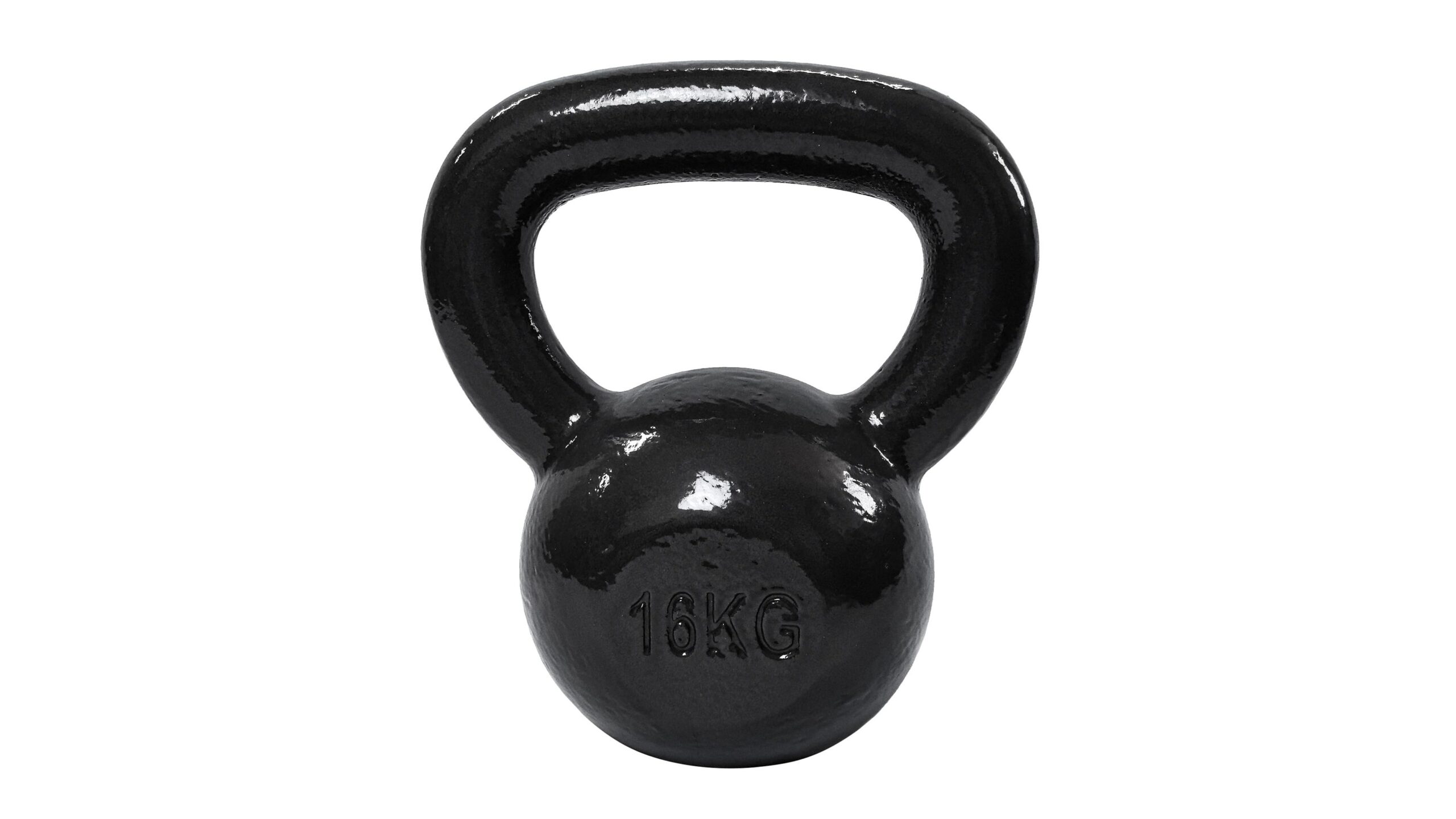
The easiest way to stay consistent is to connect your light routine to an existing habit. If you train in the morning, place your dumbbells, yoga mat or kettlebell near the balcony or window so the sequence becomes: wake up, drink water, step into light, then start your warm-up. If you train later in the day, keep the morning ritual short and treat it as “prep” for later performance. Over time, you will notice better energy for your strength training, fewer heavy-legged days and improved mood. Tracking something simple, like your perceived recovery or sleep quality, can help you see the impact of regular sunlight exposure on your overall home fitness routine.
Adapting for seasons, schedules and small spaces
Morning light routines must be flexible. In winter, sunrise is later and the light is weaker, so you might extend your exposure to 15–20 minutes when possible or take short breaks by the window between tasks. On very busy mornings, even 3–5 minutes of intentional light, stretching and deep breathing is better than skipping entirely. If your space is tiny, focus on movements that require little room: calf raises, gentle trunk rotations and shoulder mobility. The key is consistency, not perfection. Your balcony or window becomes a micro “recovery station” that supports your home gym equipment and training plan without adding complexity.
Making morning light a long-term habit
To turn this into a lasting habit, keep your routine simple, pleasant and tied to daily anchors like coffee or breakfast. Dress appropriately for the weather, prepare your mat in advance and avoid checking your phone until the light routine is done. Over weeks, you should notice changes in sleep quality, mood and how your body feels between workouts. Think of morning light as free, powerful “invisible equipment” that amplifies the effect of every barbell, band or bike you use at home. By building a short balcony or window ritual around it, you invest a few quiet minutes each day in better recovery and stronger, more sustainable home training.