Running from home is convenient, but without targeted strength training your knees and ankles can quickly become weak links. This 45-minute dumbbell and resistance band workout is designed specifically for home runners who want to build joint stability, improve stride power and increase injury resilience using minimal equipment and smart, running-specific exercises.
Why runners need strength, not just miles
Many home runners focus only on logging miles, but each step sends a multiple of your bodyweight through your knees and ankles. Without strong quads, hamstrings, glutes and calves, that force is absorbed by passive structures like ligaments and cartilage. A simple pair of dumbbells and a resistance band allows you to load key patterns – squats, hinges, calf raises and hip work – so that muscles take the stress instead of your joints. Two to three 45-minute sessions per week can significantly reduce niggles such as runner’s knee, Achilles tightness and ankle instability while also improving running economy.
Essential equipment for a knee- and ankle-safe home workout
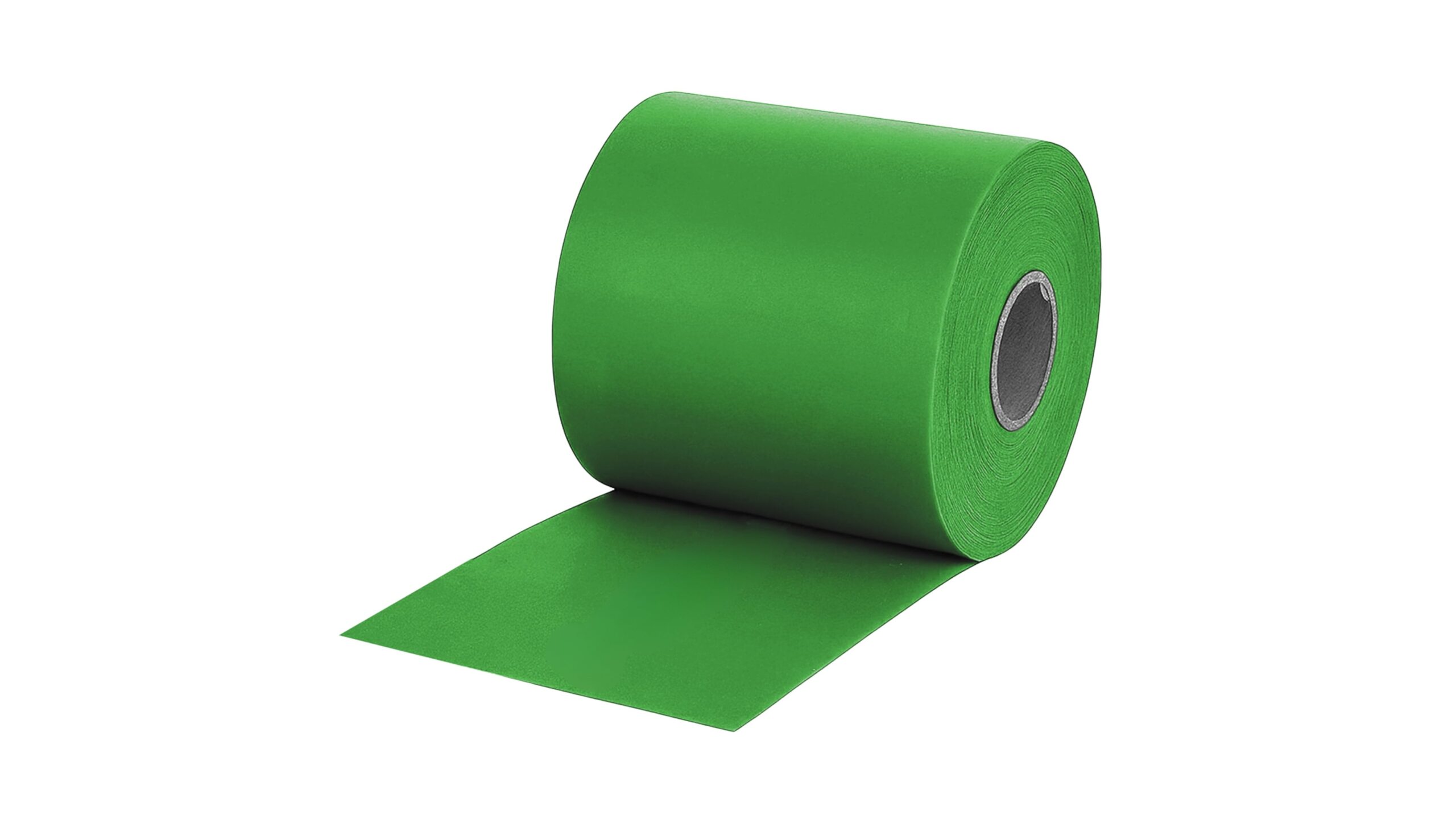
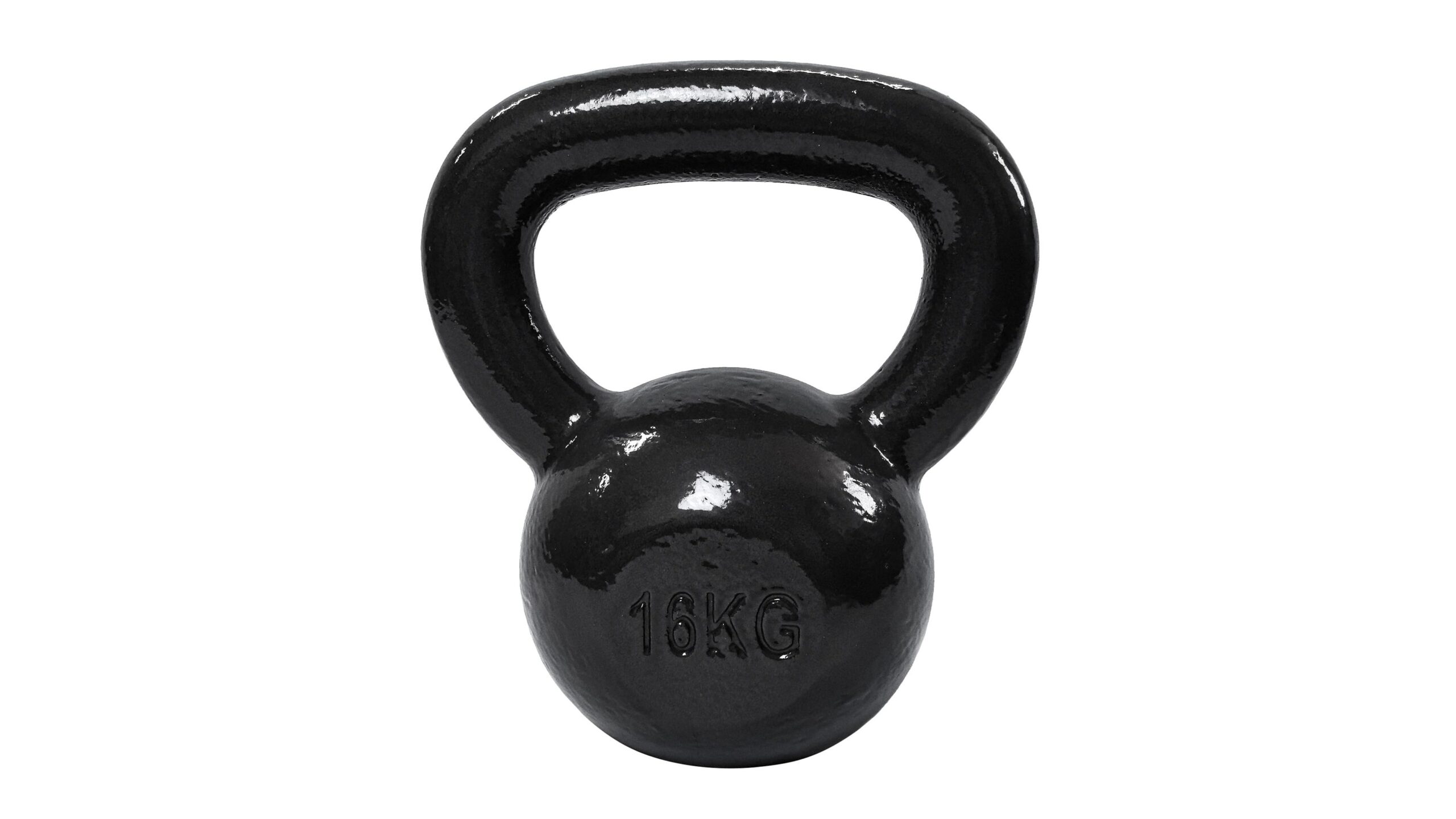
For this routine you only need a set of dumbbells and a resistance band. Choose dumbbells that feel challenging for 10–12 reps of goblet squats and Romanian deadlifts; adjustable or compact weights are ideal to save space in a home gym. A medium–heavy loop band or long resistance band will let you target glute medius, hip external rotation and ankle stability with moves like band walks and resisted dorsiflexion. The combination of free weights for global strength and bands for joint-specific control creates the perfect balance for protecting knees and ankles without needing bulky machines.
The 45-minute runner-focused strength circuit
This 45-minute workout is structured as a warm-up, two strength circuits and a short finisher. After 5–7 minutes of light cardio and mobility, perform 3 rounds of: goblet squats, Romanian deadlifts, single-leg calf raises and side-lying band clams, working for 40 seconds and resting 20 seconds per move. Then move to 3 rounds of: single-leg split squats, banded lateral walks, dumbbell hip thrusts and banded ankle dorsiflexion. Finish with a 5-minute core block of dead bugs and side planks. Keep rest between rounds to about 60 seconds. This structure trains strength, stability and endurance in the exact muscles that support your running stride.
Key exercises that protect knees and ankles
Every exercise in this routine is chosen to safeguard your lower joints. Goblet squats strengthen the quadriceps and teach proper knee tracking over the toes, reducing stress on the patellofemoral joint. Romanian deadlifts load the posterior chain, crucial for absorbing impact and powering push-off. Single-leg split squats and hip thrusts build hip stability so the knee does not collapse inwards. Banded lateral walks activate the glute medius, a key muscle for controlling pelvis and knee alignment. Finally, calf raises and banded ankle dorsiflexion fortify the calves and small stabilisers around the ankle, improving shock absorption and reducing the risk of sprains and Achilles irritation.
How to progress and combine with your running
To keep progressing, gradually increase load or time under tension rather than rushing through reps. You can add weight to your dumbbells, tighten the band or add an extra round to each circuit as the workout becomes easier. Aim to perform this strength session on easy or non-running days, leaving at least 24 hours before or after intense intervals or long runs. Consistency is more important than perfection: even two sessions per week can improve joint stability and stride power. Over time you should feel more controlled on hills, less fatigue in your lower legs and fewer aches around the knees and ankles.
Stronger legs, safer joints, better runs
Bringing structured strength training into your home routine is one of the best investments you can make in your running. With just dumbbells and a resistance band, this 45-minute plan builds the muscular support your knees and ankles need to handle regular mileage. By improving stability, power and control through the hips, knees and ankles, you not only protect yourself against common overuse injuries, but also unlock smoother, more efficient strides. Commit to this workout each week and your home runs will feel stronger, safer and more enjoyable.