When you train at home, the right pair of grip socks can make the difference between a stable, focused session and a slippery, frustrating one. From strength workouts with dumbbells to Pilates, yoga and hybrid conditioning routines, anti-slip socks help you anchor to the floor, protect your feet and keep things more hygienic than going barefoot on shared mats. This guide walks through how to choose the best styles for different home gym setups and floor types, so you can move with confidence in every session.
Understanding grip socks for different home workouts
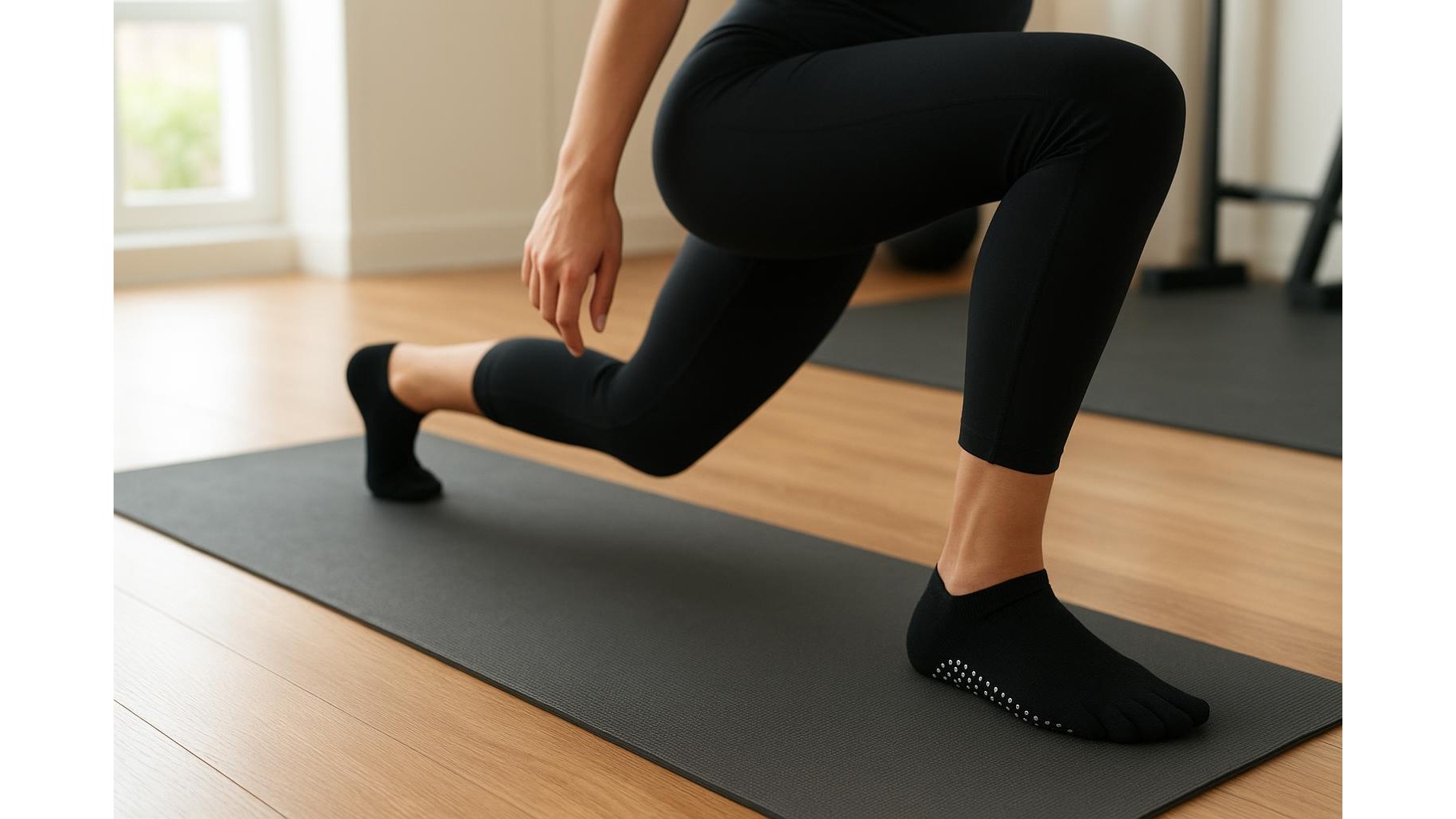
Not all grip socks for home training are designed for the same purpose. Models made for Pilates and yoga usually have a light, flexible cotton or poly blend upper with a dotted silicone sole that allows you to articulate the foot during balance work, planks and downward dog. Styles aimed at strength training or mixed conditioning tend to be more robust, with denser fabric and thicker anti-slip patterns to handle lunges, kettlebell swings and bodyweight work without sliding. When you browse options on Amazon or other stores, look for terms like “barre”, “Pilates grip”, “training grip socks” or “non-slip gym socks” and match the product description to your primary workout style. A well-chosen pair should let you drive through the floor without twisting or rolling inside the sock.
Materials, breathability and comfort on different floors
The fabric blend of your anti-slip socks affects both comfort and performance, especially on common home surfaces like laminate, tiles, wood or rubber mats. Cotton-rich models feel soft and absorb sweat but can stretch out faster on smooth floors. Synthetic blends with polyester and spandex hold their shape better when you pivot or jump, and they dry more quickly after intense circuits. If you often train on cold tiles or hardwood, slightly thicker socks with terry-style cushioning in the footbed keep feet comfortably warm without needing shoes. On rubber or foam mats, a thinner, more breathable knit prevents overheating during longer Pilates or yoga flows. Whichever you choose, prioritise flat seams around the toes and heel to avoid rubbing when you shift from lunges to planks or glute bridges.
Sole patterns, coverage and cushioning
The grip pattern on the sole is what keeps you stable. For Pilates and yoga, look for full-foot silicone or rubberised dots that cover the toes, midfoot and heel, allowing even traction when you rise onto your toes or press back into your heels. For strength and mixed workouts, you may prefer more structured patterns with larger pods or segmented zones under the heel and forefoot, so you can push hard into squats and deadlift-style hinges without slipping. Consider also the level of cushioning: minimal styles feel closer to being barefoot and are ideal when you want maximum ground feedback for balance work, while cushioned soles are better if you have sensitive feet or train on hard floors. Avoid overly bulky padding; it can make you unstable under heavy loads and reduce the benefit of the grip.
Hygiene, washing and durability features
Because home workouts often happen on shared surfaces—living-room floors, multipurpose rugs or communal mats—hygiene matters. Many modern grip socks include anti-odour or antibacterial treatments to keep smells under control between washes. Look for reinforced heels and toes if you plan to use them daily, as these are the first areas to wear through, especially on rougher tiles or textured vinyl. Check product labels or descriptions for washing instructions: most styles can go in a gentle machine wash, but avoid high-heat drying, which can damage the silicone or rubber anti-slip sole. Owning multiple pairs and rotating them is not only more hygienic; it also extends the life of each sock and ensures you always have a dry, clean pair ready for your next session.
Fit, style options and practical buying tips
A secure fit is just as important as the sole. Grip socks that are too loose will twist and bunch, while overly tight ones restrict blood flow and can be uncomfortable during long Pilates or yoga sessions. Check size charts carefully, especially if the brand uses combined sizes (for example, 38–41). Features like elastic bands across the midfoot or Mary Jane-style straps can improve hold during dynamic moves. Toe options also matter: full-toe grip socks feel more like classic socks and are easier to put on quickly, while toe-separated styles allow greater toe splay and can enhance balance in standing work. When shopping online, focus on user reviews mentioning floor type and workout style—comments about stability on wood floors, tiles or mats can be more revealing than generic star ratings and help you pick the ideal pair for your own home gym.
Choosing the right grip socks for home training means balancing traction, comfort and hygiene across the different ways you like to move. For slow, controlled Pilates and yoga sessions, opt for breathable, flexible fabrics with full-foot, fine-grain anti-slip patterns. For mixed circuits and strength workouts, prioritise denser materials, reinforced heels and more structured grip zones that stay stable when you load up squats or lunges. Pay attention to fit, cushioning and care instructions so your socks stay effective session after session. With a considered choice tailored to your floors and routines, you can train barefoot-style—with the safety and confidence of reliable traction under every step.