
Training in your home gym makes nutrition feel more flexible: your kitchen is right there, and high-protein snacks are only a cupboard away. But do you really need extra intra-day protein snacks between meals to build muscle, recover well, and maintain energy for home strength training and cardio workouts? Evidence from sports nutrition suggests that while total daily protein is the priority, strategically chosen snacks can still play a useful role—especially when they are convenient, portion-controlled, and genuinely high in protein rather than just candy in disguise.
How much protein do you really need when training at home?
For most people doing regular strength and cardio training at home, a daily protein intake of around 1.6–2.2 g of protein per kg of body weight is sufficient to support muscle maintenance and growth. This target can usually be met in 2–4 balanced meals without any additional snacks. You do not “need” a protein bar if your meals already contain lean protein sources such as chicken, fish, eggs, dairy, tofu or legumes. However, if you often miss that target—or you train fasted, skip meals, or have a low appetite—adding a controlled protein snack can help fill the gap without forcing large meals.
Timing vs. total: is there a muscle-building window?
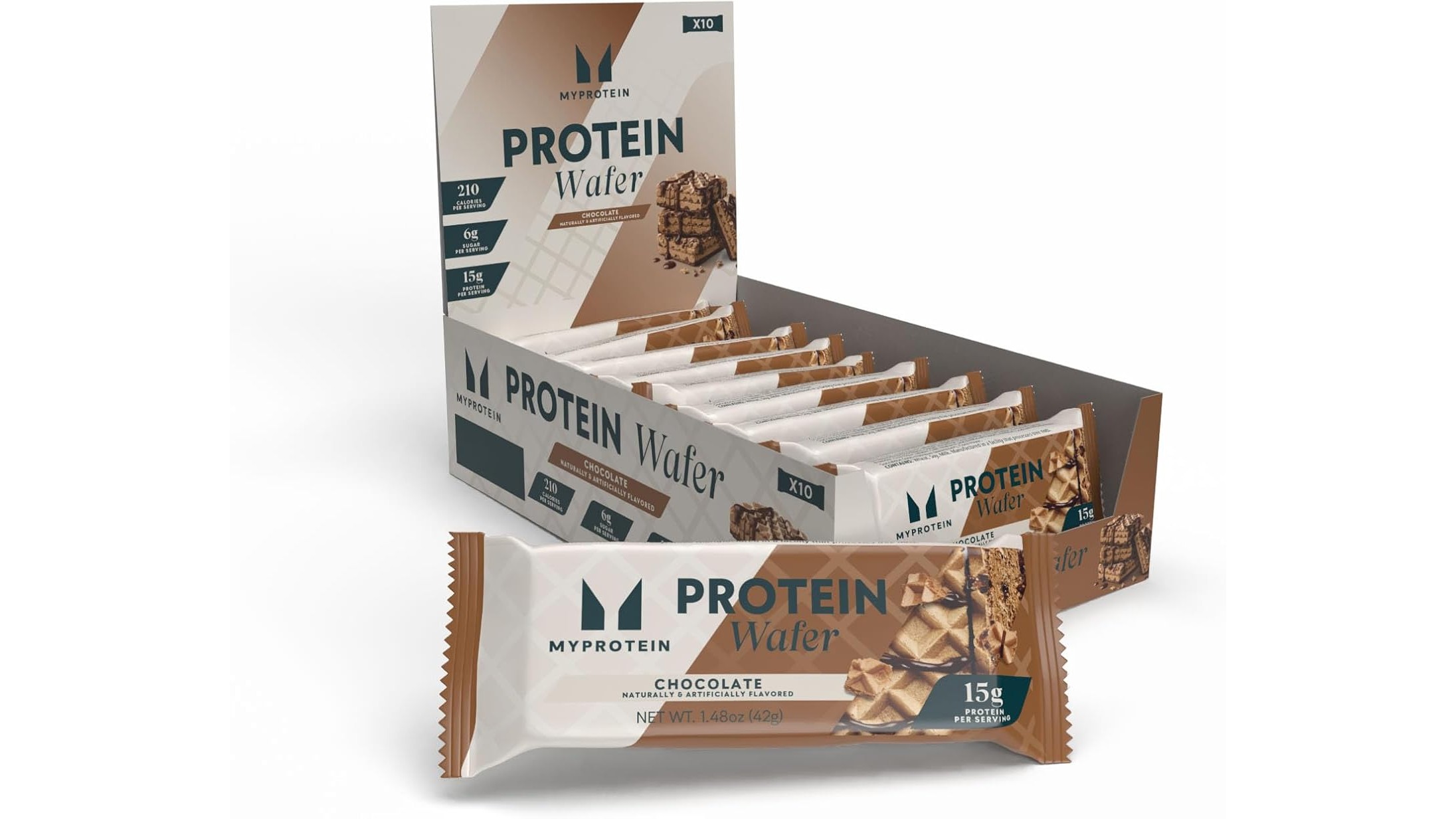
Research shows that total daily protein is more important than obsessing over an anabolic “window”. Still, evenly spreading protein across the day—roughly 20–40 g of protein per feeding, every 3–4 hours—can slightly improve muscle protein synthesis. For home workouts done between meetings or childcare, this is where protein snacks become practical. A bar like Myprotein Crispy Protein Wafers | 15g Protein | Box of 10 | Chocolate offers 15 g of protein from milk and whey isolates and is lower in sugar and fat than typical supermarket wafers. It will not replace a full meal, but it can top up your intake if your last meal was several hours ago and your next one is not soon.
When are intra-day protein snacks genuinely helpful?
Intra-day high-protein snacks are most useful when they solve a real problem: long gaps between meals, difficulty eating enough protein, or cravings for high-sugar treats. The SCI-MX High Protein Chocolate Chip Brownie Box provides about 20 g of protein, only 0.5 g of sugar and some fibre, making it a smarter choice than a standard brownie when afternoon hunger hits. If you train at home straight after work, a snack like this 60–90 minutes beforehand can support performance and help you avoid raiding the biscuit tin later, while still fitting into a calorie-controlled diet.
How to choose a protein snack that matches your goals
Not all protein bars are equal. Look for products with at least 15–20 g protein per bar, limited sugar and moderate calories, especially if fat loss is a goal. The PhD Nutrition Smart Protein Bar, Chocolate Hazelnut offers around 20–21 g protein per 64 g bar with just about 2 g sugar and no palm oil, using a soft core, caramel and crispy pieces to keep texture enjoyable. Compare nutrition labels: many “fitness” snacks hide high sugar or low protein. Prioritise bars using whey, milk or soy protein isolates, and treat them as convenient supplements, not mandatory parts of every home workout.
Can whole foods replace protein snacks?
From an evidence-based perspective, whole foods work just as well—often better—than packaged snacks, provided you can prepare and store them. Greek yogurt, cottage cheese, boiled eggs, leftover chicken, tofu or lentil dishes all provide high-quality protein and micronutrients. Protein snacks like the Myprotein wafers, SCI-MX brownies or PhD bars are valuable mainly for convenience and adherence: they are easy to store near your home gym, quick to eat between video calls, and portion-controlled when you are managing calories. If you are consistent with whole-food protein and enjoy preparing it, you do not need commercial bars; they are optional tools, not essentials.
Putting it all together for your home training routine
You do not automatically need intra-day protein snacks just because you train at home. Focus first on hitting your total daily protein target through balanced meals, then consider high-protein snacks as a flexible add-on when life gets busy, appetite is low, or cravings are high. Evidence supports spreading protein through the day, but the form—meal or bar—is less important than the overall pattern you can maintain. If products like Myprotein Crispy Protein Wafers, SCI-MX High Protein Chocolate Chip Brownie or PhD Nutrition Smart Protein Bar help you consistently reach your targets without overshooting calories, they can be a smart part of your home gym nutrition strategy—but they remain optional, not magic.









