Choosing between a foldable rowing machine and a fixed-frame rower is one of the biggest decisions when building a home cardio corner. Both options deliver full-body, low-impact training, but they behave very differently in terms of space, stability, noise and long-term comfort. Understanding how each type fits your room and your fitness goals will help you invest once and train for years.
Space and storage: who actually wins?
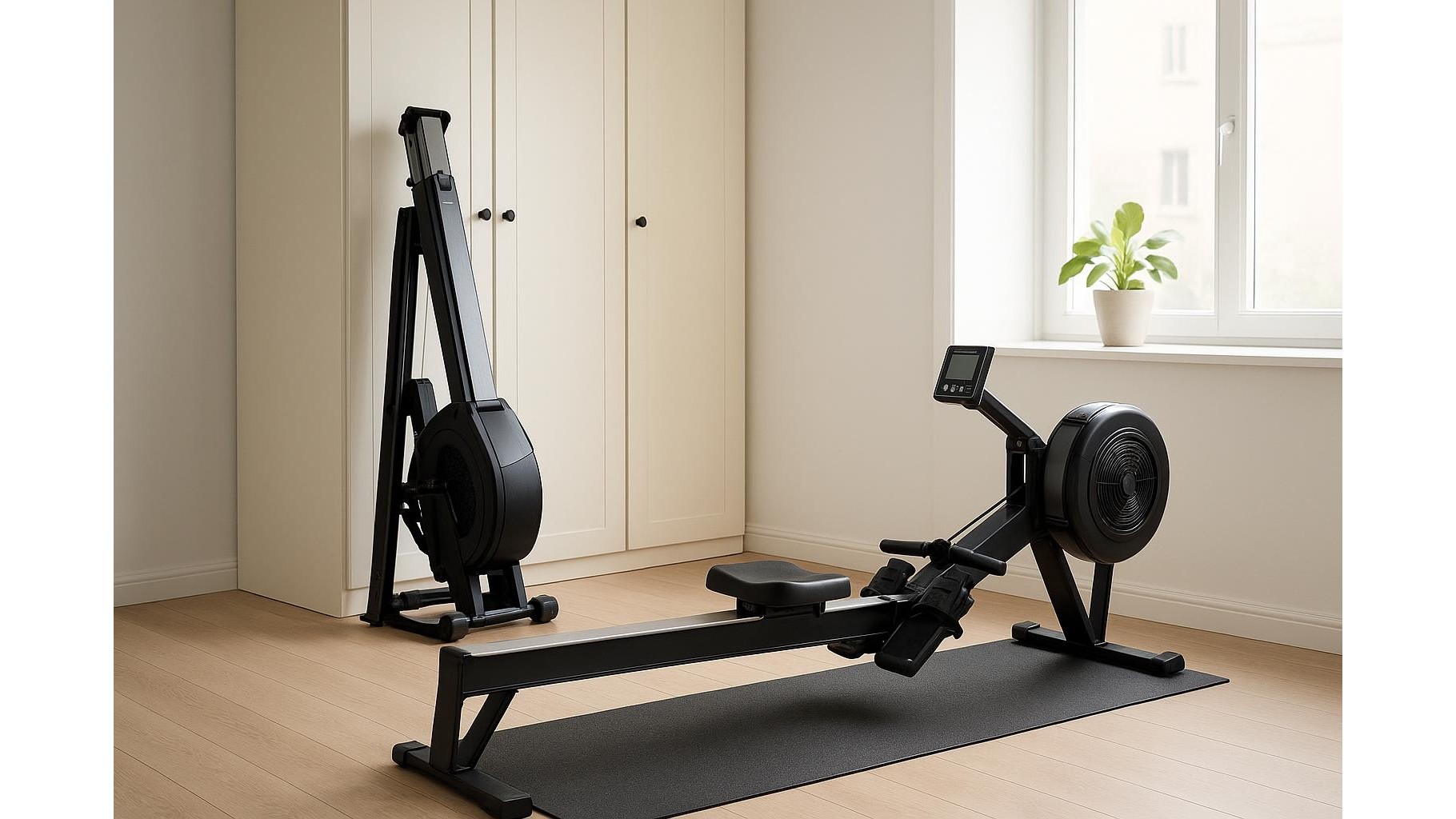
If you live in a flat or share your living room with your gym, a folding rower can be a game-changer. Many home models are designed to tilt upright or fold in half, reducing their footprint from the length of a yoga mat to the size of a tall fan. This makes it realistic to slide the machine into a corner or beside a wardrobe after use. However, a fixed rowing machine still tends to offer the most seamless workout flow, because you never need to unfold, lock pins or wheel it into place. If you have a spare room or dedicated gym space, a fixed frame often feels more natural and ready-to-row 24/7. In short: tight spaces favour foldable models, permanent gyms favour fixed frames.
Stability, feel and performance
When you start pushing harder intervals, the extra rigidity of a fixed-frame rower usually becomes obvious. With fewer hinges and moving joints, it can feel more planted and solid under powerful strokes, especially for taller or heavier users. That said, many modern folding designs now lock very securely in the training position, so for light to moderate cardio they feel almost identical to a fixed machine. If your goal is casual fat burning, steady-state cardio and shorter sessions, a good foldable rower will be more than stable enough. If you are chasing performance, structured intervals and long workouts that mimic a commercial gym experience, a non-folding frame tends to offer the most consistent feel.
Noise levels and home-friendly operation
Both foldable and fixed rowers can be either quiet or loud depending on their resistance system rather than the frame itself. Magnetic rowers are typically the most neighbour-friendly choice, with a smooth, almost silent glide that suits early-morning or late-night use. Air rowers generate more whoosh and are popular for performance, while water rowers give a pleasant but audible sloshing sound. The key difference is that some foldable designs may use slightly lighter frames and wheels, which can introduce more vibration on hard floors if not levelled correctly. Adding a simple equipment mat and checking levelling feet can dramatically reduce noise and rattling, whichever style you choose.
Maintenance, durability and everyday usability
Every rowing machine needs basic maintenance, such as wiping the rail, checking the chain or belt and occasionally tightening bolts. Foldable rowers introduce extra hinges and locking mechanisms that you should inspect from time to time, especially if you fold and move the machine after every session. Over years of use, a fixed frame has fewer wear points, which can translate into slightly better long-term durability. On the usability side, consider the weight and quality of the transport wheels. If you plan to store your foldable rower vertically, make sure you are comfortable tipping it up and that the locking system feels safe and intuitive. A fixed model, once positioned, usually needs very little day-to-day fiddling.
Matching the machine to your training goals
Your fitness goals and household routine should drive the final choice more than the frame label itself. If you are a beginner aiming for consistent 20–30 minute sessions and you live in a compact home, a foldable rower makes it easier to keep the space tidy and still train regularly. If you are following structured rowing programmes, enjoy intense interval work or share the machine with multiple family members, the always-ready nature of a fixed rower can encourage more frequent, higher-quality workouts. Either way, prioritise a smooth resistance system, comfortable seat and handle, and a clear monitor that tracks at least time, distance, strokes and estimated calories.
In summary, foldable rowing machines shine in apartments and multi-use rooms where storage is critical, while fixed rowing machines excel in dedicated home gyms and for users who want maximum stability and performance. Think honestly about how much space you can commit, how hard you plan to train and how often you will row. Choose the machine that best fits your lifestyle today but can also support the fitter, stronger version of you you are working toward.