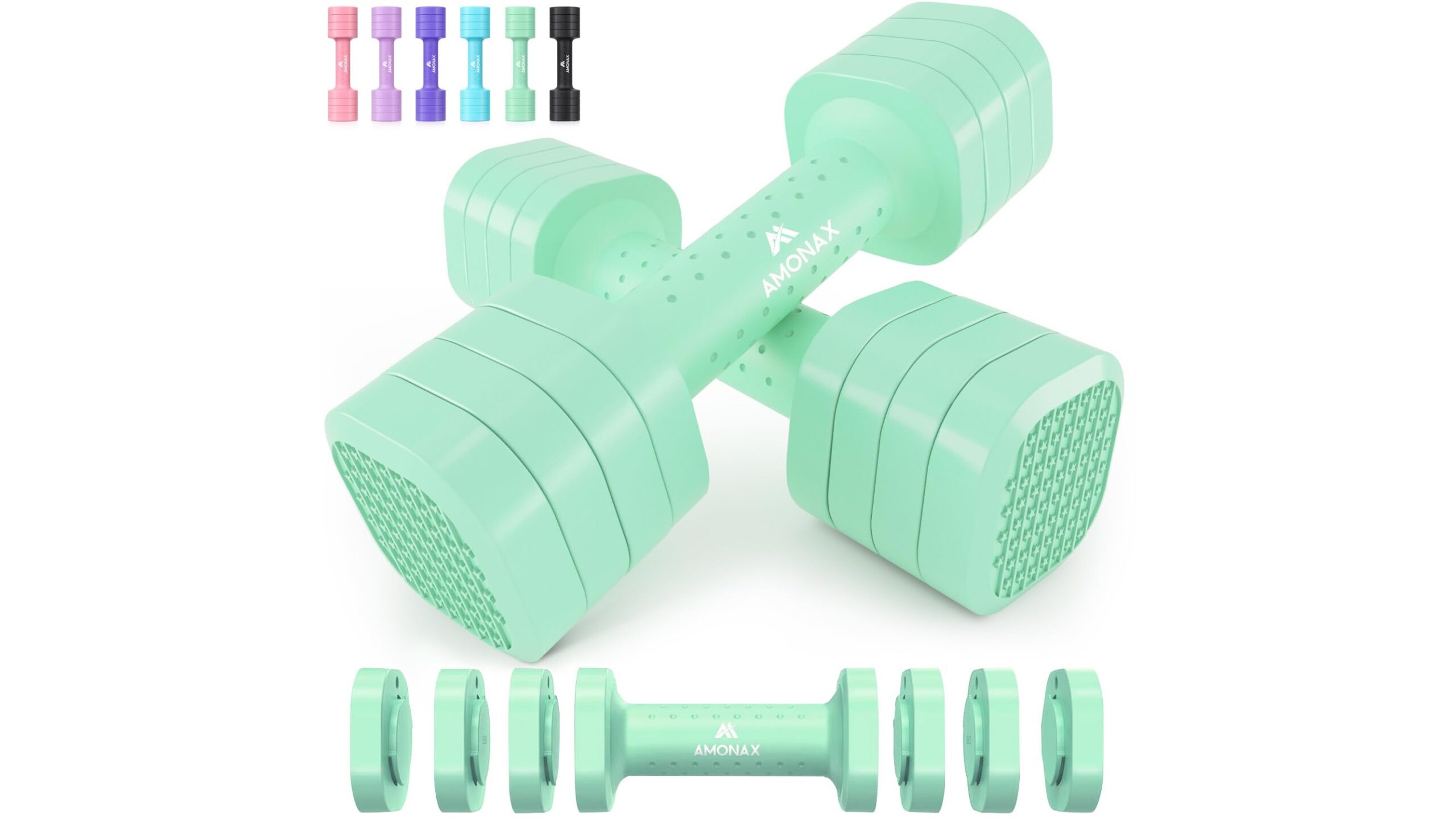
Building a strong upper body at home does not require a full gym. With just two dumbbells and a small space, you can train your chest, back, shoulders and arms in a balanced way. This 40-minute push–pull routine alternates movements that push the weight away from the body with those that pull it toward you, helping you gain strength, improve posture and avoid overloading any single muscle group.
How the 40-minute push–pull session is structured
This home upper body workout is divided into four 8-minute blocks plus a short warm-up. Each block combines one push exercise and one pull exercise, performed as a superset: you do a push move, rest briefly, then a pull move, rest, and repeat. Aim for 3 sets of 10–12 reps per exercise, resting 45–60 seconds between moves. Choose dumbbells that feel challenging by the last 2 reps, but still let you maintain good form. If time is tight, you can run just two or three blocks and still get an effective session.
Warm-up and setup in a small home space
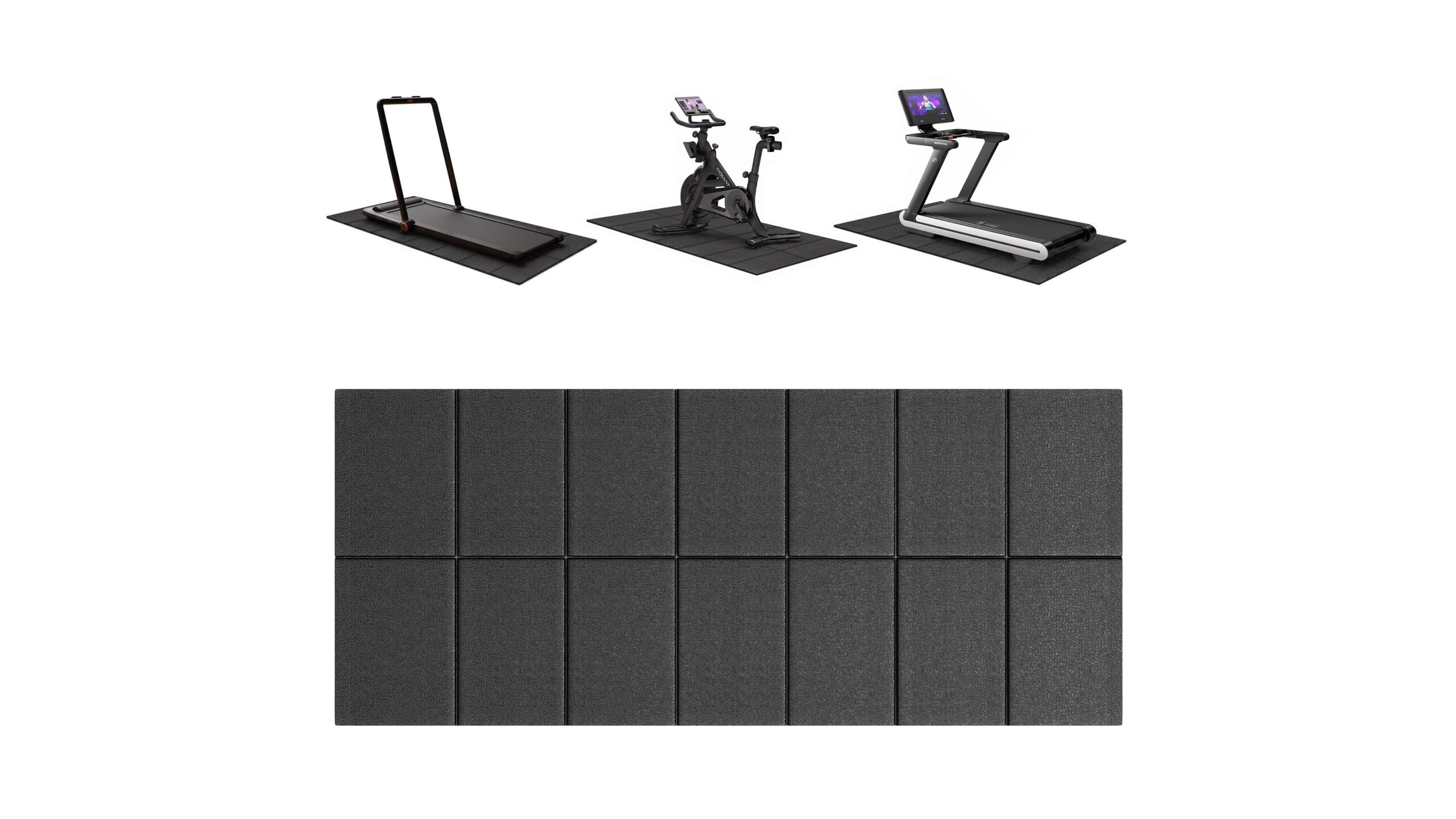
Before lifting, spend 5 minutes on a focused warm-up to protect your shoulders and elbows. Do 30–45 seconds each of arm circles, shoulder rolls, light push-ups against a wall or countertop, and bodyweight good mornings. Clear an area the length of your exercise mat, and keep water and a timer nearby. If your floor is hard, the mat will cushion your spine during dumbbell floor presses and rows. Make sure you can move your arms freely overhead without hitting furniture, and place the dumbbells at your sides so you do not need to twist awkwardly to pick them up.
Push–pull Block 1: chest and upper back
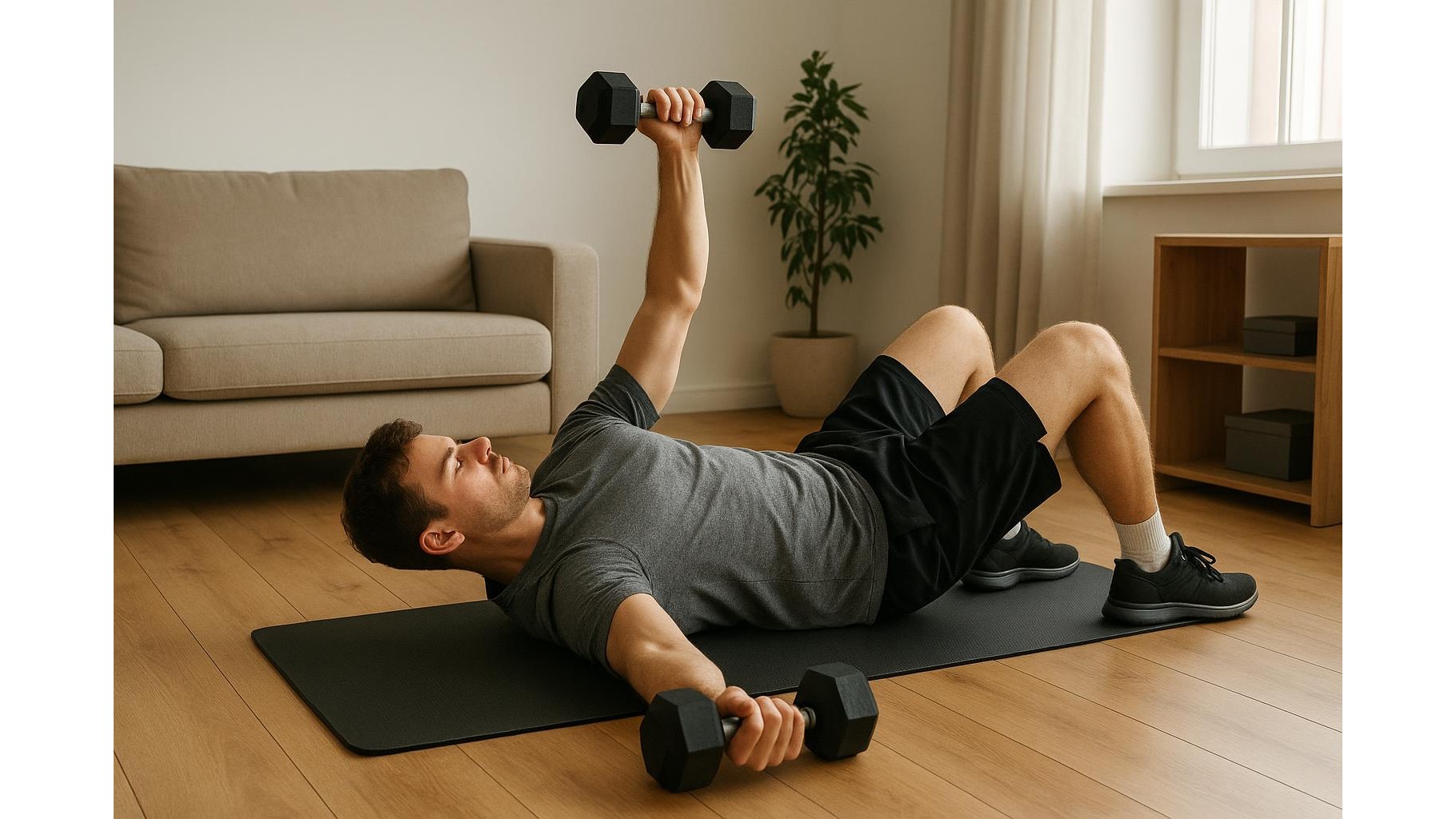
Start with dumbbell floor presses to target the chest and triceps. Lie on your back, knees bent, dumbbells over your chest, palms facing forward. Lower until your upper arms gently touch the floor, then press up while squeezing your chest. Pair this with the one-arm dumbbell row: place one hand and knee on the mat or couch for support, hold the dumbbell in the opposite hand, and pull it toward your hip while keeping your back flat. Perform 3 sets of 10–12 reps per side. This combination builds the front of the body while strengthening the upper back to promote better posture.
Push–pull Block 2: shoulders and lats
Next, train the shoulders and lats. For the push move, perform dumbbell overhead presses seated or standing. Start with the dumbbells at shoulder height, palms facing forward or slightly in, and press overhead without arching your lower back. For the pull component, do single-arm dumbbell pullovers lying on the floor or a bench, holding one dumbbell over your chest with both hands, then slowly lowering it behind your head until you feel a stretch in your lats before pulling it back. Aim for 3 sets of 8–10 reps; the overhead work will challenge your stabilizers, while the pullovers hit your back and help open your chest.
Push–pull Block 3: arms and finishing burn
Finish with a focused arm block. Your push exercise is the dumbbell close-grip floor press, which emphasizes the triceps: hold the dumbbells close together above the chest, elbows tucked, and press up in a narrow path. Pair this with dumbbell rows to the hip or hammer curls for the pulling pattern. For hammer curls, stand tall, hold the dumbbells with neutral grip (palms facing each other), and curl without swinging or leaning back. Perform 2–3 sets of 10–15 reps, reducing rest to 30–45 seconds to create a final burn and mild cardio effect. Finish with light stretching for your chest, lats and shoulders.
This two-dumbbell push–pull upper body routine gives you a complete session in about 40 minutes, ideal for a compact home gym setup. By alternating push and pull patterns, you balance chest with back, shoulders with lats and triceps with biceps, reducing the risk of muscle imbalances and joint discomfort. Repeat this workout 2–3 times per week, focus on controlled form, and gradually increase weight or reps to keep progressing over time.