Training as a couple at home can turn fitness into a shared project instead of a solitary chore. With just 2 dumbbells, your own bodyweight and a clear, progressive structure, you can build strength, endurance and connection in only 3 sessions a week. This guide walks you through a scalable plan for beginners and intermediates, plus suggestions for choosing the right home dumbbells for two people.
Table of contents
Essential gear: choosing the right dumbbells for two
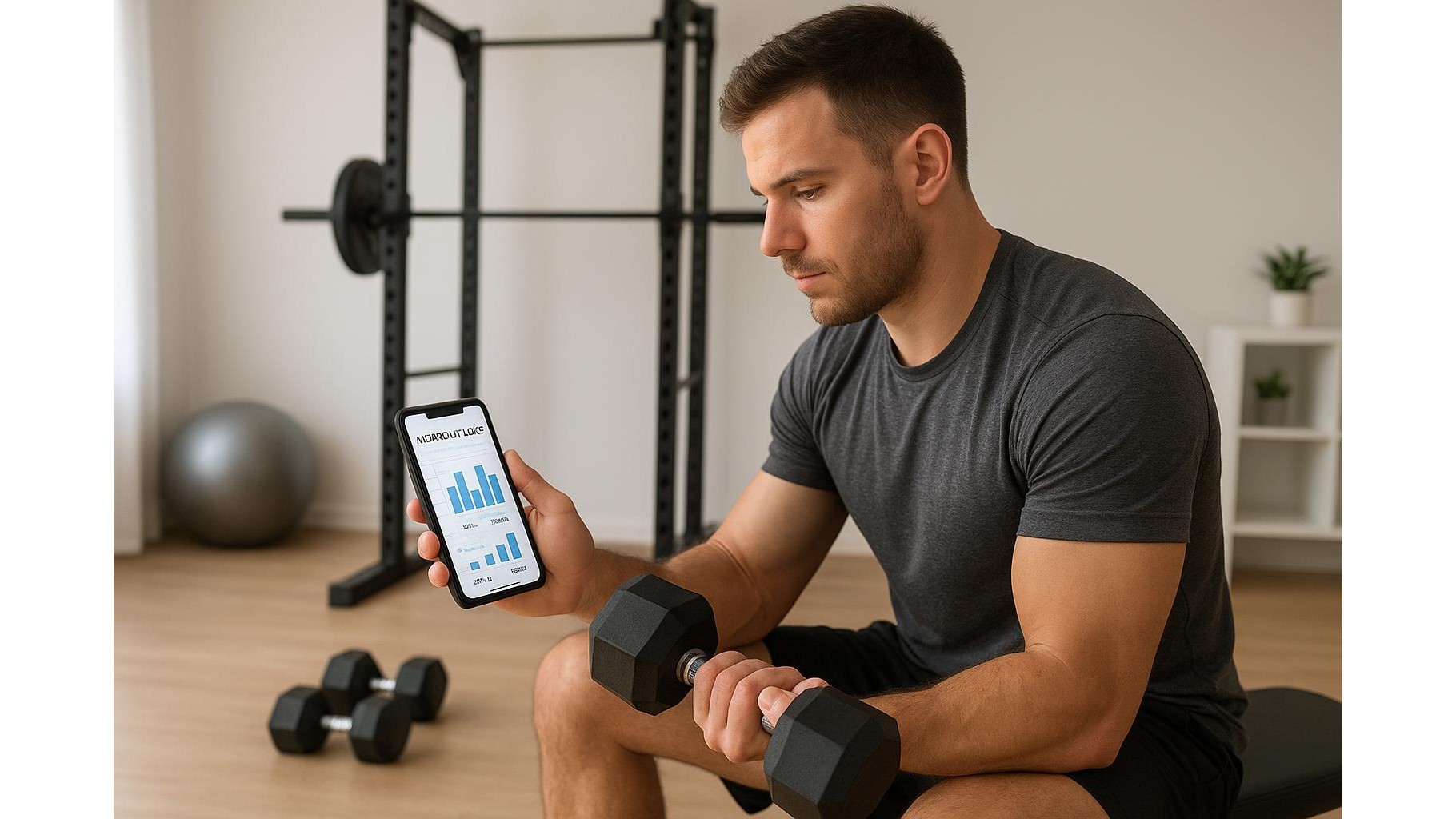
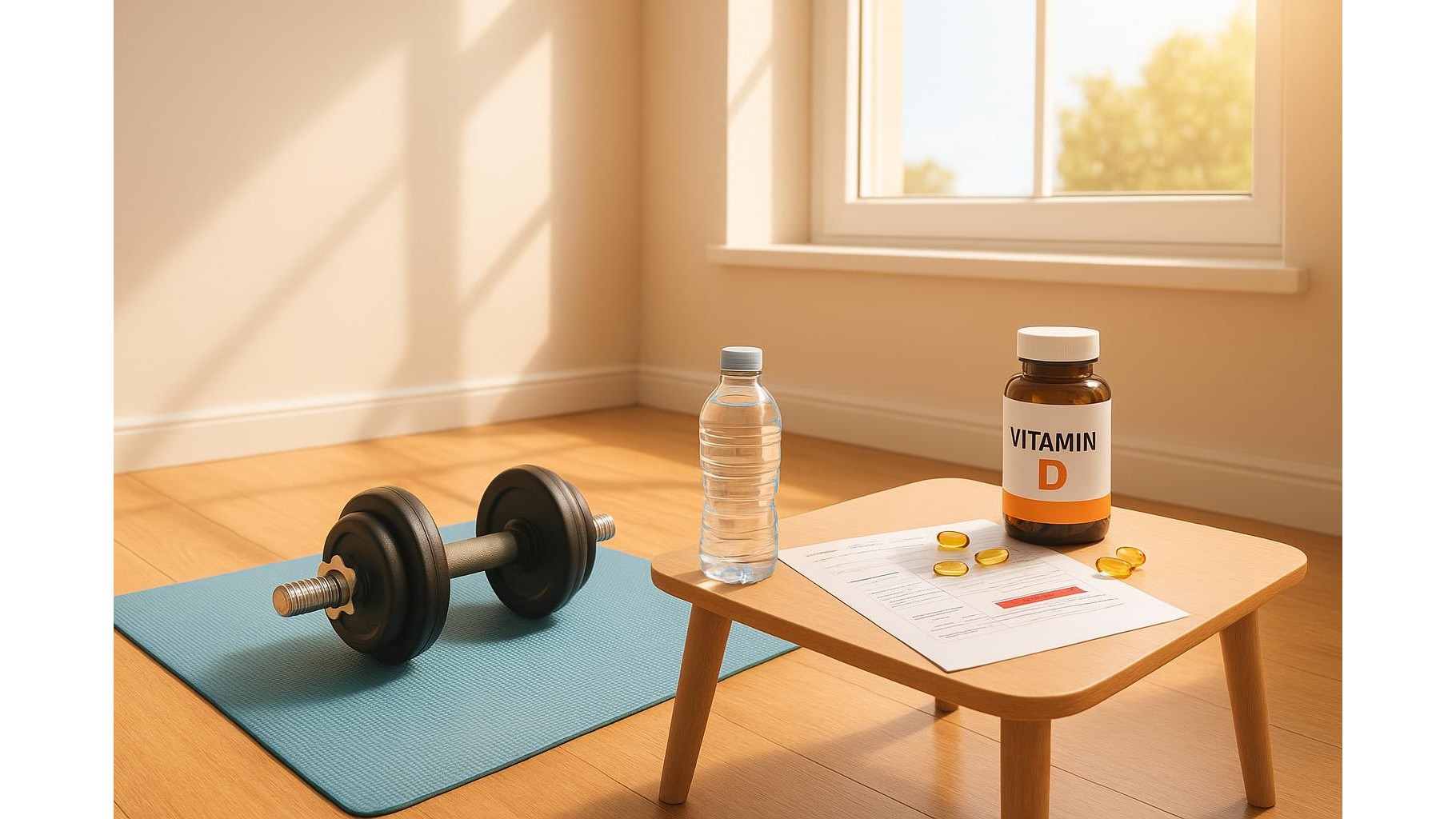
For a flexible couple’s routine, a pair of adjustable dumbbells is ideal because you can quickly change the load between partners and between exercises. Look for models with a secure locking mechanism, a wide weight range and compact footprint so they’re easy to store in a small home gym corner. When selecting weight, think in terms of rep ranges: you want a load that feels challenging around 8–12 reps for compound moves (squats, rows, presses) and 12–15 for isolation and core work. If your strength levels are very different, consider one lighter and one heavier pair so both partners can work in an effective range without compromising form.
Session 1: full-body strength foundation
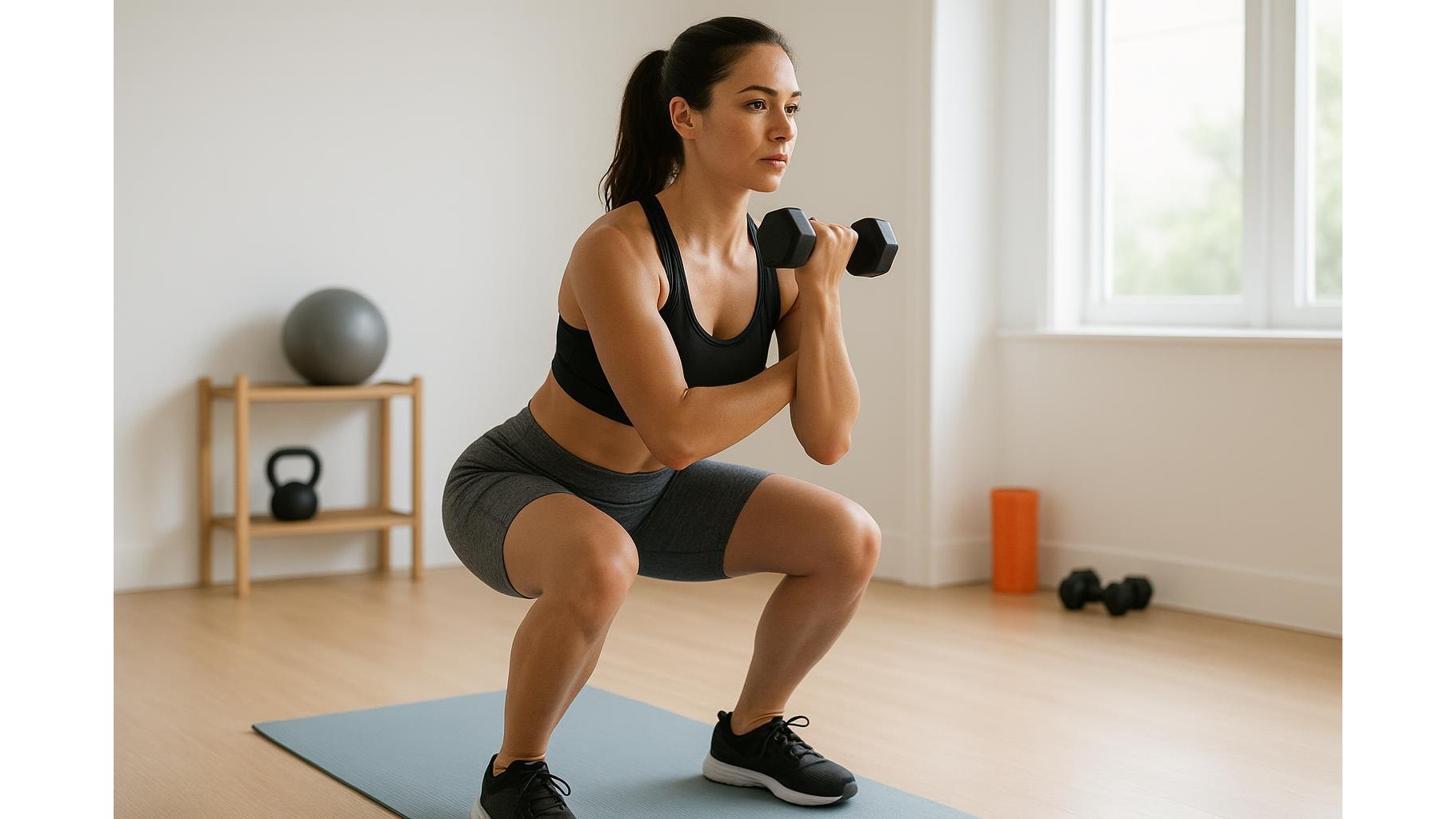
The first workout of the week focuses on full-body strength you can build together. After 5 minutes of light joint circles and marching on the spot, complete 3 rounds of: dumbbell goblet squats (partner A works while partner B rests), dumbbell bent-over rows, and floor chest presses with dumbbells. Aim for 8–10 reps per set if you are a beginner, 10–12 reps if you are intermediate, resting 60–90 seconds between moves. Keep communication open: the resting partner can check technique and give cues like “keep your back straight” or “brace your core”. Finish with a short couple’s core circuit: alternating plank holds and dead bugs for 20–30 seconds each, 2–3 rounds.
Session 2: conditioning and partner synergy
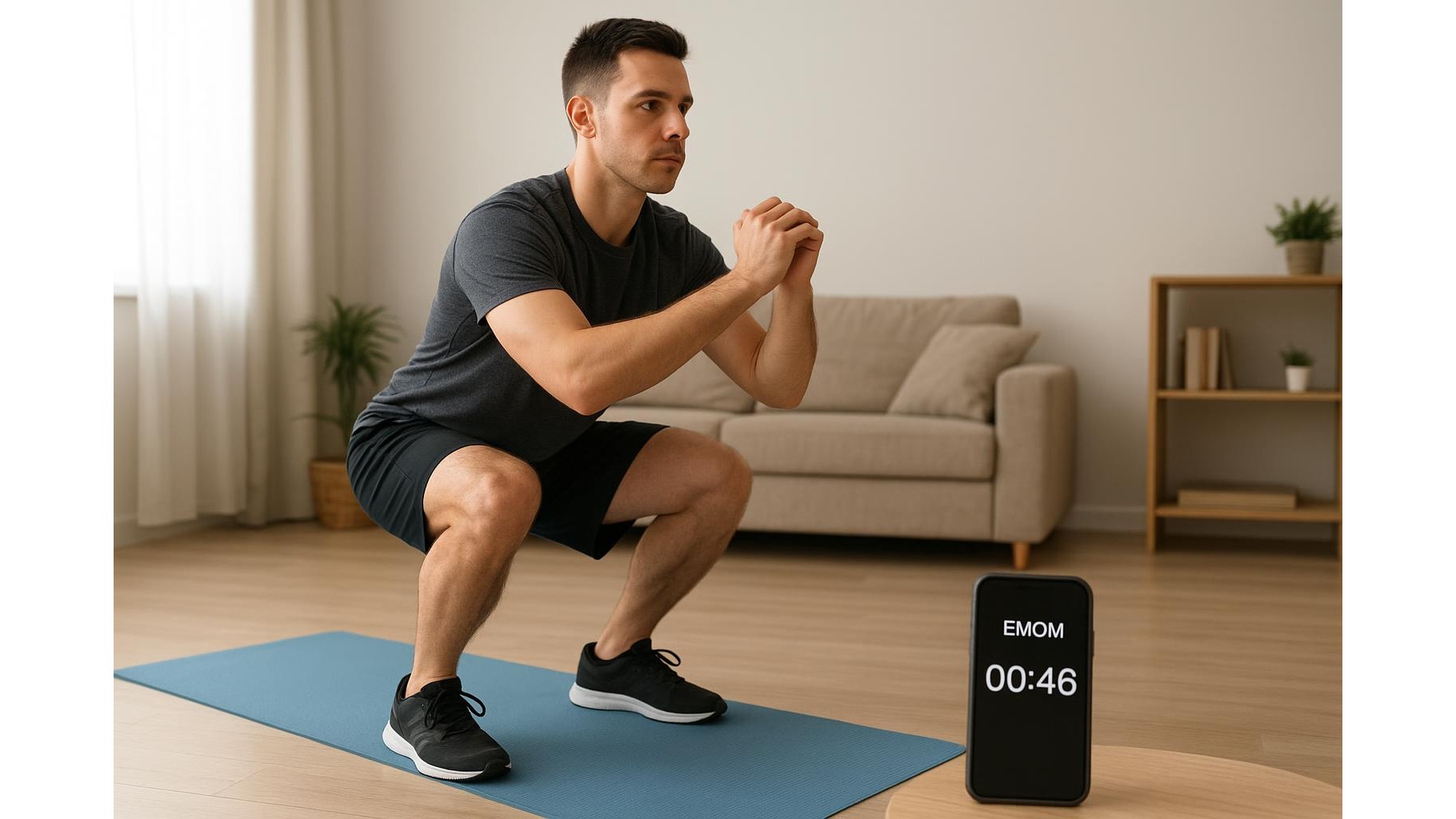
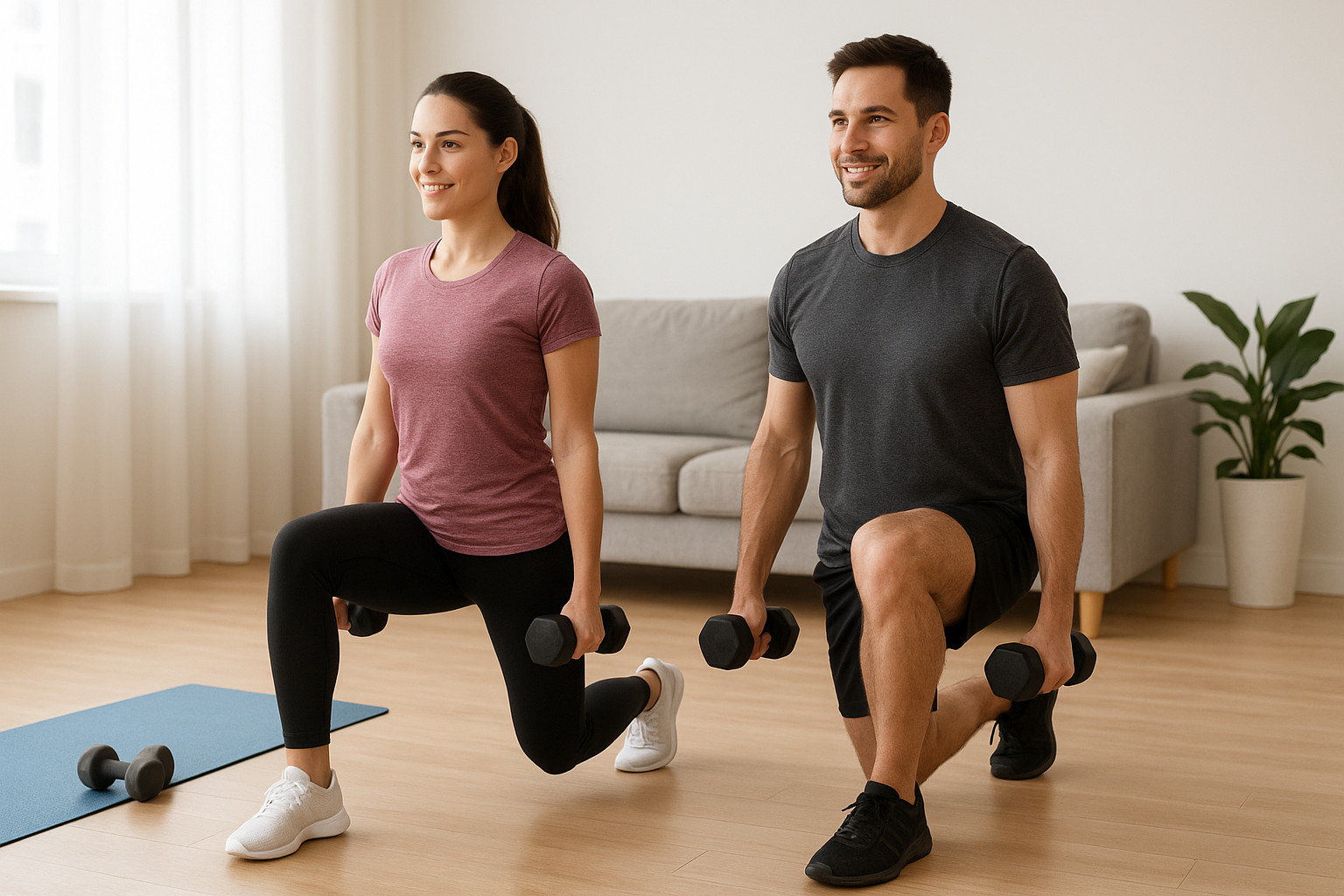
The second weekly session emphasises conditioning, coordination and teamwork. After a light warm-up, set a timer for 20 minutes and rotate through a simple couple’s circuit: dumbbell thrusters (squat to overhead press), alternating reverse lunges with one dumbbell, and bent-over alternating rows. Partner A performs the exercise while Partner B rests or counts reps, then you switch. Beginners can work 30 seconds on / 30 seconds off; intermediates can stretch to 40 seconds on / 20 seconds off. Keep the weights moderate so you can move with control and maintain good posture. End the session with a low-intensity cool-down walk around the room and gentle stretching, focusing on quads, hamstrings, chest and shoulders.
Session 3: hypertrophy and core focus
The third session targets muscle building and core stability, still using only two dumbbells. Structure it as 3 sets of 10–15 reps each of: dumbbell Romanian deadlifts, standing dumbbell shoulder presses, and single-arm dumbbell rows (switch arm each set). Follow this with a couple’s core finisher: Russian twists passing a dumbbell between partners, then lying leg raises while the other partner gently stabilises the ankles. Beginners can start with lighter loads and fewer sets, while intermediates can slow down the eccentric (lowering) phase to increase time under tension. This not only builds lean muscle but also improves posture and trunk control, crucial for everyday life and more advanced training later.
How to progress and adapt as a couple
A scalable home plan must adapt to different fitness levels and busy schedules. Progress one variable at a time: first increase reps within the suggested ranges, then add a small amount of weight to the dumbbells, and finally reduce rest times to increase intensity. If one partner is more advanced, they can use a heavier dumbbell or add a pause at the bottom of each rep, while the other sticks to smoother, lighter repetitions. Maintain at least one “easy” week every 4–6 weeks by slightly reducing volume or load to allow recovery. Most importantly, keep the sessions enjoyable: use music, share short-term goals and celebrate small improvements in strength, endurance or technique together.
By organising your week into three focused sessions and using only two dumbbells and bodyweight, you can create a sustainable home routine that strengthens both your bodies and your relationship. Start with conservative loads, communicate clearly about how each exercise feels and adjust difficulty gradually so both partners are challenged without feeling overwhelmed. With consistent effort and smart progression, a simple couple’s home workout can deliver impressive long-term results.