Starting strength training over 50 at home can feel intimidating, especially if you’re a complete beginner. The good news is that you don’t need a full gym to build stronger muscles, protect your joints and boost energy. With a gentle 3-day routine, a few pieces of minimal equipment and sensible progressions, you can train safely in your living room and feel the benefits in everyday life.
Table of contents
Why strength training matters after 50
From your 50s onward, you naturally lose muscle and bone density, which can affect balance, posture and independence. A simple home strength training routine helps slow this decline, making daily tasks like carrying shopping or climbing stairs easier. Strength work also supports joint health when done with controlled movements and light resistance. Training at home means you can move at your own pace, focus on proper technique and avoid the pressure of a busy gym, while still getting meaningful results in strength, mobility and confidence.
Minimal equipment for a safe home setup
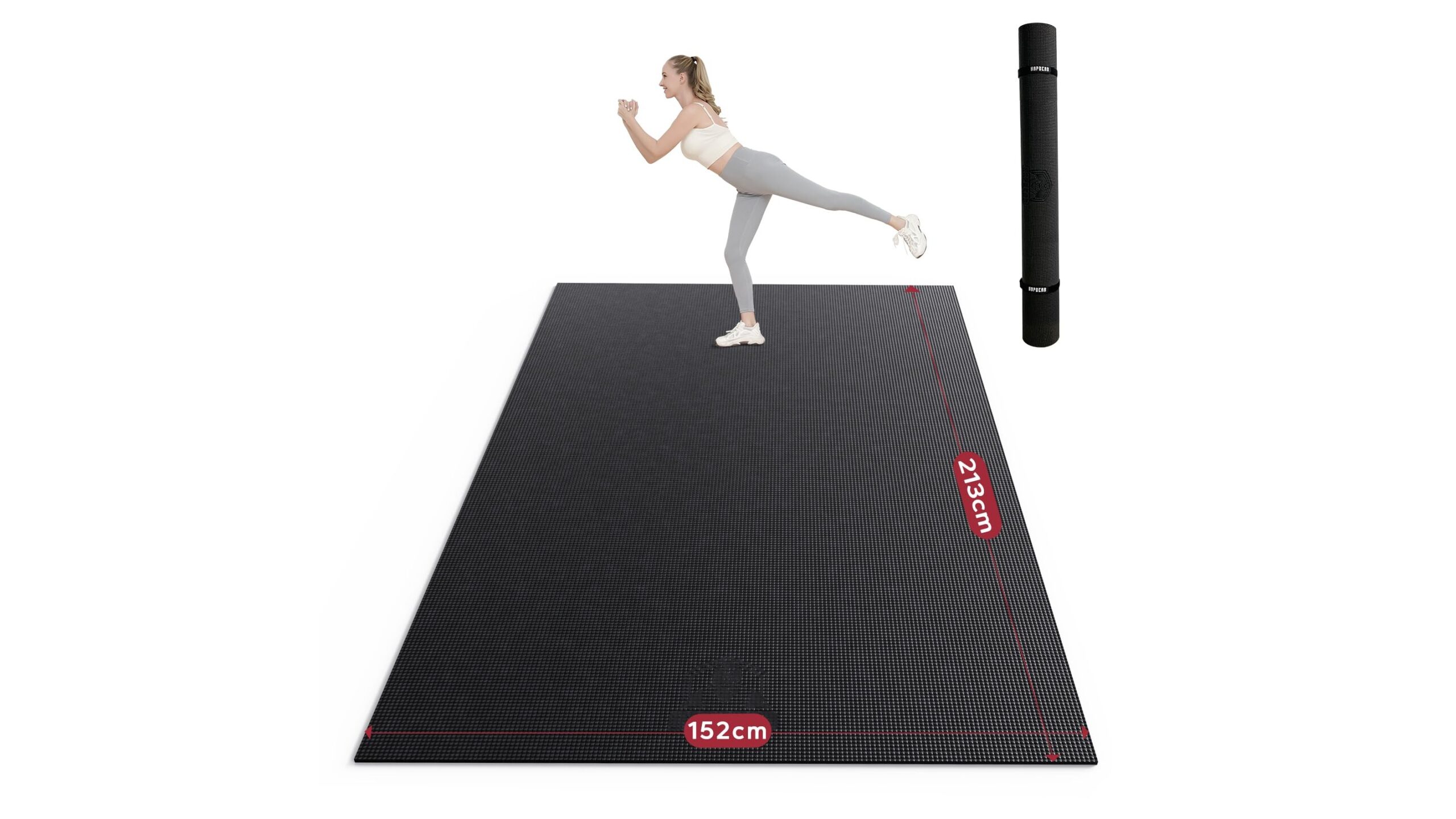
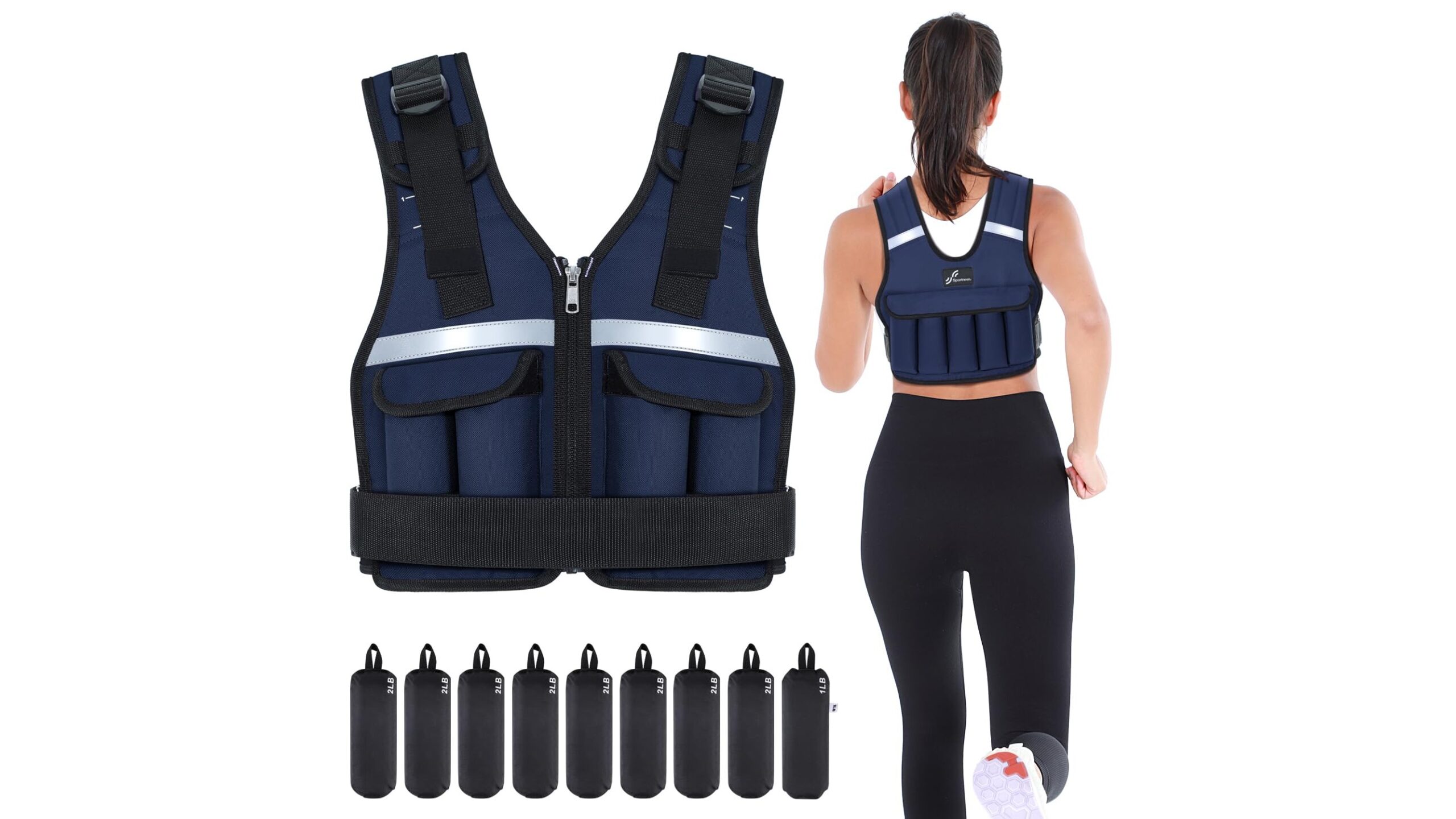
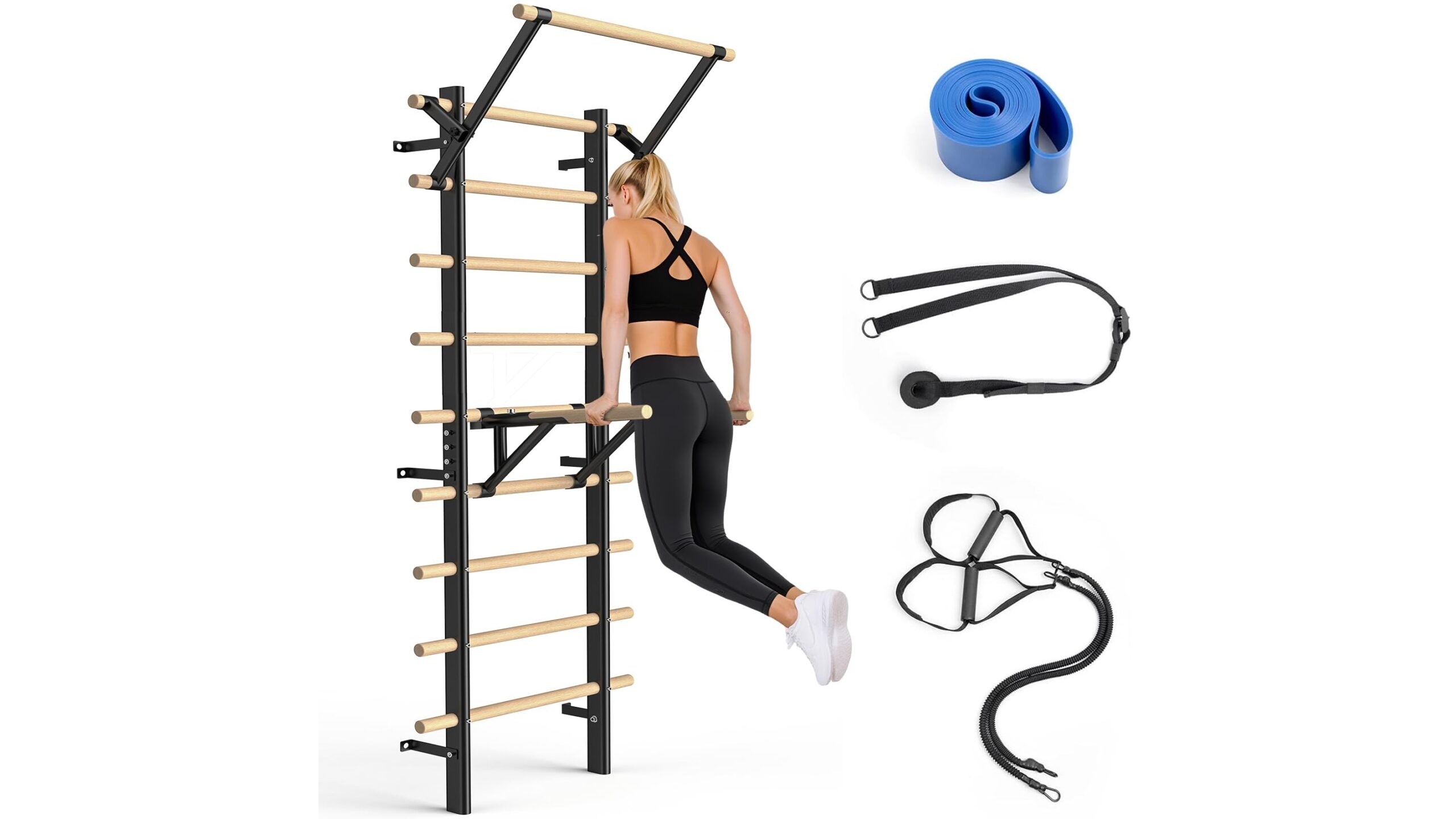
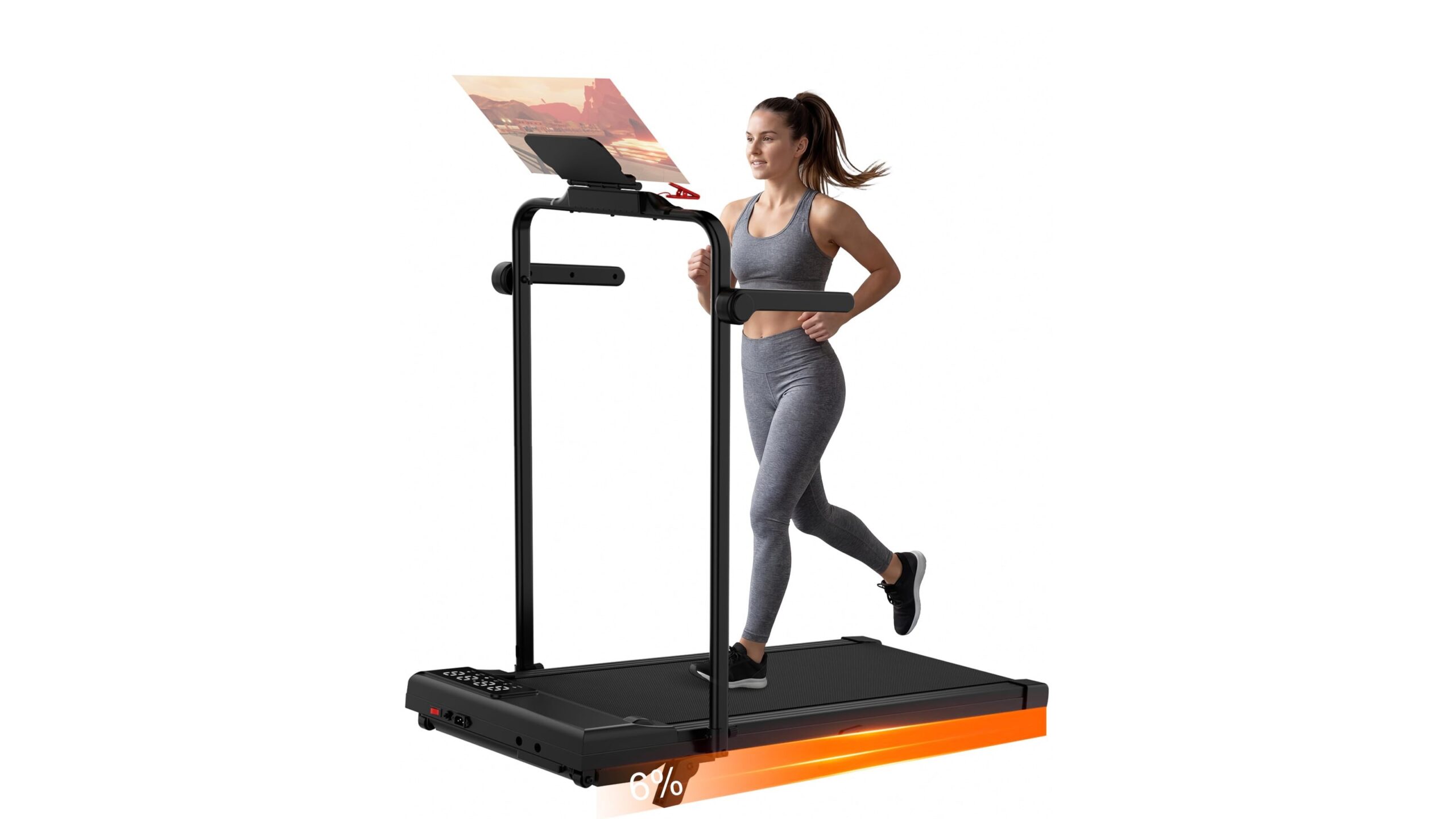
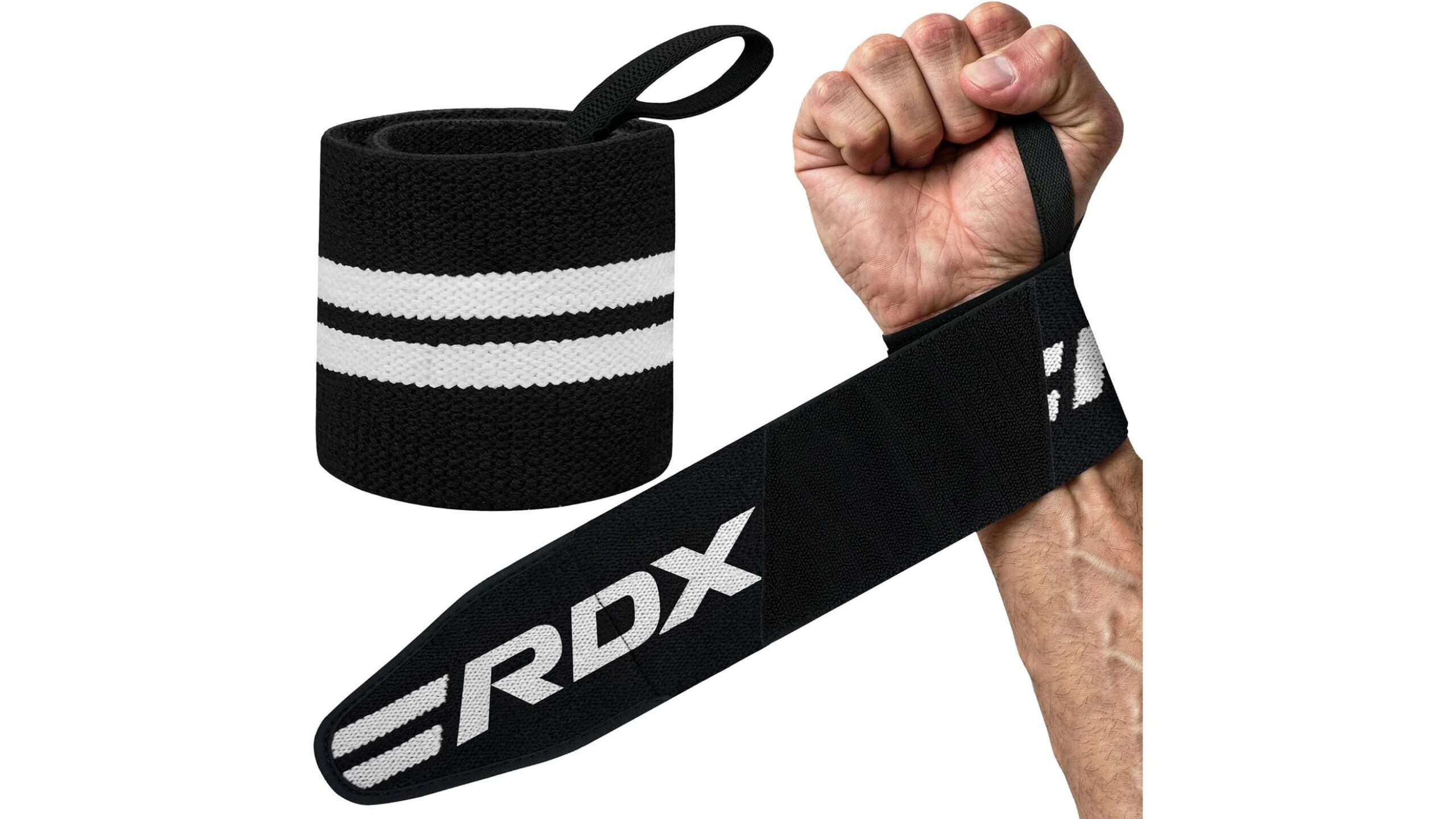
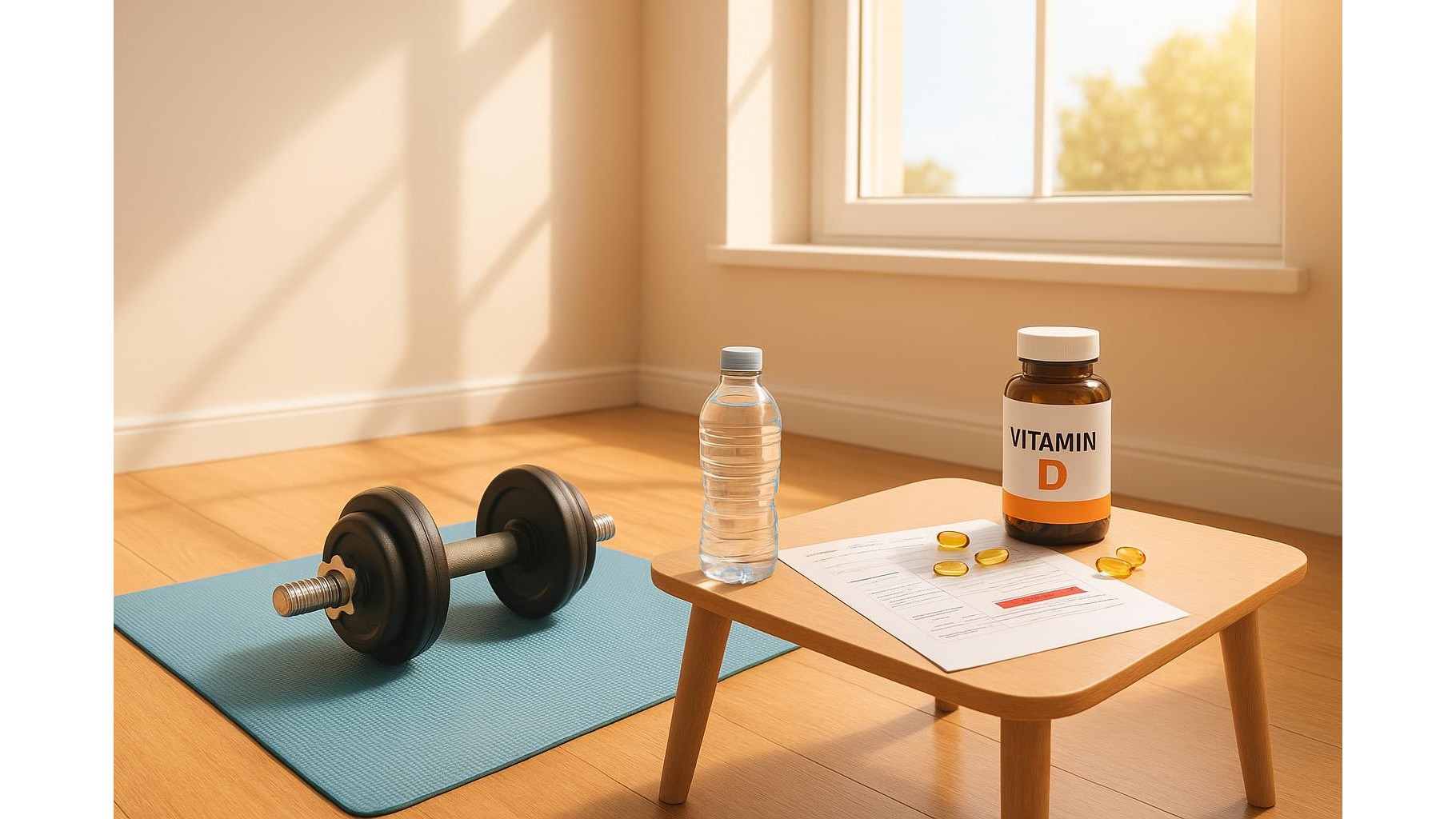
For beginners over 50, keep your setup simple. Start with a non-slip exercise mat to protect your knees and back, a sturdy chair for support and a light pair of adjustable dumbbells or filled water bottles. Resistance bands can also add gentle load without stressing the joints. When choosing equipment, prioritise comfort and control over heavy weights: you should be able to perform 10–15 repetitions without holding your breath or losing form. Create a clear, clutter-free training space so you can move safely, and keep water nearby to stay hydrated during your sessions.
The gentle 3-day weekly structure
A balanced 3-day plan works well for recovery, especially when you’re just starting out. Aim for two strength days and one lighter day focused on mobility and core. For example: Day 1 – full body strength; Day 2 – mobility, balance and core; Day 3 – full body strength again. Leave at least one rest day between strength sessions. Each workout should begin with 5–8 minutes of easy warm-up, such as marching on the spot and shoulder rolls, and end with gentle stretches. This structure gives your muscles and joints time to adapt, reducing the risk of soreness and overuse injuries while still building consistency.
Sample home workouts for beginners over 50
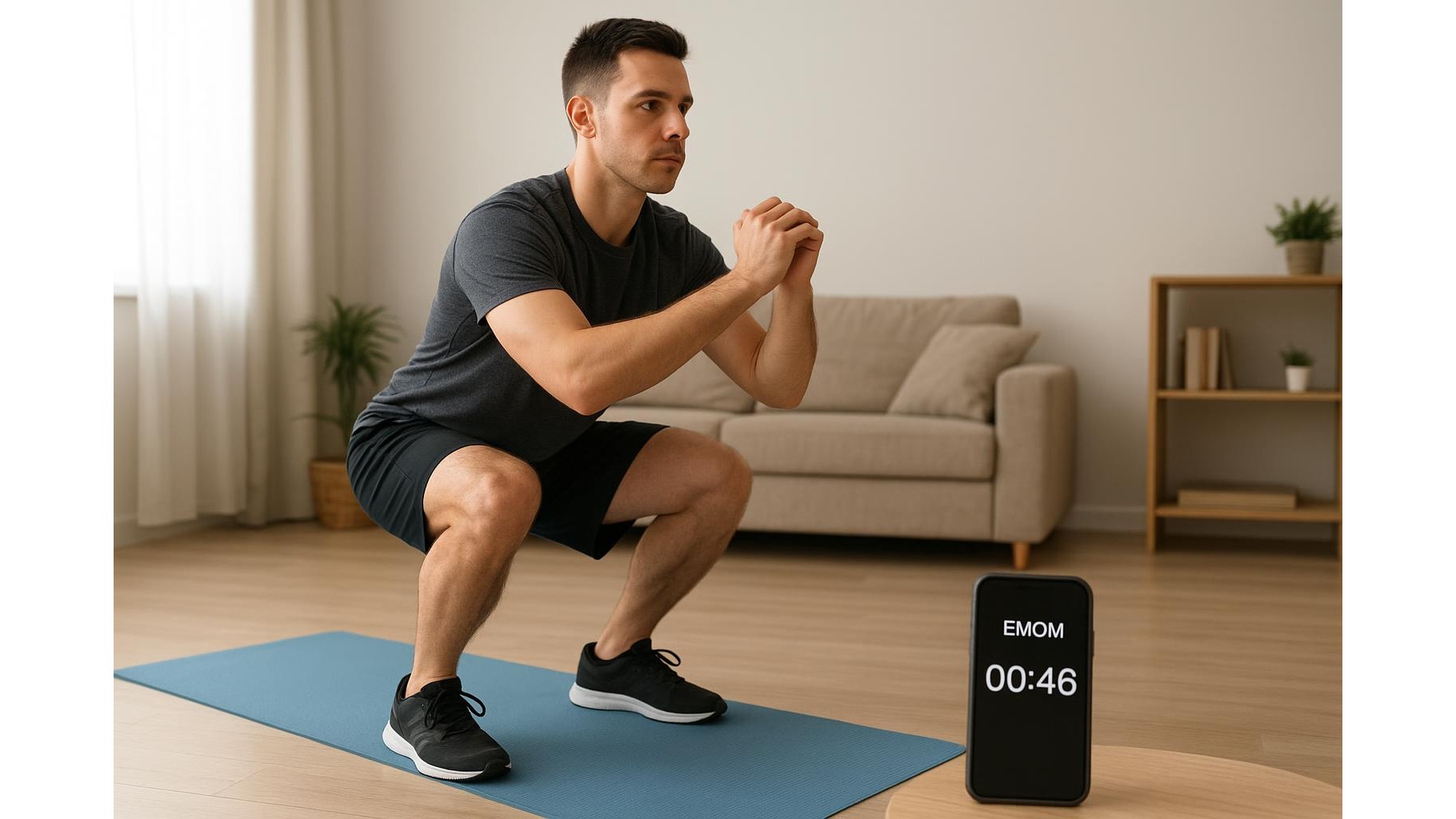
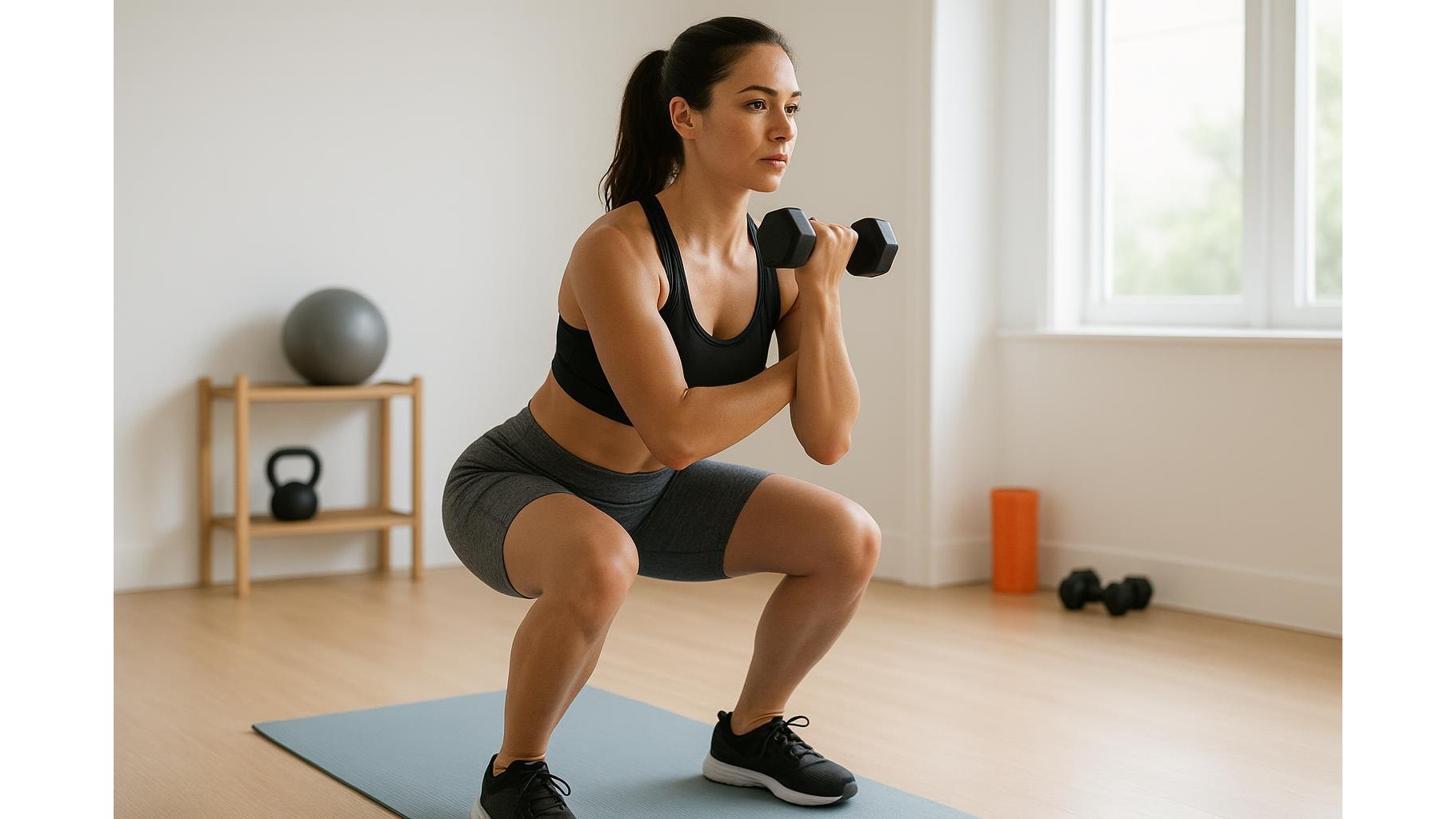
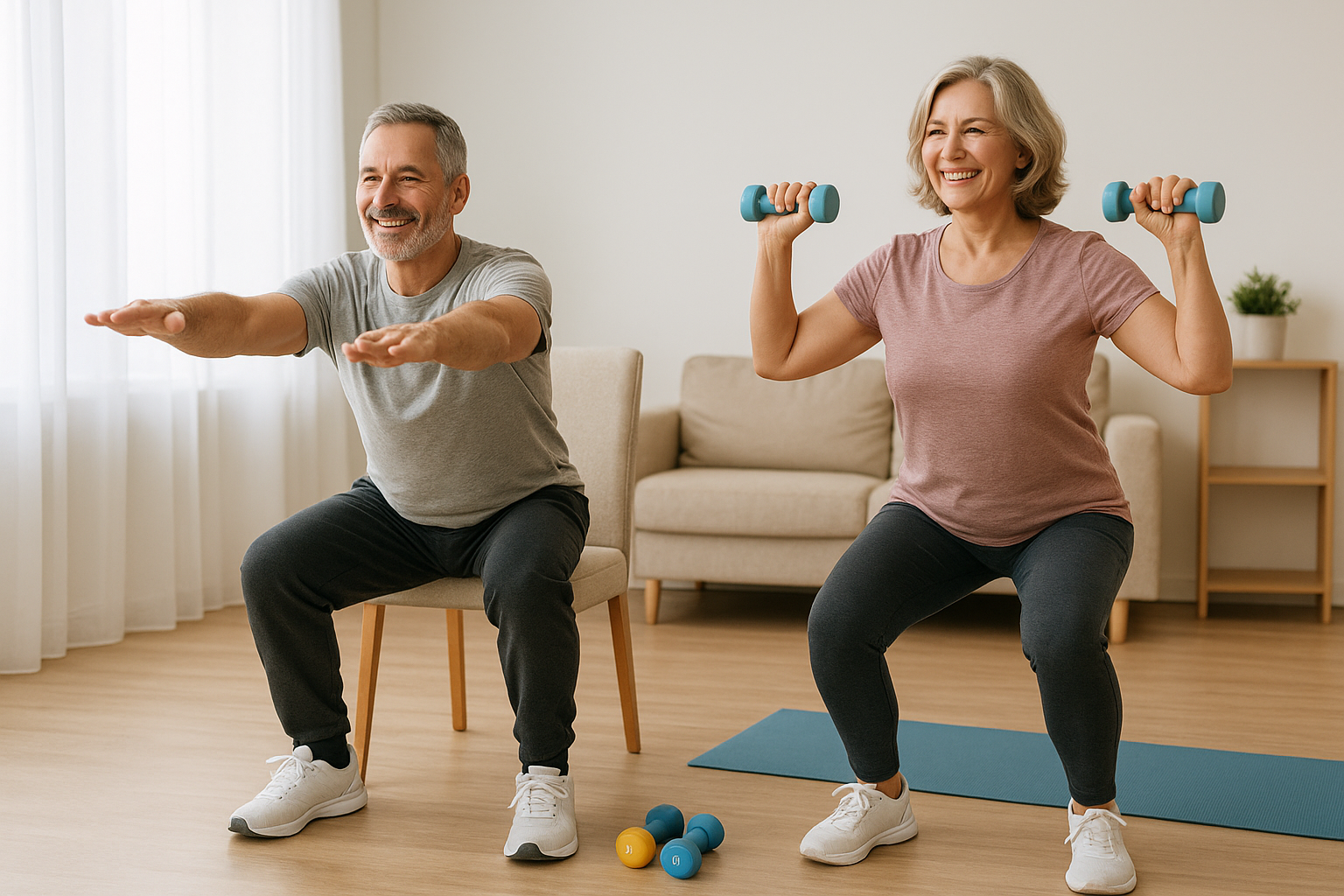
On strength days, pick 5–7 basic movements and perform 1–2 sets of 10–12 reps each, moving slowly and breathing steadily. A beginner full-body routine might include: sit-to-stand from a chair, wall push-ups, supported lunges holding the back of a chair, dumbbell rows, standing calf raises and a gentle deadlift pattern with very light weight. For the lighter day, focus on mobility and core stability with exercises like cat–cow stretches, seated spinal twists, heel-to-toe balance walks along a hallway and gentle abdominal bracing while lying on your back. Adjust the number of reps according to how you feel, always stopping before sharp pain or excessive fatigue.
Progression, safety and listening to your body
Progress should be slow and steady. Once the final few repetitions of each exercise feel easy and your form stays solid, increase the challenge slightly by adding 1–2 reps per set, a small amount of weight or a second set. Focus on joint-friendly technique: keep movements smooth, avoid locking your joints and exhale on effort. If you have arthritis, high blood pressure or other conditions, speak with your doctor before starting and avoid holding your breath or straining. Mild muscle tiredness is normal, but sharp pain, dizziness or chest discomfort are warning signs to stop immediately. Rest days, good sleep and light walking will support your recovery and help you stay consistent.
Building a sustainable home strength habit
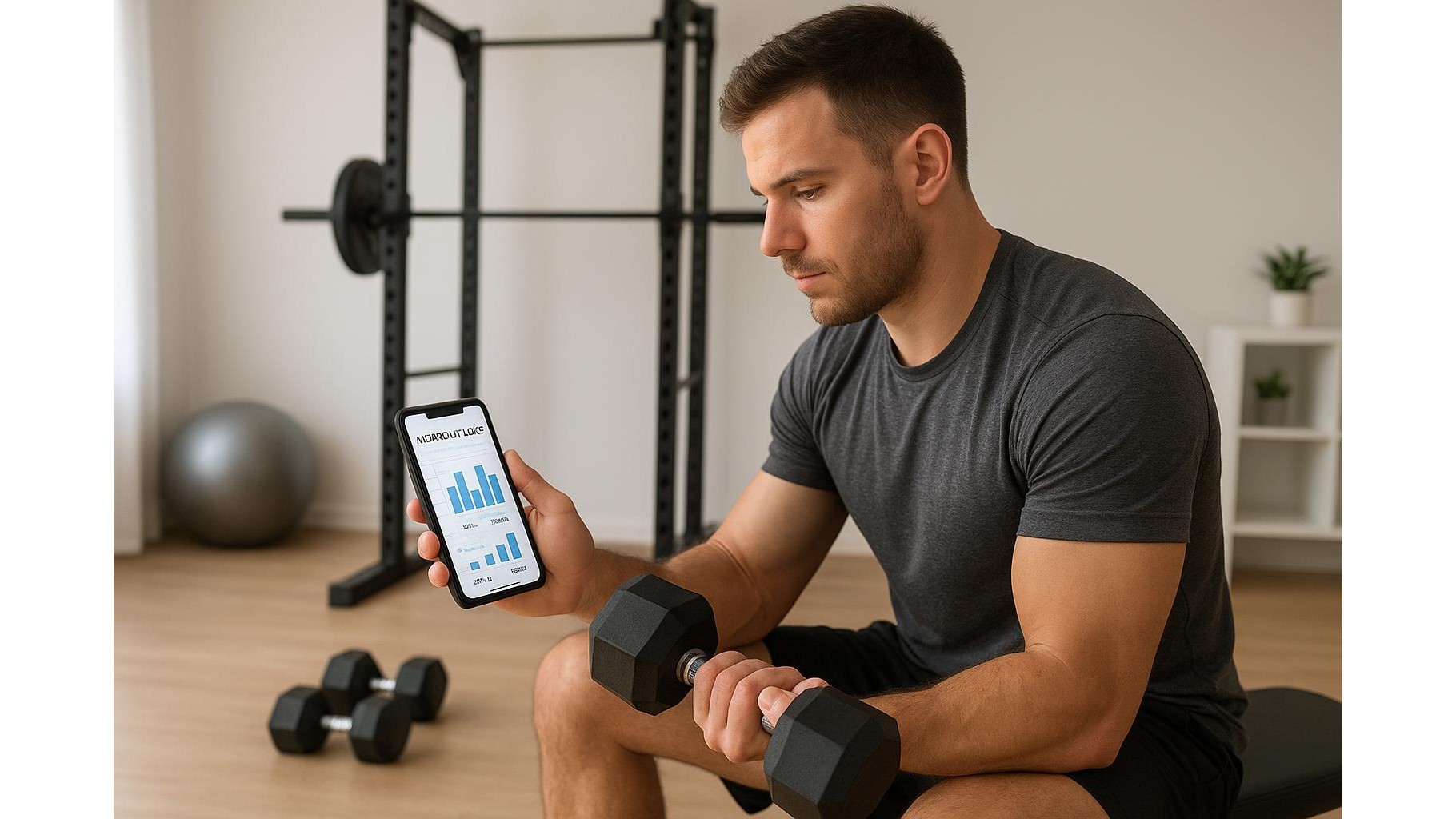
The real secret to home strength training for beginners over 50 is consistency, not perfection. Choose training times that fit naturally into your routine, such as mornings after breakfast or early evenings, and treat sessions like important appointments with yourself. Keep a simple log of the exercises, sets and reps you complete so you can see progress over weeks and months. By starting light, respecting your body’s signals and gradually increasing the challenge, you’ll build strength, confidence and resilience that carry over into every aspect of daily life, all from the comfort of your own home.