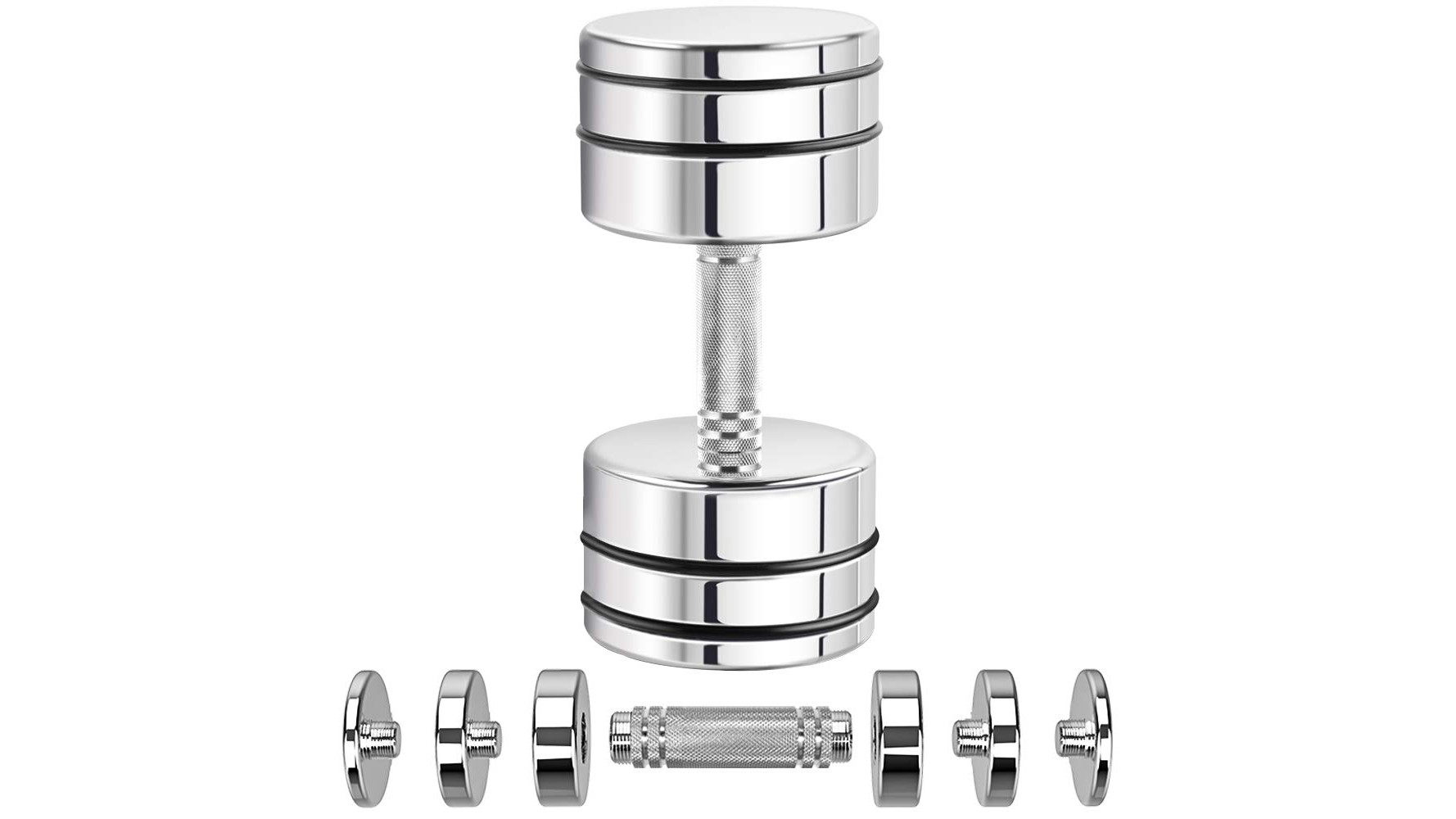
Building a powerful full body workout at home does not require a room full of machines. With a simple pair of dumbbells and a smart ladder workout structure, you can train every major muscle group, boost conditioning and scale the difficulty whether you are a beginner or already advanced. This guide walks you through a complete dumbbell ladder routine, explaining how to adjust reps, tempo and rest so you can keep progressing safely.
Table of contents
What is a dumbbell ladder workout?
A dumbbell ladder workout is a training format where you adjust repetitions up or down like climbing or descending a ladder. For example, you might perform 2, 4, 6, 8, 10 reps of a movement, or reverse that order. This structure makes it easy to scale intensity and track progress without complex programming. At home, using only dumbbells, ladder sets help you accumulate a high amount of quality work in a short time, improve muscular endurance and strength, and maintain focus because the next step on the ladder is always clear.
Warm‑up and setup for home ladder training
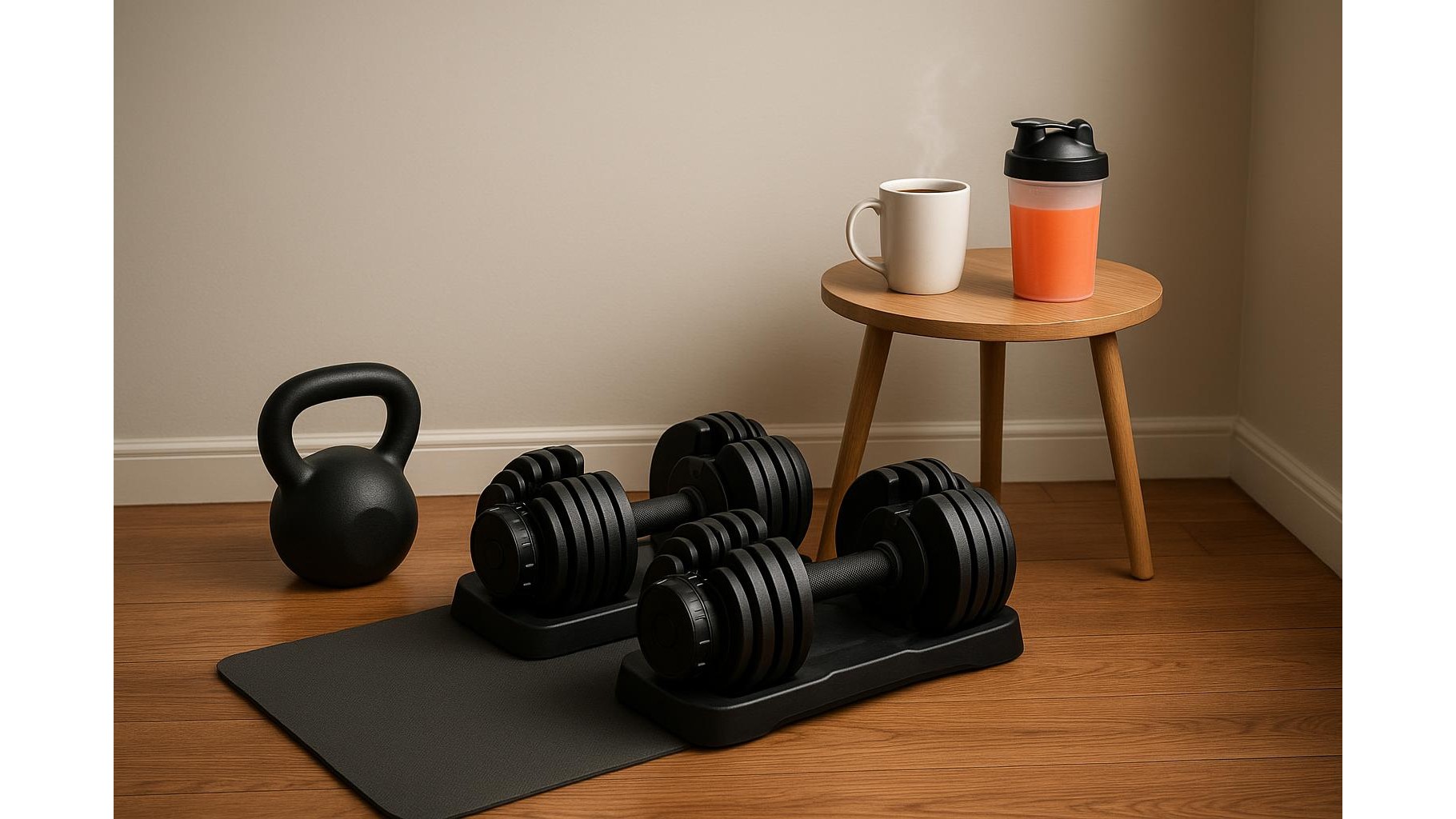
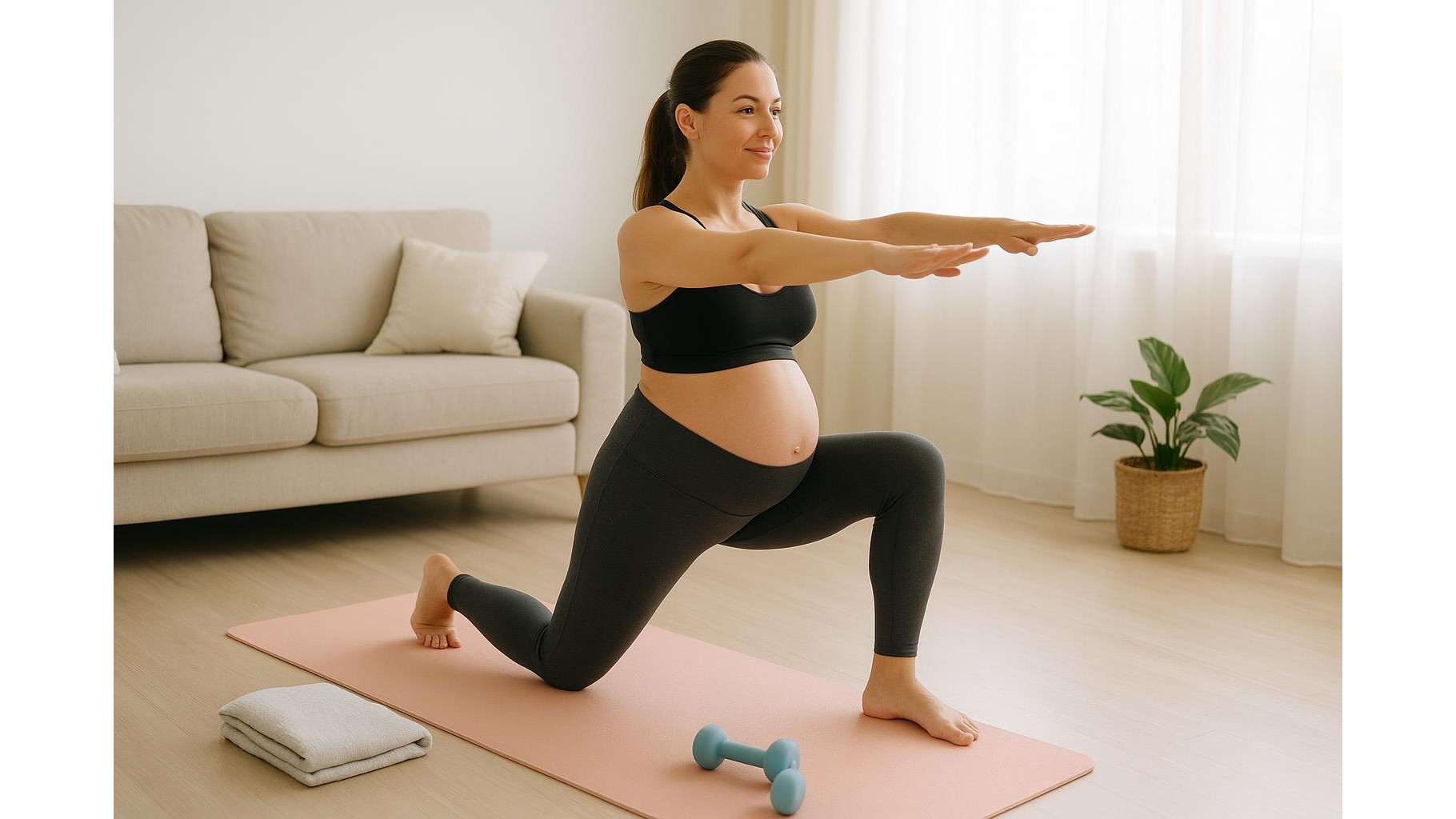
Before jumping into your full body dumbbell ladder, spend 5–8 minutes warming up. Focus on dynamic moves: arm circles, bodyweight squats, hip hinges and light lunges. Then do one easy rehearsal round of each dumbbell exercise with very light weights or even no weight to groove the movement pattern. At home, ensure you have a safe, non‑slip surface and enough space around you to press and swing the dumbbells without hitting furniture. Keep a bottle of water and a towel nearby, and consider training in cross‑training shoes that give you stable footing for both lower‑body and upper‑body movements.
The full body dumbbell ladder routine
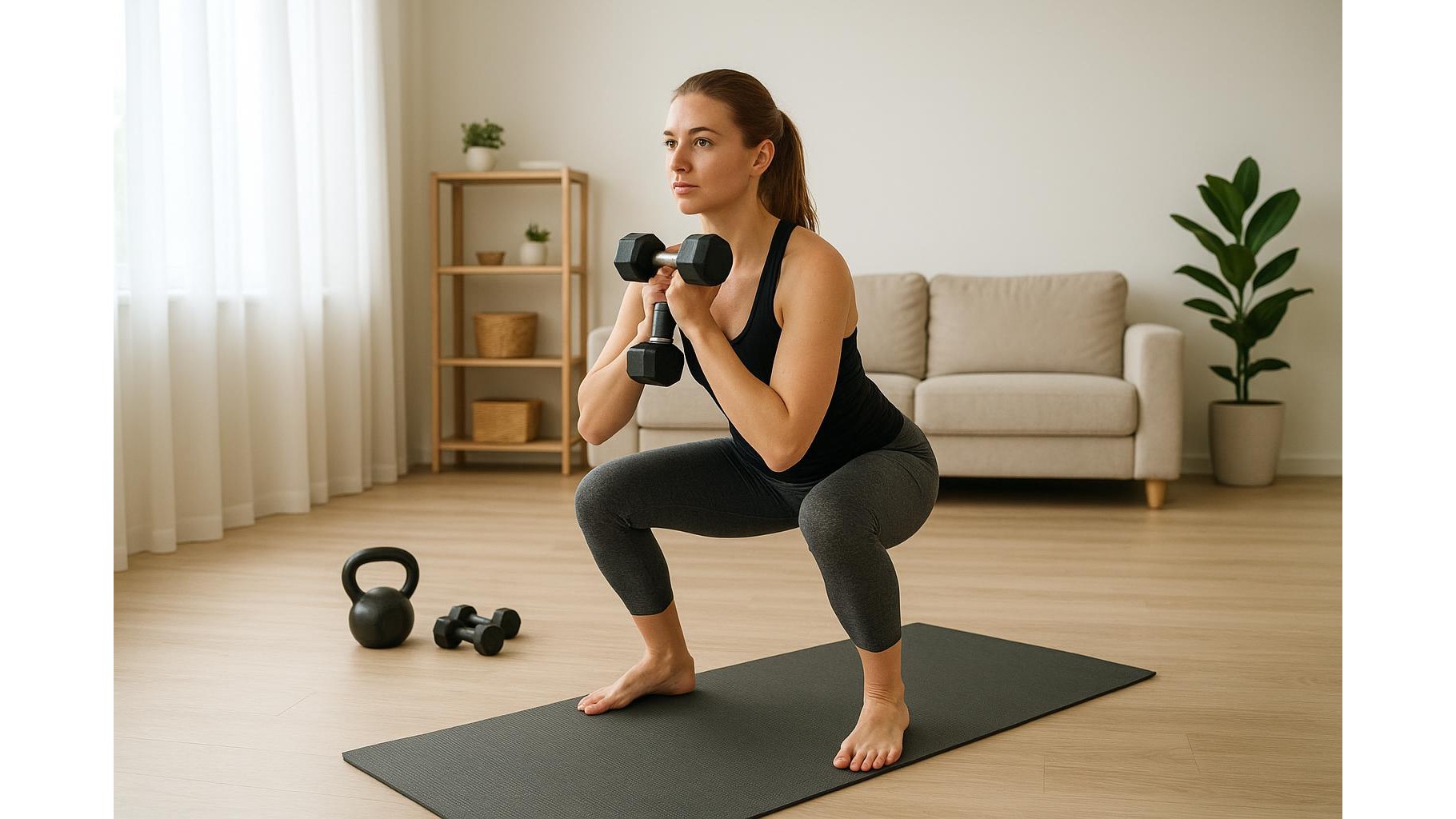
This home dumbbell ladder workout uses four key compound movements: goblet squat, bent‑over row, floor press and hip hinge (Romanian deadlift). Perform them as a circuit. Start with 4 reps of each, then 6, 8, 10 and finally 12, resting 45–75 seconds between rounds as needed. Beginners can stop at 8 or 10 reps per round; advanced trainees can climb back down the ladder (12‑10‑8‑6‑4) for an extra challenge. Aim for controlled technique, keeping your core braced, spine neutral and shoulders packed. If you reach technical failure, stop the set, rest, and reduce the next rung to maintain good form.
Scaling for beginners, intermediate and advanced levels
The beauty of a ladder workout at home is its flexibility. Beginners should choose lighter dumbbells and shorter ladders, such as 3–5–7 reps, focusing on slow tempo and learning the movement. Intermediates can increase both load and volume, using the classic 4–6–8–10 ladder with moderate rest. Advanced lifters may add a descending phase, use heavier weights, or pair upper‑ and lower‑body exercises in mini‑ladders for density, such as squats and rows together. You can also manipulate tempo, adding 3‑second eccentrics on the way down the ladder to increase time under tension without needing heavier equipment.
Technique tips and safety cues
To maximise gains and minimise risk during your home dumbbell workout, prioritise technique. In the goblet squat, keep your chest tall, knees tracking over toes and heels grounded. For the bent‑over row, hinge from the hips with a flat back, pulling the dumbbells towards your lower ribs while squeezing your shoulder blades. During the floor press, plant your feet, keep elbows at about 45 degrees and avoid flaring them wide. In the Romanian deadlift, push your hips back, maintain a neutral spine and feel the stretch in your hamstrings rather than your lower back. Stop immediately if you feel sharp pain, and shorten the ladder or reduce the load on days when you feel overly fatigued.
Progression, recovery and weekly structure
To keep progressing with this full body dumbbell ladder, increase only one variable at a time: either add a rung to the ladder, slightly raise the dumbbell weight, or reduce rest periods. A solid starting point is performing this routine 2–3 times per week on non‑consecutive days, leaving at least one rest or light‑activity day in between for recovery. Support your training with adequate sleep, hydration and protein intake to help your muscles adapt. Over time, you can rotate exercises, such as swapping goblet squats for reverse lunges, or adding a core ladder of dead bugs and side planks. With consistent effort, the ladder format will continue to challenge your strength and endurance as you advance.
In summary, a full body dumbbell ladder workout is a simple, scalable system that turns minimal home equipment into an effective training solution for all levels. By adjusting reps, rest and load, you can tailor each session to your current capacity, ensuring steady progress without overwhelming complexity. Commit to regular practice, respect your recovery and refine your technique, and this ladder‑style routine can become a long‑term foundation for strength, conditioning and overall fitness at home.