If you train at home and your schedule is packed, a 30-minute full body ladder workout with just one kettlebell and a mat is one of the most efficient ways to build strength, endurance and a rock-solid core. This structure keeps you moving, is easy to scale up or down, and doesn’t require a full gym. In this article you’ll find a clear ladder protocol, precise exercise choices and practical tips to make every minute of your home session count.
Table of contents
What is a ladder workout and why it suits busy home athletes
A ladder workout is a training format where you gradually increase (and sometimes decrease) the number of reps each round. For example, you might perform 2, 4, 6, 8 and 10 reps of a short list of exercises, resting briefly between rungs. For home athletes, this is perfect: you can set a strict 30-minute timer and simply climb as high up the ladder as you can with good form. There is no need to count sets or track complex percentages. Ladders naturally blend strength and cardio because the work density increases as you go, raising your heart rate while still allowing solid technique under fatigue.
Minimal equipment: why one kettlebell and a mat are enough
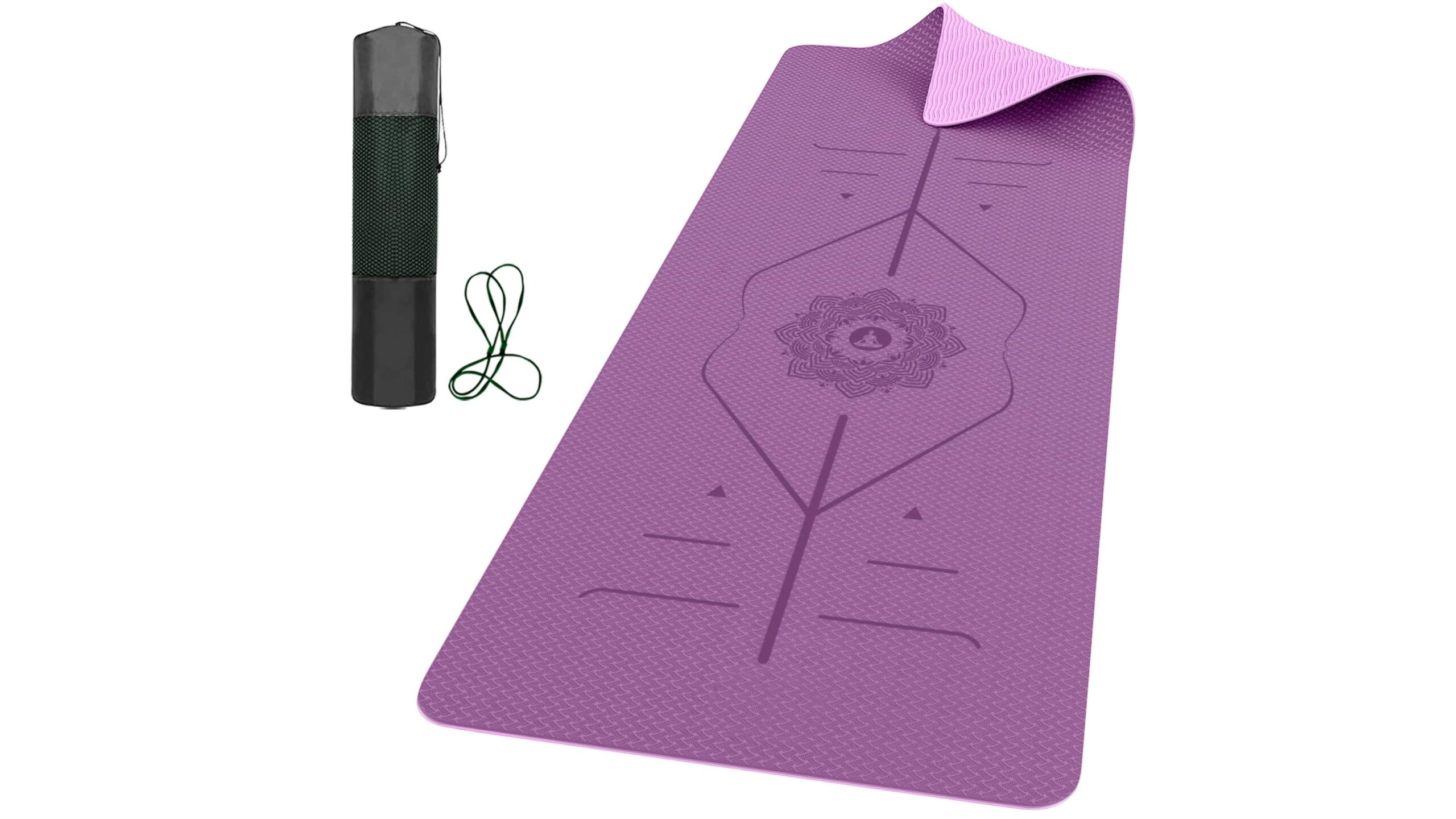
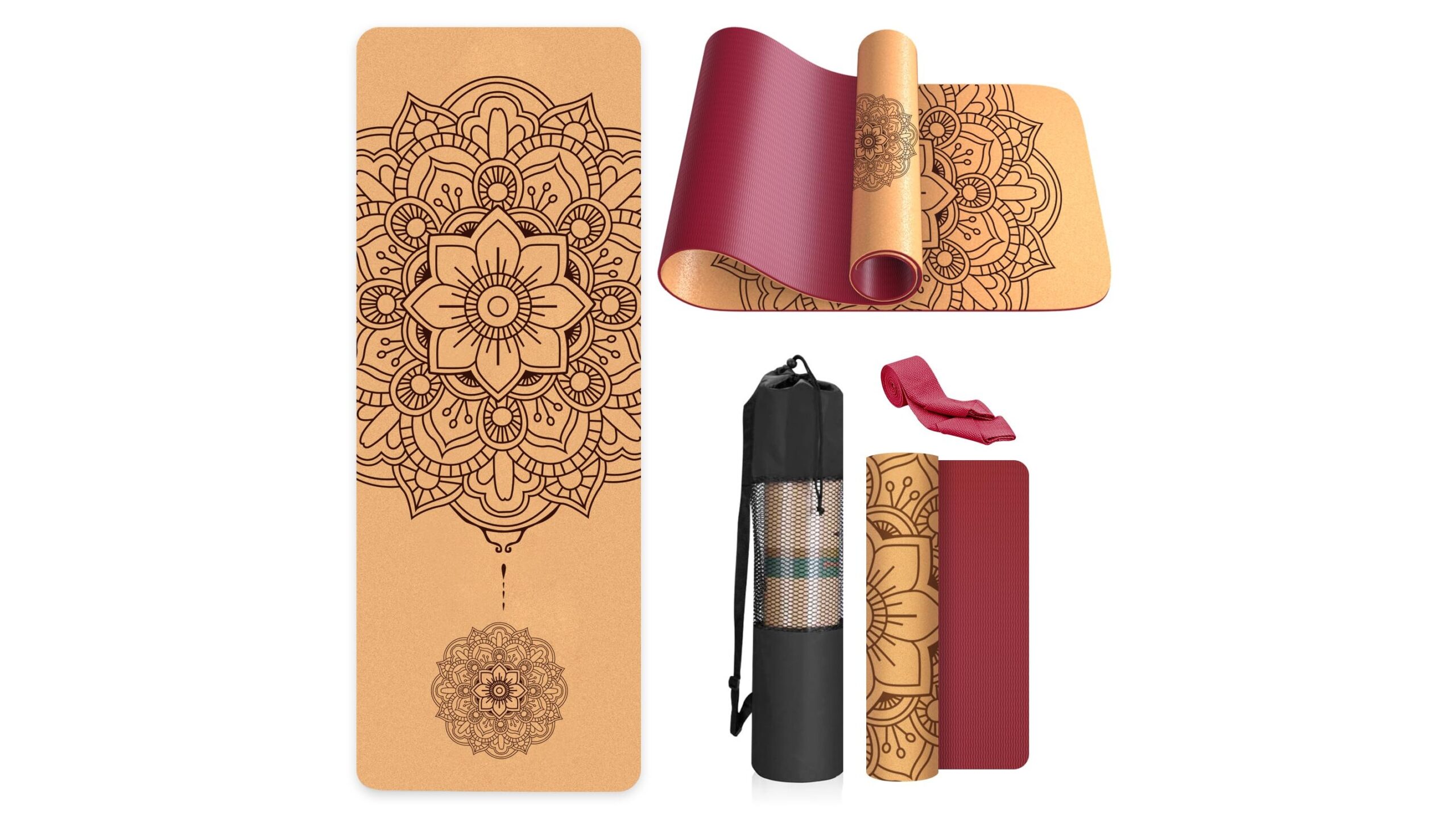
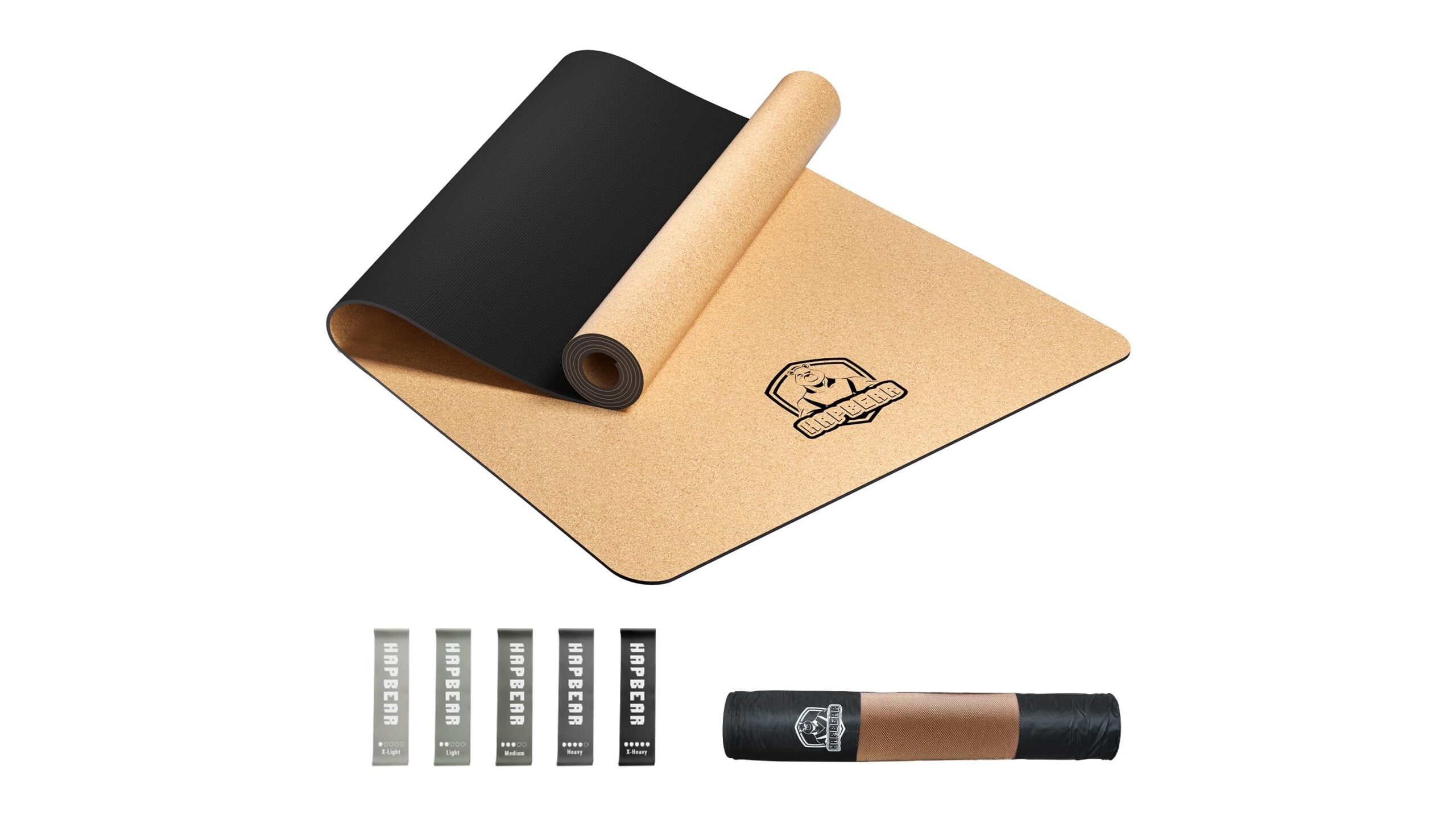
With smart exercise selection, one kettlebell covers lower body, upper body and core in a very small footprint. A moderate weight that you can press overhead for 6–8 solid reps is usually ideal for a mixed ladder. The kettlebell’s offset load challenges stability, grip and core in every movement, so you get more training effect per rep than with many bodyweight-only circuits. A simple exercise mat protects your knees and spine during floor work (planks, dead bugs, glute bridges) and makes transitions smoother. This minimalist setup is perfect if you train in a living room or small home gym and need to pull out and store your equipment quickly.
The 30-minute full body kettlebell ladder: structure and exercises
Set a timer for 30 minutes. Perform the following exercises as a ladder of reps 2–4–6–8–10, then restart from 2 if you still have time:
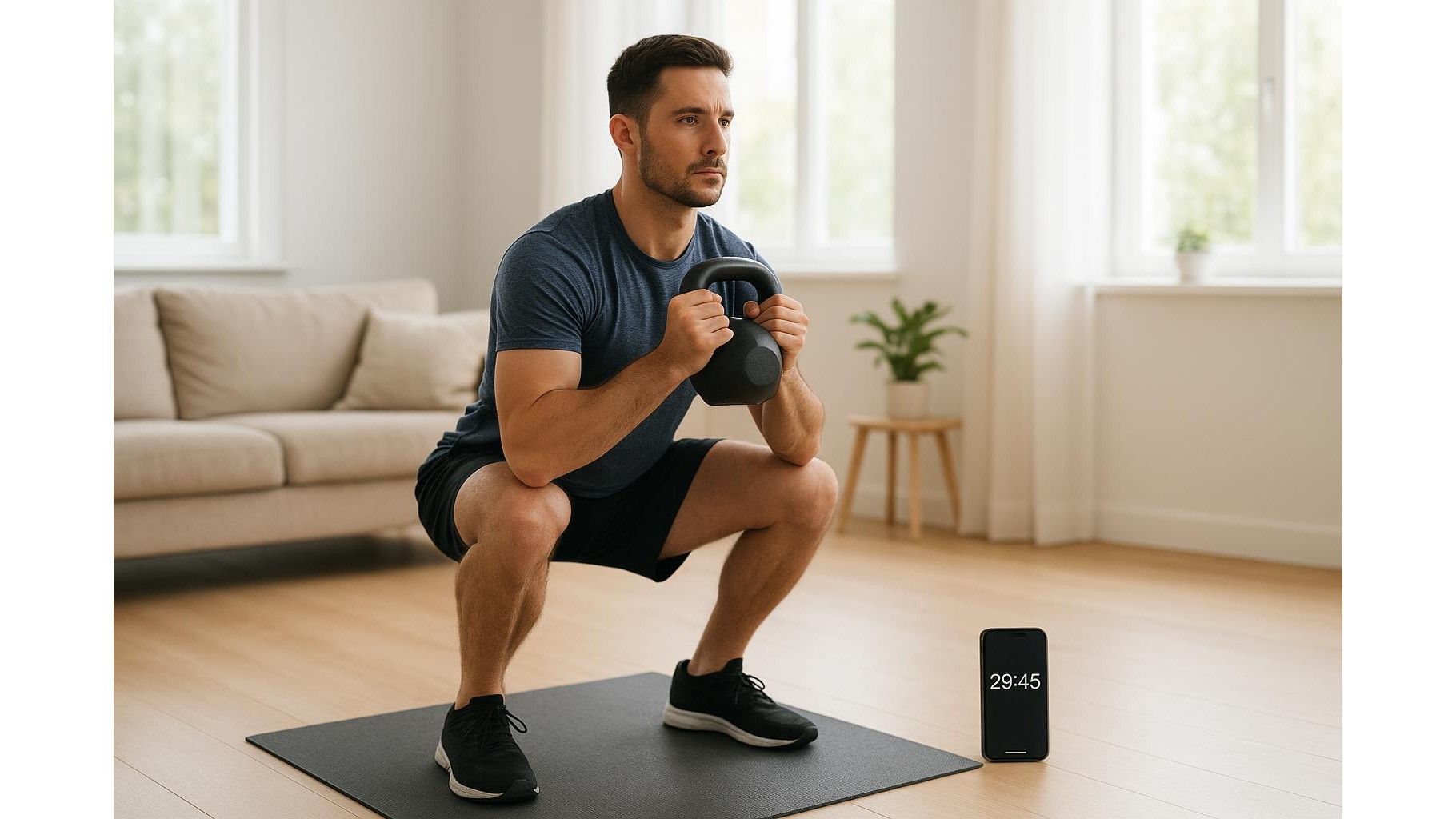
- Kettlebell goblet squat – targets quads, glutes and core.
- Single-arm kettlebell row (left + right) – hits upper back and biceps.
- Kettlebell overhead press (alternate arms each rung) – trains shoulders and triceps.
- Kettlebell swing – explosive hip hinge for power and conditioning.
- Plank on mat – hold for 20–30 seconds instead of counting reps.
Move from one exercise to the next with controlled tempo, resting 30–60 seconds at the end of each rung. Focus on crisp technique: neutral spine on squats and swings, ribs down during presses, and packed shoulders on rows and planks.
Progressions, regressions and safety for every level
The same ladder workout can serve beginners and advanced athletes by adjusting a few variables. If you’re new to kettlebells, start with a lower weight and cap the ladder at 6 reps per exercise, focusing on learning safe hip hinging and bracing. Swap swings for a Romanian deadlift pattern until you master the swing. Intermediate lifters can push to 8–10 reps, shorten rest periods and add a second round of the ladder if they complete it early. Advanced trainees might use a heavier kettlebell and perform clean and presses instead of simple presses. Regardless of level, prioritise joint-friendly technique, avoid bending the lower back in swings and squats, and stop the session if form breaks down.
Fitting the ladder workout into your weekly home routine
This full body 30-minute ladder slots easily into a busy week. You can run it 2–3 times per week on non-consecutive days, or alternate it with lighter mobility and walking days. On particularly hectic days, perform just the 2–4–6 rungs and call it a win; on calmer days, climb the ladder higher or repeat it. Track your progress by noting the highest rung you reach within 30 minutes with clean technique. Over time you’ll see improvements in work capacity, strength and conditioning even though the session is short and requires almost no setup time.
Core and cardio benefits without complex programming
Because the ladder uses multi-joint movements and keeps rest intervals modest, your cardiovascular system is constantly engaged. The combination of goblet squats and swings drives heart rate up, while rows, presses and planks give the upper body and core a powerful stimulus. This means you can maintain or improve cardio fitness, muscular strength and core stability in a single, repeatable session. For home athletes who juggle work, family and limited training space, this approach removes decision fatigue: press start on the timer, pick up your kettlebell, and climb the ladder.
In summary, a full body 30-minute ladder workout with a single kettlebell and a mat delivers a smart blend of strength, cardio and core training using minimal equipment. The ladder format is easy to follow, time-bound and highly scalable, making it ideal for busy home trainees. With consistent practice and attention to form, you’ll build a stronger, leaner and more resilient body without leaving your living room.