Setting up a simple but effective home gym often starts with one key decision: should your main tool be dumbbells or resistance bands? Both can deliver serious strength training, fat loss and mobility work without needing a full rack of machines. Understanding how they differ in feel, versatility, progression and space requirements will help you invest in the option that best fits your body, your goals and your training style.
Table of contents
Understanding how dumbbells and resistance bands load your muscles
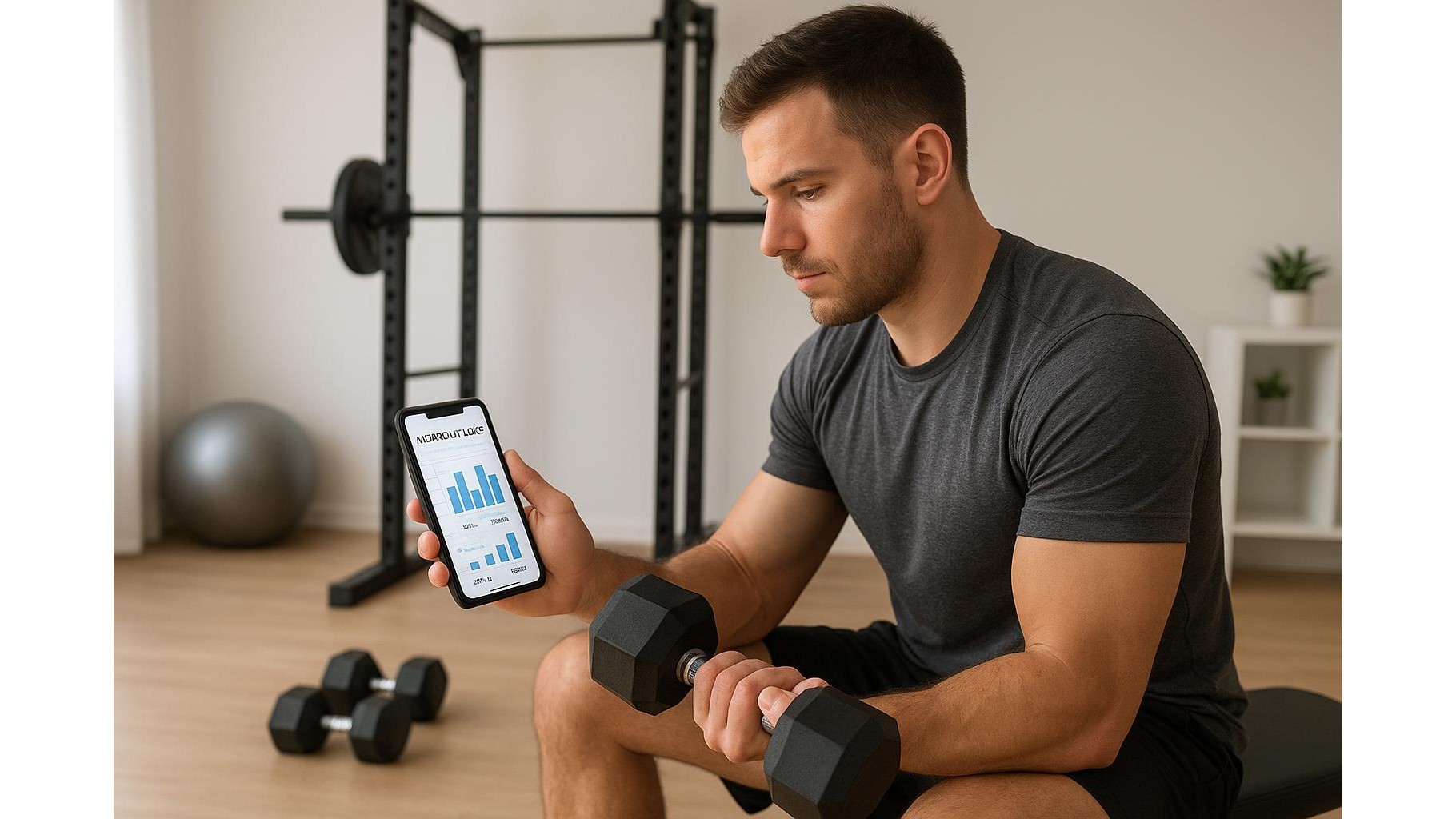
Dumbbells provide a constant, gravity-based load: a 10 kg weight is 10 kg through the full range of motion. This makes them ideal for building maximal strength and for tracking linear progress in exercises like goblet squats, bench presses and rows. Resistance bands, instead, offer variable resistance: the tension increases as you stretch the band. This means lighter load at the start of a movement and more demand near the end range, which is especially joint-friendly for shoulders, elbows and knees. For beginners, this can make technique practice safer; for experienced lifters it creates a different stimulus that complements free weights rather than replacing them.
Space, portability and noise: practical considerations for home gyms
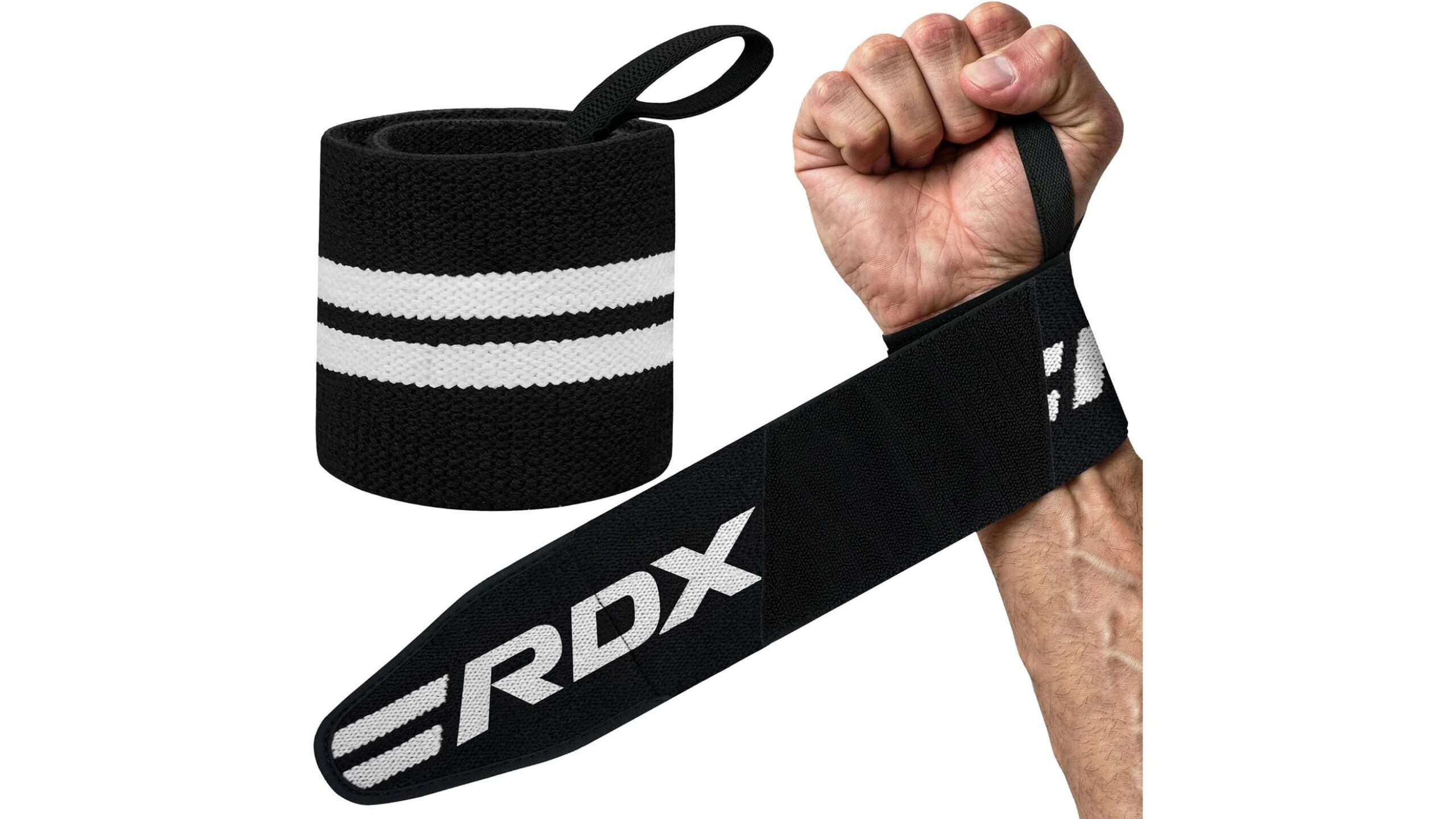
When training at home, space and portability are often decisive. A full pair of adjustable dumbbells can be relatively compact but still heavier, bulkier and noisier when you place them on the floor. Resistance bands, by contrast, weigh almost nothing, roll up into a drawer and make virtually no noise, which is a major advantage for apartment living or late-night workouts. Bands also shine if you travel frequently and want to maintain a consistent training routine in hotel rooms or offices. If your home gym is a corner of your bedroom, bands may be the most convenient main tool, whereas a dedicated garage gym can more easily accommodate dumbbells and a small bench.
Progression, variety and example exercises
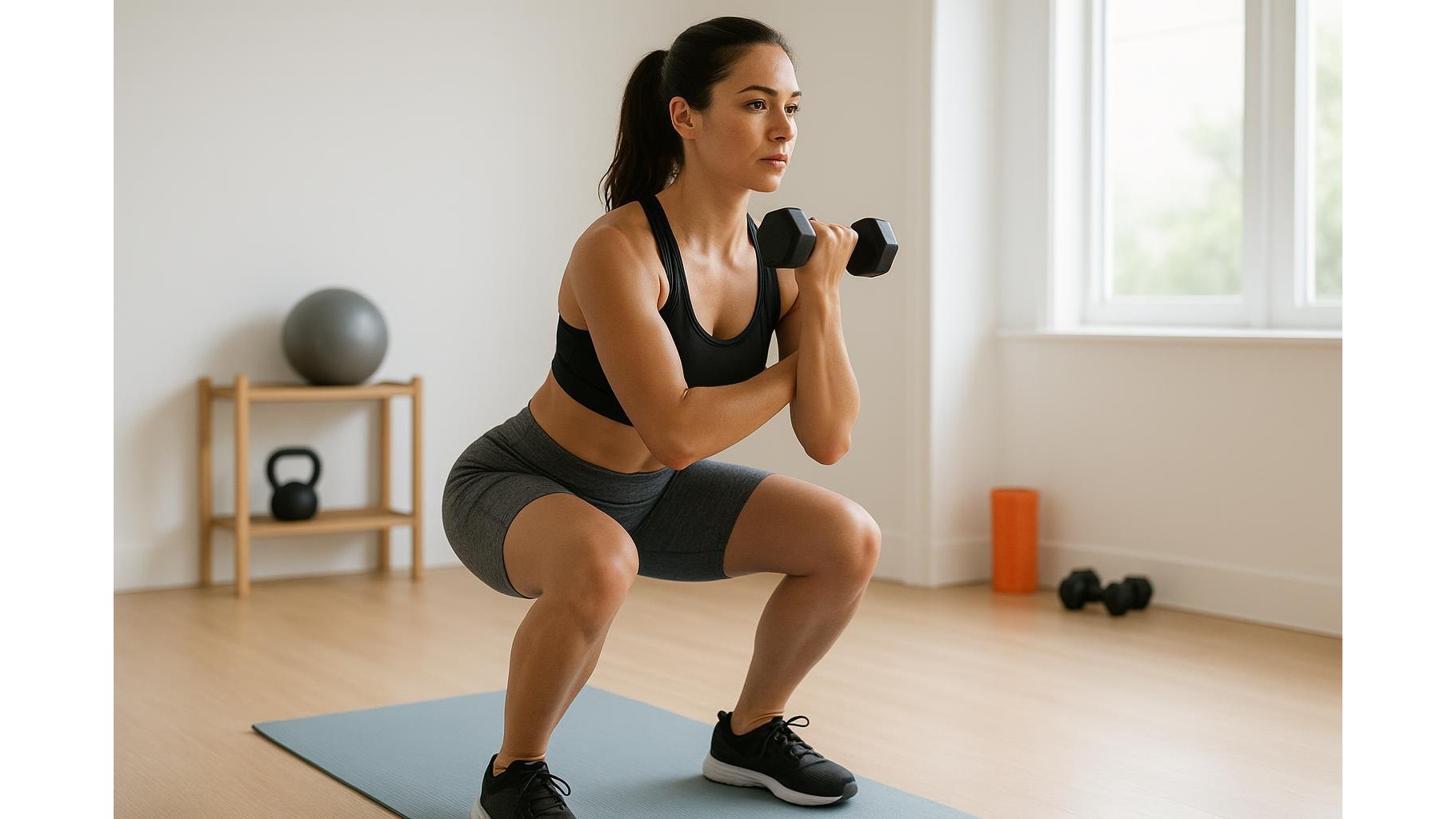
For progressive overload, dumbbells offer clear, measurable jumps: you simply move from one weight to the next. This makes them perfect for classic strength moves like dumbbell squats, Romanian deadlifts, chest presses and single-arm rows. Bands rely on either using thicker bands or increasing stretch, which is slightly less precise but highly versatile. They excel in pulling and accessory work such as band rows, face pulls, triceps pressdowns, glute bridges and lateral walks. For full-body home workouts, dumbbells make heavy lower-body and pressing exercises straightforward, while bands cover high-rep work, warm-ups, mobility and joint-friendly isolation work. Matching exercise selection to your main tool is key to avoiding plateaus.
Pros and cons: choosing based on goals, experience and joints
If your main goal is strength and muscle gain with a traditional gym feel, and you have no major joint issues, dumbbells are usually the better primary tool. They are intuitive, easy to load heavy and ideal if you eventually plan to transition to barbell training. The downside is higher cost per kilogram and greater space requirements. Resistance bands, on the other hand, are more affordable, portable and gentle on joints, making them an excellent choice for beginners, older lifters or anyone rehabbing minor aches. Their limitations show when you outgrow the available tension for heavy leg work or pressing; at that point, bands alone may not provide enough overload for advanced strength levels.
Hybrid solutions: why many home gyms combine both tools
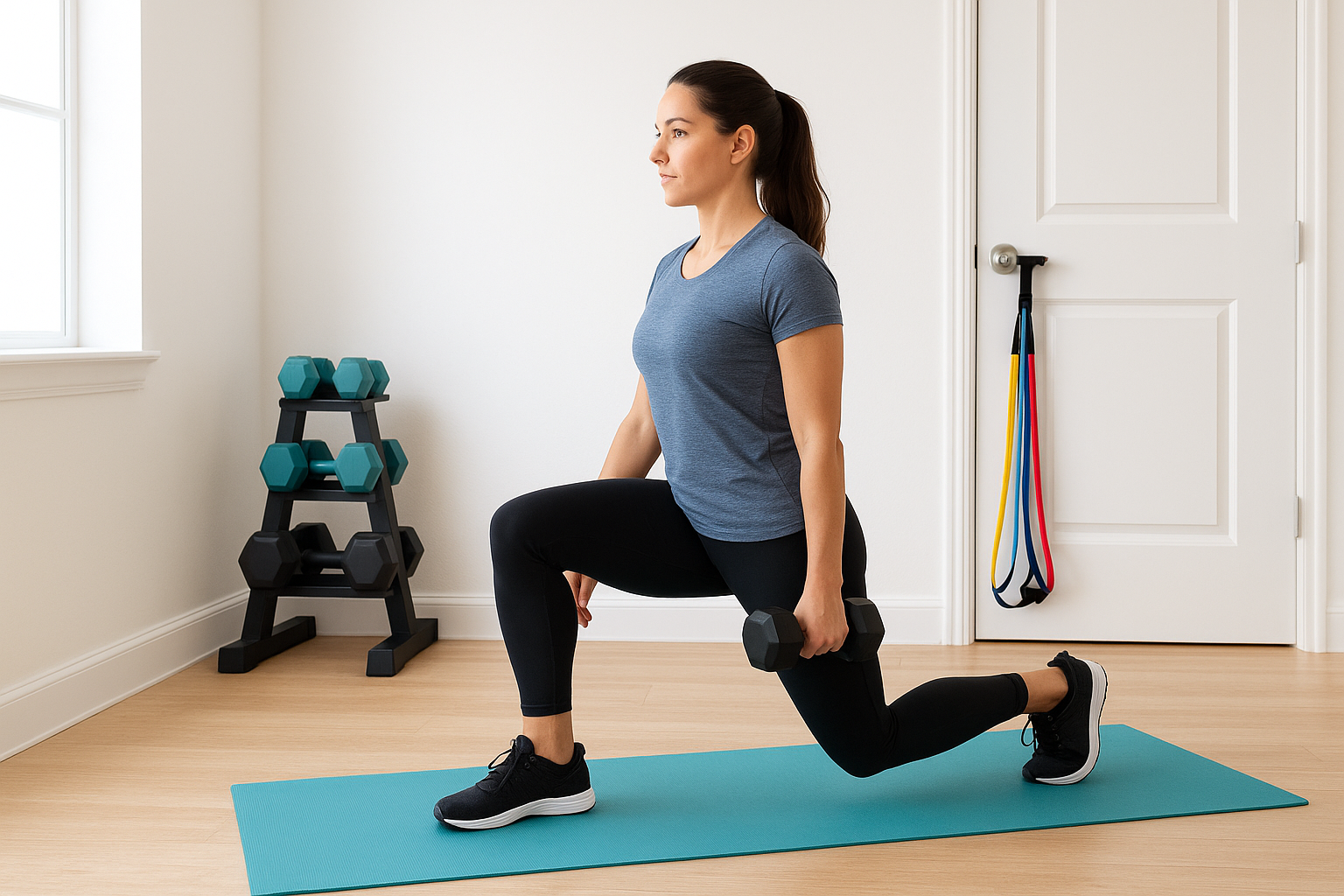
For many home athletes, the most effective setup is a hybrid system: use dumbbells as your main loading tool for compound lifts, and supplement with resistance bands for warm-ups, joint-friendly assistance work and travel training. You might prioritise dumbbells for squats, lunges and presses, while bands take care of rows, rotator cuff work, hip activation and metabolic finishers. This approach balances the precision and strength potential of free weights with the versatility and joint-friendliness of elastic resistance. Even if you start with just one tool, planning to add the other over time will future-proof your home workout routine and keep training engaging and effective.
In summary, both dumbbells and resistance bands can anchor a powerful home gym setup. Choose dumbbells as your primary tool if you want maximum strength, clear progression and a gym-like feel, provided you have the space and budget. Choose resistance bands if portability, quiet use and joint comfort are your top priorities, or if you train in very limited space. The smartest long-term strategy is often to see them not as rivals but as complementary tools: start with the one that best fits your current reality, then gradually combine both to build a flexible, sustainable and highly effective home training environment.