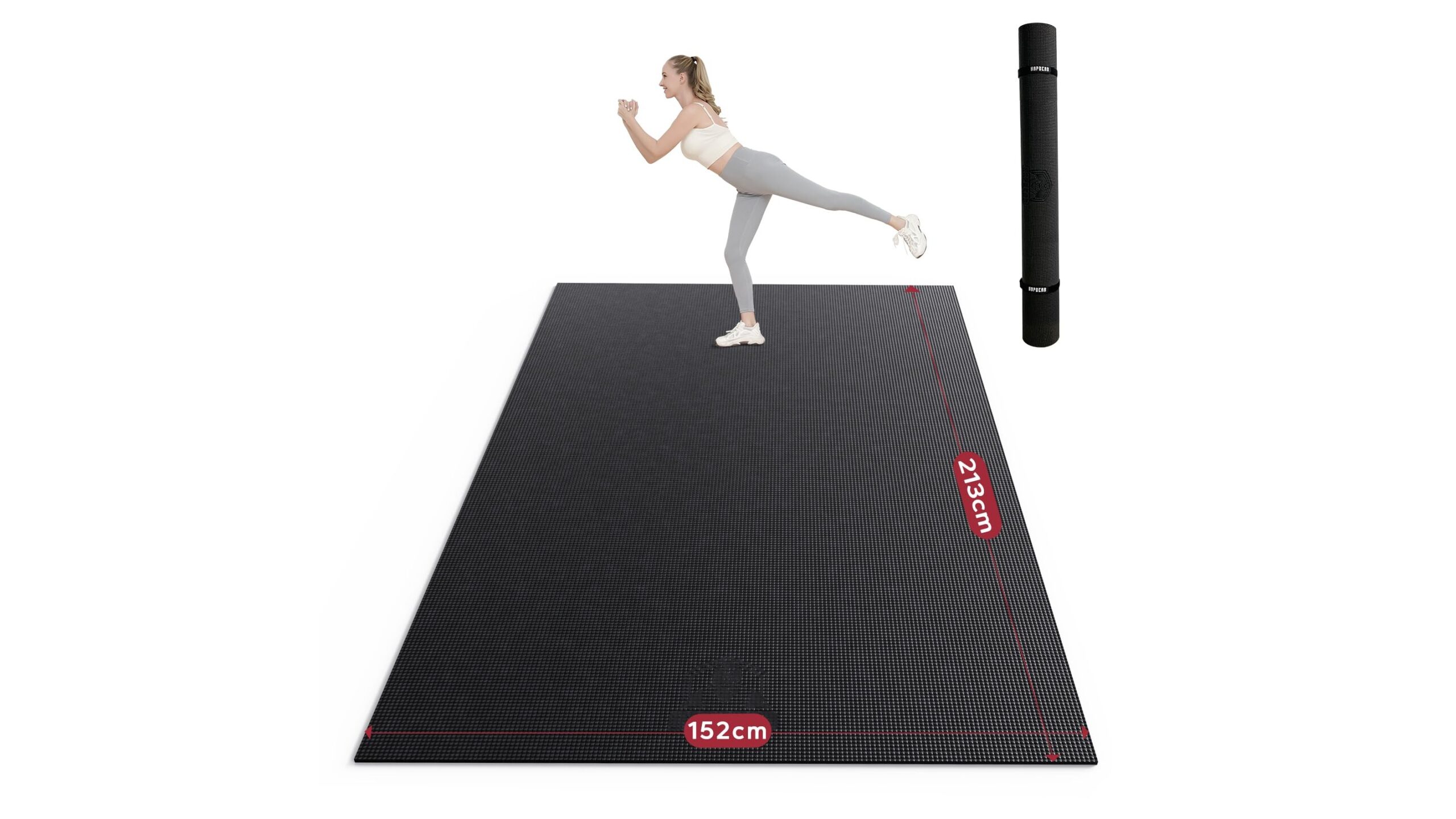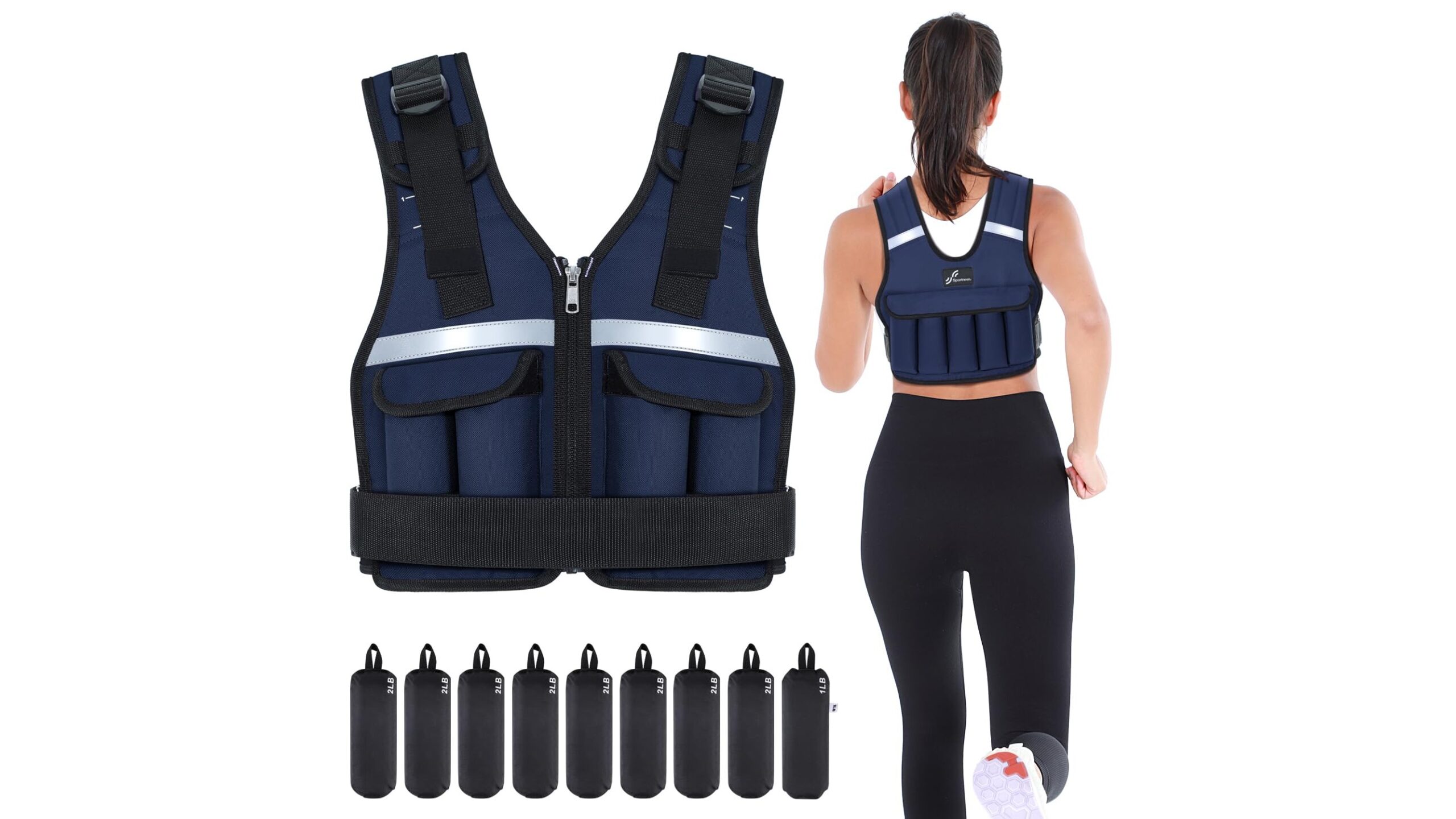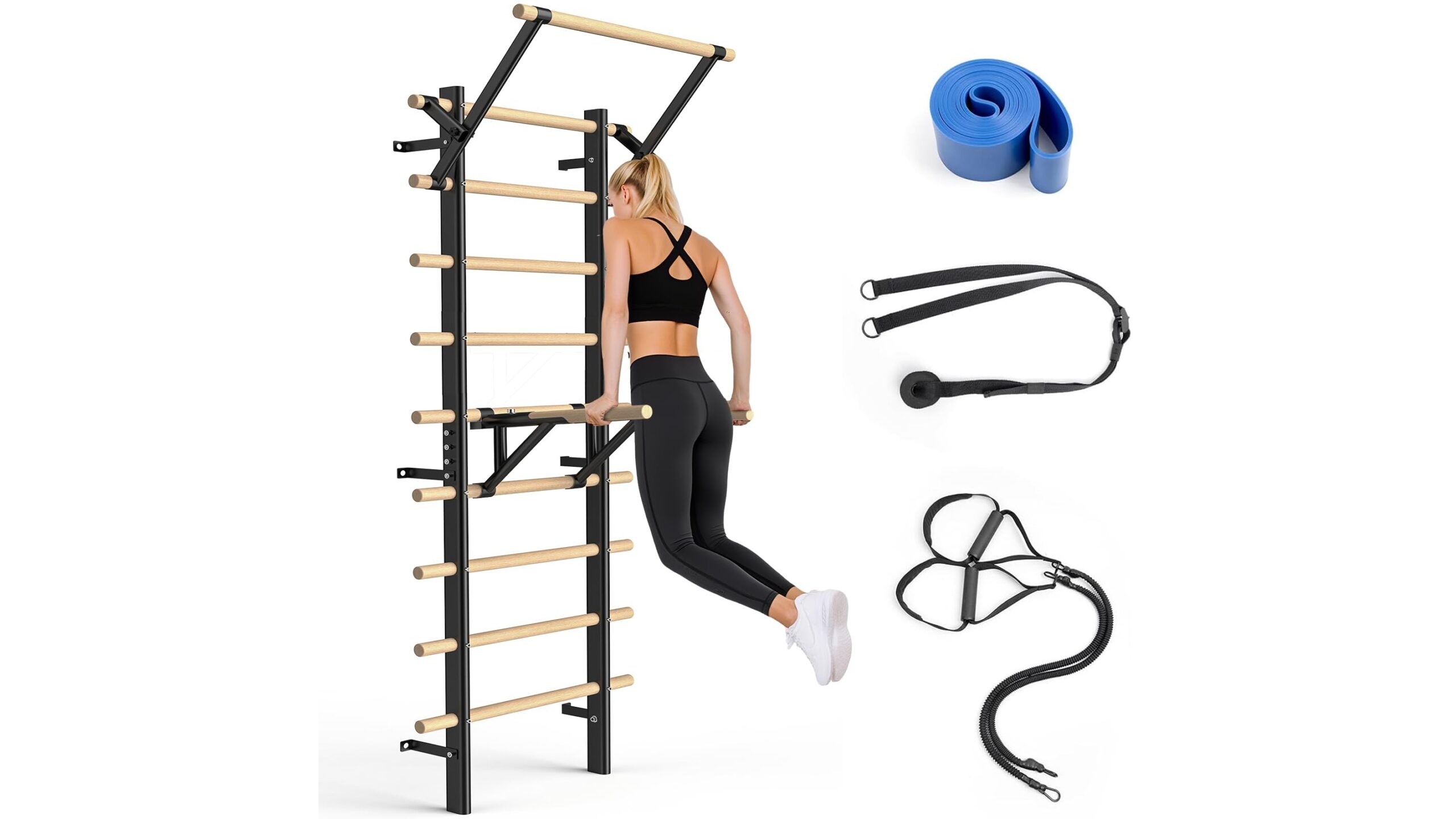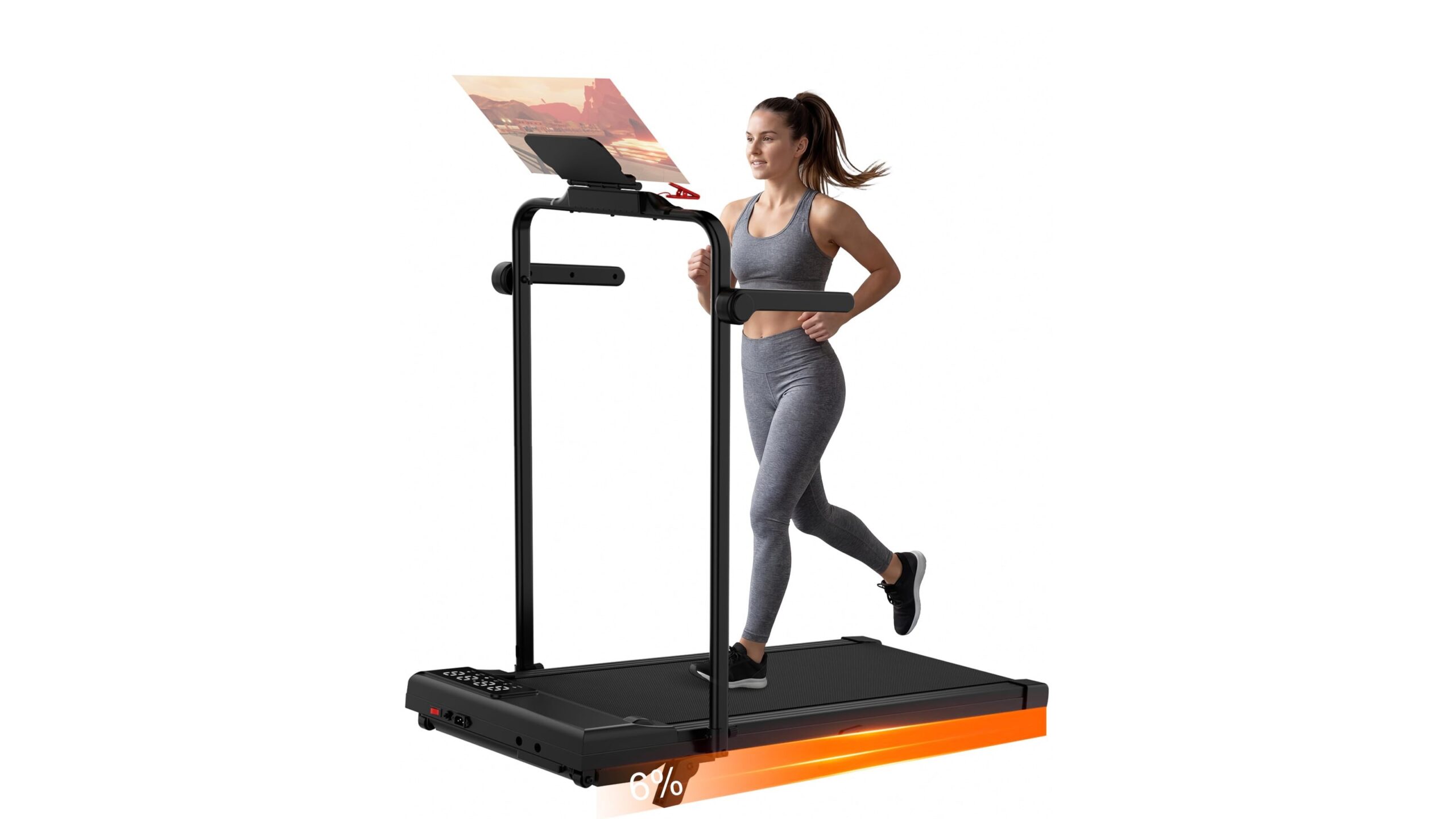
Designing a realistic body recomposition home plan means balancing fat loss and muscle gain with a schedule you can actually follow. This 4‑day split uses basic home gym equipment and smart progressions so you can train efficiently, recover well and steadily improve your physique without leaving your living room.
Table of contents
Essential home equipment for body recomposition
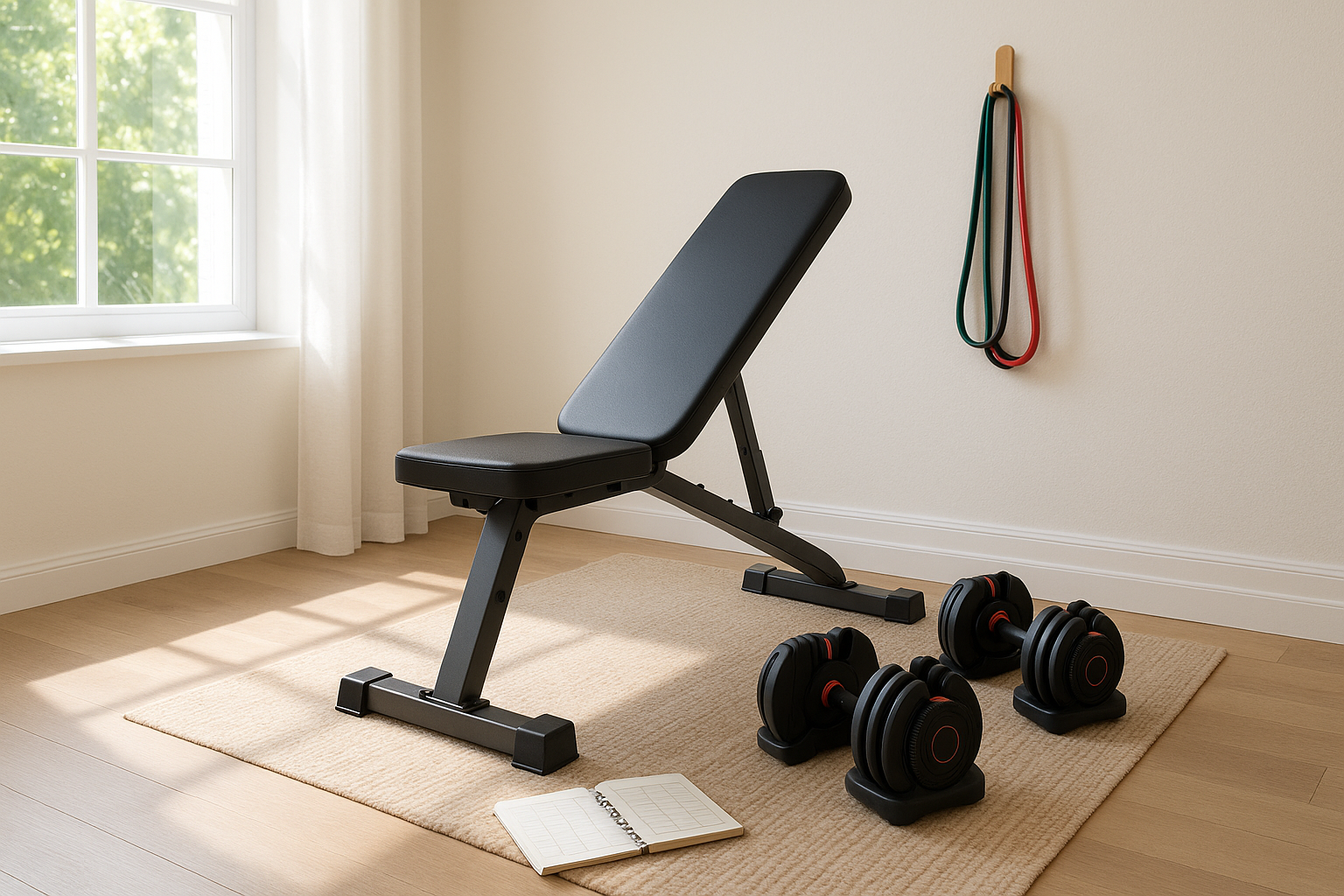
For an effective 4‑day split at home, you only need a few key tools. A pair of adjustable dumbbells lets you load upper and lower body lifts without filling your house with plates. A sturdy flat or adjustable bench supports presses, rows and step‑ups. Add a set of resistance bands for warm‑ups, pull‑apart rows, face pulls and assisted core work. These basics allow you to push major movement patterns: squat, hinge, push, pull and carry. If you want extra conditioning for fat loss, a simple skipping rope or step platform is plenty; you don’t need large machines to get results.
Structuring your 4-day home split
This 4‑day split workout alternates between upper and lower body, with a mix of compound and accessory work. A simple weekly layout is: Day 1 – Upper (push emphasis), Day 2 – Lower (squat emphasis), Day 3 – rest or light activity, Day 4 – Upper (pull emphasis), Day 5 – Lower (hinge/glutes emphasis), Days 6–7 – rest or low‑intensity cardio. Aim for 45–60 minutes per session, starting each workout with 5–8 minutes of light cardio and mobility drills, then 3–4 compound lifts and 2–3 accessories. Keep a training log so you can track reps, loads and rest times, which is crucial for steady recomposition progress.
Example upper body sessions at home
On the first upper day, focus on pushing: dumbbell bench press on a flat or incline bench, overhead presses, and push‑ups. Add accessory moves like dumbbell lateral raises and triceps extensions. On the second upper day, switch to pulling: one‑arm dumbbell rows braced on the bench, band pull‑aparts, curls and band face pulls. For muscle gain and hypertrophy, work in the 8–12 rep range for most sets, with 2–3 minutes rest on big lifts and 60–90 seconds on accessories. Emphasize controlled tempos and full range of motion; at home, quality of each rep often matters more than chasing heavier weights quickly.
Example lower body and core sessions
Your first lower day centers on squats and unilateral work. Do goblet squats with a dumbbell, Bulgarian split squats using the bench, and walking lunges. Add banded hip abductions and calf raises. The second lower day emphasizes the hinge pattern: Romanian deadlifts with dumbbells, hip thrusts using your bench, and banded good mornings. Finish each session with 2–3 core exercises like planks, dead bugs and band‑resisted rotations. Work mostly in 8–15 reps, keeping 1–2 reps in reserve to manage fatigue. This combination of heavy legs and focused core training supports both fat loss and a more athletic, balanced look.
Progression, recovery and fat loss strategies
For effective body recomposition, progressive overload and recovery must be planned. Progress by adding a small amount of weight, a couple of reps, or an extra set each week on key lifts, while avoiding form breakdown. For fat loss, keep a slight calorie deficit and add 2–3 short conditioning blocks per week: 10–15 minutes of brisk step‑ups, skipping or fast walking after lifting works well. Prioritize sleep and at least one full rest day. If you feel worn down, reduce volume for a week rather than skipping all training. Over time, this structured, sustainable 4‑day home split helps you gain muscle, drop body fat and maintain your routine long term.
In summary, a well‑planned body recomposition home plan doesn’t require an elaborate gym, just smart programming and consistent effort. With a 4‑day upper/lower split, basic tools like dumbbells, a bench and resistance bands, and clear progression and recovery strategies, you can build muscle and lose fat from home. Stick to the schedule, track your lifts and adjust your nutrition to support your goals, and you’ll see your physique steadily transform.