Building a strong, balanced upper body at home is absolutely possible with just a pair of dumbbells and a smart plan. This 40‑minute push–pull workout is designed for beginners who want to develop the chest, back and arms without complicated equipment or crowded gyms. You’ll alternate pushing and pulling movements to train opposing muscle groups, improve posture and keep your joints happy while you get stronger.
Table of contents
Why a push–pull routine works for beginners
A push–pull split groups exercises by movement pattern rather than by single muscle. Push exercises target chest, shoulders and triceps through pressing motions, while pull exercises work the back and biceps through rowing or pulling. Alternating these in one home session helps keep fatigue under control and avoids overworking one area. For beginners training with dumbbells at home, this structure makes planning simple, boosts overall upper‑body balance and reduces the risk of common overuse issues around the shoulders and elbows.
Essential equipment for your home push–pull workout
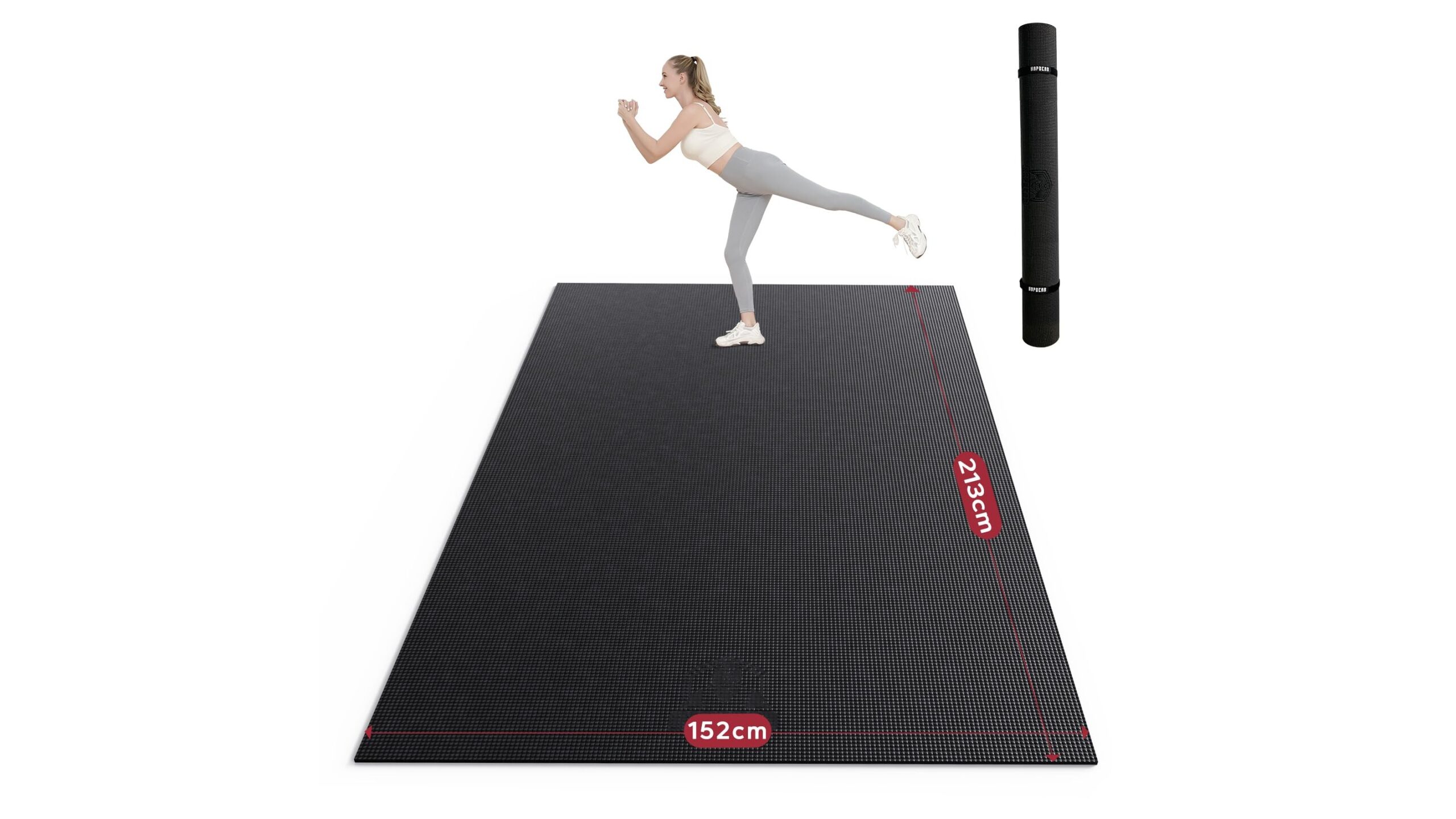
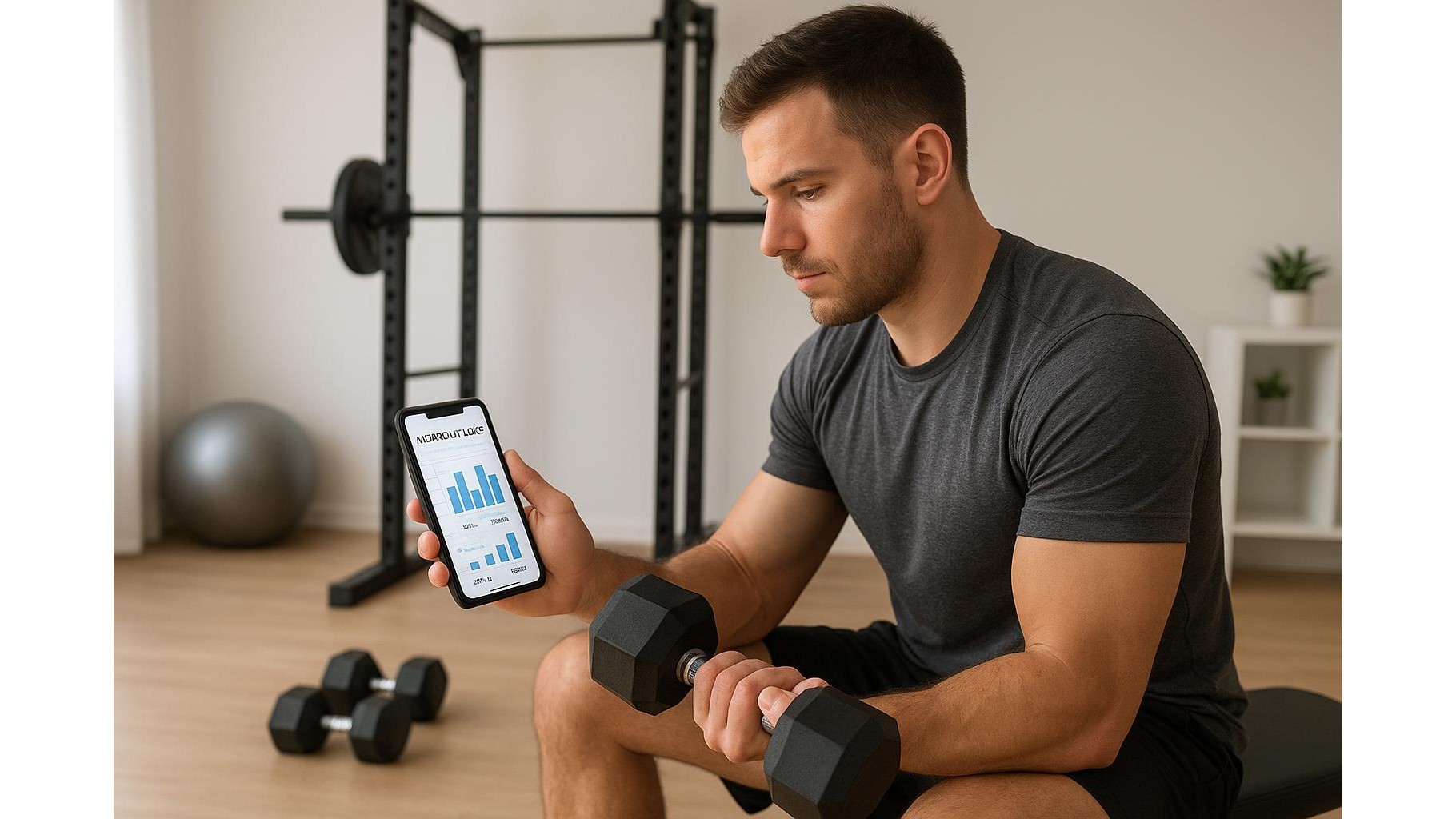
To follow this 40‑minute routine you only need floor space, a mat and a reliable pair of dumbbells. A good choice is a compact, adjustable pair that lets you change weight quickly between push and pull sets, keeping rest periods short and intensity high. Look for dumbbells with secure locking mechanisms and a comfortable non‑slip grip so you can press and row safely through every rep. An adjustable set also lets you start light as a beginner and gradually increase the load as your strength and technique improve, which is key for long‑term progress and motivation.
Warm‑up and structure of the 40‑minute session
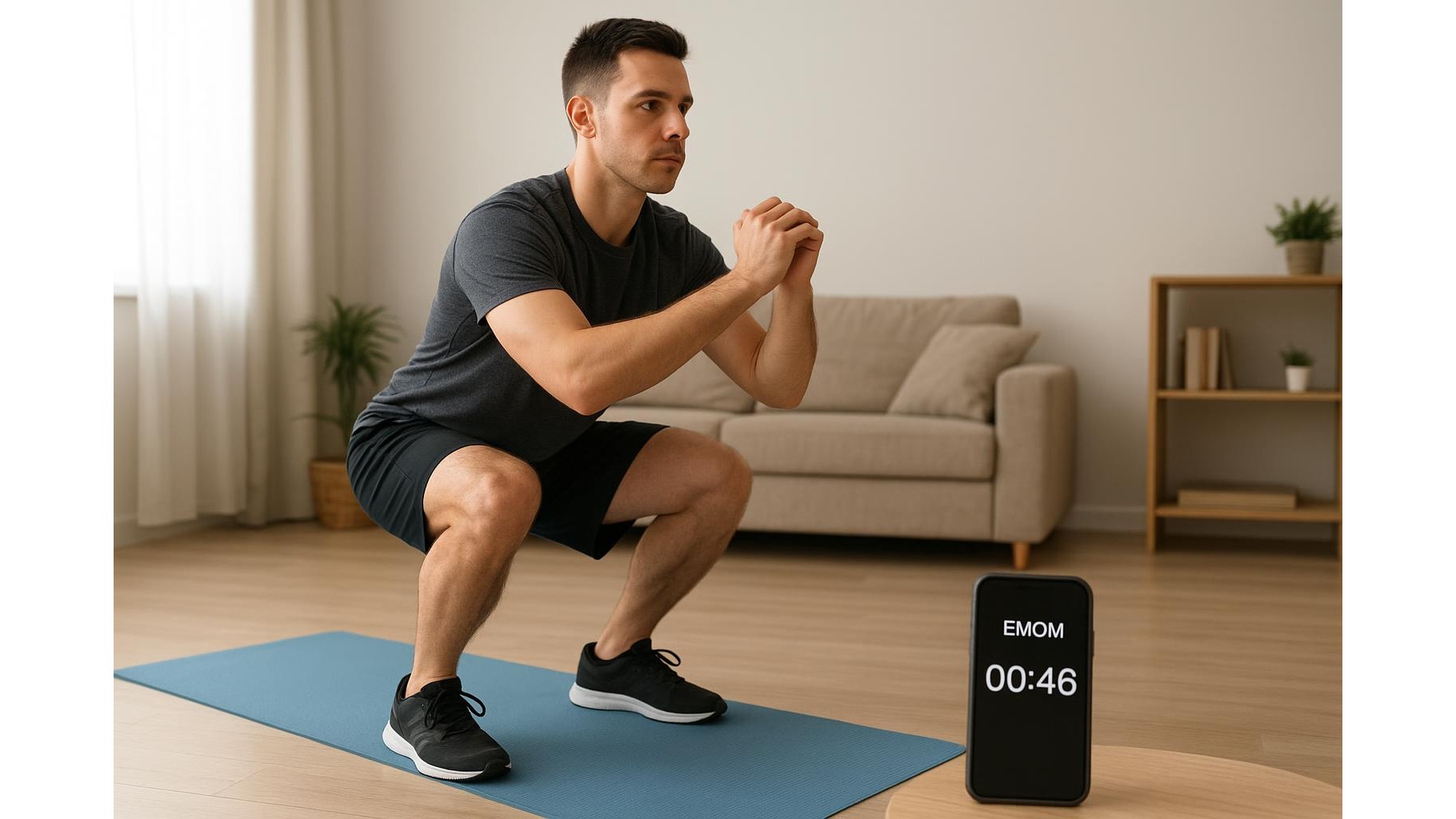
Before lifting, spend 5–8 minutes on a dynamic warm‑up: arm circles, band pull‑aparts (if available), wall slides and light push‑ups on an elevated surface. This prepares your shoulders and elbows for pressing and rowing. The main session is organised into three circuits. Circuit A focuses on primary push and pull movements, Circuit B on secondary angles and arms, and Circuit C on lighter finishing work and stability. Work for roughly 35 seconds per exercise with 25 seconds rest, then rest 60–90 seconds between circuits. This structure fills about 40 minutes including warm‑up and short breaks while keeping intensity appropriate for beginners.
Circuit A: main push–pull strength block
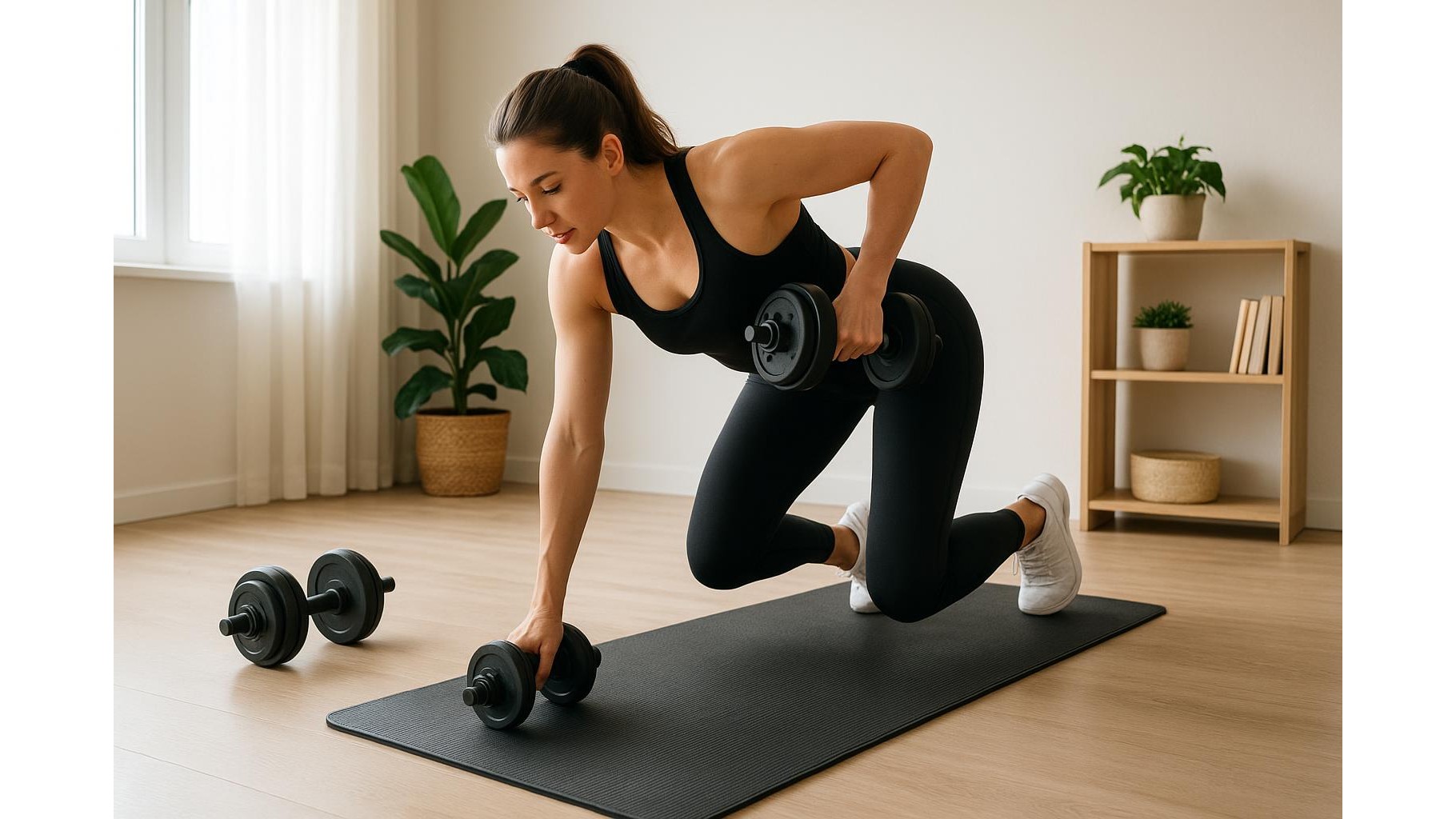
Start with flat dumbbell floor press for your main push: lie on your back, elbows at about 45 degrees, and press the dumbbells straight up while keeping your shoulder blades pulled back. Pair this with a one‑arm dumbbell row, using a bench or sturdy chair for support; focus on pulling the weight towards your hip to hit the lats. Perform 3 rounds alternating these two exercises. This pairing trains the chest and back evenly, encouraging upper‑body balance right from the beginning of your home journey. Keep the load light enough to maintain smooth control but heavy enough that the last few reps feel challenging.
Circuit B: shoulders, arms and extra back work
Next, move to dumbbell shoulder presses and bent‑over reverse flyes. Presses build the front and middle delts, while reverse flyes target the rear delts and upper back, which are crucial for good posture, especially if you sit a lot during the day. Follow these with dumbbell hammer curls to strengthen the biceps and forearms, and dumbbell triceps extensions to balance the upper arm. Rotate smoothly between these movements for 2–3 rounds. The goal here is not maximal weight, but learning solid technique and building stamina across all key pushing and pulling muscles.
Circuit C: core, stability and controlled finisher
Finish the workout with a short stability‑focused block. Include dumbbell floor pullovers to connect chest, lats and core; lie on your back, hold a single dumbbell above your chest and slowly reach it back behind your head, keeping ribs down. Follow with a plank dumbbell drag, dragging a single dumbbell from side to side under your chest while holding a strong plank. This not only engages your mid‑back and shoulders but also trains anti‑rotation core strength. One or two rounds of this circuit are enough to leave your upper body thoroughly worked without overwhelming a beginner.
By following this structured 40‑minute beginner dumbbell push–pull home workout two or three times per week, you can build strength, muscle balance and confidence using minimal equipment. Focus on smooth control, full ranges of motion and steady breathing rather than chasing heavy loads too early. Combined with a sensible approach to recovery and daily activity, this simple push–pull routine can be a powerful foundation for long‑term upper‑body progress in your home gym.