A 20-minute no-jump home workout can deliver serious fat loss without annoying the neighbors—even in the smallest flat. This low‑impact, equipment‑free routine focuses on controlled, quiet movements that raise your heart rate, strengthen your muscles and improve mobility. You will alternate upper body, lower body and core exercises to keep intensity high while keeping noise low. Follow the beginner version first, then use the intermediate progressions to continue challenging yourself safely.
Table of contents
Why no-jump workouts burn fat effectively
Many people assume you must perform high‑impact moves to burn fat, but a no‑jump workout can be just as effective when you manage work intervals, short rests and full‑body activation. By moving continuously for 20 minutes with minimal breaks, you elevate your heart rate into a sustainable fat‑burning zone while protecting your joints. Slow, controlled repetitions also increase time under tension, which helps maintain and build lean muscle mass—key for raising your resting metabolism. Because everything is quiet and low impact, this plan is ideal for apartments, shared houses and late‑night training sessions.
How the 20-minute structure works
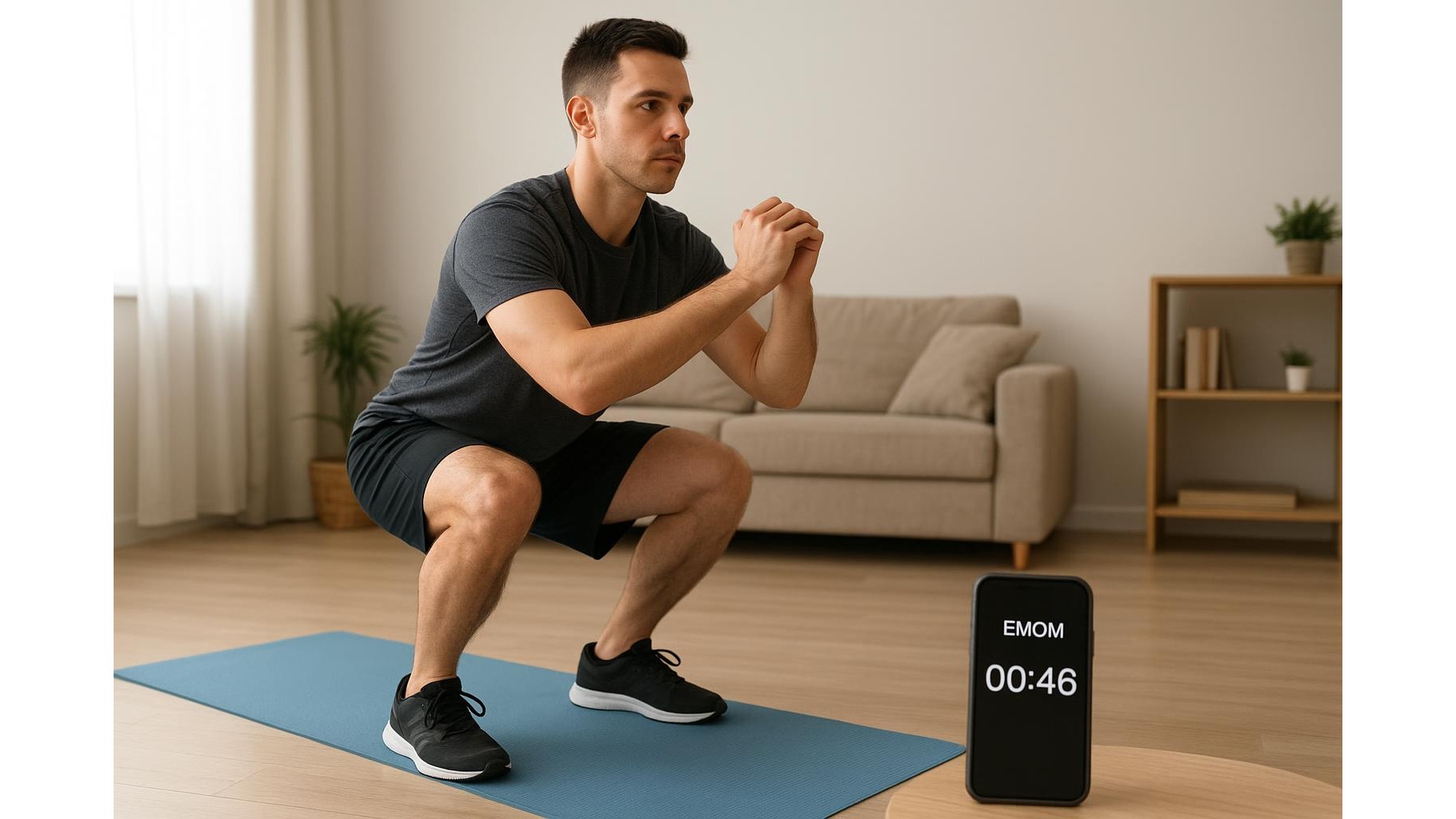
This 20-minute home workout uses simple intervals: 40 seconds of work followed by 20 seconds of rest, for a total of 10 rounds. You will complete one full circuit of five exercises and repeat it twice. The circuit includes a lower‑body squat pattern, an upper‑body push, an upper‑body pull / posture drill, a core exercise and a cardio‑style low‑impact move. Beginners can reduce each work interval to 30 seconds and add 30 seconds of rest between circuits. Intermediates should stay with 40/20, pushing for more total repetitions while keeping every movement controlled and quiet. Always start with a 3‑minute warm‑up of marching in place, arm circles and gentle hip circles.
The quiet full-body circuit
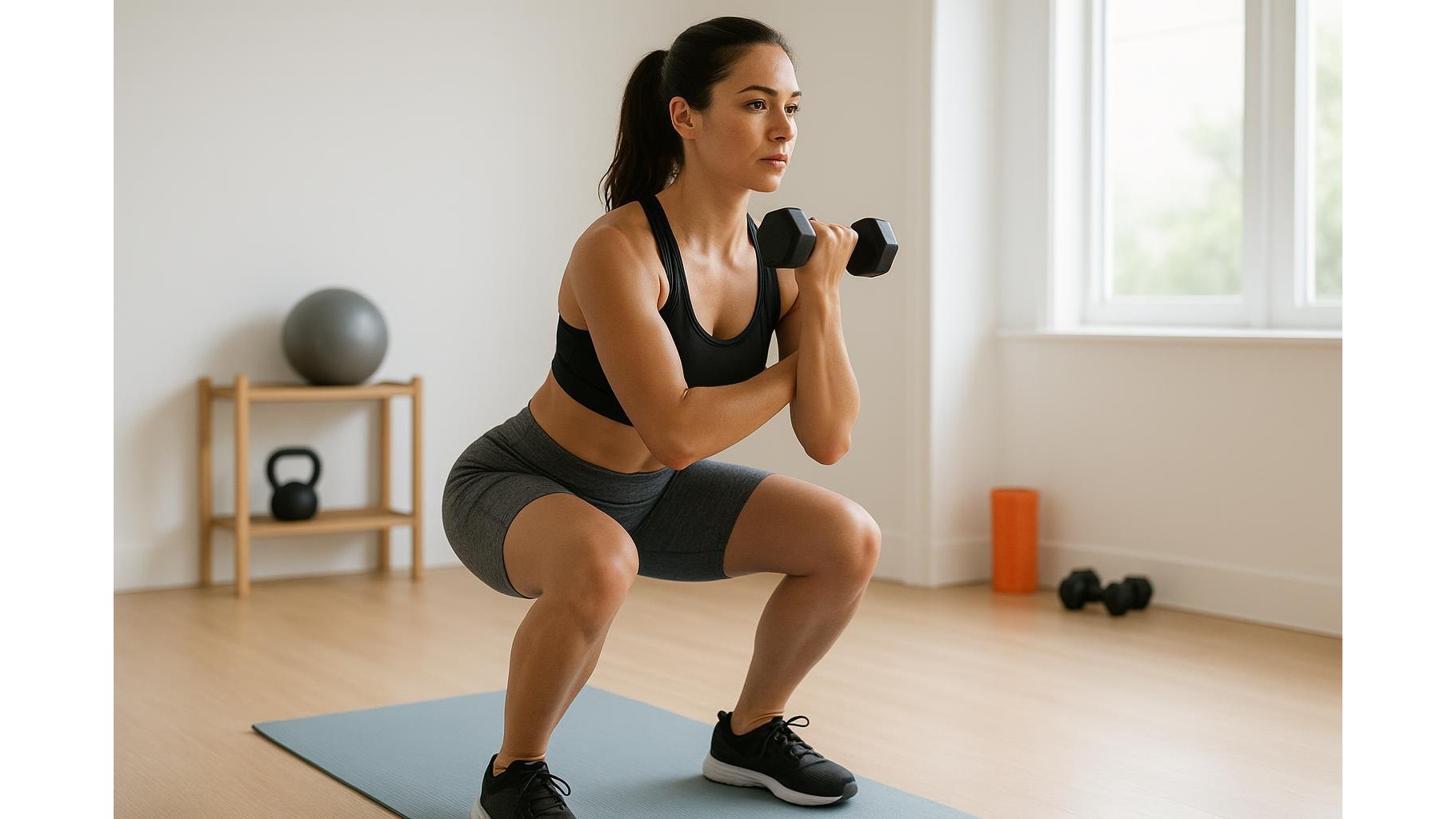
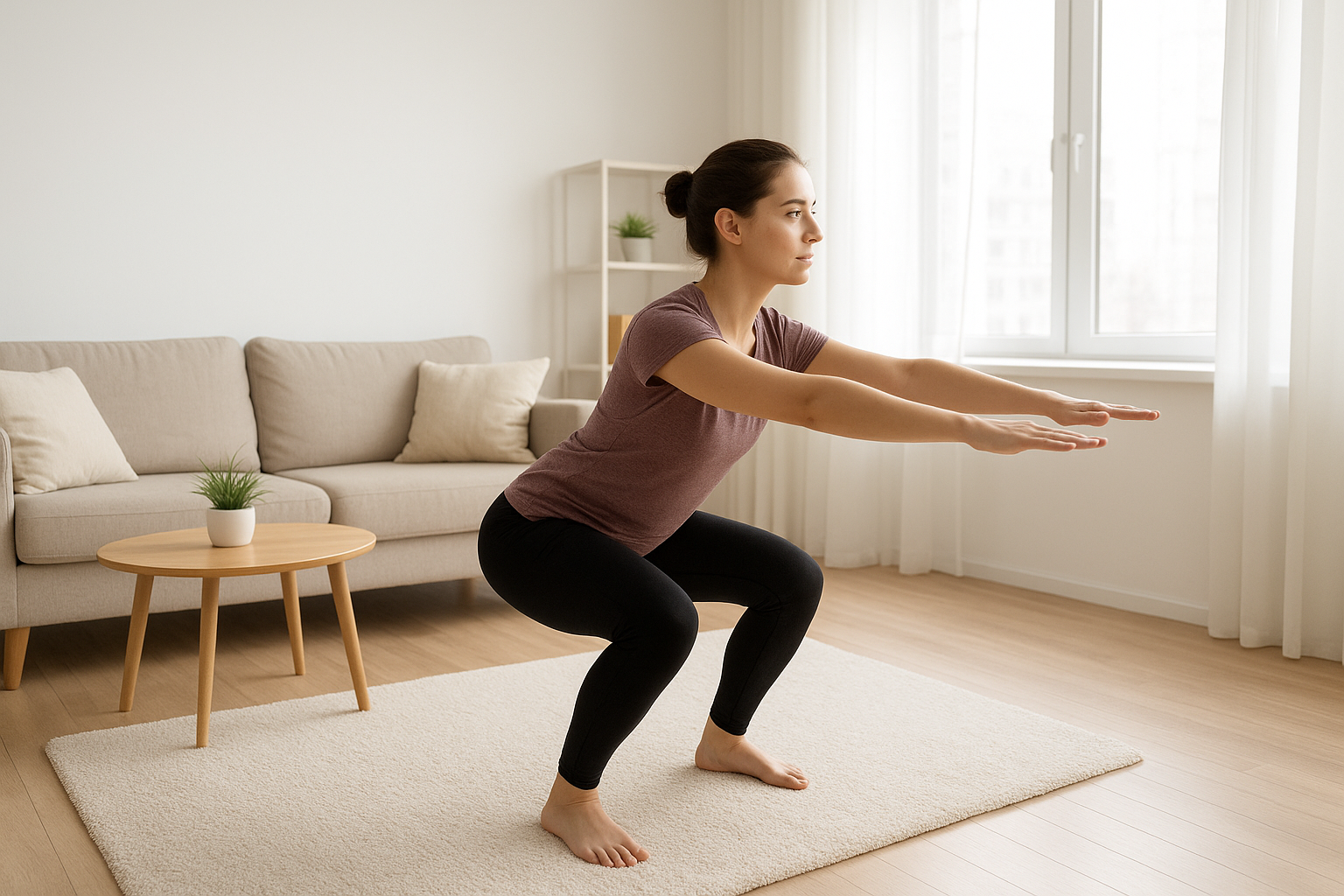
Exercise 1 is a chair or wall squat: stand feet hip‑width apart, sit your hips back as if into a chair, pause, then drive through your heels to stand, keeping knees tracking over toes. Exercise 2 is an incline wall push‑up: hands on the wall at shoulder height, step back and lower your chest toward the wall with a straight body line, then press away. Exercise 3 is a reverse lunge to balance: step one foot back into a lunge, then drive the rear knee forward to a gentle knee lift, switching sides each rep. Exercise 4 is a dead bug for the core: lying on your back, arms up and knees bent at 90 degrees, slowly extend the opposite arm and leg without letting your lower back arch. Exercise 5 is a low‑impact step‑out: stand tall, step one foot to the side while sweeping your arms forward, then return and repeat to the other side, keeping feet close to the floor to minimise noise.
Beginner and intermediate progressions
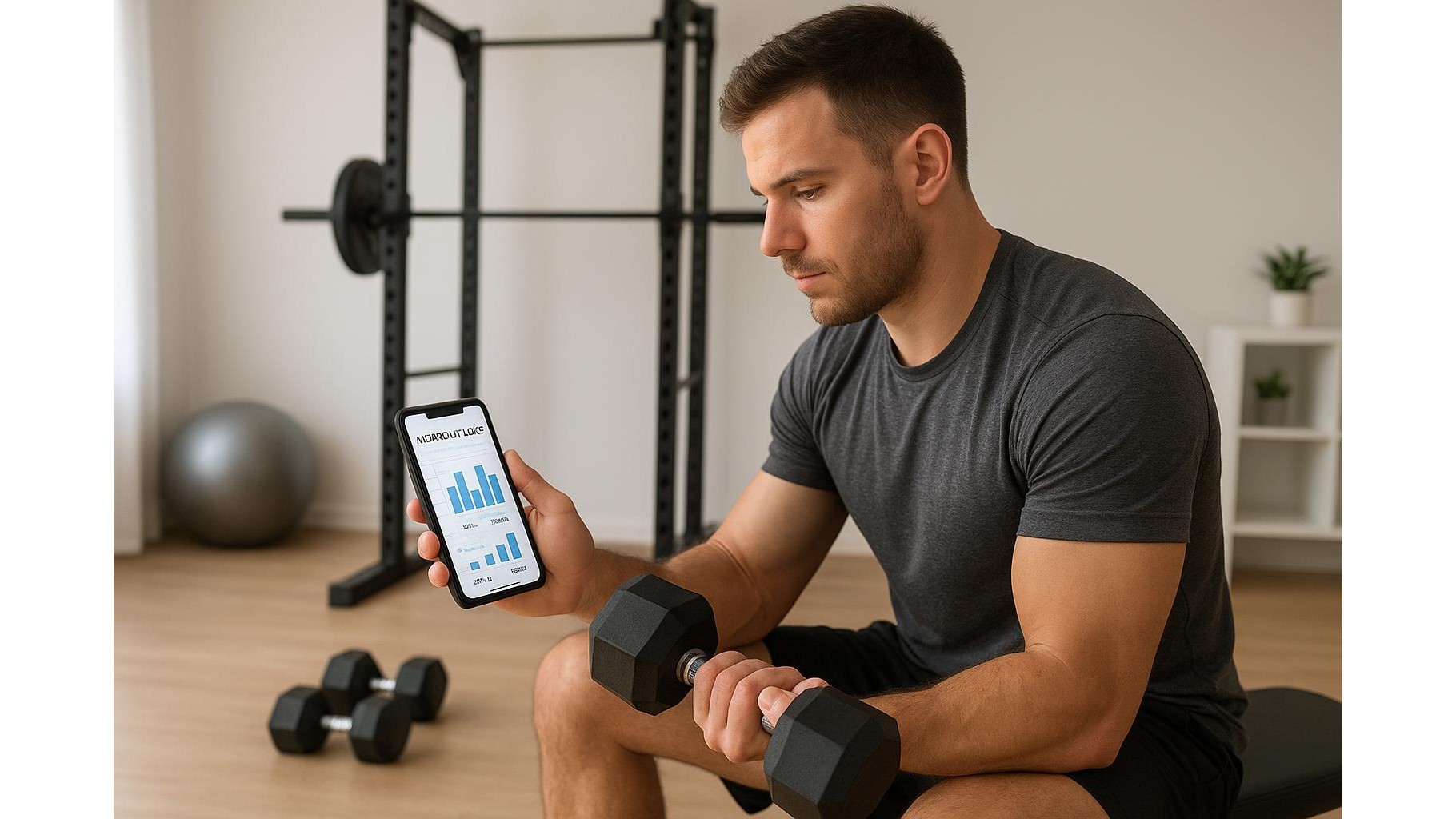
Beginners should prioritise movement quality over speed. Hold on to a counter or sturdy surface during squats and lunges, elevate your hands higher on the wall for push‑ups and shorten the range of motion as needed. Take extra rest if your breathing feels too intense to maintain a conversation. Intermediates can progress by deepening squats and lunges, stepping feet farther from the wall in push‑ups and adding a slow tempo—for example three seconds down, one second up. You can also turn the step‑out into a quiet skater step, gently reaching one leg back on a diagonal while keeping your landing soft and silent. Track your reps each round so you can see concrete improvements week by week.
Making your apartment workout safer and more comfortable
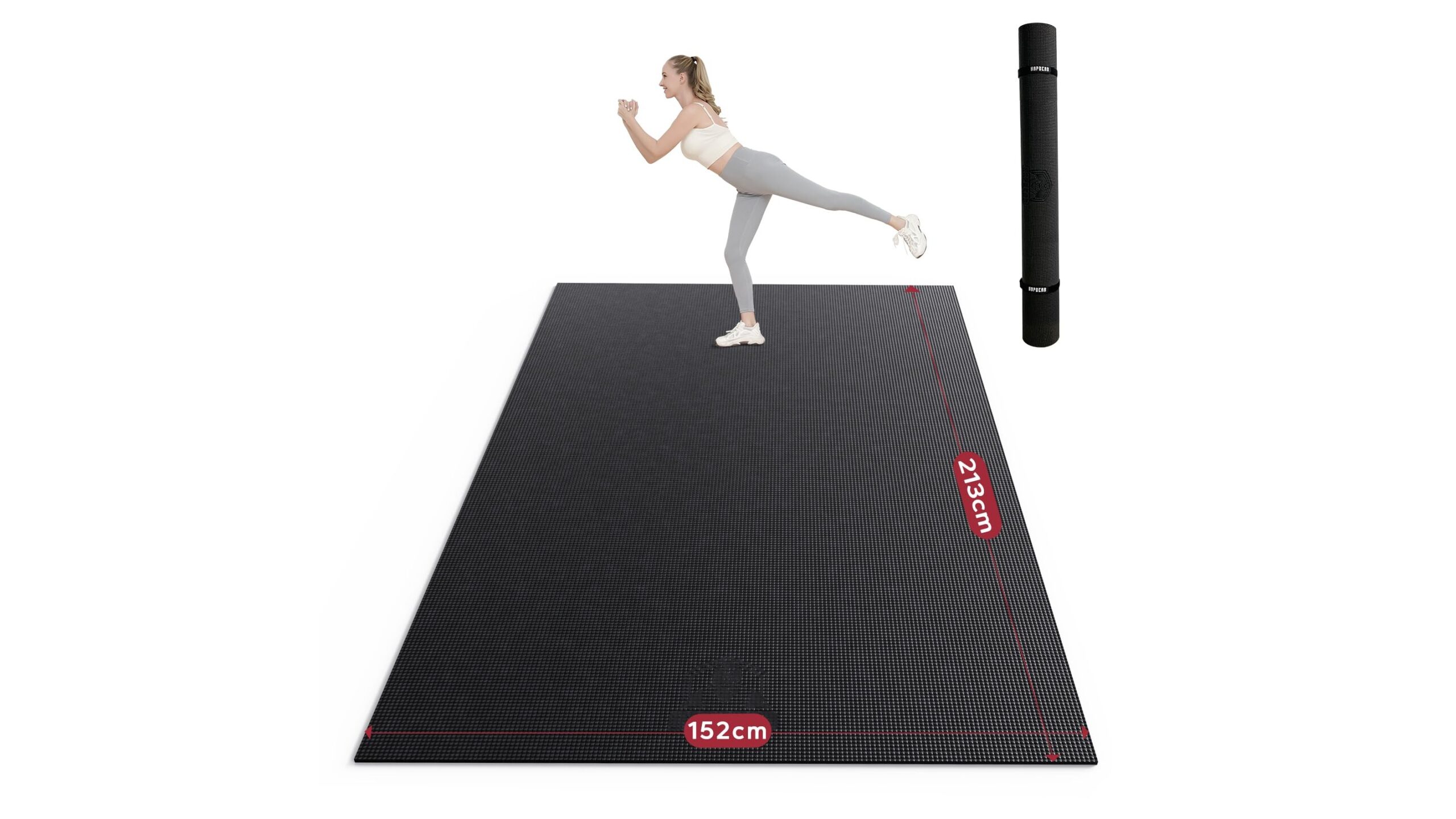
Even without equipment, a few small tweaks make this neighbors‑friendly workout smoother. Train on a folded towel or thick rug to cushion your knees and reduce sound transfer through the floor. Choose shoes with good cushioning if you have sensitive joints, or go barefoot on a soft surface to improve foot stability. Keep your movements vertical and controlled—no stomping, no hopping, no sudden drops. Focus on nasal breathing when possible and exhale during the effort phase of each rep. If any exercise causes joint pain, swap it for a similar motion, such as replacing lunges with mini step‑backs or wall sits. Consistent, comfortable training will always beat sporadic, all‑out sessions.
Staying consistent for sustainable fat loss
This 20-minute no‑jump home workout is designed to be realistic, quiet and sustainable. Perform it three to five times per week, leaving at least one full rest day from strength‑focused training. Pair the routine with daily walks, a modest calorie deficit and adequate protein intake to support muscle recovery. As the exercises become easier, progress by adding another circuit, increasing work intervals or slowing the tempo to keep your muscles challenged. Over time, you will notice improved stamina, better posture and more defined muscles—without ever leaving your living room or disturbing the neighbors.