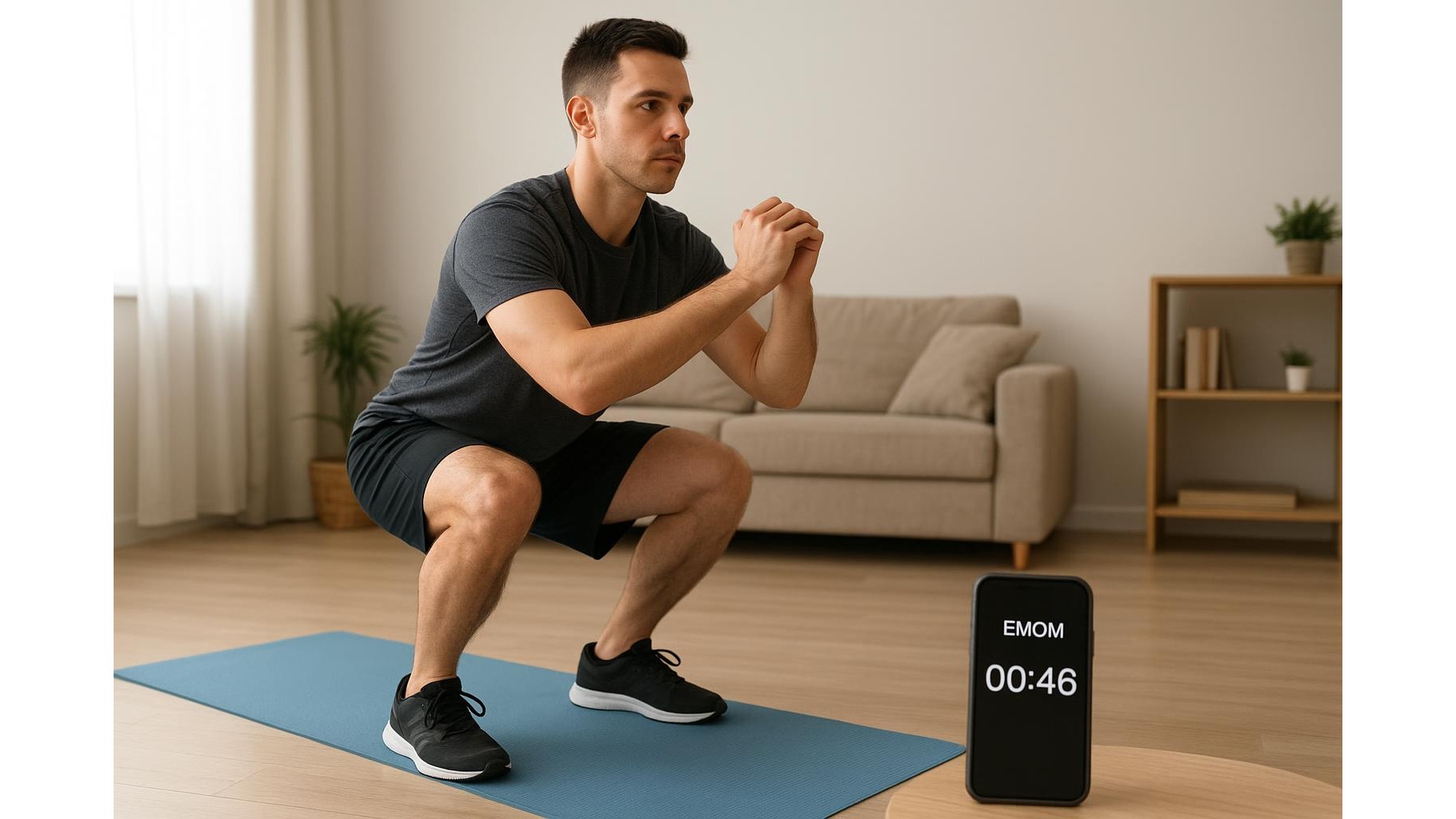
If you train in a small home gym, you don’t need a rack full of weights to build muscle, strength and conditioning. A single kettlebell and a smart structure are enough. This 10 x 10 home strength challenge uses one bell, minimal space and repeatable sets so you can focus on great technique, progressive overload and fatigue management – perfect for beginners and intermediates training in the living room.
Table of contents
Why the 10 x 10 kettlebell format works
The 10 x 10 structure means 10 sets of 10 reps per exercise. That’s a big, but manageable, total volume that helps build both strength and work capacity. With a single kettlebell you can hit every major muscle group by combining push, pull, hinge and squat patterns. To keep things simple, choose one versatile bell – for many users something around 8–16 kg works, depending on your level. The key benefits are predictable sets, easy tracking of progress, and the ability to train full body in less than 45 minutes without crowding your home with equipment.
One kettlebell to run the whole challenge
For a compact and comfortable option, a classic vinyl-coated kettlebell with a smooth handle is ideal for home training, as it is kinder to floors and easier on the hands during high-rep sets. Look for a model with a wide, secure grip, a flat base for floor exercises and clear weight markings so you can progress over time. A robust coating helps reduce noise on your apartment floor, and a slightly textured handle gives enough friction for swings and cleans without shredding your skin during longer sessions.
Structure of the full body 10 x 10 workout
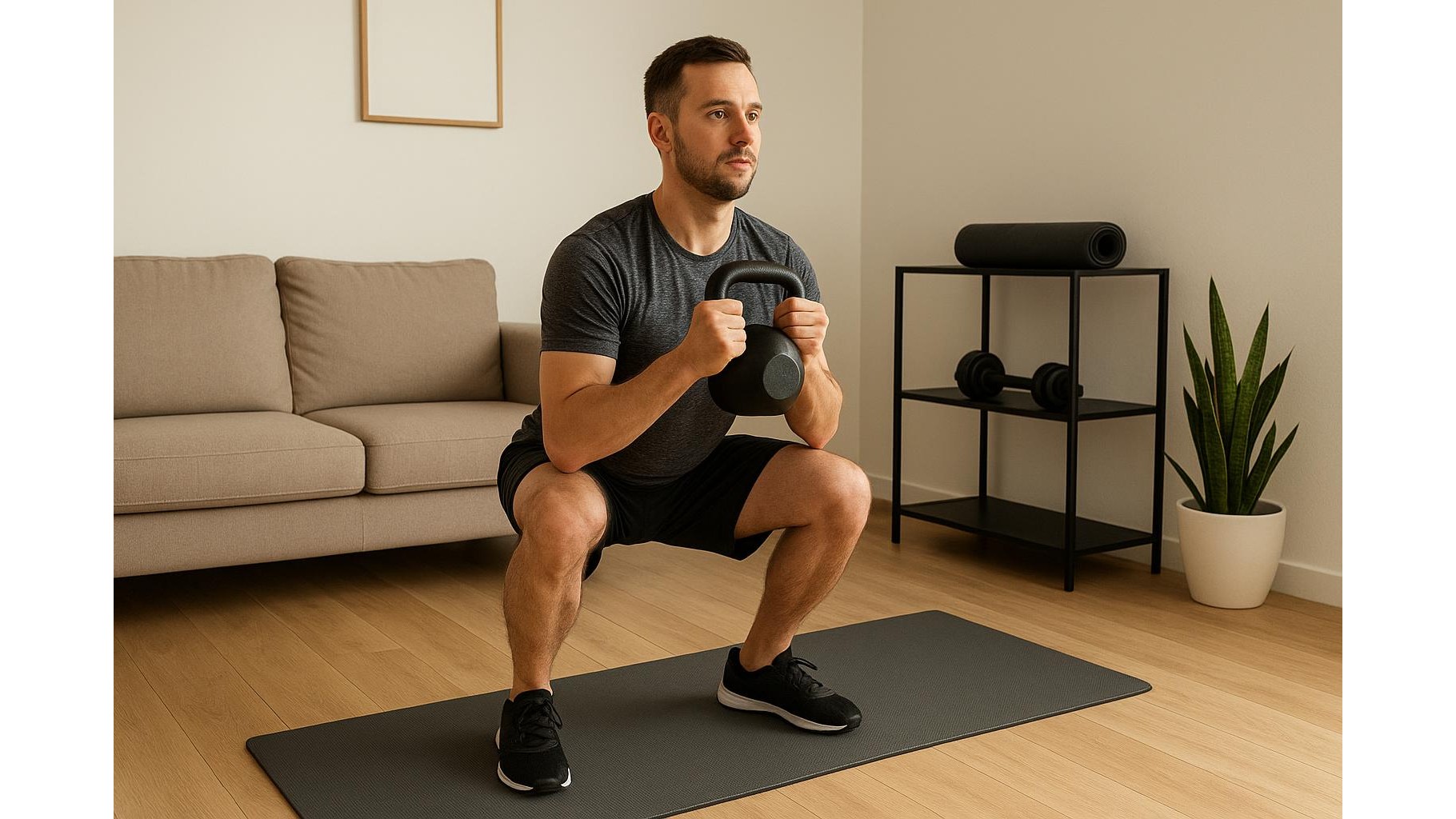
Start with a simple circuit of five moves, all done with your single kettlebell. Perform 10 reps each of: goblet squat, one-arm row (10 per side), overhead press (5 per side to total 10), Romanian deadlift and two-hand swing. Rest 45–60 seconds between movements, then repeat the circuit until you reach your 10 sets in total per exercise across the session. Beginners can split the work into two mini-blocks of 5 x 10, while intermediates may run all sets straight through. Keep the same bell for everything to emphasise technique, tension and tempo rather than chasing heavier weights too fast.
Scaling options for beginners and intermediates
If you are a beginner, reduce total volume to 6 x 10 and extend rest periods to 60–90 seconds. For single-arm moves, keep your core tight and use a support, like lightly holding a chair, to stabilise your balance. You can also swap swings for a slower deadlift if you’re still learning the hip hinge. Intermediates can increase difficulty by shortening rest to 30–45 seconds, adding a pause at the bottom of goblet squats, or progressing to single-leg variations like split squats. Another smart progression is to keep the same bell but aim to complete the full 10 x 10 in less total time while maintaining crisp form.
Managing fatigue and training safely in a small space
High-rep sets with one kettlebell can be demanding, so fatigue management is crucial. Always warm up with light mobility and a few practice sets before loading up your 10 x 10 work. In a small home area, clear the floor of obstacles and train on a non-slip surface or mat. Focus on
Consistency over complexity
The real power of the 10 x 10 home strength challenge is its simplicity. With a single kettlebell and a handful of fundamental movements, you can train your entire body, improve conditioning and build confidence in your home space. Adjust volume and rest to match your level, track how many sets you complete with solid form, and aim for small, steady improvements week to week. Over time, you’ll find that one well-used kettlebell can deliver more progress than a pile of unused gadgets – as long as you show up, stay consistent and respect good technique.