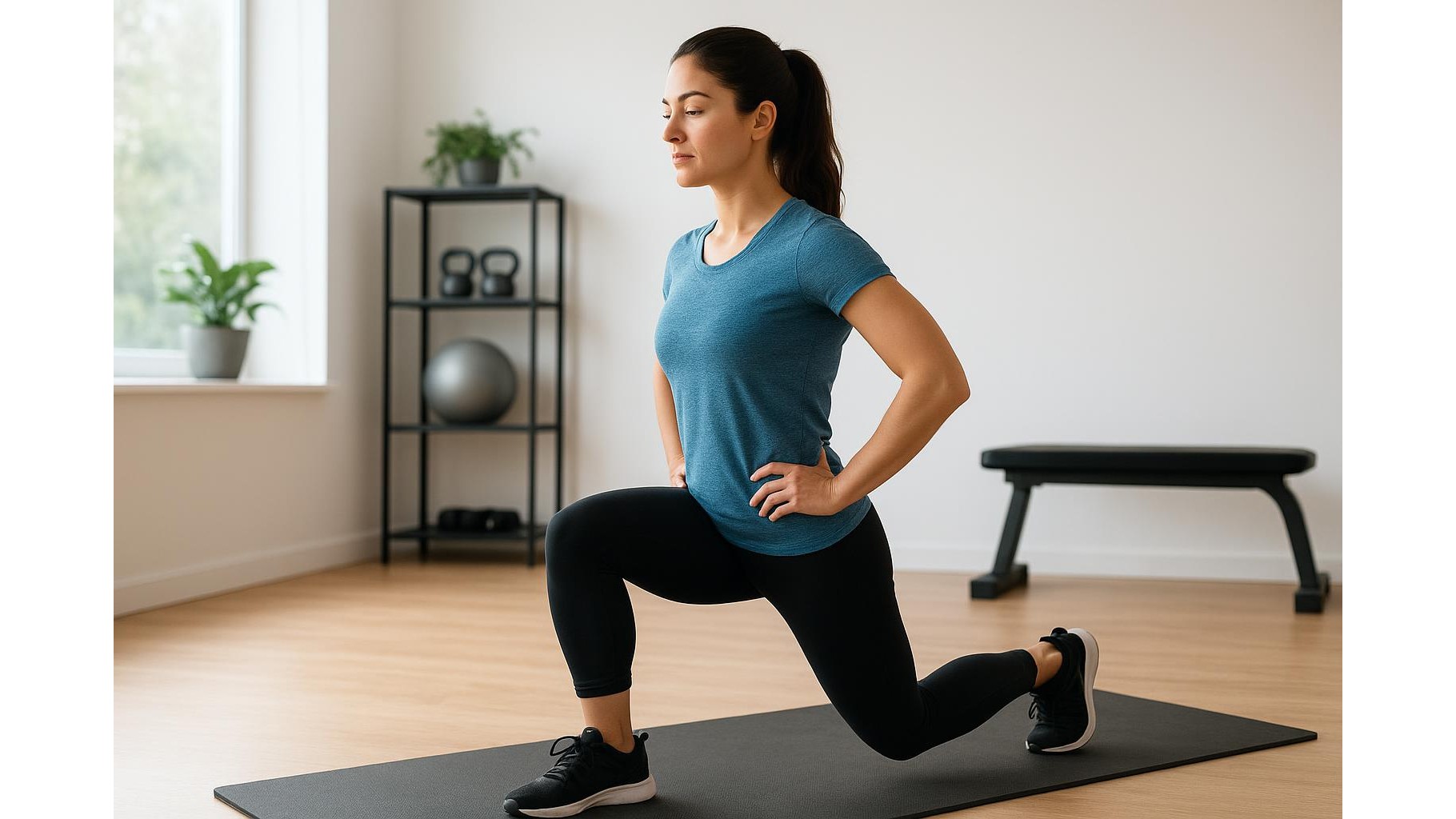
Training with hypermobile joints at home can be empowering, but it also comes with unique challenges. Extra flexibility often means less passive stability, so muscles, ligaments and tendons have to work harder to keep everything aligned. With the right warm-up, smart exercise modifications and some simple joint support strategies, you can build strength and fitness while staying as pain-free as possible.
Understanding hypermobility in your home workouts
Hypermobility means your joints move beyond the usual range, which can increase the risk of joint pain, sprains and overload. At home, it is easy to copy standard workout videos that push into deep ranges, but for hypermobile people the priority is often control over range. Keep movements smaller, focus on mid-range positions where you feel most stable, and avoid “hanging” on your end range in stretches or strength exercises. Think of your goal as building a strong, active “corset” of muscles around each joint, rather than chasing maximum flexibility.
Smart warm-up: activating, not overstretching
A good warm-up for hypermobile joints is short, targeted and focused on muscle activation and balance, not long static stretching. Start with 3–5 minutes of low-impact cardio such as marching on the spot, step taps or gentle shadow boxing to raise body temperature. Then add controlled dynamic movements like leg swings, arm circles and hip circles, staying within a comfortable range. Light isometric holds—for example holding a half-squat, wall push-up or glute bridge for 10–20 seconds—teach your body to generate tension without slipping into extreme positions. This style of warm-up “wakes up” stabilising muscles so your joints feel more supported when the real work starts.
Joint-friendly exercise tweaks and variations
Most common home exercises can be adapted for hypermobility with a few simple tweaks. For lower body work, aim for moderate knee bends instead of deep squats or lunges, and keep your knees tracking in line with your toes rather than collapsing inward. In upper body moves like push-ups or planks, avoid locking out your elbows; keep a soft bend and think about “pushing the floor away” to engage your shoulders and upper back. Swap high-impact moves such as jump squats or burpees for low-impact alternatives like step-backs, slow mountain climbers or marching. When in doubt, reduce range, slow the tempo and focus on feeling muscles doing the work instead of joints taking the load.
Using supports and your environment for stability
Training at home gives you the freedom to set up a joint-friendly environment. A thicker, slightly cushioned exercise surface such as a quality yoga or fitness mat can reduce stress on wrists, knees and hips during floor work. If you are prone to knee or ankle instability, temporary use of simple supports like elastic sleeves or light braces can provide extra feedback and warmth while you build strength—though they should not replace long-term muscle conditioning. Use walls, chairs and counters for balance in single-leg work or when learning new moves, and keep your space clutter-free to avoid sudden twists or slips that can irritate already vulnerable joints.
Programming, pacing and listening to your body
For hypermobile athletes and beginners alike, smart programming is more important than intensity. Start with shorter sessions—perhaps 20–30 minutes, 2–3 times per week—and build up gradually as your tolerance improves. Emphasise strength training for hips, core and shoulders, since these areas provide critical support to the rest of the body. Include regular rest days so tissues can adapt, and track your response: lingering soreness deep in the joints, feelings of instability or repeated “twinges” are signs to dial back volume or range. Aim for small, consistent progress rather than dramatic jumps in difficulty or complexity.
Training safely with hypermobile joints at home is absolutely possible, but persistent pain, frequent joint “giving way” or a history of dislocations deserve professional guidance. A physiotherapist or sports medicine specialist familiar with hypermobility spectrum disorders can help you tailor your exercises, advise on when to use or avoid supports, and rule out other issues. If you feel unsure about certain movements, experience sharp or worsening pain, or notice swelling that does not settle, seek an expert assessment. Combined with smart self-management, this kind of support can help you stay active, strong and as pain-free as possible in your home training.