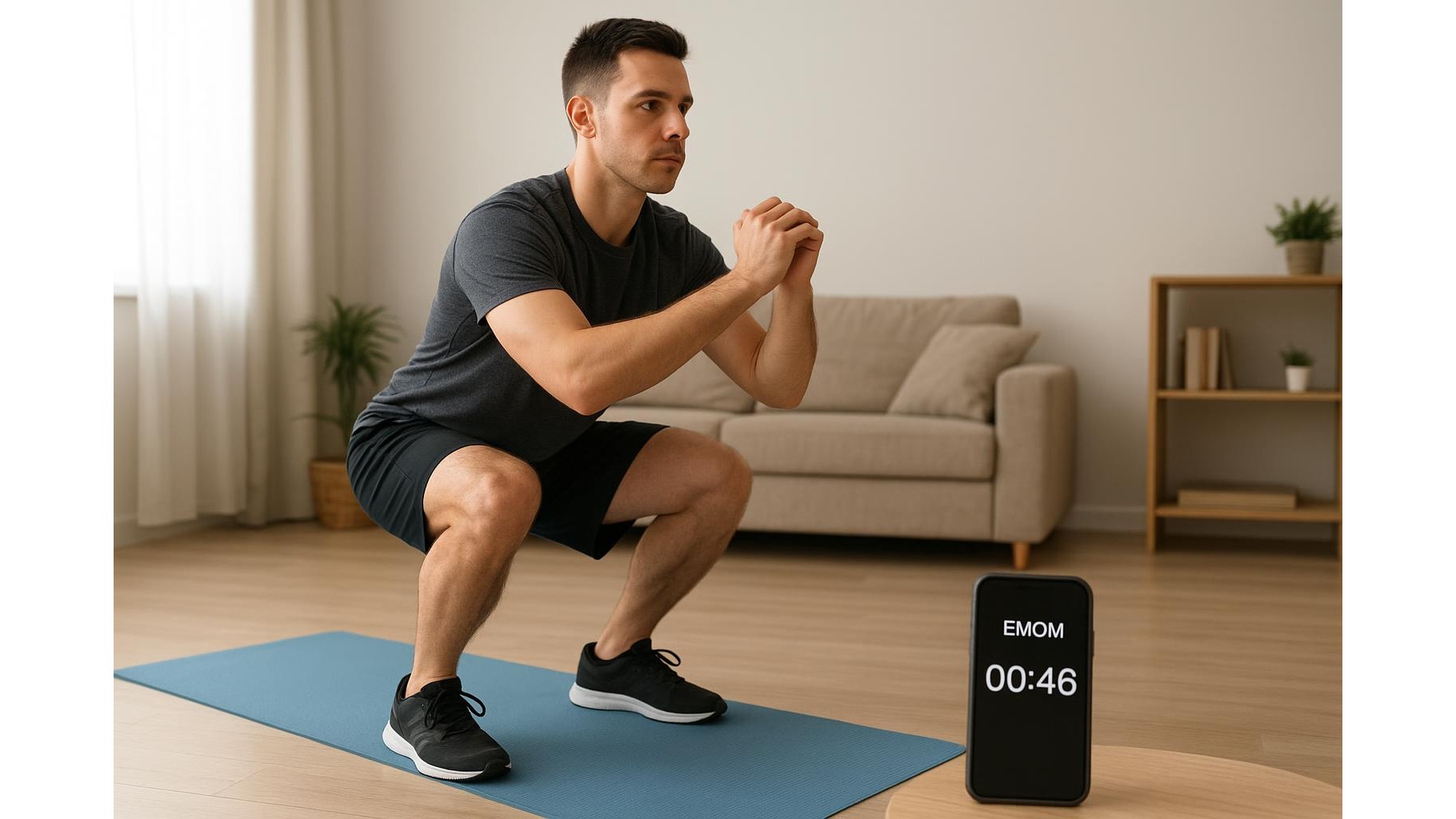
Building a strong body in your home gym is not just about lifting more or training harder. Without a clear weekly recovery routine, fatigue accumulates, performance drops and the risk of overuse injuries skyrockets. By planning your stretching, mobility, sleep, self-massage and active recovery the same way you plan your workouts, you can train consistently, feel fresher and make better long-term gains.
Table of contents
Plan Your Weekly Recovery Framework
Start by looking at your current home workout schedule and deliberately assigning roles to each day. For example, if you do strength training on Monday, Wednesday and Friday, use Tuesday and Saturday as active recovery days and keep Thursday focused on mobility and stretching. On training days, add 5–10 minutes of light mobility before your session and 5–10 minutes of cool-down stretching after. On non-training days, include 20–30 minutes of low-intensity activity such as easy cycling, walking or a light mobility flow. Treat recovery blocks as non-negotiable appointments in your calendar, just like meetings or classes.
Integrate Daily Stretching and Mobility
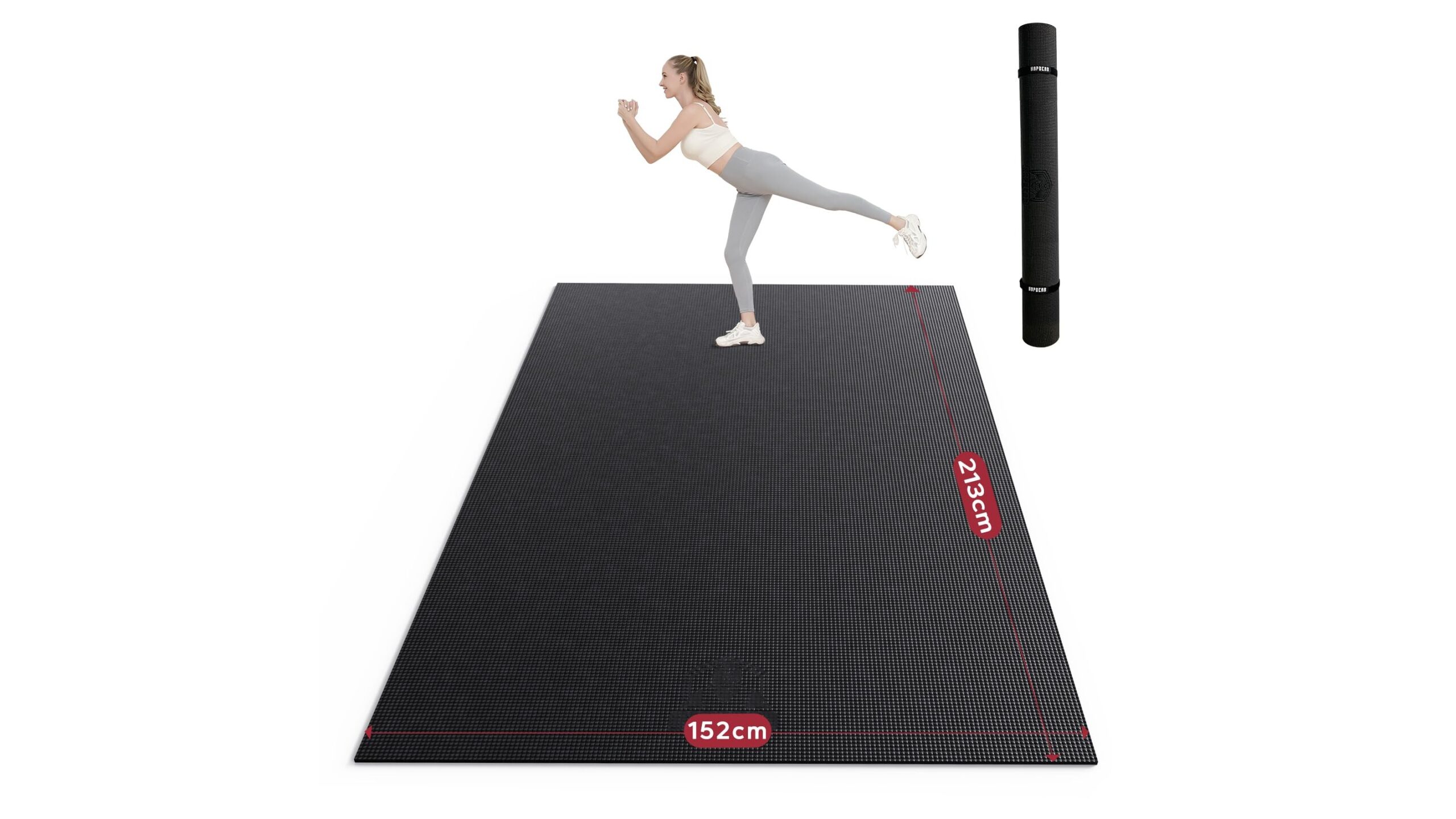
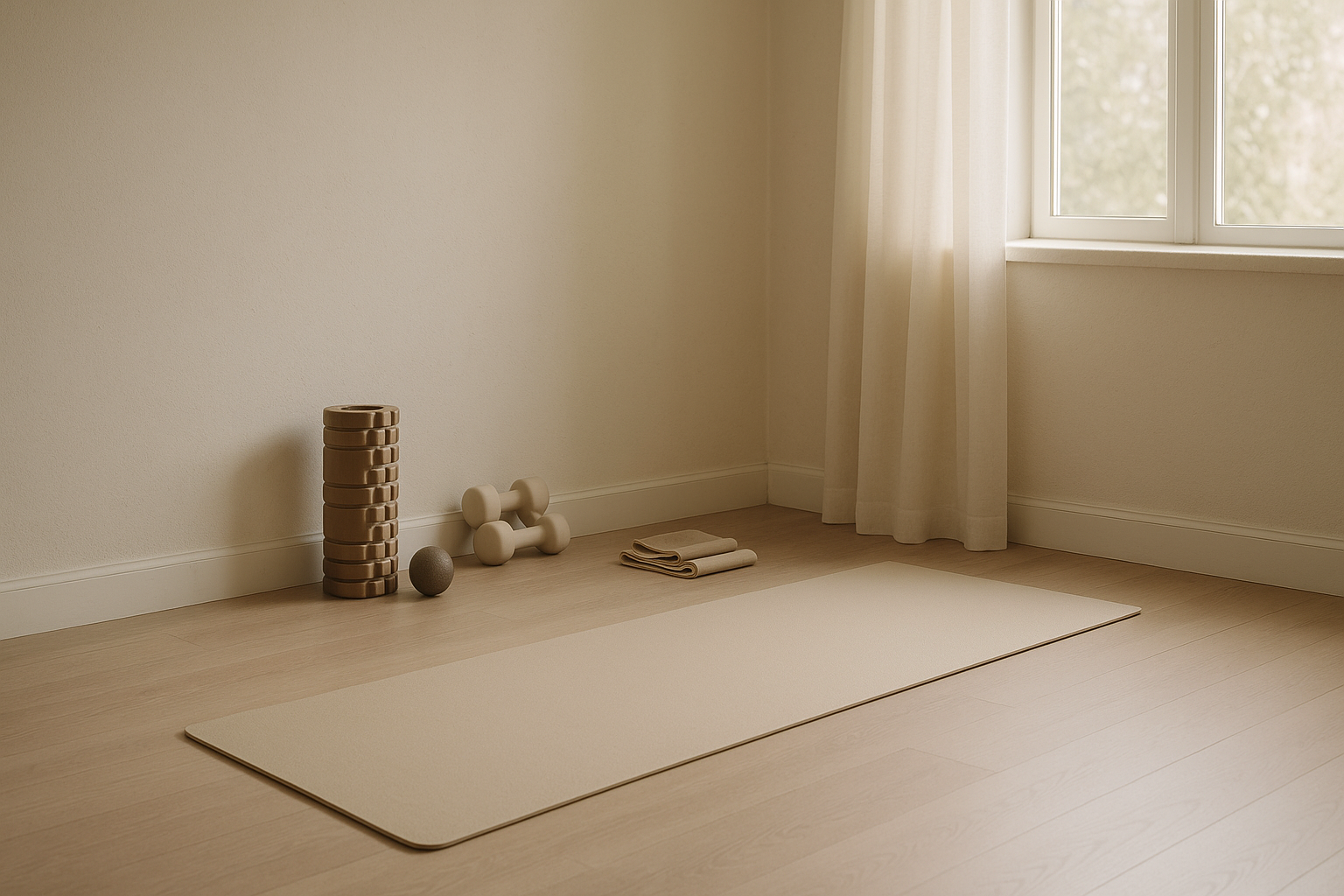
Consistent stretching and mobility work helps you move better in every home workout, from squats to push-ups. Aim for at least 10 minutes per day, ideally linked to an existing habit (for example, after your morning coffee or before your evening shower). Focus on tight, high-use areas: hip flexors, hamstrings, glutes, chest and upper back. Slow, controlled breathing during each stretch signals your nervous system to relax, enhancing recovery. Use a comfortable, non-slip yoga mat to turn this into a simple, repeatable ritual and reduce the barrier to getting started. Over time you will notice smoother movement, deeper ranges of motion and fewer nagging aches.
Use Self-Massage to Release Tight Muscles
Self-myofascial release is a powerful tool for easing tight muscles after home strength or cardio sessions. A basic foam roller lets you apply gentle pressure to the calves, quads, hamstrings, glutes and upper back, helping to reduce stiffness and support circulation. Roll slowly over each area, pausing on tender spots for 20–30 seconds while breathing deeply. For more targeted work, especially around the shoulders, traps and glutes, a handheld massage device can be helpful. Short sessions of 5–10 minutes after training or in the evening can significantly improve how you feel the next day and reduce the perception of soreness, making it easier to stick to your weekly routine.
Prioritise Sleep Hygiene for Better Recovery
No recovery strategy can compensate for consistently poor sleep quality. During deep sleep your body releases growth hormone, repairs muscle tissue and consolidates the motor patterns you practise in your workouts. Build a simple sleep hygiene routine: aim for a consistent bedtime and wake time, dim lights 60–90 minutes before bed and avoid intense screens or stimulating content during that window. A short stretching or breathing routine on your mat can act as a bridge between your day and sleep. Keep your bedroom cool, dark and quiet to support uninterrupted rest. Even an extra 30–60 minutes of high-quality sleep per night can noticeably boost your energy, mood and training performance over the week.
Structure Active Recovery Days with Intention
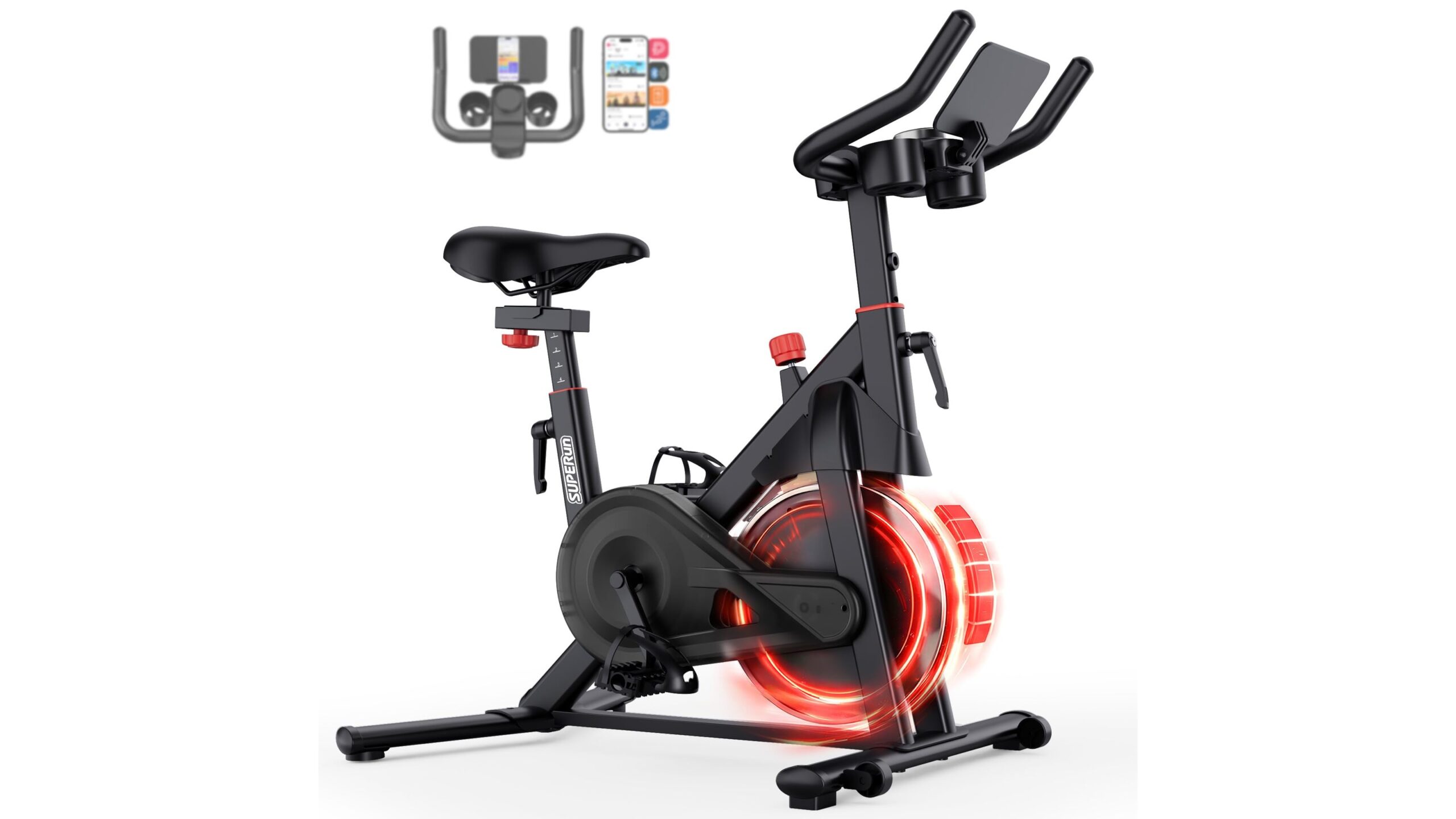
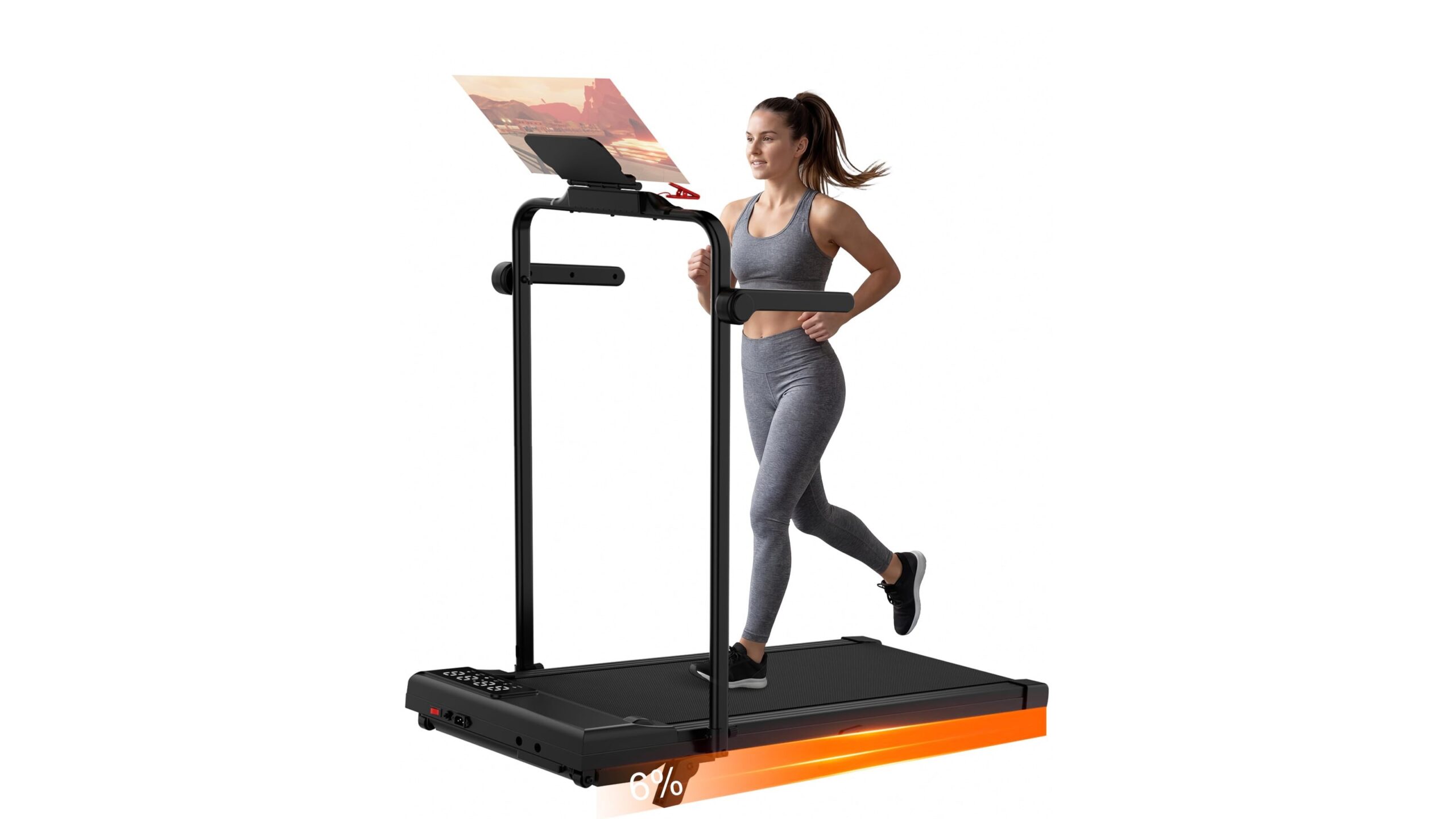
Active recovery is not a day off on the sofa; it is a deliberately lighter day that still promotes blood flow and joint health. On these days, choose low-impact activities such as easy cycling, walking, gentle rowing or a light full-body band circuit. The goal is to move at an intensity where you can comfortably hold a conversation, avoiding heavy fatigue. Combine this with 10–20 minutes of mobility and a short self-massage session for tight areas. These days help clear residual soreness, maintain habit consistency and mentally recharge you for the next hard session. Over time, structured active recovery becomes the glue that holds your home training plan together.
By building a weekly recovery routine around stretching, mobility, self-massage, sleep hygiene and active recovery days, you transform your home workouts from isolated efforts into a sustainable training system. Plan your week, protect your recovery blocks and treat them with the same respect as your hardest sessions. The payoff is fewer injuries, more energy and faster progress, all from the comfort of your home gym.