Delayed onset muscle soreness, or DOMS, often shows up 24–72 hours after a heavy home workout. It can feel worrying if you are new to training, but in most cases it is a normal response to challenging your muscles. With a few simple at‑home recovery strategies you can reduce discomfort, move more easily and get back to your next session feeling ready, not wrecked.
Table of contents
Keep moving instead of total rest
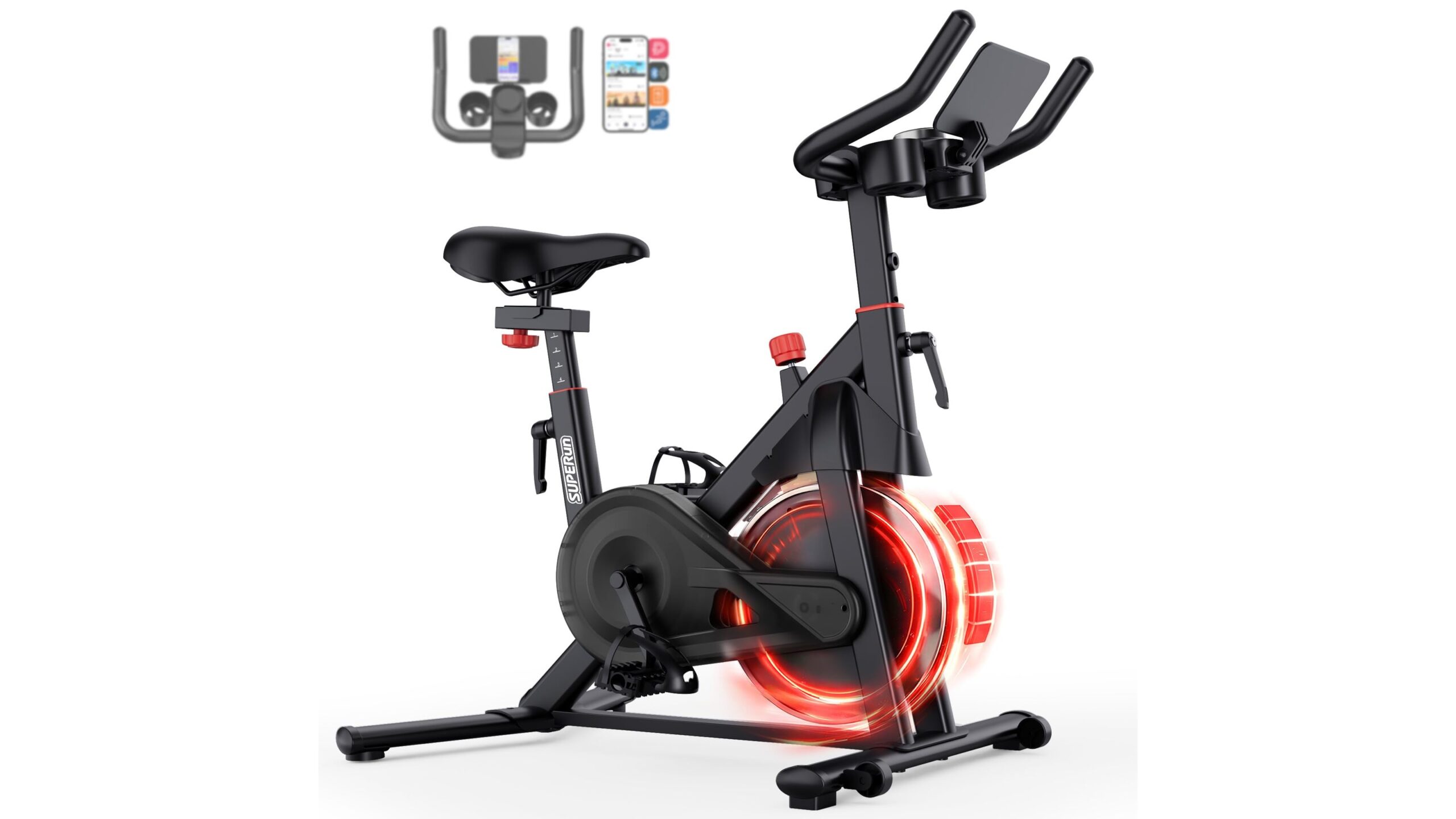
When DOMS hits, it is tempting to collapse on the sofa and avoid all movement. However, gentle activity is one of the most effective ways to manage soreness. Think of easy walking around the house, light cycling on a stationary bike, or an uncomplicated mobility flow for the muscles that ache. These low‑intensity movements increase blood circulation, helping deliver nutrients and carry away metabolic by‑products linked to muscle soreness. Avoid heavy lifting or maximal efforts until soreness drops, but do aim for frequent, short movement breaks across the day. This approach maintains your training habit while giving tissues time to adapt and grow stronger.
Hydration, electrolytes and smart nutrition
Good hydration and nutrition set the stage for faster recovery from DOMS. After intense home workouts, drink water regularly and add electrolytes if you sweat heavily. A simple option is an electrolyte tablet dissolved in water, providing sodium, potassium and other minerals that support normal muscle function. Pair this with protein‑rich meals or snacks (like Greek yogurt, eggs or lean meat) to supply the amino acids your muscles need to repair. Including magnesium‑rich foods such as nuts, seeds and leafy greens can also help support normal muscle function and reduce cramping. Consistent daily habits matter more than one “perfect” recovery drink; aim to spread fluids and balanced meals throughout the day.
Temperature strategies: heat, cold and contrast
Simple temperature therapy can make DOMS more manageable at home. Cold packs are useful in the first 24 hours after an especially intense or unaccustomed session, helping to reduce discomfort and a feeling of swelling. Wrap a cold pack in a thin towel and apply it to sore areas for 10–15 minutes at a time. After the initial period, many people find gentle heat more soothing, such as a warm (not scalding) shower directed at tight muscles or a heated pad. Alternating warm and cool applications can also feel relieving for some. These methods do not “cure” DOMS, but they can lower pain levels enough to keep you moving, stretching and sleeping better, which are the true drivers of recovery.
Stretching, self‑massage and mobility
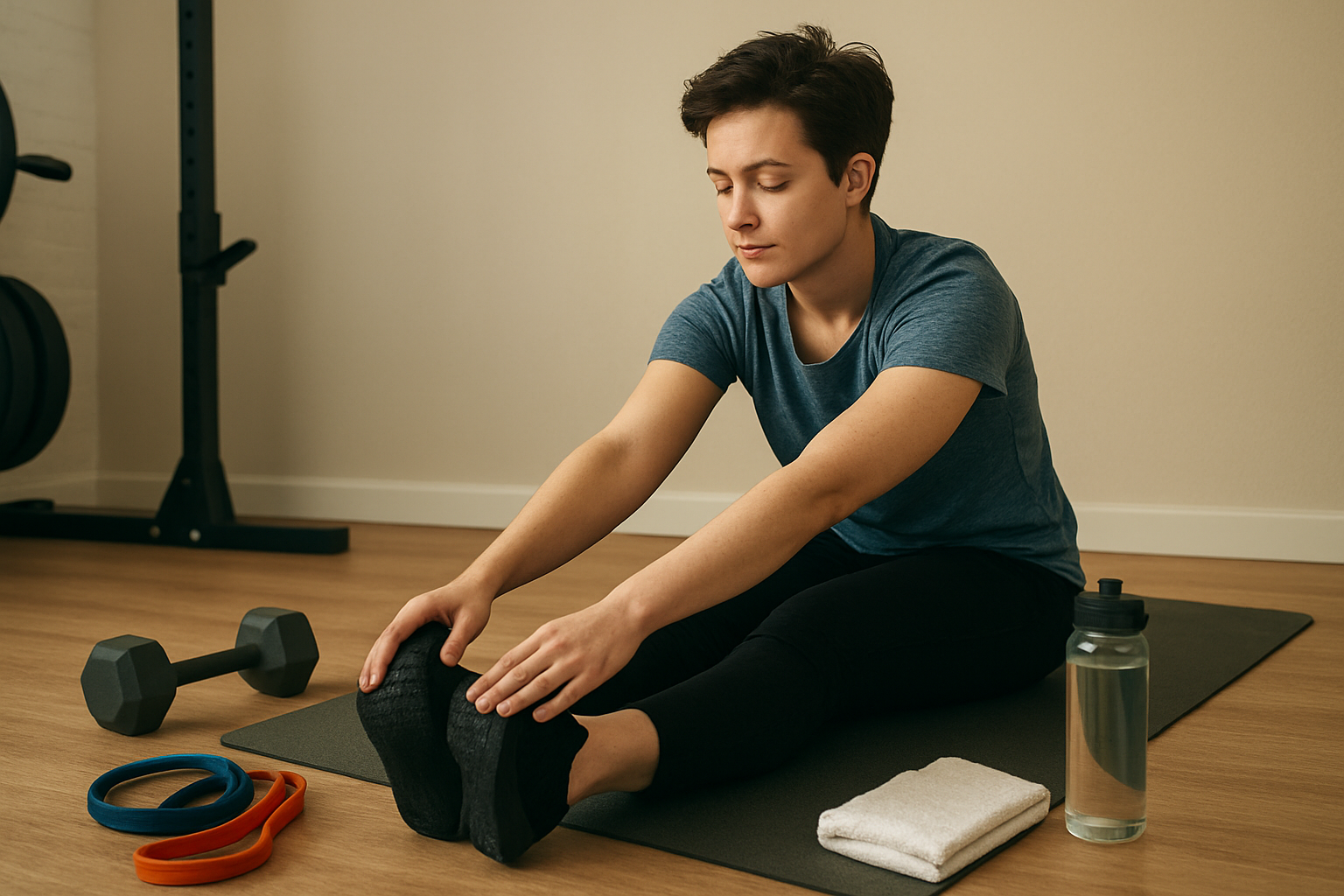
Targeted mobility work and self‑massage help ease tightness around sore muscles. Focus on slow, comfortable stretching held for 20–30 seconds, staying below the point of sharp pain. Dynamic movements such as leg swings, arm circles or gentle torso rotations can also reduce stiffness. If you have simple tools like a foam roller or massage ball, use them for light self‑myofascial release along the major muscle groups you trained. Roll slowly and breathe steadily, avoiding aggressive pressure on very tender spots. Combine this with diaphragmatic breathing to relax your nervous system, as high tension can amplify the perception of soreness. A brief mobility and self‑massage routine once or twice a day can significantly improve how your muscles feel between sessions.
Sleep, training adjustments and warning signs
One of the most powerful but overlooked strategies for managing DOMS is high‑quality sleep. Aim for 7–9 hours per night, keeping a consistent schedule and limiting screens before bed. Deep sleep is when much of your tissue repair and adaptation takes place. Also review how quickly you are increasing training volume and intensity in your home gym. Jumping from light workouts to very heavy or high‑volume sessions in one step is a common trigger for severe DOMS. Progressing gradually—adding sets, load or time in small weekly steps—allows your body to adapt with less soreness. Be aware of warning signs that suggest something more serious than normal DOMS: sharp or pinpoint pain, swelling in a single joint, a feeling of instability, or dark cola‑coloured urine. If pain is severe, worsens after the first 48–72 hours, or limits normal movement like walking or dressing, consult a healthcare professional.
DOMS is a normal part of adapting to heavy home workouts, but it does not have to derail your training. By keeping your body gently active, staying well hydrated and nourished, using sensible heat and cold strategies, dedicating a little time to stretching and self‑massage, and protecting your sleep, you can significantly reduce soreness and move more comfortably. Combine these habits with gradual progression in your training plan and attention to warning signs, and DOMS becomes a manageable signal that your muscles are adapting—not a reason to quit your home fitness journey.