Long hours at the laptop followed by intense home workouts are a perfect storm for tension headaches. Stiff neck muscles, a tight jaw and an overworked upper back can all refer pain to your temples and behind the eyes. The good news: with a mix of self-massage, simple tools and smarter warm-ups you can ease current pain and reduce how often these headaches show up.
Understand where your tension headache really starts
Most so‑called “tension” headaches after work-from-home days and training sessions are driven by tightness in the neck, upper traps, jaw and scalp. Hours of screen time pull your head forward, shortening the muscles at the base of the skull, while push-ups, presses and cycling can overload the same area. Before you reach for painkillers, scan your body: are your shoulders creeping towards your ears, is your jaw clenched, is your upper back rounded? These are all clues. Simply lengthening your spine, dropping your shoulders and gently tucking your chin will already reduce strain on the muscles that often trigger headaches.
Hands-on techniques for neck, jaw and scalp relief
Your hands are your first massage tool. For the neck, sit tall and use your fingertips to trace small circles along the base of the skull, just under the bony ridge – this is a classic spot for tension headache referral. Hold tender points for 20–30 seconds while breathing slowly. For the jaw, place your fingertips on the chewing muscles in front of your ears and gently massage in small circles, then slide down along the jawline. To relax the scalp, lace your fingers into your hair and firmly but comfortably tug upwards, moving around the head. A few minutes of this before and after training – and after work – can noticeably soften neck and jaw tightness that feeds into headache pain.
Ball and roller work for stubborn upper-back tightness
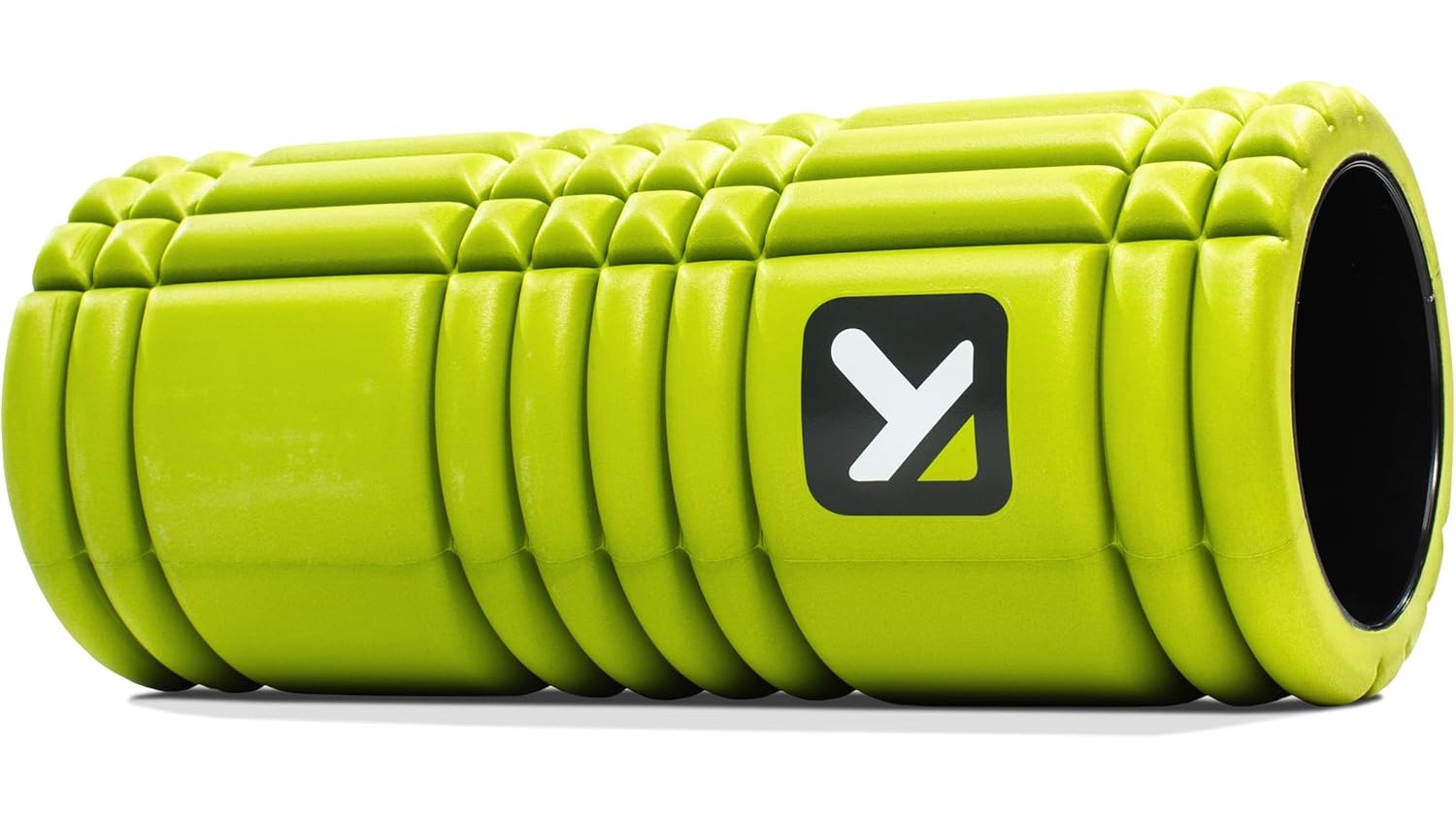
When hands aren’t enough, a foam roller can target the upper back that locks up from sitting and lifting. The TRIGGERPOINT Unisex The Grid 1.0 Recovery Roller is a compact, multi-density roller designed to mimic a therapist’s hands, ideal for home gyms. Lying on your back with the roller across your mid-back, support your head and slowly roll from the mid to upper back, pausing on tight spots for a few breaths. This improves mobility and blood flow, which can reduce neck strain and exercise-triggered headaches. Its durable hollow core keeps it firm over time, making it a solid choice for regular recovery sessions.
Using an electric neck massager on headache-prone days
If your neck and shoulders feel like concrete after back-to-back meetings and a strength workout, an electric device adds deeper work with almost no effort. The RENPHO Neck Massager, Massagers for Back and Neck uses 8 deep-tissue kneading nodes and optional heat to mimic a shiatsu massage across the neck, shoulders and upper back. Slip your arms through the handles to control pressure and let the rotating heads work into tight areas that often trigger headaches. A 15‑minute auto-off timer and overheat protection make it practical for end-of-day use at the desk or on the sofa. Used a few times a week, it can complement manual techniques and rollers, especially if you struggle to relax enough to self-massage effectively.
Warm-up, posture and breathing to prevent exercise-triggered headaches
Prevention starts before your workout. Begin each session with 5–8 minutes of neck and upper-back mobility: chin tucks, gentle head rotations, shoulder rolls and open‑book thoracic rotations. During desk hours, set a timer to stand up and reset posture every 45–60 minutes: feet under hips, ribs stacked over pelvis, chin gently retracted. Combine this with slow nasal breathing, expanding your ribs 360° instead of shrugging the shoulders. Better posture and breathing patterns reduce chronic neck tension, lowering the chances that intense sets of presses, rows or cycling intervals will end in a pounding head.
Building a simple self-care routine for headache-free home training
To keep tension headaches from controlling your training, turn these tactics into a short daily routine: 2–3 minutes of hand massage to neck, jaw and scalp after work; 3–5 minutes on a foam roller such as the TRIGGERPOINT GRID 1.0 to open the upper back; and, on heavier days, a 10–15 minute session with an electric neck massager like the RENPHO model to fully relax shoulders and traps. Pair this with consistent posture check-ins and proper warm-ups, and you’ll create a buffer against both work-from-home strain and workout stress. Over time, you should notice fewer headaches, faster recovery and more enjoyable – and sustainable – home gym sessions.