If you work all day with scissors, knives or tools and then hit your home gym, your body needs a different kind of care. Long hours on your feet, repeated gripping and awkward postures can leave your wrists, forearms, shoulders, feet and lower back tight and overworked. This 20–25 minute routine is designed for hairdressers, chefs and other manual professionals who also train at home, so you can keep lifting and moving without burning out your most important tools: your hands and body.
Set up a quick 20–25 minute recovery block
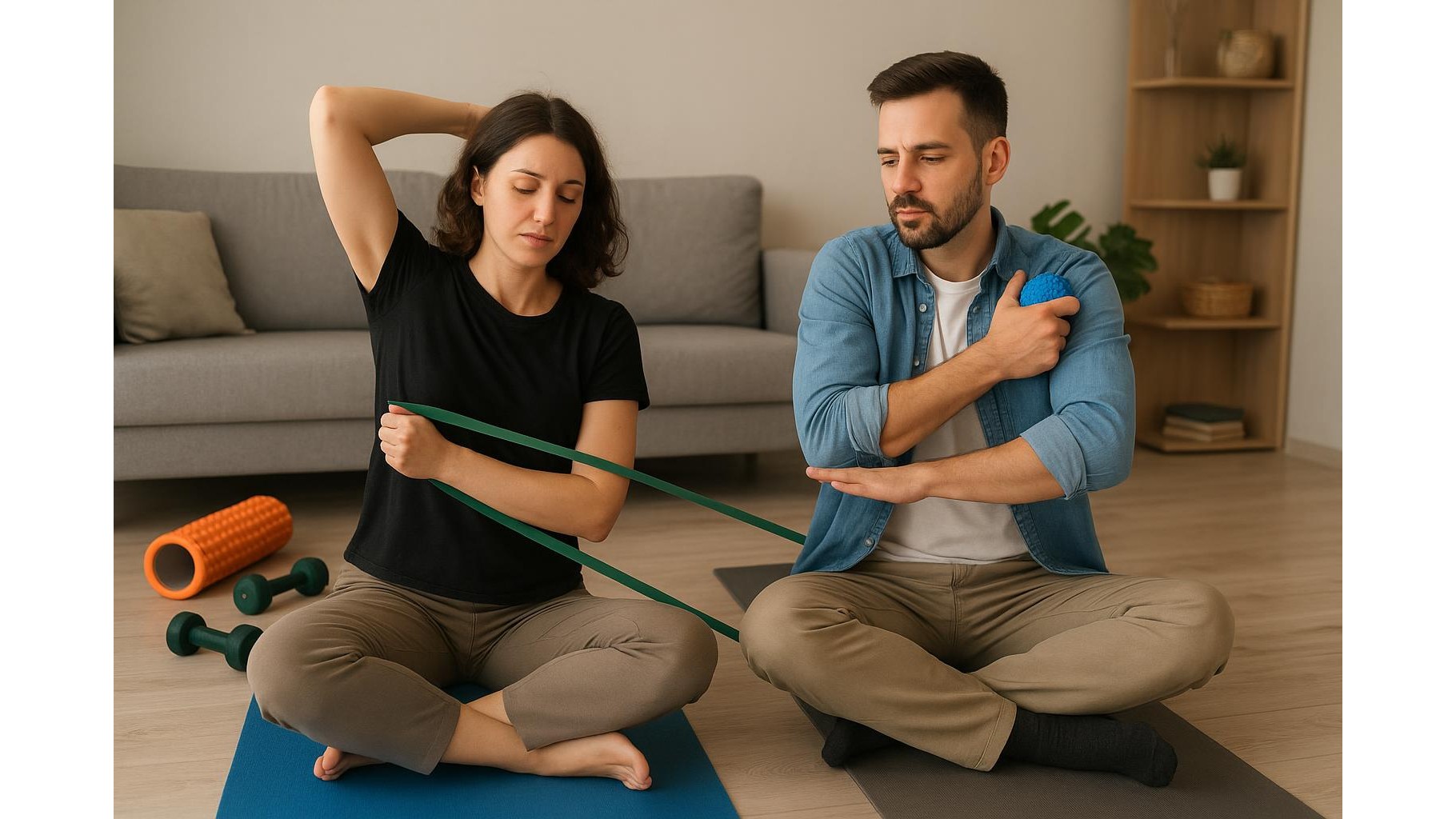
Before you jump into stretching, treat recovery like a scheduled part of your training, not an optional extra. Aim for a 20–25 minute block, ideally after your home workout or at the end of the working day. Split it into three parts: 5–7 minutes of breathing and gentle mobility, 10–12 minutes of focused joint work for wrists, shoulders and hips, and 5–7 minutes of self‑massage and foot care. Keep a yoga mat, a small massage ball and a light resistance band in a box near your home gym so you can start immediately. Consistency matters more than complexity: a short, regular routine will protect your joints better than occasional long sessions.
Wrists and forearms: protect your tools of the trade
For hairdressers and chefs, the wrists and forearms take constant low‑grade punishment from gripping, twisting and cutting. Start with slow wrist circles, palms up and down, for 30–40 seconds each way. Follow with gentle flexor and extensor stretches: arm straight, fingers pulled back with the other hand, then reversed, holding each position for 20–30 seconds. Add light isometric strength by squeezing a soft ball or rolled towel for 5 seconds, 8–10 times per hand. These drills improve circulation, restore range of motion and build resilience so that when you train at home—especially with push‑ups, kettlebell work or barbell pressing—your wrists are stable instead of inflamed.
Shoulders and upper back: undo hours of reaching and hunching
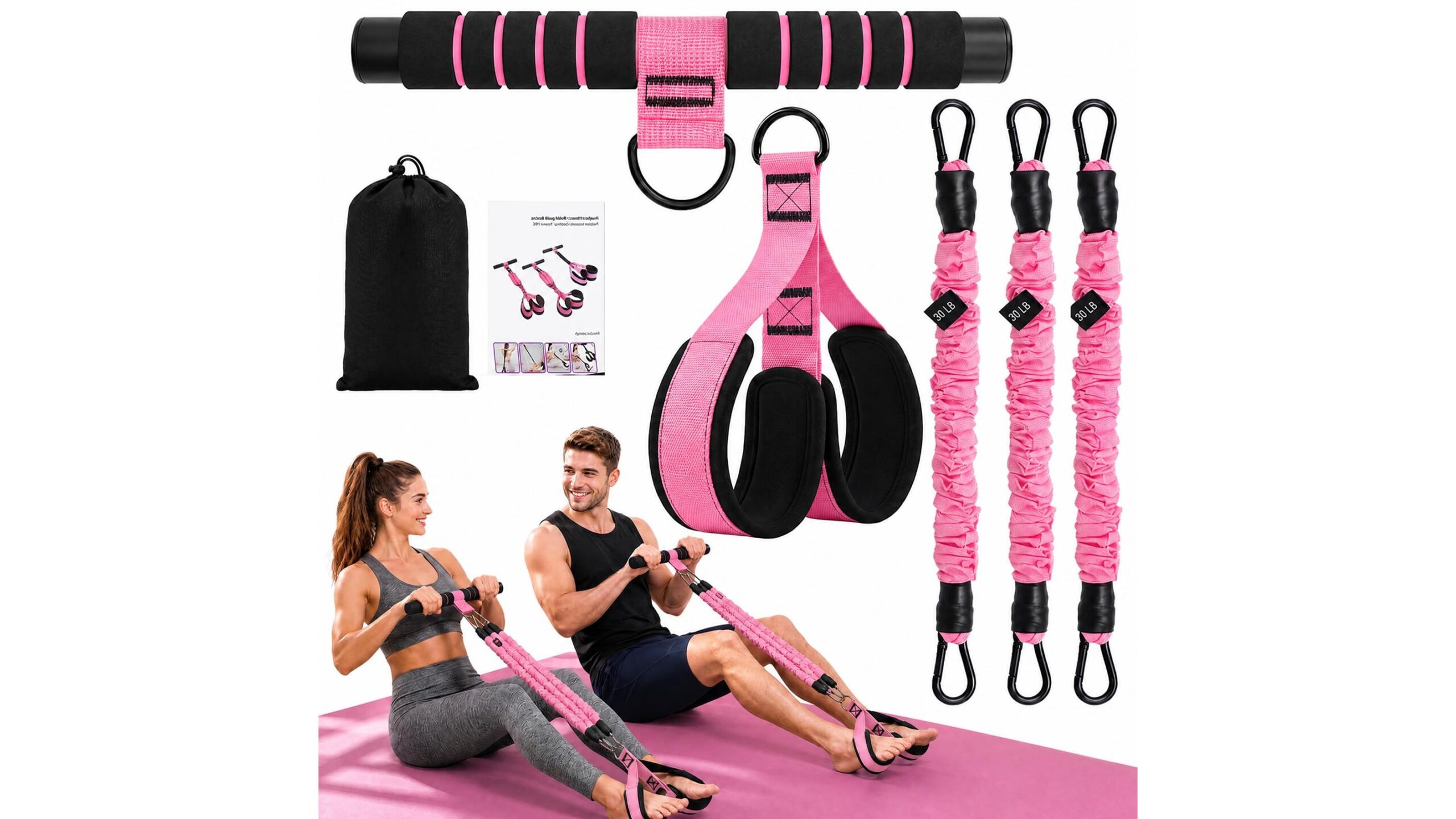
Standing over clients or a chopping board encourages a forward‑rounded posture that can make your shoulders and neck feel like concrete. Spend a few minutes on scapular mobility: shoulder shrugs up and down, then forward and back, focusing on slow controlled movement. Add band pull‑aparts with a light resistance band, 2–3 sets of 12–15 reps, to wake up the upper back muscles that support good posture. Finish with a gentle chest stretch in a doorway, forearms against the frame, leaning forward for 30–40 seconds. Better shoulder alignment reduces strain when you press, row or hold tools overhead, and can significantly cut down on end‑of‑day tension headaches.
Feet, calves and lower back: support your base
Spending the day on hard floors in work shoes loads your feet, calves and lower back. Start by sitting or standing and rolling each foot slowly over a small ball or even a frozen water bottle for 1–2 minutes, searching for tight spots in the arch. Follow with calf stretches against a wall and gentle ankle circles to keep your lower legs supple. For the lower back, think movement, not aggressive stretching: perform slow cat‑camel motions on all fours and easy pelvic tilts lying on your back, 8–10 reps each. These exercises help restore blood flow and reduce stiffness so your base can cope with both long shifts and squats, hinges and loaded carries in your home workouts.
Self‑massage and recovery habits for long‑term resilience
To finish your routine, spend a few minutes on simple self‑massage. Use your thumbs or knuckles to apply gentle pressure to the forearm muscles near the elbow, the base of the thumb and the upper traps (the big muscles between neck and shoulders). Work slowly, staying under a 5–6 out of 10 on the discomfort scale. Combine this with basic recovery habits: drink water, include some protein and carbohydrates in your post‑work snack, and try to get up and move briefly every 60–90 minutes during your shift. Recovery is not just what you do after training; it is how you manage your body across the entire day. With a consistent 20–25 minute routine, you give your joints and muscles the chance to adapt instead of slowly breaking down.
By building this simple home recovery routine into your week, you are treating your body like the essential professional tool it is. A few minutes of focused care for your wrists, forearms, shoulders, feet and lower back can keep you performing at your best in the salon, kitchen or workshop—and still strong and safe when you step into your home gym.