
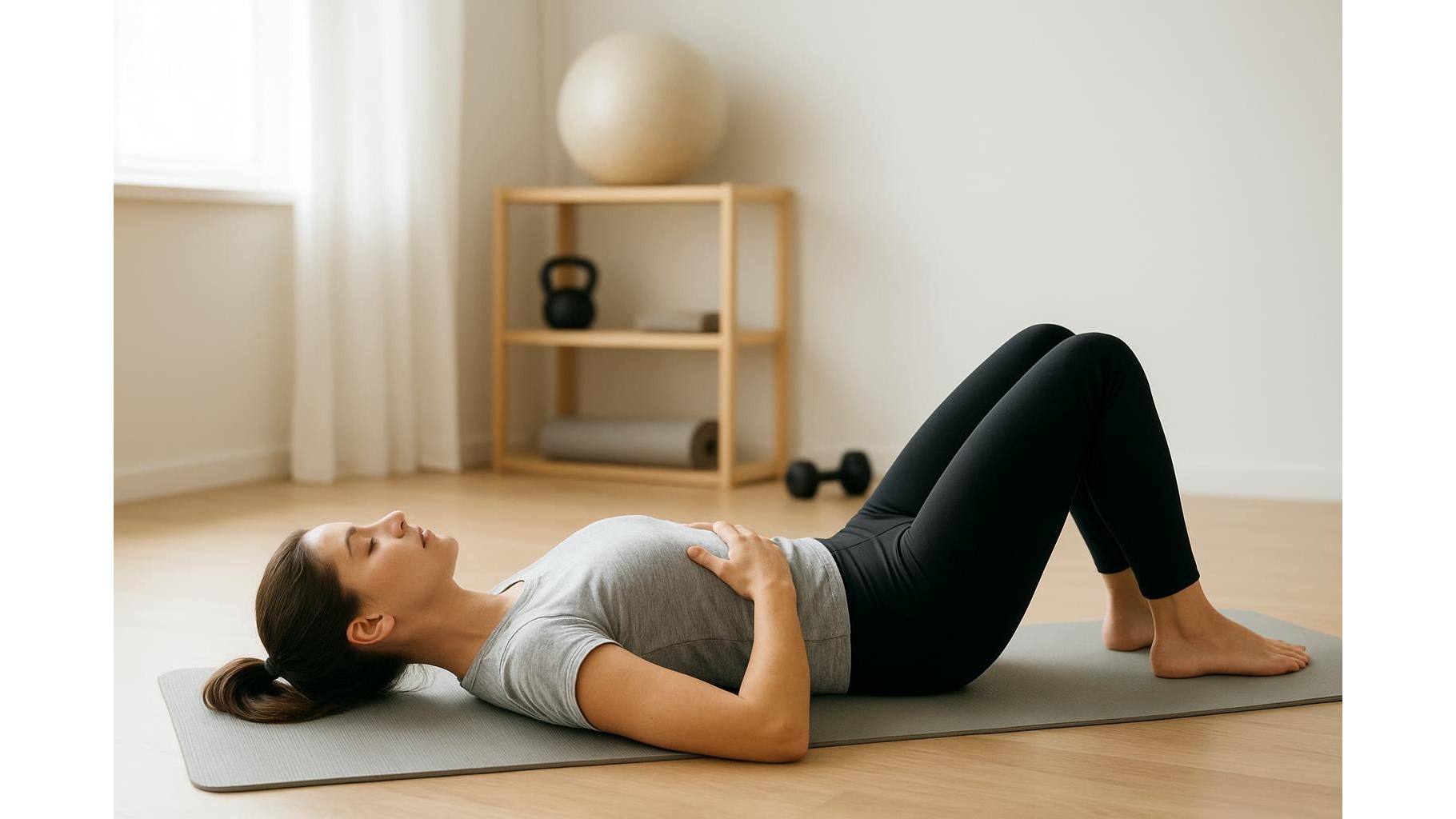
Building strength and endurance at home is empowering, but intense sessions can quietly overload your pelvic floor if recovery is rushed or skipped. A mindful, pelvic floor-friendly recovery routine protects long-term function, reduces feelings of heaviness or leaking, and supports better performance next time you train. By combining gentle breathing, low-intensity stretching and a few smart daily habits, you can help your body reset after both strength training and cardio in your home gym.
Why your pelvic floor needs a specific recovery plan
The pelvic floor is a sling of muscles that supports your bladder, bowel and reproductive organs while coordinating with your core and breathing. Heavy lifting, high-impact cardio or repeated ab work done at home can increase pressure downwards, especially if you hold your breath or “brace” too hard. Over time, this may contribute to symptoms like leaking, pelvic heaviness or discomfort. A targeted post-workout recovery routine helps your pelvic floor relax after effort, restores natural breathing patterns and reduces unnecessary tension. Even if you feel symptom-free, these strategies are a smart investment in long-term pelvic health for lifters, runners and people who love high-intensity home workouts.
Breathing drills to reset pressure after home workouts
After your session, start with 3–5 minutes of diaphragmatic breathing instead of collapsing on the sofa. Lie on a comfortable yoga mat or soft surface, bend your knees and place one hand on your chest and one on your lower ribs. Inhale gently through your nose, allowing your ribs and belly to expand, and feel your pelvic floor soften and lengthen. Exhale slowly through pursed lips, letting your ribs fall and your pelvic floor rebound. This simple drill resets intra-abdominal pressure and teaches your core and pelvic floor to work with your breath, not against it. You can also try a side-lying position if lying on your back is uncomfortable. Aim for smooth, quiet breaths rather than big, forced inhales. Over time, this post-workout ritual can reduce the habit of breath holding during tough sets.
Pelvic floor-friendly stretches using simple home equipment
Once your breathing has calmed, move into gentle stretching that encourages your hips and pelvic area to relax. On your mat, try a supported child’s pose: knees wide, big toes together, and hips sinking back towards your heels as you rest your chest on your thighs. As you breathe, imagine your pelvic floor widening and softening. Follow with a low lunge, placing your back knee on the mat and gently shifting your weight forward to open the front of the hip without forcing it. A seated forward fold with a soft bend in the knees can also help release the back and pelvic region. Keep every stretch low intensity—on a scale of 1 to 10, aim for a 3–4—and focus more on relaxation than deep range of motion. Slow, comfortable stretches are more pelvic floor-friendly than aggressive mobility work.
Recovery habits for lifters and home cardio fans
Beyond breathing and stretching, small recovery habits make a big difference for your pelvic floor. After heavy lifting or high-impact home cardio, avoid immediately sitting for long periods; instead, walk gently around the room for a few minutes to let your heart rate drop and muscles cool. Hydrate steadily throughout the day rather than “chugging” large amounts at once, which can irritate the bladder. If you notice symptoms like leaking, heaviness, dragging sensations or pain, reduce load or impact in your next few sessions and prioritise low-intensity movement. Planning at least one or two deload or lighter days per week also gives your pelvic floor and connective tissues time to adapt. Consistency with these habits supports both performance and long-term pelvic health.
How to modify your home workouts to protect the pelvic floor
A pelvic floor-friendly home routine starts with smart exercise choices. Swap some high-impact moves, like jump squats or burpees, for low-impact alternatives such as step-ups, brisk incline walking or controlled tempo squats. During strength work, exhale on the effort phase—standing up from a squat or pressing a weight overhead—instead of holding your breath. Reduce excessive core bracing and avoid repeated heavy valsalva maneuvers unless guided by a specialist. If you feel pressure, bulging or leaking mid-workout, that is feedback to adjust: lower the weight, decrease reps or choose a different variation. Remember that “lighter but controlled” often challenges muscles effectively while reducing strain on the pelvic floor. Building these modifications into your plan, then following with the recovery routine, creates a sustainable training approach.
A pelvic floor-friendly recovery routine is a simple but powerful way to support your body between home sessions. By prioritising breathing drills, relaxing stretches and protective daily habits, you encourage better pressure management, reduce tension and help prevent symptoms from developing or worsening. Think of this as non-negotiable “maintenance work” for your lifting and cardio goals: a short, consistent cool-down that keeps your pelvic floor resilient so you can keep enjoying your home workouts with confidence.









