Training hard in a home gym is tough on your joints, and the knees get the worst of it during squats, lunges and leg presses. Walk into any commercial gym and you’ll see people wearing knee sleeves, knee wraps and various straps – but which of these do home lifters actually need, and which are just nice-to-have extras? This guide breaks down the differences, when to use each tool, how to size them, and how to avoid becoming over‑dependent on gear so you can keep building strength safely.
Table of contents
Understanding the main types of knee support
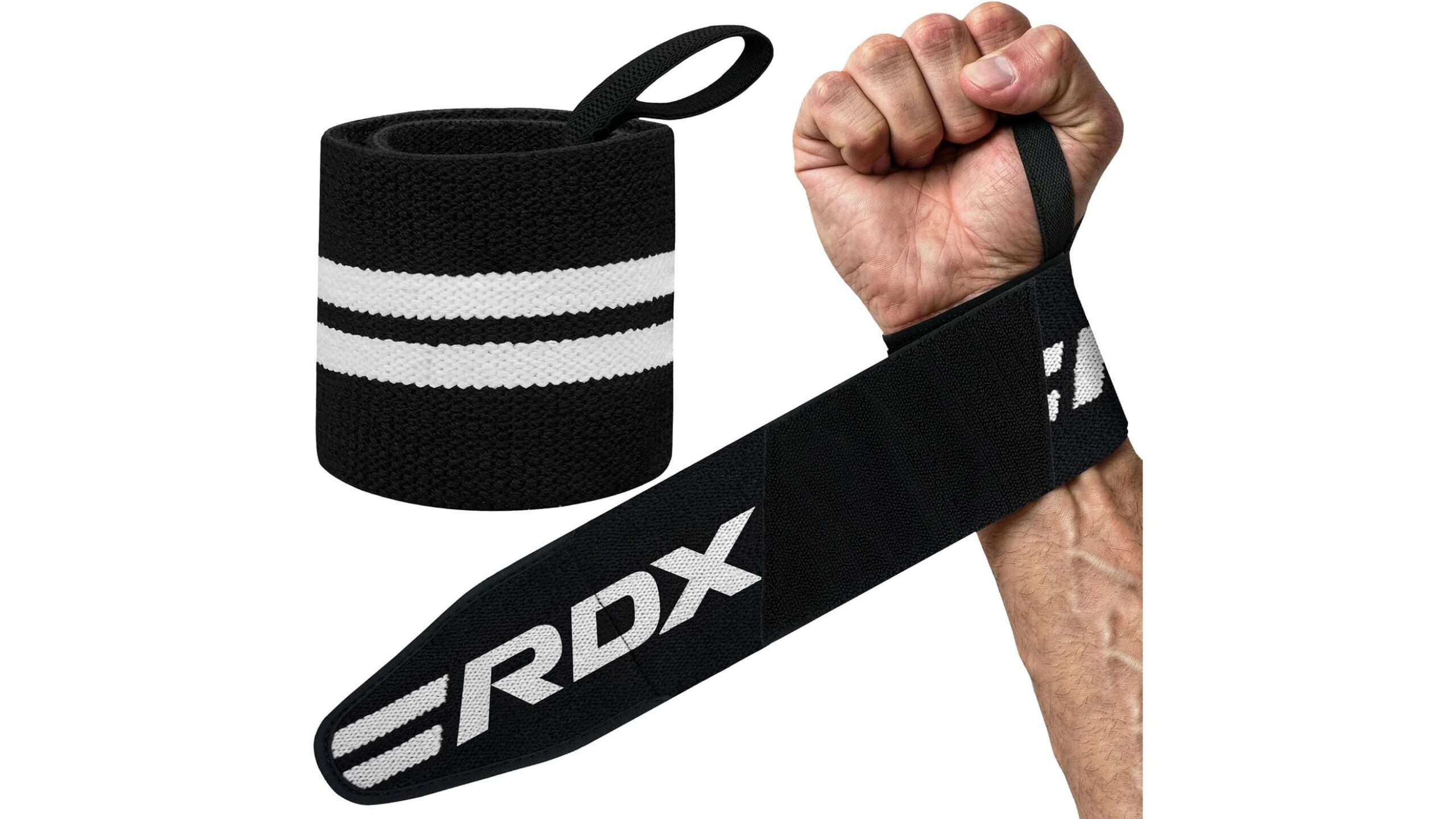
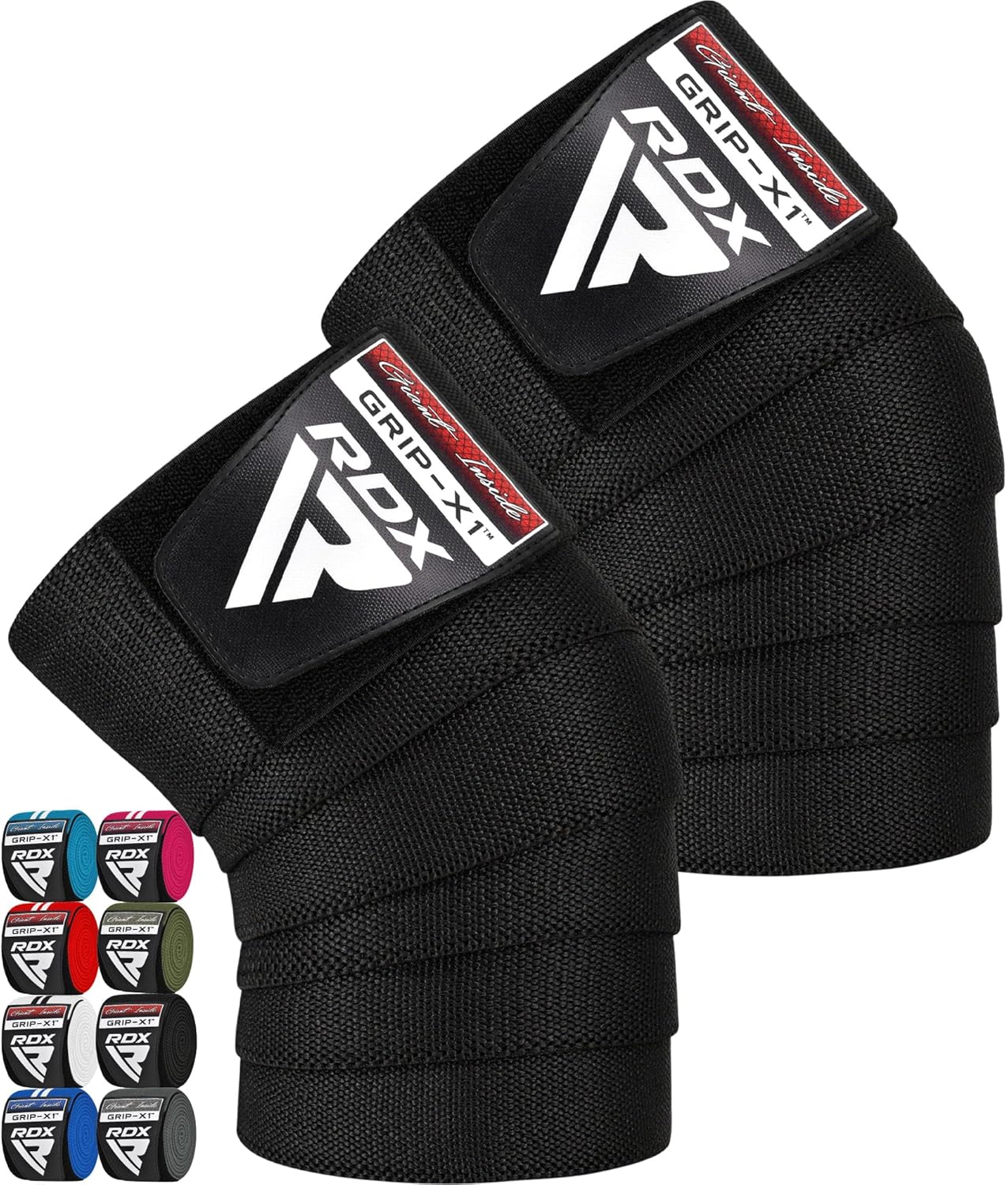
For strength training at home, you’ll most often see three categories of knee support. Knee sleeves are neoprene or fabric tubes that slide over the joint to give light compression and warmth. Knee wraps, like the powerlifting‑style RDX Knee Wraps Pair Weightlifting (https://www.amazon.co.uk/dp/B0BLHC15K1), are long elasticated bands you wrap tightly around the knees for heavy attempts. Finally, patella straps such as the minimalist Bodyprox Patella Tendon Knee Strap 2 Pack (https://www.amazon.co.uk/dp/B07DLFP8Q5) sit just below the kneecap to relieve tendon pain rather than boost performance. Understanding that each tool has a different purpose is the first step in choosing what you actually need for your home gym.
When knee sleeves are genuinely useful
For most home lifters, a simple pair of knee sleeves is the first and only purchase they truly need. A good 5–7 mm neoprene sleeve provides light joint compression and warmth, which can help you feel more stable during high‑rep squats, front squats and leg‑dominant sessions. Sleeves also offer proprioceptive feedback – a subtle reminder of knee position – that can improve your squat technique. They’re best used on working sets rather than every warm‑up rep, and they shouldn’t change how you move: if you rely on them to hide pain, you’re using them wrong. Choose a snug but not circulation‑cutting fit; most brands include a size chart based on knee circumference at the mid‑patella, and lifters focused on long‑term joint health should stay with recommended sizing rather than aggressively sizing down for more compression.
Heavy knee wraps: powerful but optional
Knee wraps are a more specialised tool designed for maximal strength, not everyday home workouts. The RDX Knee Wraps Pair Weightlifting (https://www.amazon.co.uk/dp/B0BLHC15K1) are a good example: 78 inches of elastic cotton and polyester, USPA and IPL approved, built to give serious rebound out of the hole on heavy back squats and leg presses. These wraps can significantly increase the load you move, but they also restrict knee motion and take practice to apply correctly. For beginners and intermediate home lifters, wraps are firmly optional; you’re usually better off investing time in mobility, technique and progressive loading before chasing the extra kilos that wraps allow. If you do use them, reserve them for top sets over about 85–90% of your max, and train lighter work bare‑knee or in sleeves.
Patella straps: targeted help for cranky knees
Unlike sleeves and wraps, patella tendon straps are not performance gear – they’re a targeted solution for specific pain issues like jumper’s knee or mild patellar tendonitis. The Bodyprox Patella Tendon Knee Strap 2 Pack (https://www.amazon.co.uk/dp/B07DLFP8Q5) uses a slim neoprene band and silicone gel pad worn just below the kneecap to reduce strain on the tendon during squats, running and jumping. With over 30,000 reviews and a reputation for taking the edge off pain during activity, it’s a practical option if you’re working around a diagnosed tendon issue while following medical advice. Still, think of straps as a temporary aid: they should sit alongside load management, form work and rehab exercises, not replace them. If your knee pain worsens or persists, stop masking symptoms and consult a professional.
How to size, fit and actually wear them
Whatever support you choose, getting the fit right is crucial. For sleeves, measure the circumference of your knee at the centre of the kneecap with a flexible tape and follow the brand chart; lifters focused on comfort can choose the middle of the recommended range, while competitors might go one size tighter for extra compression. With wraps like the RDX Knee Wraps, the length is fixed, so focus on learning a consistent wrapping pattern that provides firm but not painful compression – your feet shouldn’t go numb between sets. For patella straps such as the Bodyprox Patella Strap, adjust the dual hook‑and‑loop closures until the silicone pad sits snugly over the tendon without digging into the skin. In all cases, if you feel pins and needles, sharp pain or noticeable swelling after use, you’ve tightened them too much or worn them for too long.
Staying strong without relying on gear
The biggest risk with knee supports in a home gym isn’t injury; it’s over‑reliance. Sleeves, wraps and straps should enhance good training, not compensate for poor habits. Make sure the foundations are in place first: adequate warm‑ups, progressive loading, appropriate volume, and solid squat mechanics that keep your knees tracking over your toes. Use sleeves or a patella strap if they make your training more comfortable, but regularly perform lighter sessions with minimal gear so your joints and connective tissues stay robust. Reserve heavy wraps for specific strength blocks or testing days, not every squat session. By treating knee supports as tools rather than crutches, you’ll build strength that lasts – and your knees will still feel good after years of home lifting.