Post-workout soreness is almost a badge of honour when you start a new home workout routine. But when DOMS (delayed onset muscle soreness) is so intense that you struggle to walk down the stairs, it can derail consistency and motivation. Learning how to manage soreness intelligently – with active recovery days, proper sleep, hydration, and strategic rest – is key to making home training sustainable and enjoyable.
Table of contents
Understanding DOMS and “good” vs “bad” pain
DOMS usually appears 24–72 hours after a tough session and feels like a dull, tight ache or stiffness in the muscles you trained. This type of soreness is generally safe: you can move, stretch and train lightly through it. In contrast, sharp, stabbing or one-sided joint pain, swelling, or a sudden “pop” is a red flag. That is not normal post-workout soreness and calls for rest and possibly medical advice. At home, without a coach watching your form, it is crucial to respect these signals. If movement eases the discomfort, you are likely dealing with DOMS. If movement makes it worse, you may need to back off and prioritise recovery.
Active recovery days: move, do not just collapse on the sofa
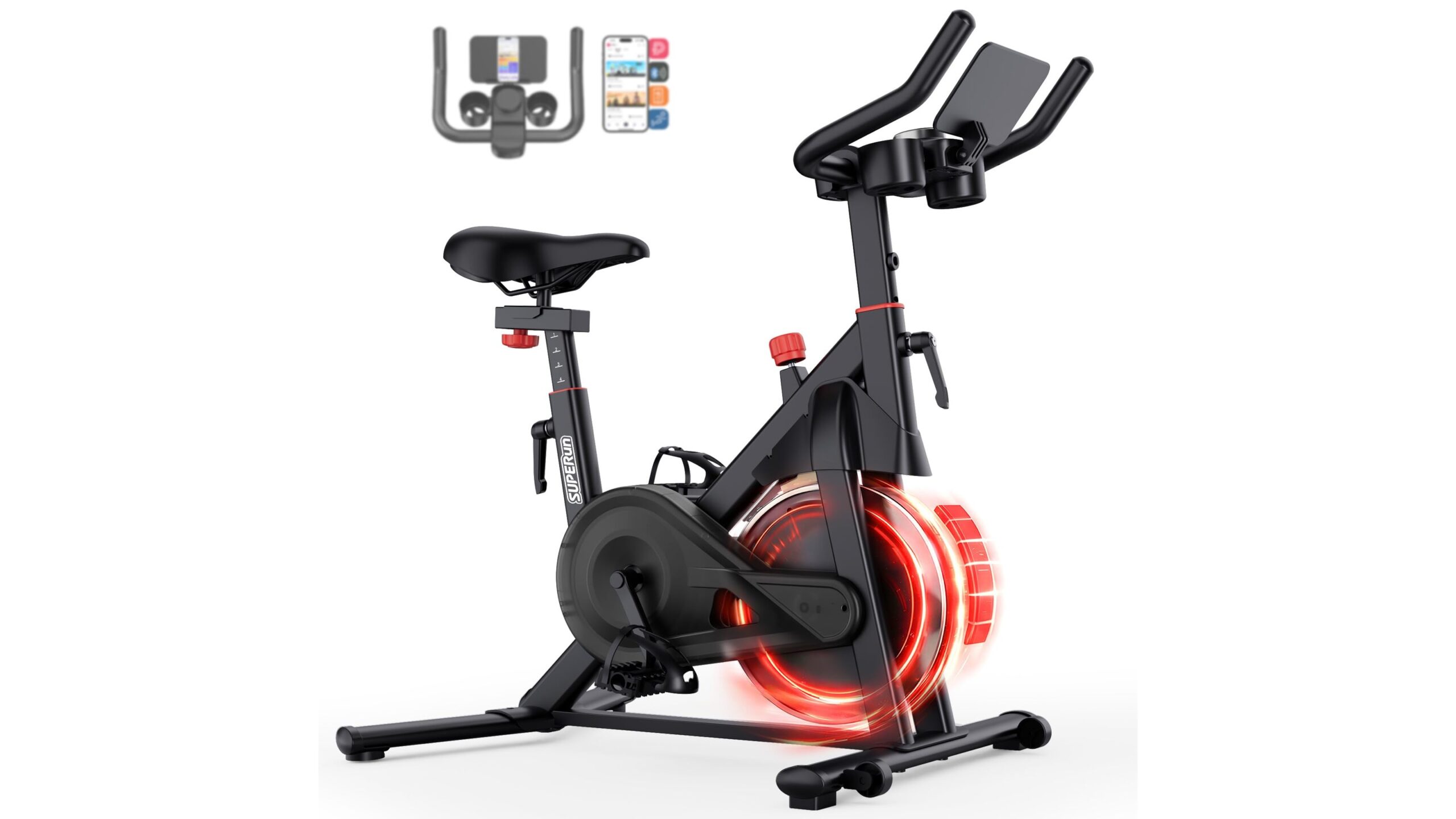
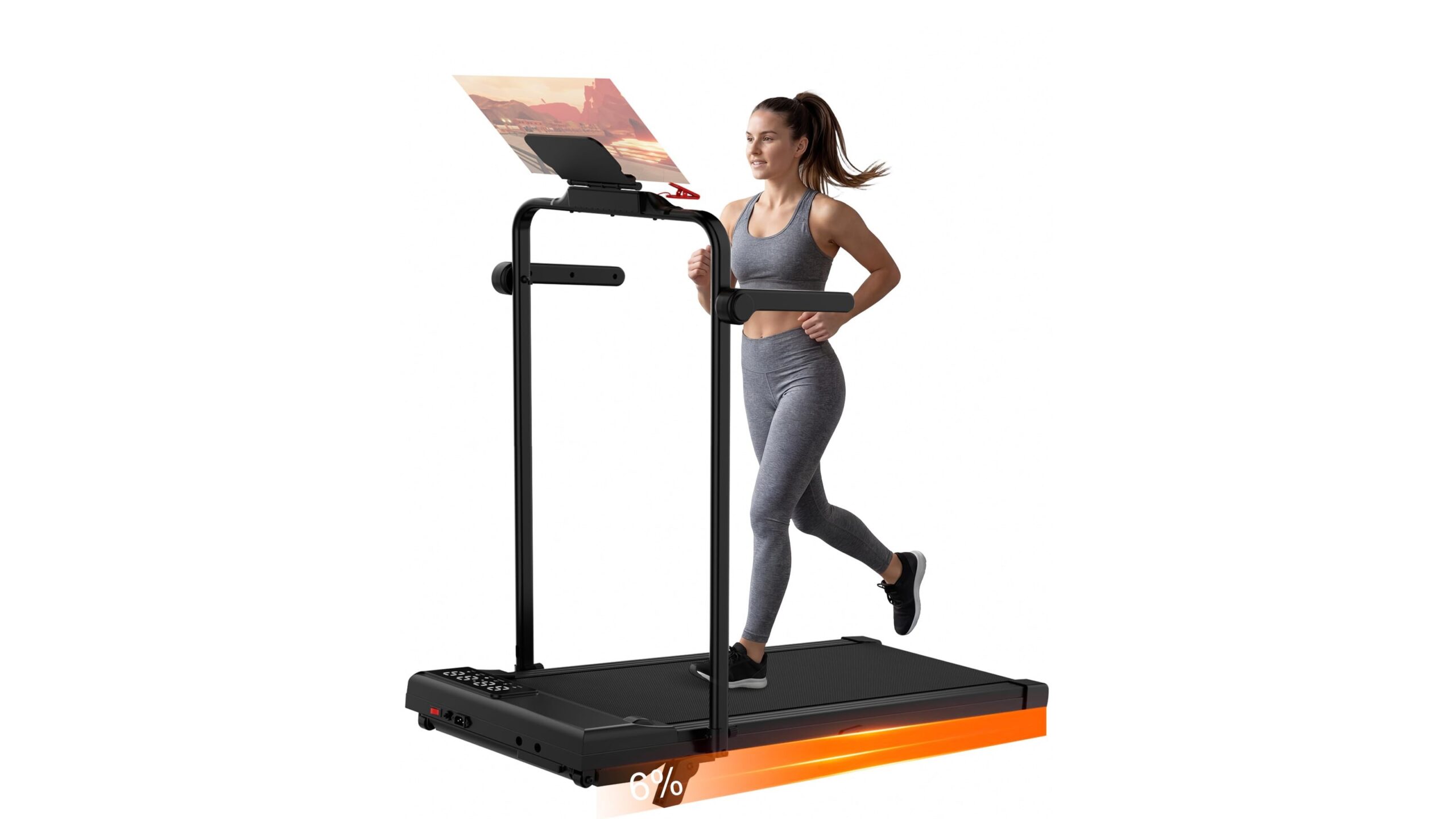
On days when your legs feel like concrete or your upper body is tight from push-ups, swapping an intense workout for an active recovery day can speed up recovery. Think 20–40 minutes of low-intensity activity: brisk walking, gentle cycling on a home bike, light mobility flows or easy bodyweight drills. The goal is to increase blood flow, not to chase a burn or a sweat. Keep effort at a level where you can hold a conversation. This approach flushes metabolic waste products from the muscles and delivers fresh oxygen and nutrients, helping soreness fade faster while still keeping you in the habit of moving.
Warm-ups, cool-downs and smart progression
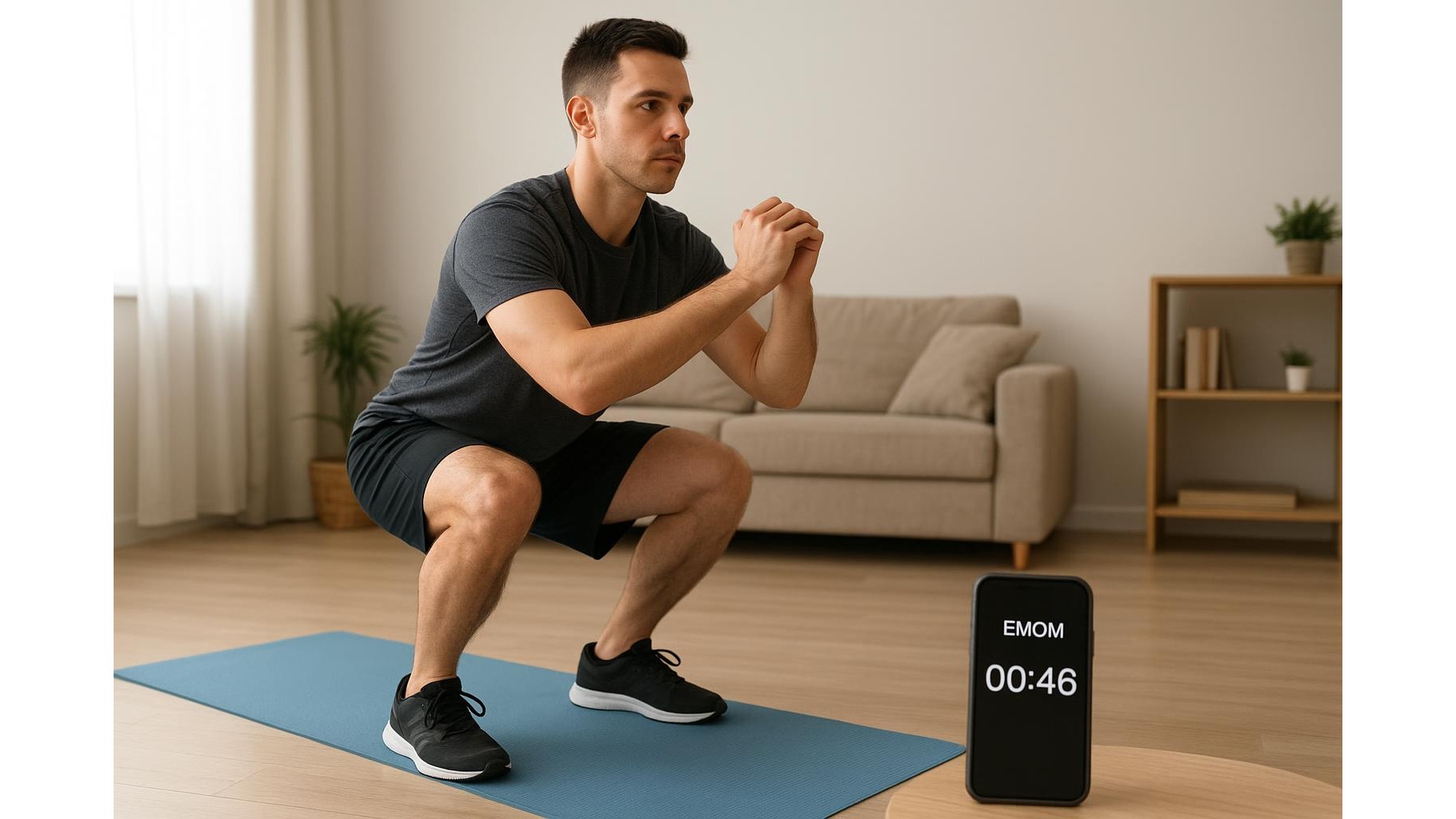
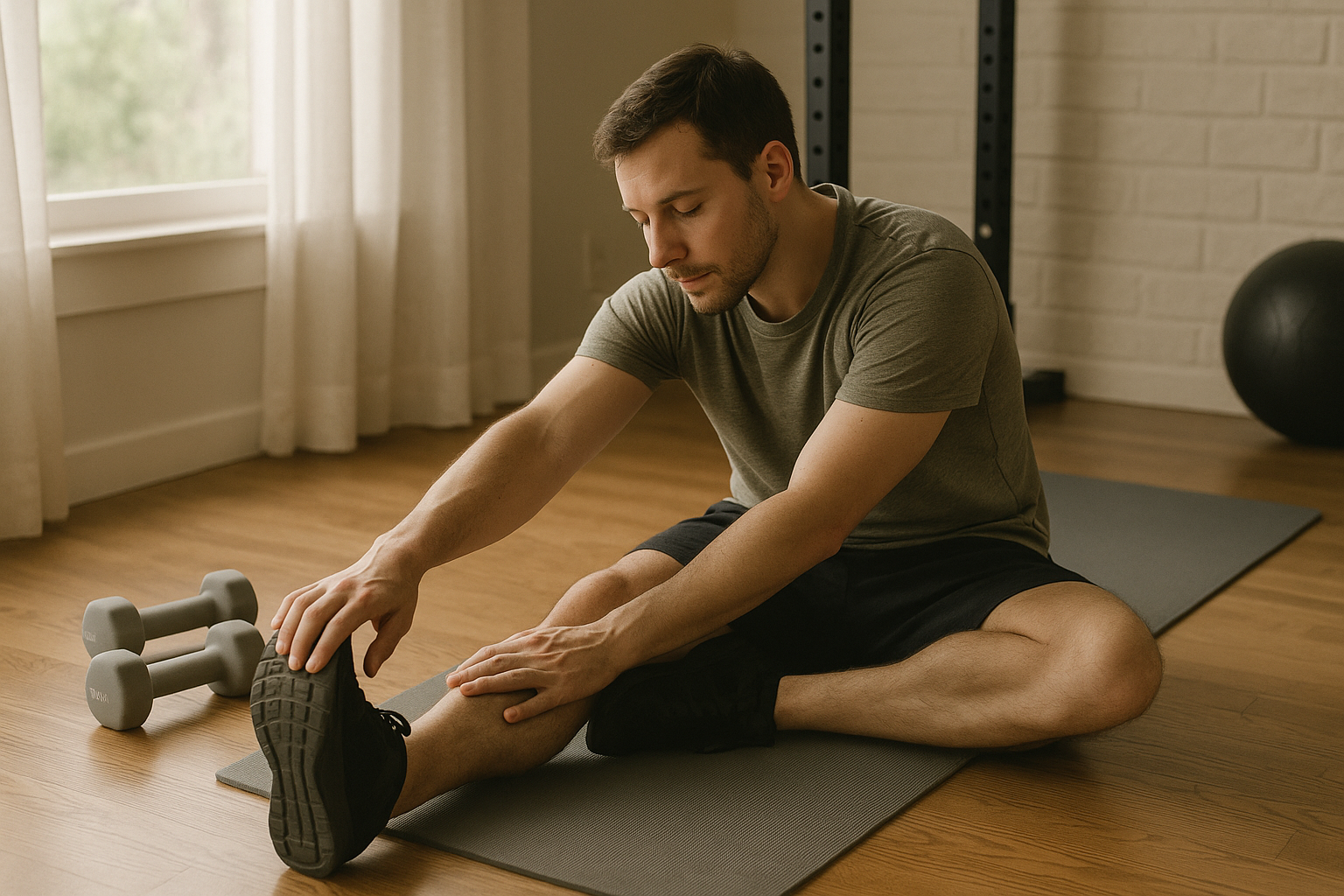
Many people who train at home skip a proper warm-up and cool-down, then wonder why they are wrecked for days. Spend at least 5–10 minutes before each session on dynamic movements: arm circles, hip circles, bodyweight squats, lunges and light band work. After training, cool down with 5–10 minutes of easy walking on the spot and static stretches, holding each for 20–30 seconds. Just as important is how you progress: avoid doubling sets or weights from one week to the next. Increase volume or load by roughly 5–10% at a time. This gradual approach reduces extreme DOMS and keeps your tendons and joints happy, so you can train consistently instead of in painful bursts.
Recovery habits at home: sleep, hydration and nutrition
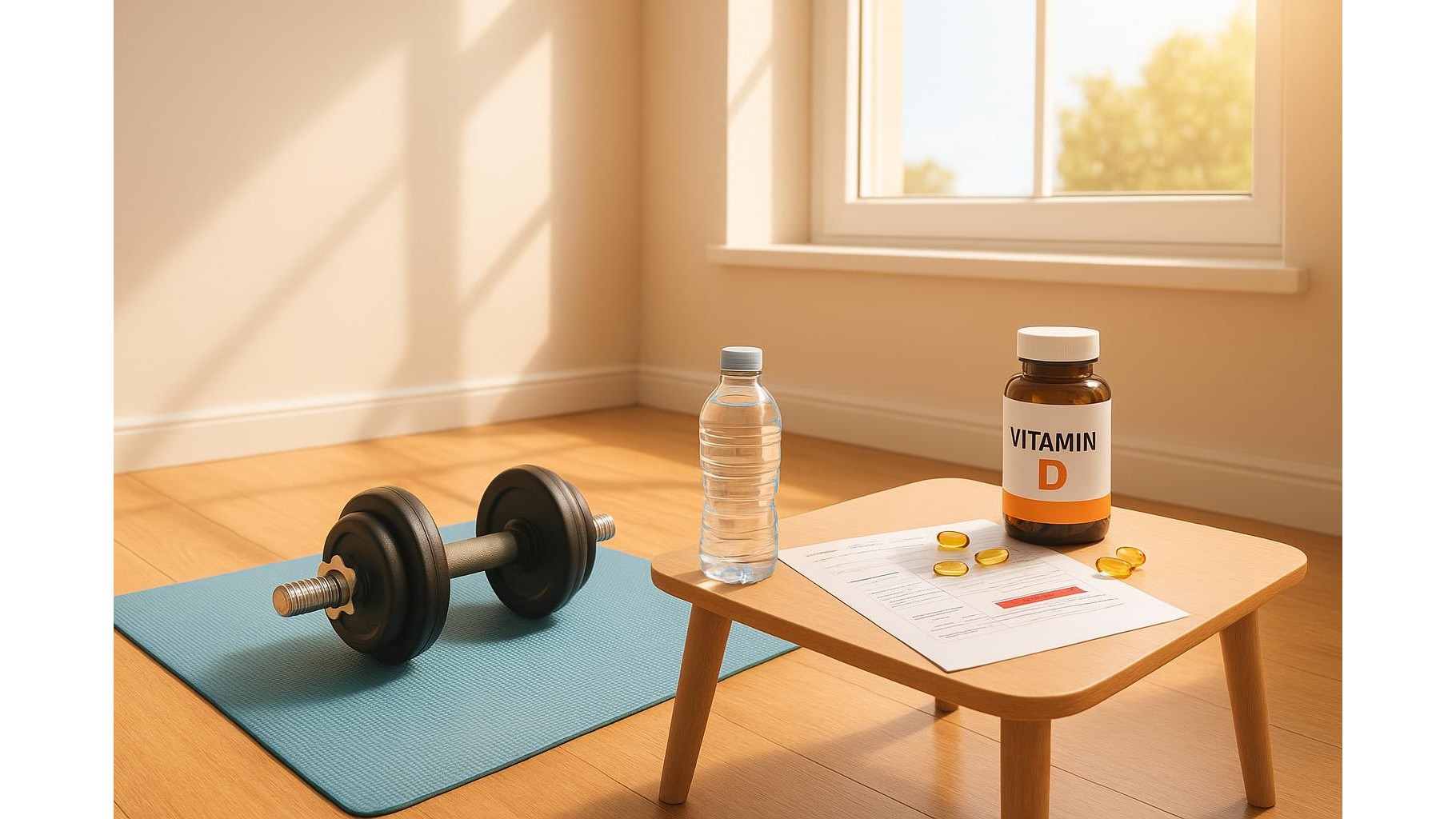
Your muscles do not get stronger during the workout; they adapt when you rest. Aim for 7–9 hours of quality sleep, keeping a regular schedule even on weekends. Poor sleep heightens pain perception and slows muscular recovery, making soreness feel worse. Stay well hydrated: as a simple rule, drink regularly throughout the day until your urine is pale yellow, and add extra fluids around your sessions. Support recovery with balanced meals that include protein, complex carbohydrates and healthy fats. Protein (for example eggs, Greek yoghurt, lean meat, tofu) provides the building blocks for muscle repair, while carbs help refill energy stores and may reduce the severity of soreness after hard training.
When to rest completely instead of pushing through
There is a difference between being a bit sore and being so stiff that basic movements are painful. If DOMS is mild, gentle activity and lighter training are usually fine. But if you are limping, cannot reach overhead comfortably, or notice swelling, bruising, or sharp pain, choose a full rest day or two. Pushing through heavy lifts or intense HIIT at this point increases injury risk and can prolong soreness. Use complete rest days for light household movement, short walks and low-stress activities, and reassess before your next session. Over time you will learn your personal threshold, fine-tuning when to dial back, when to move gently, and when you are ready to ramp intensity back up safely.
Practical strategies to reduce soreness and stay consistent
Managing home workout soreness is not about eliminating discomfort altogether but making it manageable so you can stay consistent. Build every week around a mix of harder sessions and planned active recovery days, avoid huge jumps in training load, and never skip your warm-up or cool-down. Support your body with good sleep, hydration and nutrition, and respect signs of “bad” pain by resting when necessary. With these simple habits, DOMS becomes feedback rather than a barrier, and your home gym turns into a place where you can train regularly, progress safely and actually enjoy the process.