Spending hours at a desk can leave your body tight, sore and low on energy, especially if you also train at home. A short, consistent home stretching routine can undo a big part of that damage. In just 10–15 minutes a day you can reduce stiffness in your neck, shoulders, hips and lower back, move better during your workouts and feel fresher at the end of the workday. This guide walks you through a simple structure you can follow, plus a few basic pieces of home gym equipment that make stretching easier and more effective.
Table of contents
Set up your space and routine
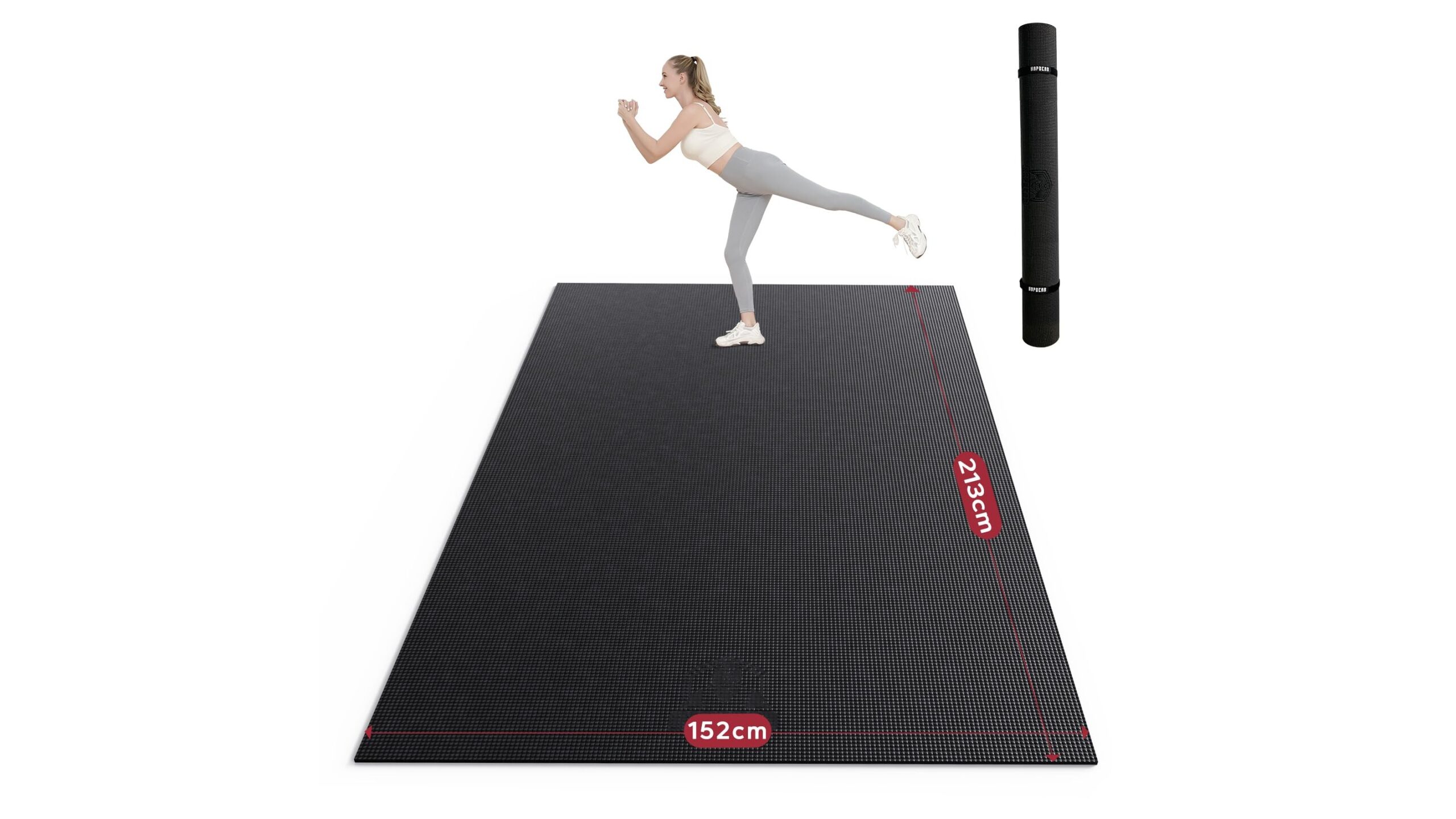
To make your stretching routine stick, start by setting up a small, inviting space. Clear a patch of floor big enough to lie down and invest in a supportive exercise mat such as the UMI Extra Thick Exercise Mat. A mat adds cushioning for your knees and spine, encouraging you to stay in stretches longer and with better form. Place it near your desk or your home gym area so there is no friction to getting started. Block 10–15 minutes in your calendar either at lunch or immediately after you finish work, and treat this block like a non‑negotiable meeting. Consistency beats intensity when it comes to mobility and recovery.
Loosen the neck and shoulders
Desk work often creates rounded shoulders and a forward head position, so begin with gentle neck and shoulder stretches. Sit or stand tall and slowly tilt your ear toward your shoulder, holding for 20–30 seconds per side while breathing deeply. Follow with a chest opener, interlacing your fingers behind your back and gently lifting your hands away from your body. For deeper shoulder work, use a light resistance band like the Coresteady Resistance Bands Set. Band pull-aparts and overhead dislocates (performed slowly and within a pain-free range) help counteract the hunched posture of long computer sessions and improve shoulder mobility for pressing and pulling movements in your home workouts.
Open the hips and hip flexors
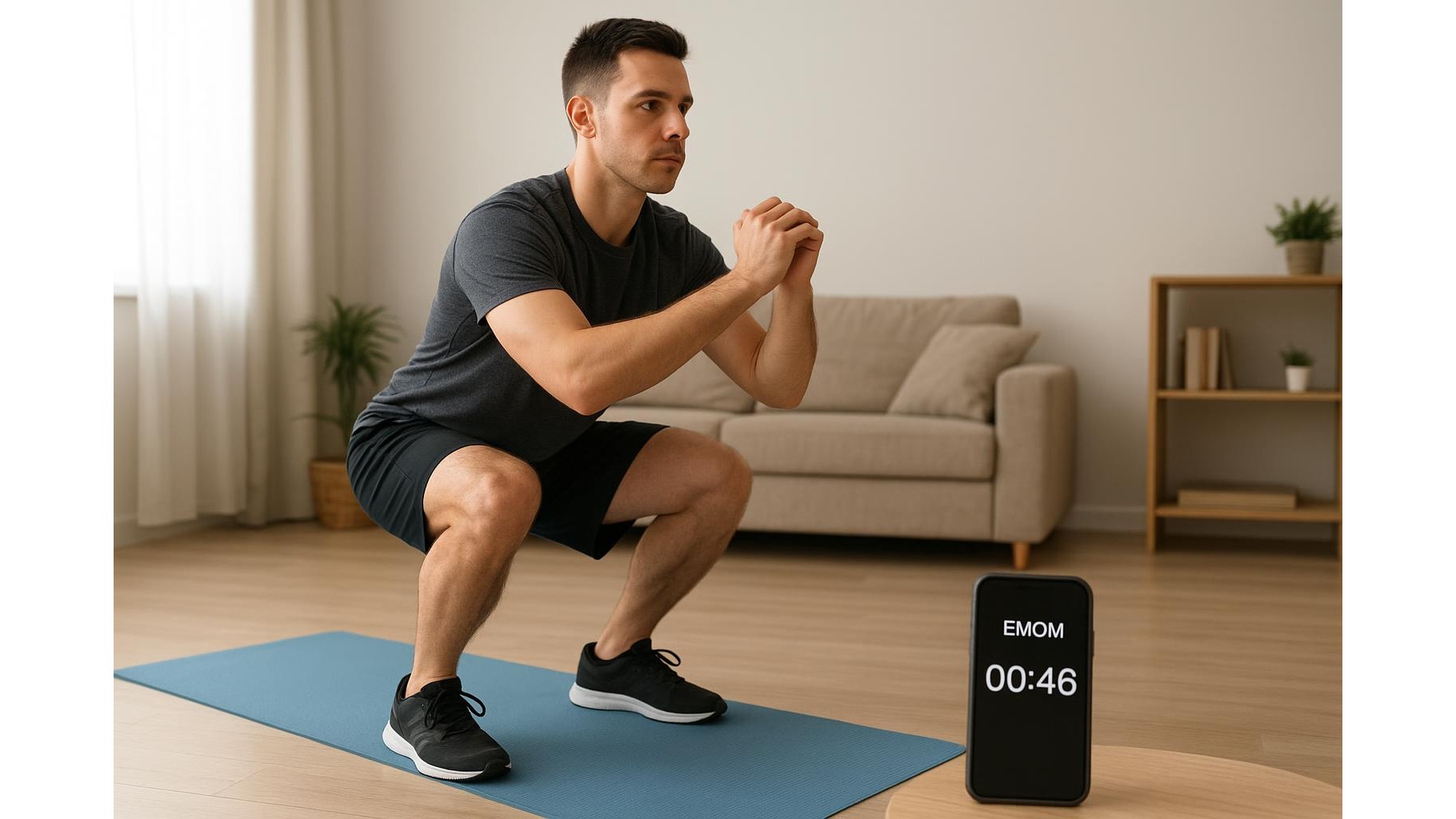
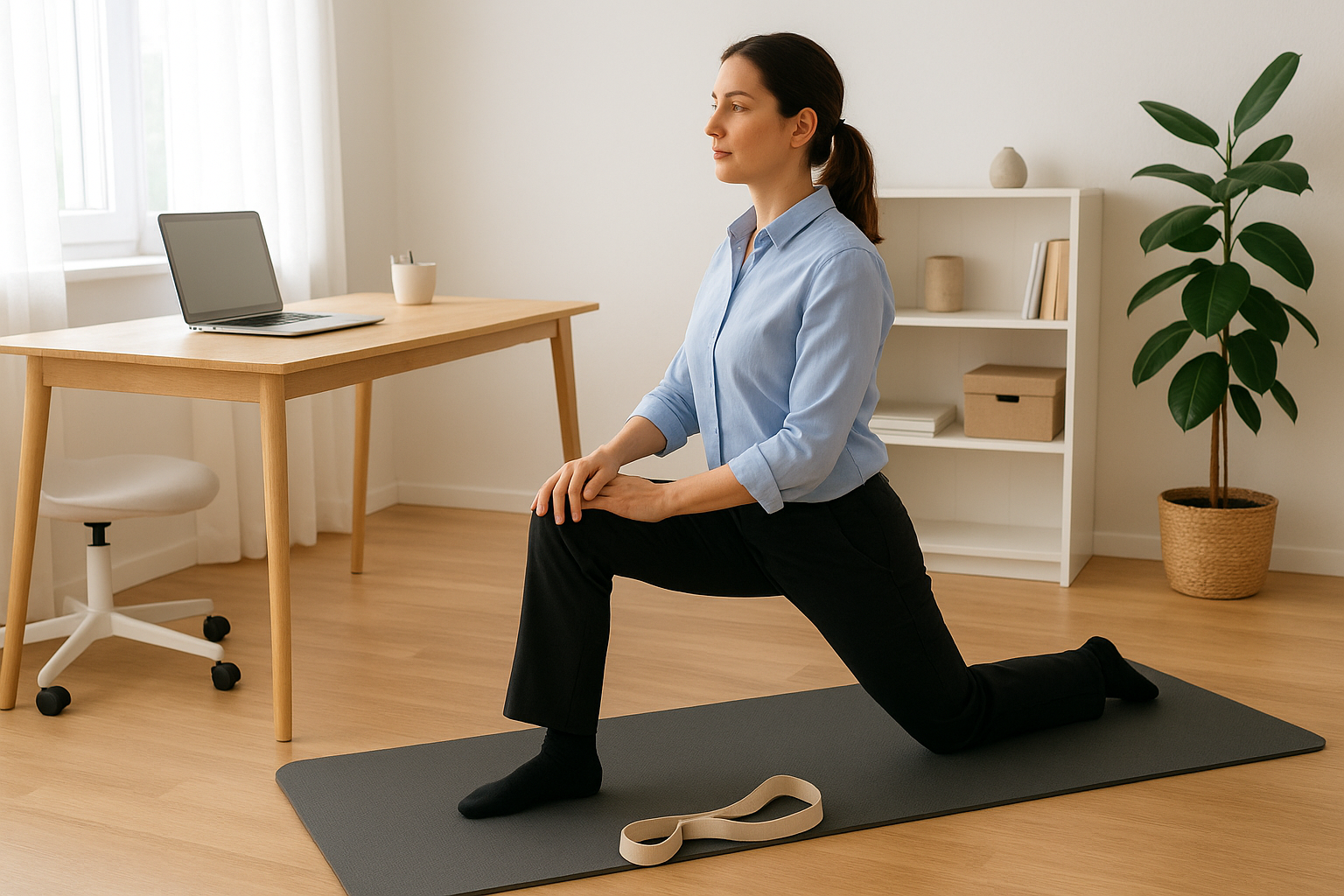
Long hours of sitting shorten your hip flexors and make your glutes lazy, which can contribute to lower back discomfort. Add a half-kneeling hip flexor stretch: place one knee on your mat and the other foot in front, then gently shift your weight forward until you feel a stretch at the front of your hip. Squeeze the glute of the back leg to protect your lower back. Hold 30–45 seconds per side. Then move into a deep squat hold, using a sturdy support or doorframe if you need help with balance. A thicker mat like the UMI Extra Thick Exercise Mat gives your knees and ankles extra comfort here. These hip-focused stretches help restore better alignment, making your squats, deadlifts and lunges feel smoother and stronger.
Mobilise the lower back safely
Your lower back often ends up doing the work that your hips and core should be handling. Instead of aggressive back bending, focus on controlled movement and gentle decompression. Lying on your back, bring both knees to your chest for a lower-back release, then move into a lying twist with arms out to the sides. Keep both shoulders on the mat and let your knees drop gently from side to side. Spend 1–2 minutes here, breathing slowly. You can finish with a cat–cow sequence on all fours, rounding and extending your spine in sync with your breath. Using a cushioned mat such as the UMI Extra Thick Exercise Mat reduces pressure on your wrists and knees, helping you relax into the movement and focus on quality reps.
Add straps for deeper, safer stretches
For many desk workers, hamstrings and calves are tight, which can further stress the lower back. A simple stretching strap helps you access deeper stretches without straining. Lying on your back, loop a yoga strap like the Tumaz Yoga Strap around the mid‑foot and gently straighten the leg toward the ceiling, keeping your other leg bent or straight on the floor. Hold for 30–45 seconds, then switch sides. The strap lets you maintain alignment and control the stretch intensity, instead of yanking on your leg or rounding your spine. You can also use the same strap for shoulder mobility drills and gentle assisted chest openers, making it a compact, versatile tool for any home stretching kit.
Build consistency and progress over time
To turn this into a long-term recovery habit, keep your routine simple and repeatable. Aim to perform 2–3 stretches for the neck and shoulders, 2 for the hips, and 2–3 for the lower back and hamstrings, cycling through them in 10–15 minutes. Use basic tools – a quality mat like the UMI Extra Thick Exercise Mat and a strap such as the Tumaz Yoga Strap – to make each position more comfortable and controlled. Over time, you can gradually extend hold times, add gentle mobility drills and integrate this mini-session before or after your home workouts. The key is daily practice: with consistent stretching, you’ll feel less stiff at your desk, recover faster between sessions and move with more confidence in every part of your training.
By carving out a short window each day and using a few simple pieces of home gym equipment, any desk worker can build an effective home stretching routine. Focus on the major tension zones – neck, shoulders, hips and lower back – and prioritise relaxed breathing and good alignment over intensity. Over weeks and months, these small sessions add up to noticeable improvements in posture, reduced aches and better performance in your home workouts. Start with a mat and a strap, follow this structure, and let stretching become a non‑negotiable part of how you support your body and your training.