Creating a dedicated home recovery corner is one of the simplest ways to improve your mobility, reduce muscle soreness and stay consistent with stretching and self‑massage. You do not need a full room or expensive machines: just a small, organized space and a few smart tools can turn a corner of your living room, bedroom or home gym into a relaxing recovery zone that you will actually use.
Table of contents
Choosing the right spot for your recovery corner
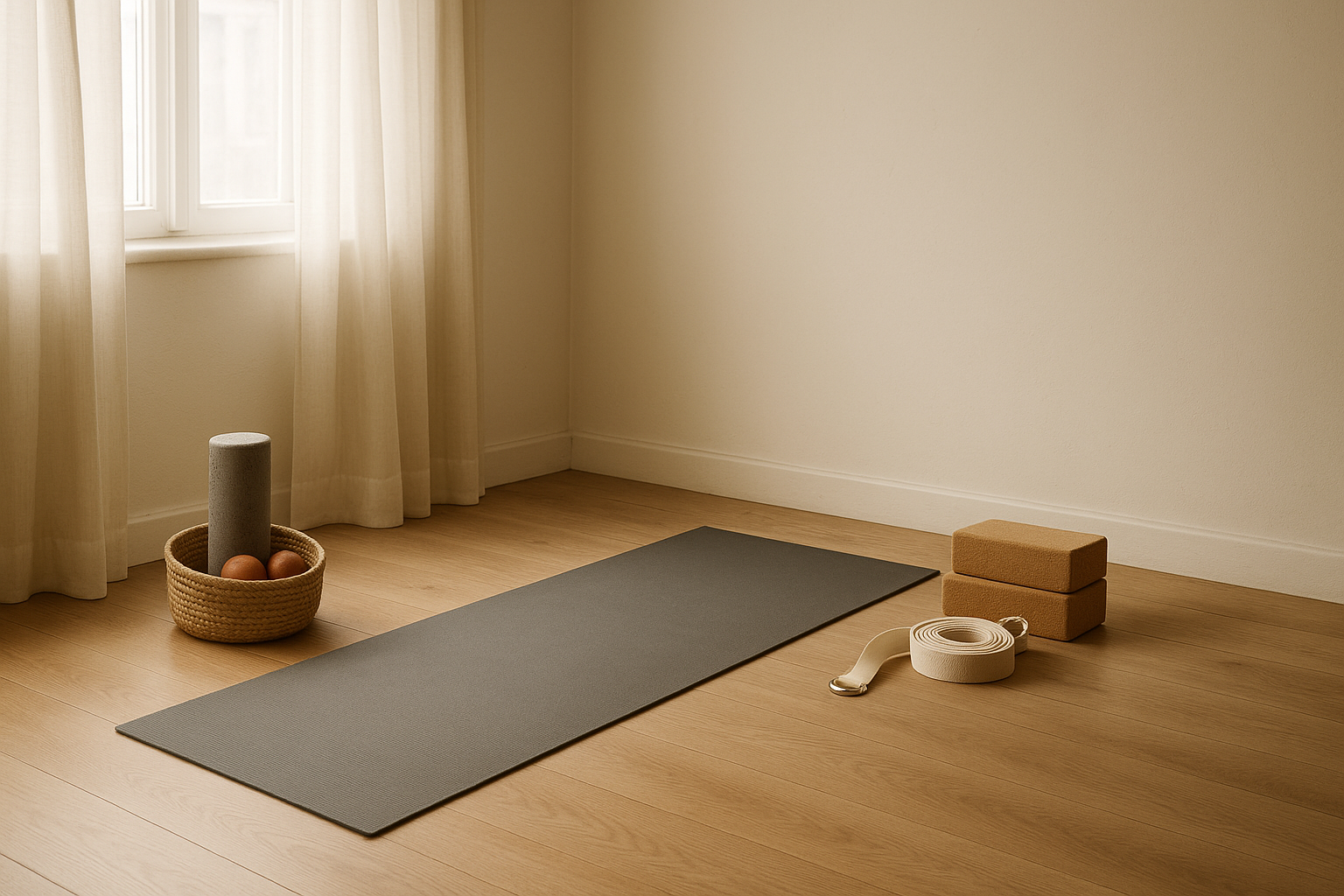
The best recovery corner is somewhere you can comfortably lie down and move your limbs without hitting furniture. Aim for enough floor space for a full‑body stretch, ideally the length of a standard yoga mat. Pick a calm area with good airflow and soft lighting so it feels inviting, not clinical. If possible, keep this space separate from your work desk to help your brain associate it with relaxation and body care. A basket or small shelf nearby will help you keep all your recovery tools together and ready to use.
Essential foundation: mat and basic props
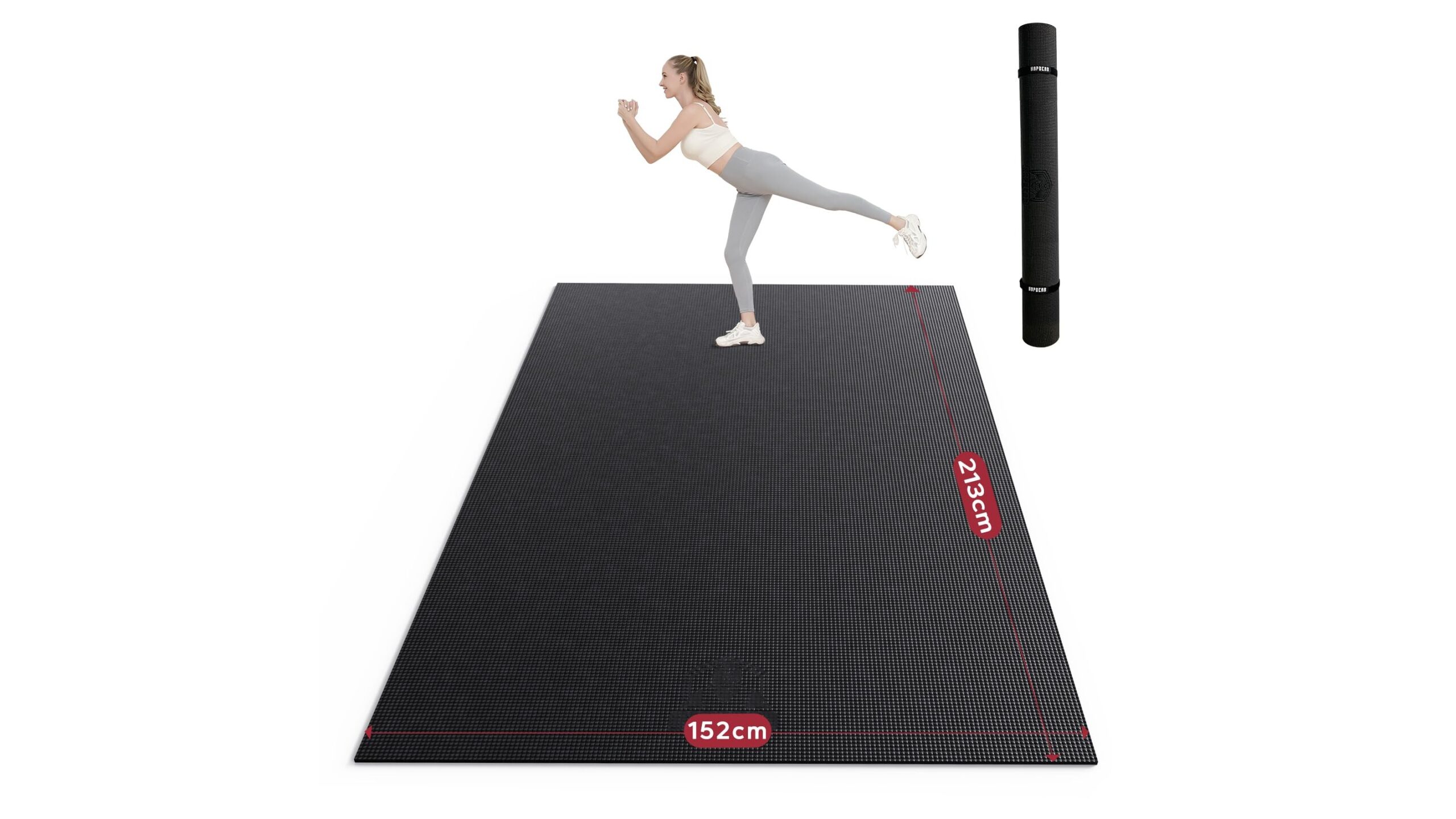
The base of your recovery corner is a comfortable, non‑slip exercise mat. A thick yoga or pilates mat cushions your knees and spine while keeping you stable in standing stretches. Add a simple yoga strap or belt to assist with hamstring, hip and shoulder stretches when mobility is limited. A pair of yoga blocks gives you extra support: you can sit on them to keep your spine tall, rest your hands on them in deep lunges, or place them under your back to gently open the chest. These basic props make stretches more accessible and allow you to hold positions longer without discomfort, which is key for improving flexibility.
Self‑massage tools for deep relief
To upgrade your home recovery space, include a few targeted self‑massage tools. A medium‑density foam roller is ideal for large muscle groups like quads, hamstrings, glutes and upper back, helping to release tight fascia and improve circulation after workouts or long days at a desk. Complement it with one or two massage balls: a firmer ball works well for the feet and glutes, while a slightly softer ball is useful along the upper back and shoulders against a wall. These compact tools allow you to reach stubborn trigger points that stretching alone cannot address, reducing tension and speeding up recovery.
Organizing your tools for daily use
Once you have your mat, strap, blocks, foam roller and massage balls, keep them visible and easy to grab so your recovery routine feels effortless. Store everything in a woven basket, small crate or open shelf right next to your chosen spot. Roll the mat and stand it upright, place smaller tools in front so you see them every day. You can also keep a small timer or use your phone to set 10–15 minute sessions. A printed card or note on the wall listing your main stretches and self‑massage moves will remove guesswork and make it more likely you actually use the corner regularly.
Simple routines to improve mobility and reduce soreness
To get results from your home recovery corner, follow a simple, repeatable routine three to five times per week. Start with 3–5 minutes of foam rolling major muscle groups, then move into 8–10 minutes of static stretching using your strap and blocks: focus on calves, hamstrings, hip flexors, glutes, chest and shoulders. Finish with 3–5 minutes of targeted massage ball work on tight spots like feet, glutes and upper back. Breathe slowly and hold each stretch for at least 30 seconds, avoiding sharp pain and staying just at the edge of tension. Over time, this consistent approach will improve your flexibility, reduce next‑day soreness and help your body bounce back faster from both training and daily life.
By dedicating a small, organized space to recovery, you turn stretching and self‑massage into a simple daily habit instead of an occasional extra. With just a supportive mat, a strap, a couple of blocks and a few massage tools, your home recovery corner can become a powerful ally for better mobility, less tightness and a more resilient body.