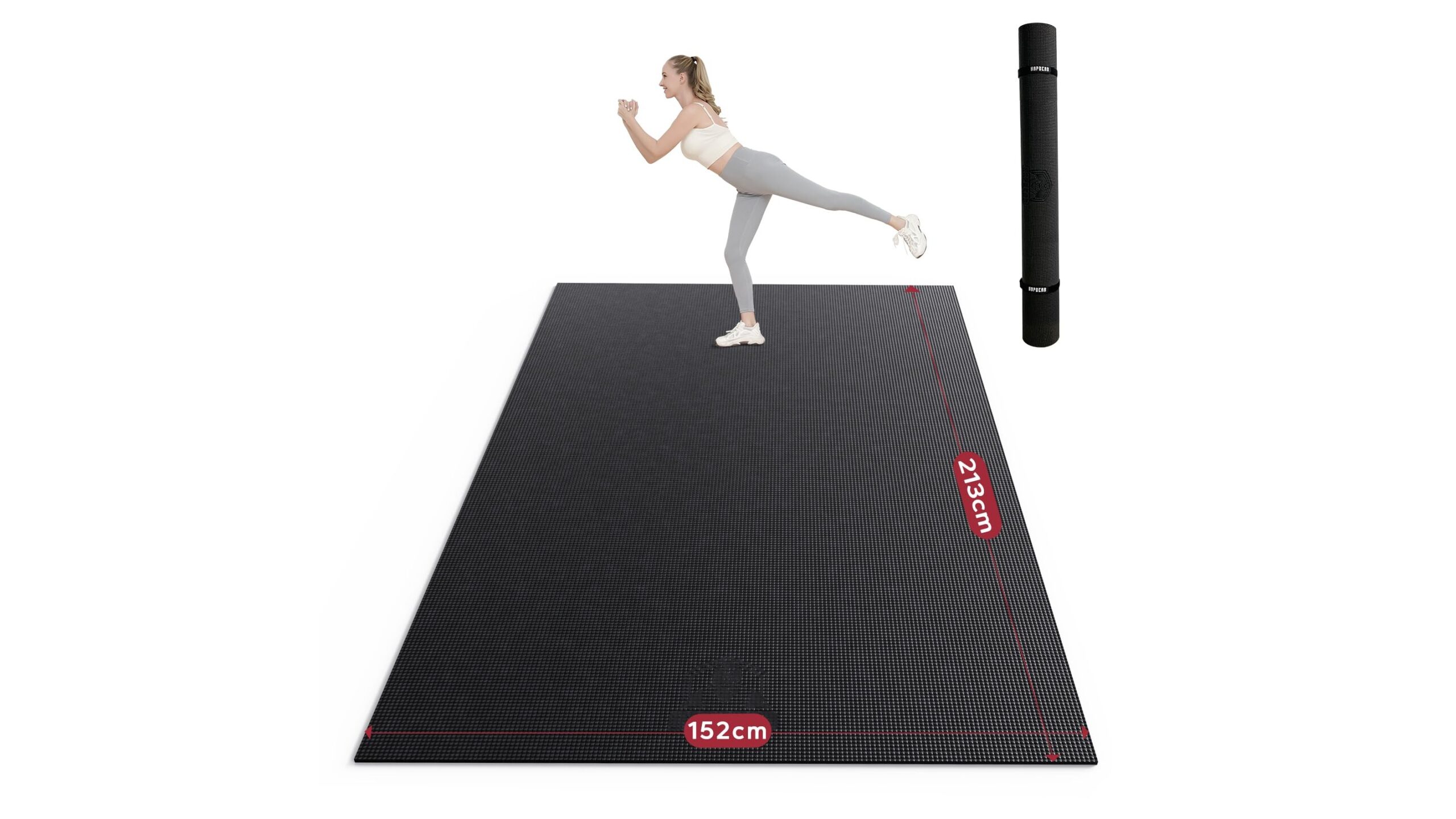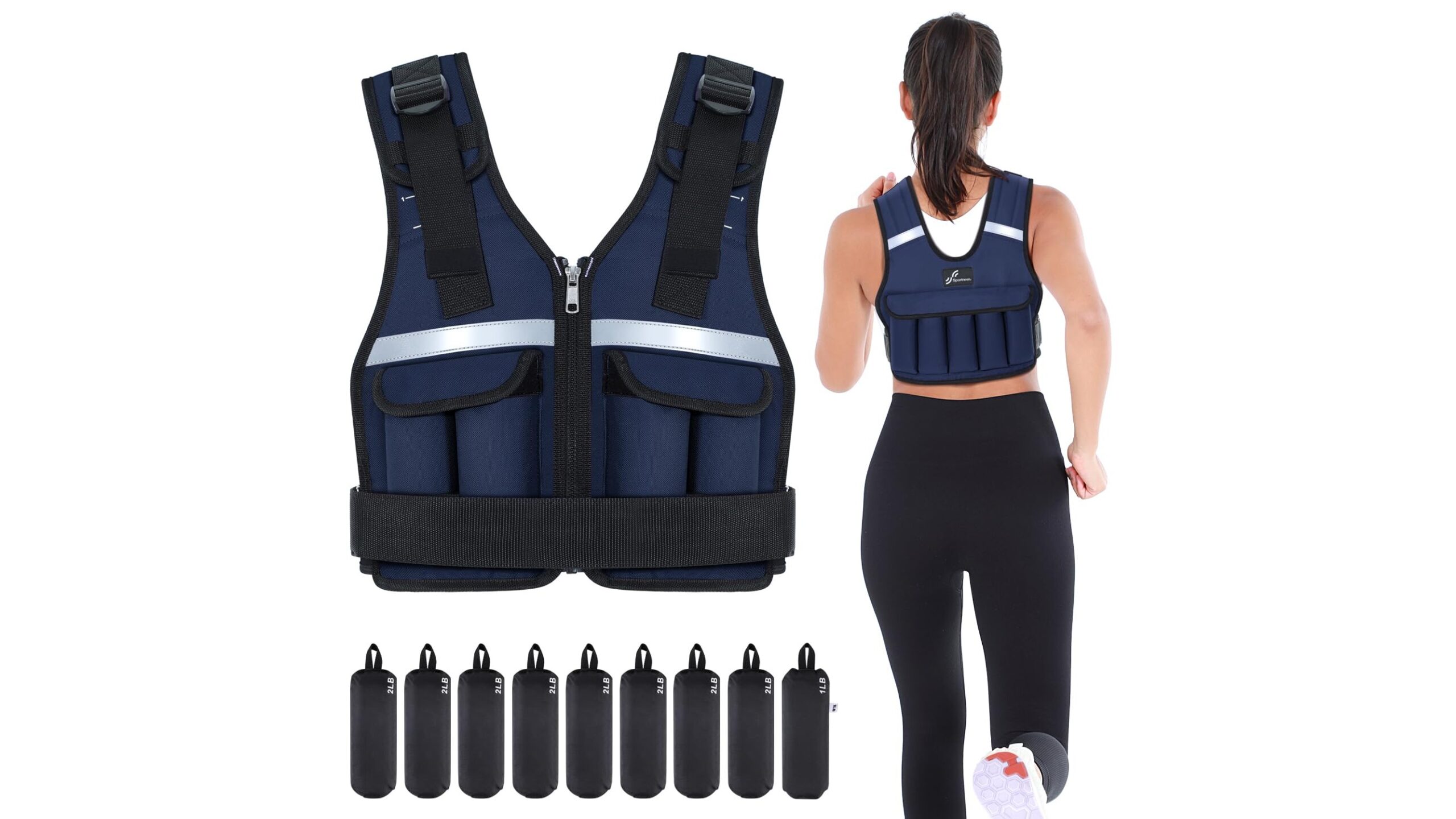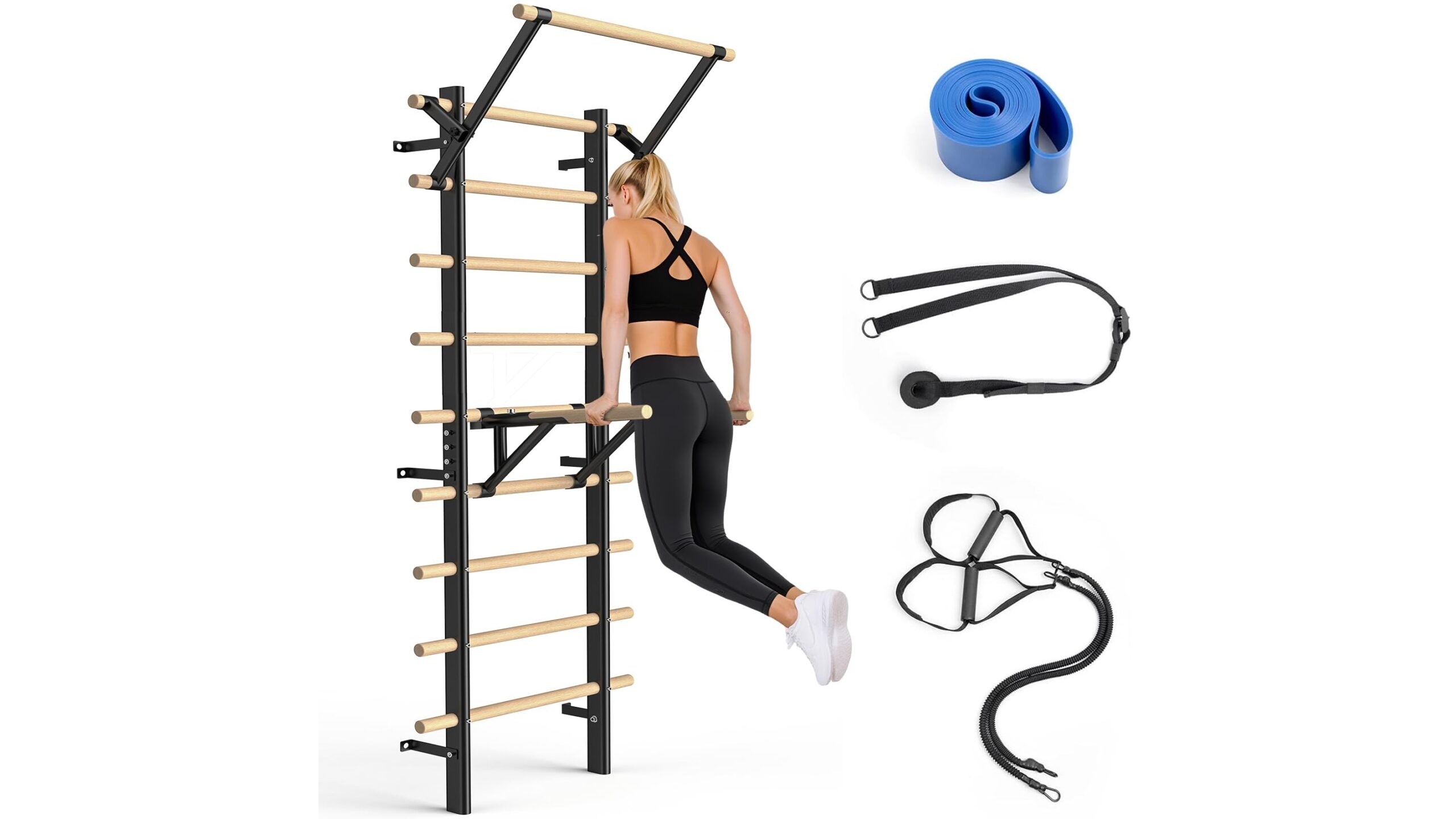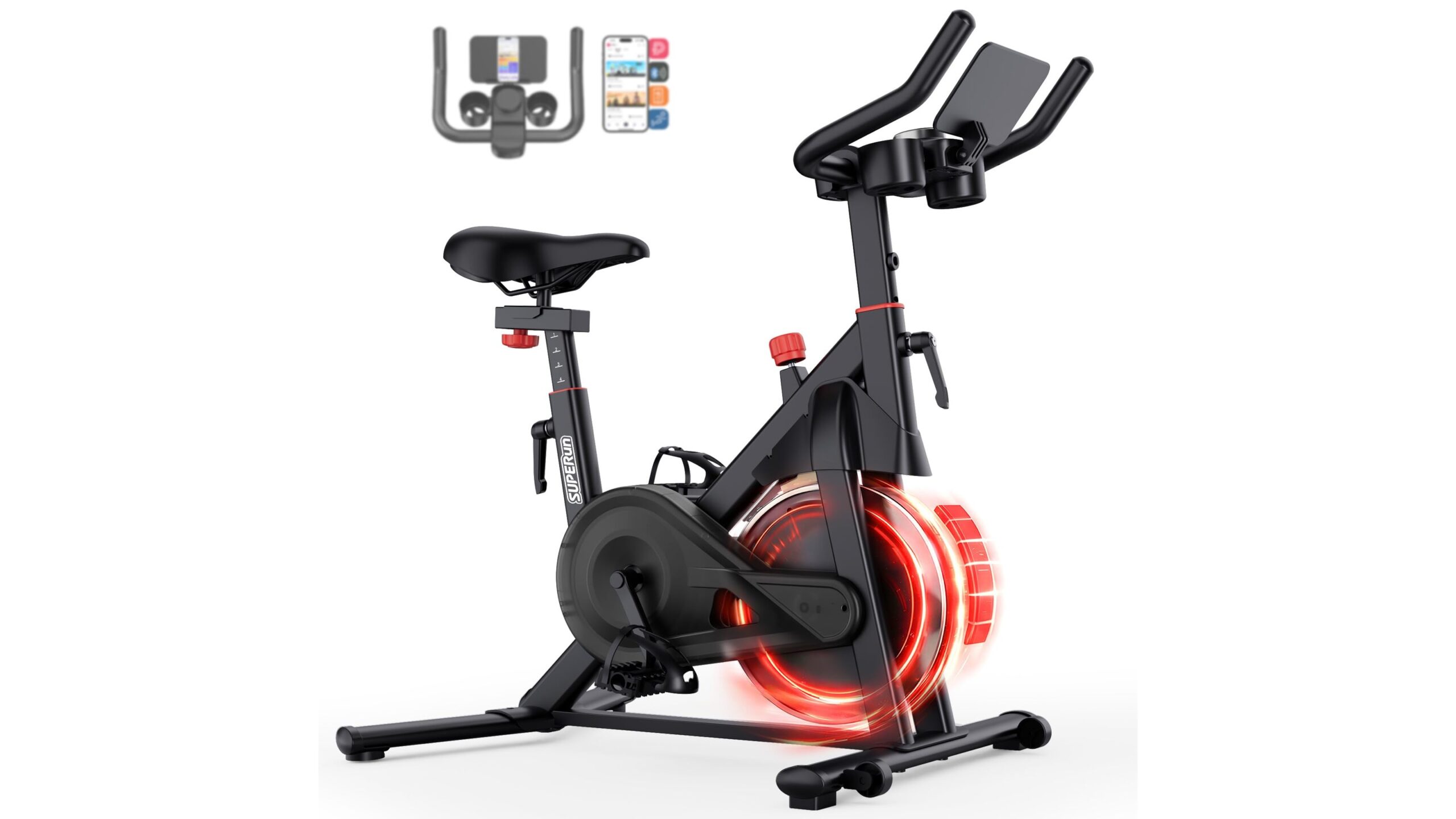
Training at home can be empowering, convenient and cost‑effective, but it also means you are your own coach. Without the eyes of a trainer, it’s easy to miss the warning signs of injury and accidentally push too far. Recognising key home workout injury red flags helps you decide when to keep going, when to rest or modify, and when it’s time to seek professional help so you can keep progressing safely.
Table of contents
Recognising the main injury red flags
Not all discomfort is dangerous. Mild, symmetrical muscle burn and fatigue are normal parts of strength training. Red flags are different: sharp or stabbing pain, pain that appears suddenly during a specific movement, or pain that forces you to change how you move. Other warning signs include joint swelling, visible bruising without a clear reason, tingling, numbness or weakness in a limb, and pain that worsens at night or with every session. If you feel a pop in a joint, lose strength suddenly, or cannot bear weight on a leg, stop the workout immediately. These signs suggest more than simple soreness and should never be ignored, even in a home gym setting.
When to rest and when to modify your workout
Use a simple rule: if pain is more than mild and does not ease as you warm up, rest the area. For example, if your shoulder hurts during push‑ups, avoid pressing movements for a few days and focus on lower‑body training or core work instead. Modify exercises by reducing range of motion, lowering the load or choosing joint‑friendly variations like incline push‑ups instead of floor push‑ups. Always prioritise proper technique over extra reps. A small home mirror or recording yourself on video can help you check your form and spot compensations like twisting, shrugging or leaning to one side. If pain improves with rest and light movement, you can gradually reintroduce the original exercises, but stop again if symptoms return.
Safe use of home equipment and load management
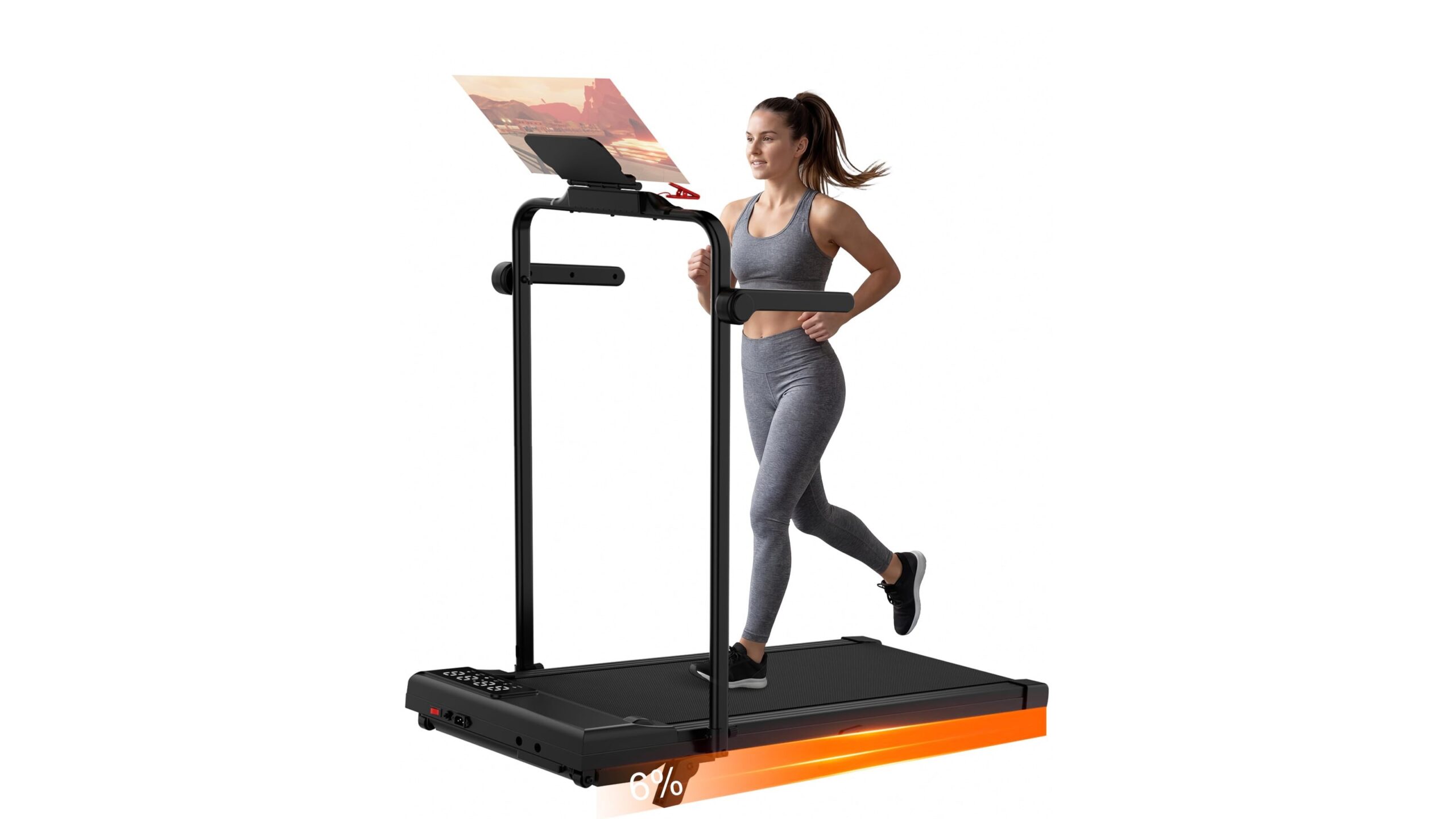
Many home injuries come from progressing too quickly with resistance bands, dumbbells or bodyweight drills. Follow the 10% rule: increase total training volume (sets, reps or weight) by no more than about ten percent per week. Warm up with dynamic movements that target the joints you’re about to use: bodyweight squats before loaded squats, or arm circles and wall slides before pressing work. Keep your training space clear to reduce trip and fall risks, and avoid unstable surfaces if your balance or ankles are already a weak point. Pay attention to your overall fatigue, sleep and stress levels; if you feel unusually tired or sore before you begin, treat the session as a lighter recovery workout rather than a personal‑best attempt.
Self‑care strategies that support recovery
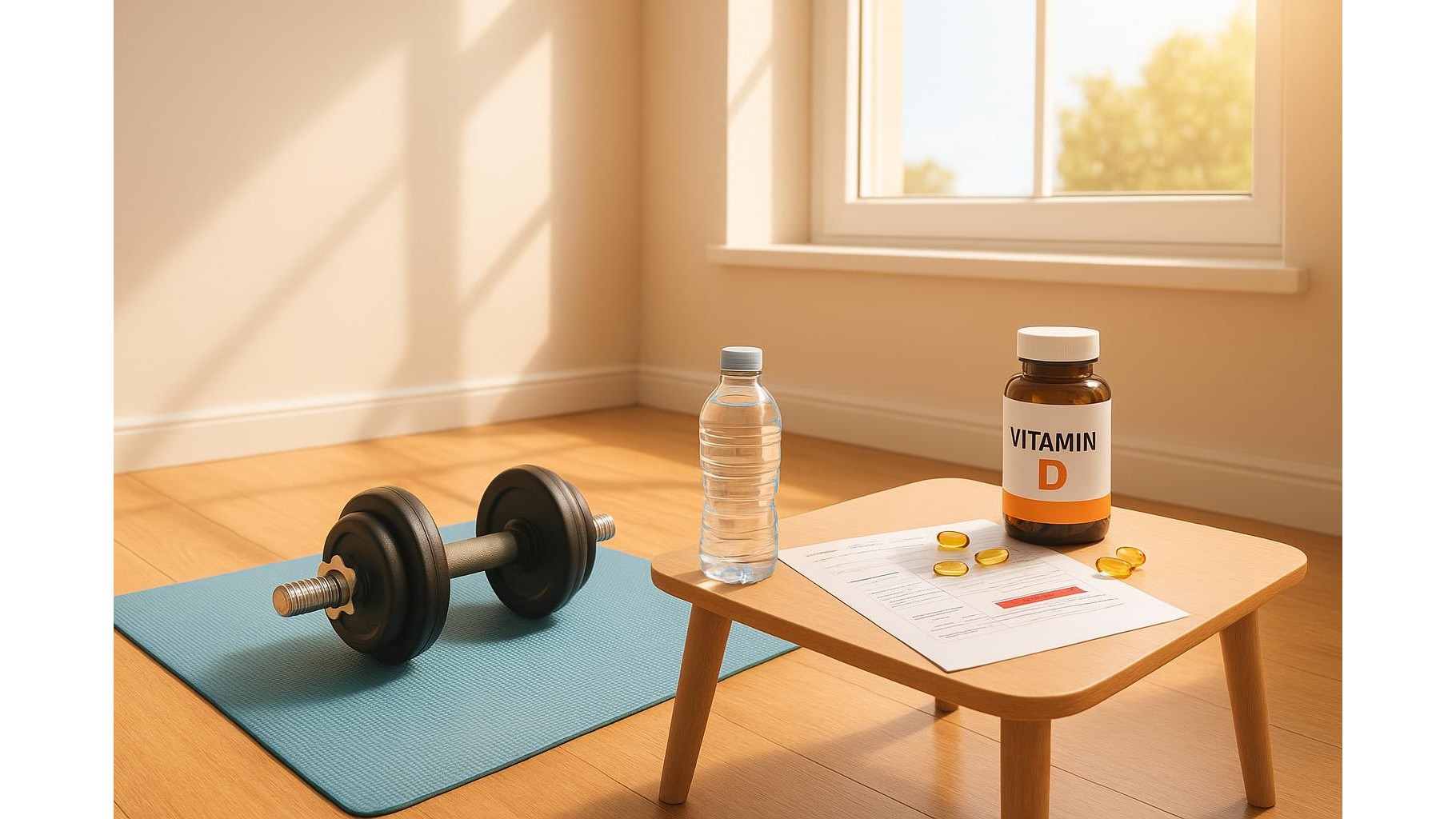
When you notice early warning signs, smart self‑care can prevent a minor issue from becoming a long‑term injury. For most overuse aches, a mix of relative rest, gentle mobility work and gradual re‑loading works well. Applying cold in the first 24–48 hours after a flare‑up can help manage pain and swelling; later, light heat and movement may feel better for stiff muscles. Prioritise sleep, hydration and nutrition, as they play a huge role in tissue repair. Low‑impact activities like walking or easy cycling keep blood flowing without over‑stressing joints. Listen to your body’s response: if pain decreases day by day and your movement quality improves, you’re heading in the right direction. If every attempt to return to training triggers the same pain pattern, it’s time to reassess your plan.
When to call a physiotherapist or doctor
Some red flags mean you should stop home treatment and contact a health professional. Seek medical or physio support quickly if you experience severe or escalating pain, significant swelling or deformity after a twist or fall, inability to walk or lift an arm, or persistent numbness, tingling or weakness. Pain that lasts more than 10–14 days despite rest and modifications also deserves expert assessment. A physiotherapist can identify movement faults, create a tailored rehab plan and advise which home exercises are safe to continue. Early guidance reduces the risk of chronic problems and lets you return to your home workouts with confidence, clear progressions and better body awareness.
Training at home should build you up, not break you down. By learning to recognise injury red flags, adjusting your sessions intelligently and knowing when to involve a professional, you can enjoy consistent progress while protecting your joints, muscles and long‑term health. Listen to your body’s signals, give recovery as much respect as hard work, and your home gym will stay a place of sustainable, pain‑free improvement.