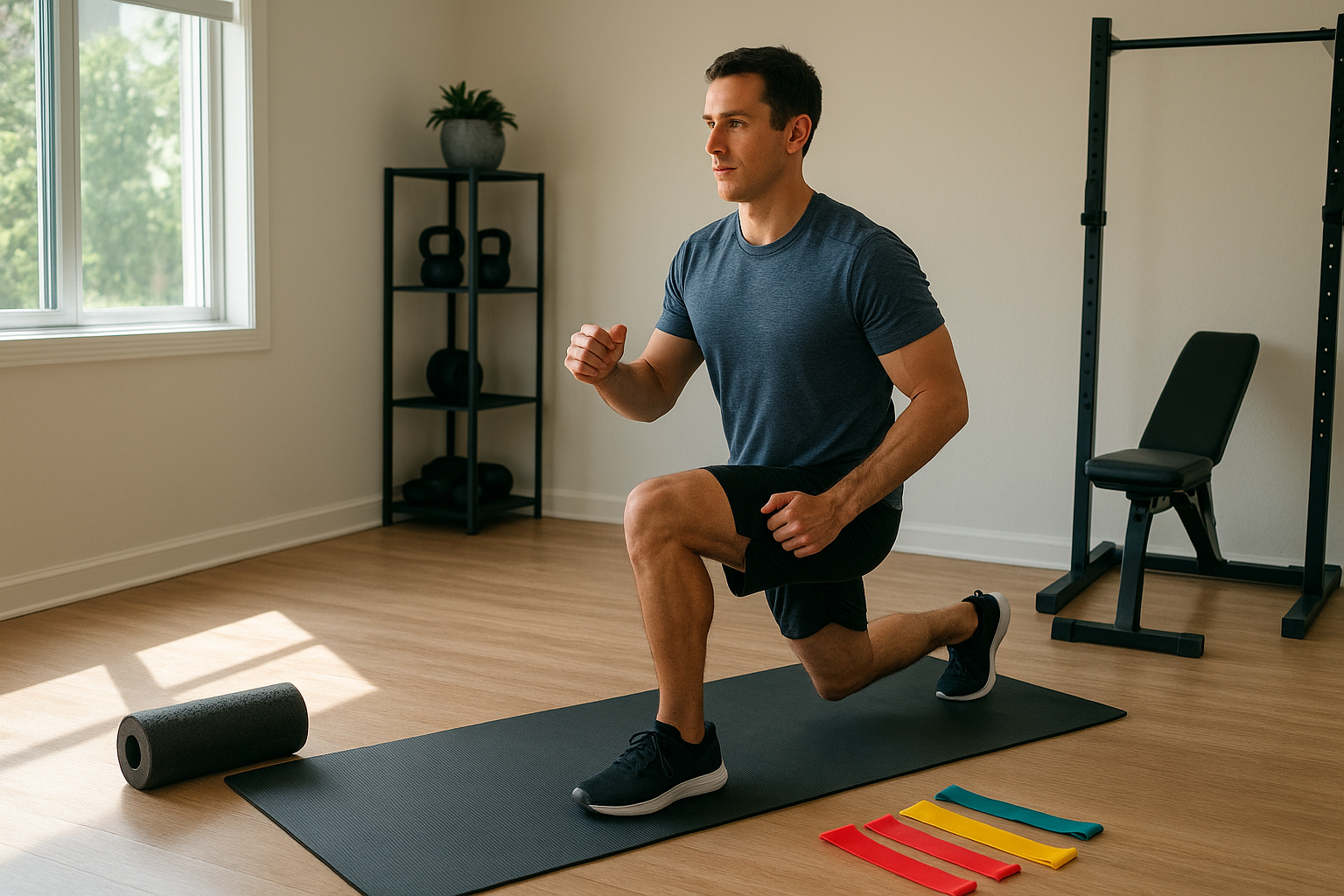
Skipping your home warm-up is one of the fastest ways to invite niggles, plateaus and full-blown injuries. A smart routine doesn’t need to be long or complicated, but it must follow a clear structure: joint prep, activation and dynamic stretching tailored to what you’re about to do. Below you’ll find step-by-step ideas you can plug into your own strength, cardio or mobility sessions, plus a few simple tools that make warming up more effective in minutes.
Table of contents
Build the perfect home warm-up structure
Every effective warm-up routine follows the same basic flow. Start with 3–5 minutes of light movement (marching on the spot, easy step jacks, gentle shadow boxing) to raise your core temperature and heart rate. Then add joint preparation: circle ankles, knees, hips, shoulders and wrists to lubricate the joints and wake up stabilising muscles. Next comes muscle activation using simple bodyweight moves or light resistance: glute bridges, band pull-aparts, wall push-ups. Finish with dynamic stretches that move you through the ranges you’ll use in your workout — such as walking lunges with a twist or leg swings before lower-body work. This sequence primes your nervous system, improves mobility and significantly reduces injury risk.
Joint prep and tissue work with a foam roller
If you often feel tight or stiff, adding 3–5 minutes of targeted foam rolling can transform how your body moves. The Amazon Basics High-Density Round Foam Roller is a firm, durable roller that maintains its shape even with heavy use. Its high-density EPP construction is ideal for deeper tissue work on the back, quads, hamstrings and calves without collapsing under pressure. At 60 cm long, it’s big enough for full spine work yet still easy to store in a home gym. Before lifting or running, slowly roll tight areas for 20–30 seconds each, focusing on sore spots but avoiding bony areas and the lower back directly. This improves blood flow, reduces muscle tone and makes your dynamic mobility drills feel smoother and safer.
Activation drills with loop resistance bands
Once your joints are prepped, it’s time to “switch on” key muscles so they fire properly when the real work starts. A versatile option is a set of mini loop bands like the Gritin Resistance Bands, Set of 5. These skin-friendly latex resistance bands come in five clearly marked tension levels, making them perfect for gradual activation from warm-up to accessory work. Use the lighter bands for shoulder work (band pull-aparts, external rotations) and core drills; step up to medium and heavy for glute activation (lateral walks, monster walks, glute bridges). Because they’re compact and portable, they’re ideal for small spaces and travel, ensuring you never skip the activation phase that keeps knees, hips and shoulders healthy.
Dynamic stretches tailored to your goal
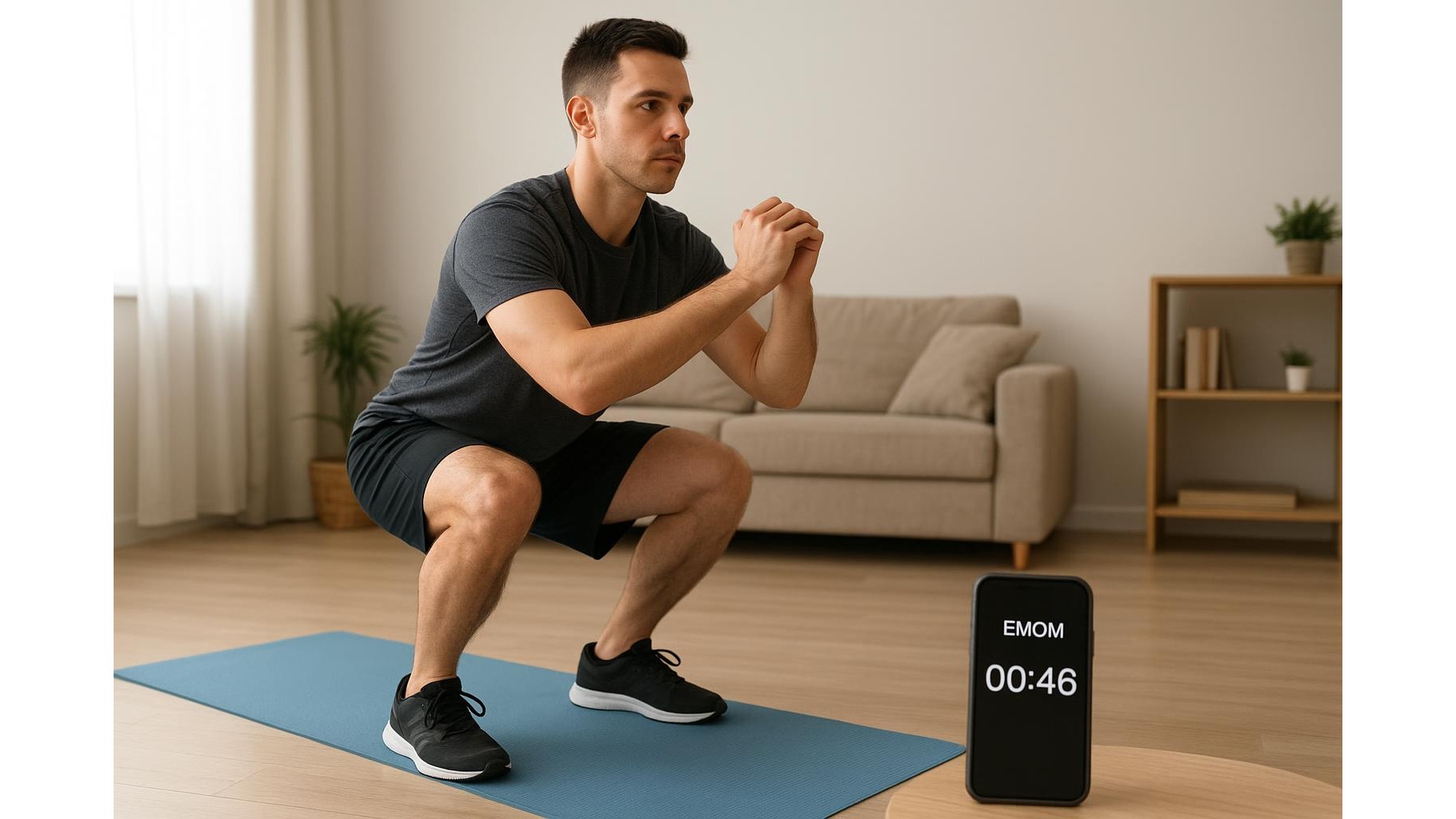
Your dynamic stretching should mirror the session you’re about to do. For strength training, prioritise controlled, loaded movement patterns: bodyweight squats, hip hinges, push-ups and banded rows, gradually increasing range of motion. For cardio sessions like running or HIIT, think rhythmic leg swings, walking lunges, high knees and arm circles to prepare for repetitive impact. When mobility is the goal, slow the tempo and increase control: deep squat pries, world’s greatest stretch, thoracic spine rotations. A set of strong mini loops such as the Core Balance Mini Resistance Bands Set of 5 works brilliantly here. Their different resistance levels let you add just enough load to mobility drills, building strength at end range and improving long-term joint health.
Sample warm-ups for strength, cardio and mobility days
Putting it all together, here are three plug-and-play home warm-up routines. For a strength session: 2–3 minutes of light cardio, joint circles, 1–2 minutes on the foam roller for tight areas, then banded glute bridges, band pull-aparts and bodyweight squats. For a cardio workout: 3–5 minutes of easy marching or jog-in-place, ankle and hip circles, then dynamic leg swings, walking lunges and a few short, low-intensity accelerations. For a mobility-focused day: gentle foam rolling, slow controlled articular rotations for major joints, followed by band-assisted stretches using your resistance bands to explore and strengthen new ranges. Each template can be done in 8–10 minutes and adjusted by increasing or decreasing sets and band tension depending on your fitness level and how you feel that day.
A consistent, well-structured warm-up is the cheapest insurance policy for your joints and one of the easiest performance boosters you can add to your home training. By combining quick joint prep, focused activation with tools like the Gritin Resistance Bands and Core Balance Mini Resistance Bands, plus dynamic stretches that reflect your session, you create a repeatable system that protects you from injuries and helps every rep, stride and stretch feel stronger. Treat your warm-up as part of the workout, not an optional extra, and your performance — and long-term resilience — will follow.