New parents often live in a world of fragmented sleep, unpredictable schedules and constant low-level fatigue. That doesn’t mean you must give up your home workouts, but it does mean your recovery strategies need an upgrade. By protecting your joints, energy and motivation with smart tactics like micro-naps, minimal-equipment training and deliberate deload weeks, you can keep progressing without burning out in the newborn phase.
Designing home workouts around broken sleep
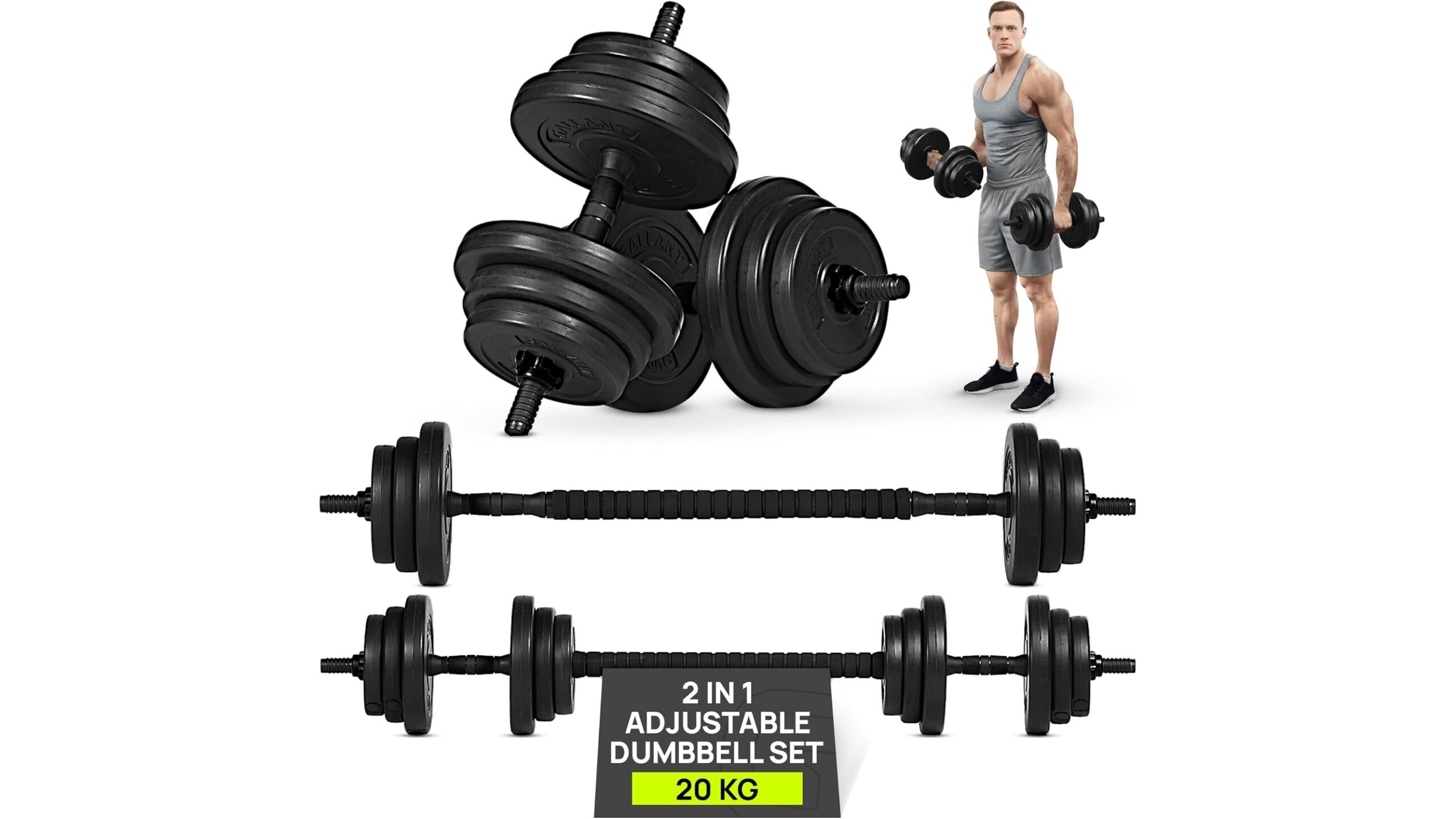
When you’re sleeping in short blocks, the goal is to train effectively, not exhaust yourself. Swap long, high-volume sessions for 10–20 minute “micro-workouts” you can drop between feeds or naps. Focus on big, joint-friendly movements: goblet squats, hip hinges, push-ups on an incline, and rows. An adjustable set like the Gallant Adjustable Dumbbells Set lets you move from light rehab-style work to heavier strength work without filling the nursery with plates. Its vinyl-coated plates and screw-lock system save space and protect floors, which matters when you’re training quietly near a sleeping baby. Keep RPE (effort) at a 6–7/10 most days so your nervous system has room to handle night wakes.
Strategic micro-naps and better-quality sleep blocks
You can’t always increase sleep quantity, but you can improve sleep quality and how refreshed you feel between sessions. Use 10–20 minute power naps rather than long daytime sleeps that leave you groggy. Create instant darkness for daytime naps with a sleep mask: a cooling option like the NEWGO Cooling Gel Eye Mask combines 100% light blocking with gentle cooling that can ease headaches and eye strain from night feeds and screen time. Its 3D design avoids pressure on the eyes, making it wearable while you grab a quick reset on the sofa. Treat these micro-naps as part of your recovery plan, just like mobility or stretching.
Low-friction mobility and joint care at home
Fragmented sleep amplifies aches, stiffness and poor movement patterns. Building a 5–10 minute daily mobility ritual keeps joints happier and workouts safer. A compact roller such as the KG Physio Foam Roller lets you target tight upper back, hip flexors and glutes from carrying and feeding. Its textured EVA surface provides multiple massage intensities, great for quick myofascial release before a short lift or after pacing the hallway at 3 a.m. Pair rolling with simple movements like cat-cows, glute bridges and half-kneeling hip flexor stretches. The aim is not a heroic flexibility session, but minimum effective maintenance so you can keep training without nagging pain.
Nutrition tweaks for energy and recovery
With a newborn, elaborate meal prep is unrealistic, but a few nutrition tweaks go a long way. Anchor your day with protein-rich, grab-and-go options (Greek yogurt, boiled eggs, protein shakes) and keep easy carbs (fruit, oats, wholegrain toast) near feeding stations to avoid living on biscuits. Aim for a protein source at each snack to support muscle repair, especially when you’re lifting with adjustable dumbbells. Stay hydrated by keeping a large bottle at the changing table and in your home gym corner. To limit energy crashes, think “build plates, not snacks”: pair carbs with protein and a little fat instead of grazing on sugar alone. Caffeine is useful, but cap it by early afternoon so what little sleep you get is as deep as possible.
Flexible deloads and motivation on low-sleep weeks
New parent life demands a more flexible approach to deloading and progression. Instead of fixed 4-week cycles, let your sleep and stress dictate when to back off. In weeks with multiple bad nights, keep the same movements but cut sets in half, choose lighter dumbbell settings, or switch sessions to pure mobility and foam rolling. Tools like the Gallant adjustable set and the KG Physio roller make it easy to scale intensity up and down without changing your whole setup. Track wins in tiny units: three micro-workouts this week, one extra serving of protein, two days in a row of 5-minute mobility. This process-focused mindset preserves motivation when PRs aren’t realistic. The priority is consistency and staying injury-free so you’re ready to train harder once family sleep stabilises.
In the season of short nights and constant feeds, sustainable home fitness hinges on smart recovery. By reshaping your sessions into bite-sized blocks, protecting your joints with simple tools like an adjustable dumbbell set and a foam roller, upgrading sleep quality with a dark, cool environment, and adopting flexible deload weeks, you can keep your body strong and your energy steady. You may not be training like you did pre-baby, but with these strategies you’re building a resilient foundation that will support both your health and your life as a new parent.