Creating a dedicated home recovery corner is one of the easiest ways to support your training, sleep and overall wellbeing. You do not need a spare room or expensive gadgets: a quiet corner, a few smart mobility and relaxation tools, and a simple routine are enough to turn unused space into a true regeneration zone. Below you will find ideas, practical tips and product suggestions you can adapt to any flat or small home gym.
Table of contents
Groundwork: choosing the right mat for your corner
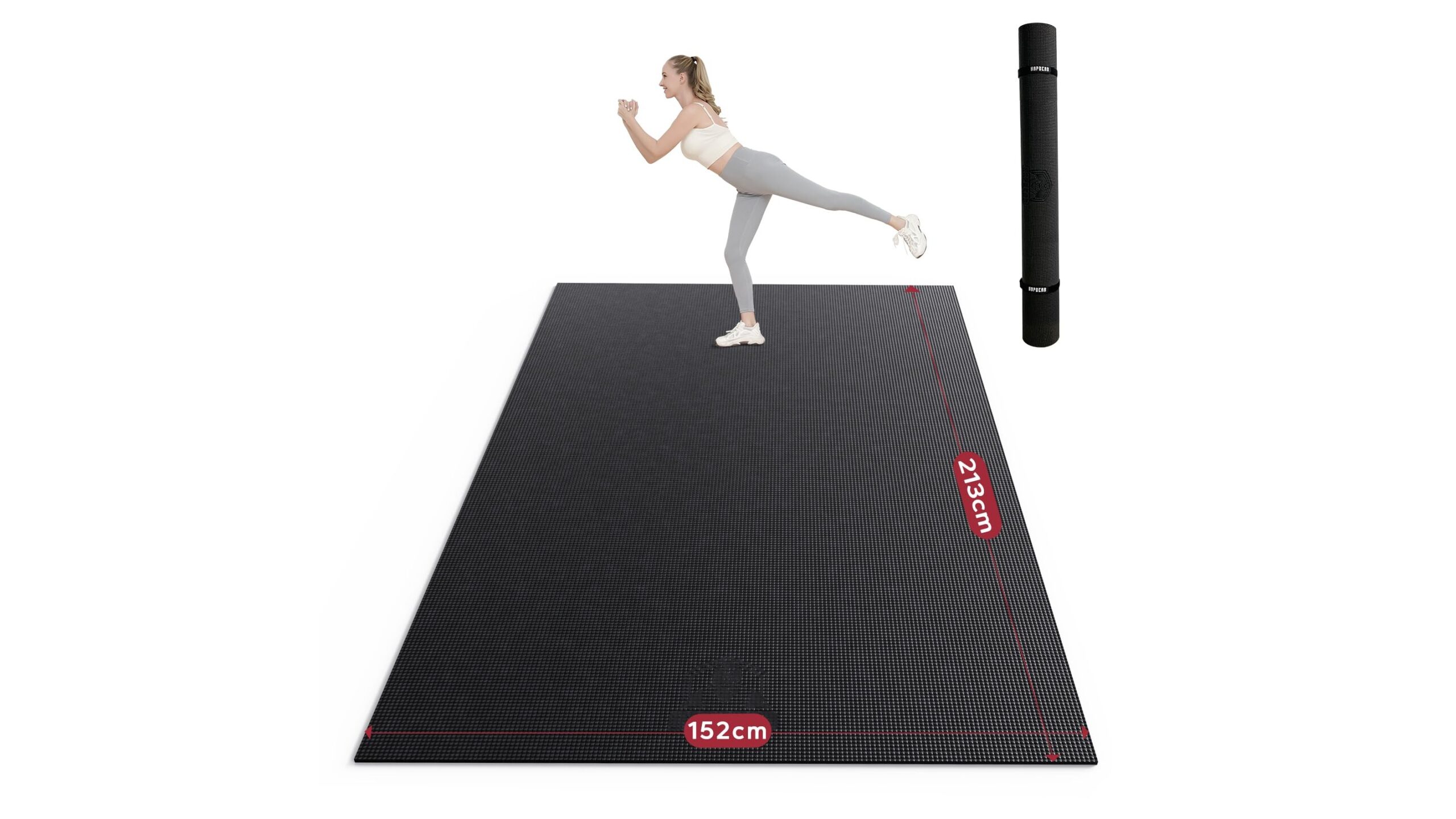
The base of any recovery area is a comfortable, supportive exercise mat. Look for a model that is thick enough to cushion knees and spine, yet firm so you can balance during mobility drills and breathing work. Aim for at least 10–15 mm in thickness and a non‑slip surface so the mat stays put on hard floors. A neutral colour can help keep the space visually calm, while a roll‑up design makes it easy to store behind a sofa or in a cupboard when not in use. Having a dedicated mat also creates a mental cue: when you unroll it, you switch into recovery mode, whether you are doing stretching, light core activation, or a 10‑minute decompression session after work.
Release tension: foam rollers for muscles and fascia
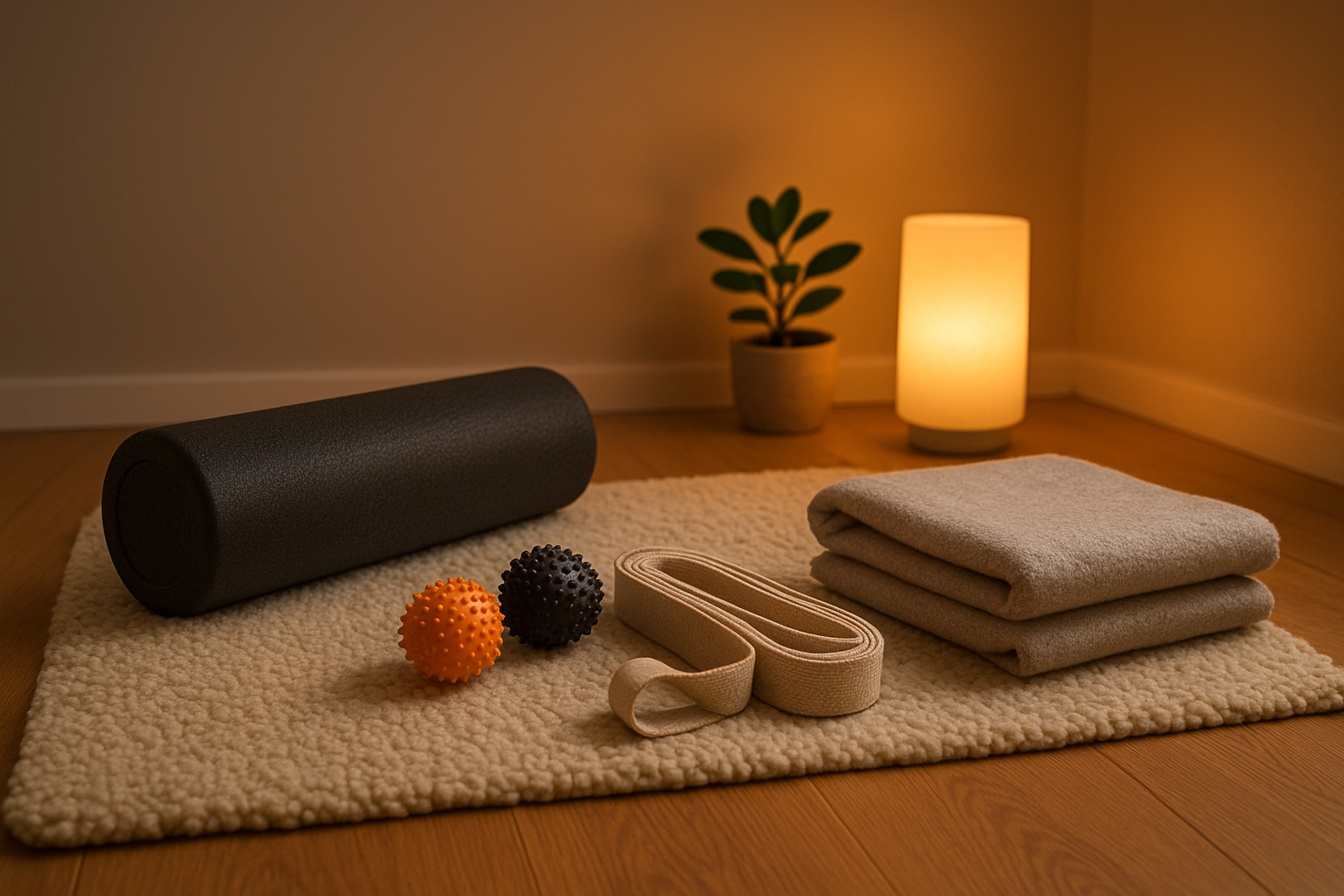
A foam roller is one of the most versatile and affordable tools you can add to your recovery corner. Use it for self‑myofascial release on quads, hamstrings, calves and upper back to reduce stiffness after workouts or long hours at the desk. For a compact setup, choose a medium‑density roller that is firm enough to create pressure but not so hard that it feels brutal on sensitive areas. A length of 30–45 cm is ideal for small spaces and easy storage. Keep the roller next to your mat so you can roll for 5–10 minutes while streaming a show or listening to a podcast. Over time, regular foam rolling can improve tissue quality, joint range of motion and your overall perception of recovery between training sessions.
Pinpoint pressure: massage balls for targeted tight spots
Where a foam roller covers large muscle groups, massage balls excel at targeting specific trigger points. A simple rubber or lacrosse‑style ball allows you to work deeply into the glutes, hip rotators, chest and the muscles around the shoulder blades. In a compact recovery corner, balls are perfect because they take up almost no space: you can store them in a small box or basket alongside your roller. To use them, place the ball between your body and the wall or floor, then slowly explore tight areas, pausing and breathing on tender spots for 20–40 seconds. This kind of focused pressure can help relieve post‑workout tightness, desk‑related neck and shoulder tension, and even contribute to better posture when combined with a regular mobility routine.
Assisted stretching: straps and supports for mobility
A simple stretching strap or even a non‑elastic yoga belt can make your flexibility work safer and more effective, especially if you have limited mobility. In your home recovery corner, use a strap to assist hamstring stretches while lying on your back, or to open the shoulders and chest without forcing the joints. If you have very tight hips or lower‑back issues, consider adding a small bolster or a pair of firm cushions to support your knees and lumbar spine in reclined poses. These low‑cost accessories allow you to maintain positions for longer without discomfort, which is key for gentle, nervous‑system‑friendly mobility sessions. Over time, using straps and supports helps you explore new ranges of motion safely instead of pushing into painful end ranges.
Deep relaxation: simple tools to calm the nervous system
Recovery is not just about muscles; it is also about your nervous system. To make your corner feel like a true relaxation zone, add a couple of small elements that promote calm. A folded towel or eye pillow over the eyes can reduce visual stimulation during breathwork or meditation. A lightweight blanket encourages your body to relax in longer sessions of legs‑up‑the‑wall or guided body scans. If you like more intense sensations, an acupressure mat can provide a prickly but soothing pressure along the back, which many people find helps them unwind before bed. Combine these tools with slow nasal breathing, soft lighting and perhaps low‑volume instrumental music to create a ritual that signals the end of the day and invites deeper recovery.
Designing a home recovery corner does not require much money or space – only intention and a handful of smart tools such as a quality mat, a foam roller, massage balls, a stretching strap and a few relaxation aids. By grouping these items together and using them consistently, you build a daily ritual that supports your joints, muscles and mind as much as your training sessions do. Start small, experiment with what feels good, and let this regeneration zone become a non‑negotiable part of your home gym setup and your long‑term health.