Designing a dedicated home recovery corner is one of the easiest ways to turn stretching, mobility and relaxation into a consistent habit. Even a tiny area in the living room or bedroom can become your personal post‑workout sanctuary with the right mat, simple supports and a few recovery tools. In this guide we’ll walk through how to organise a compact space that invites you to slow down, release tension and support long‑term performance.
Table of contents
Choosing the right base: mat and floor setup
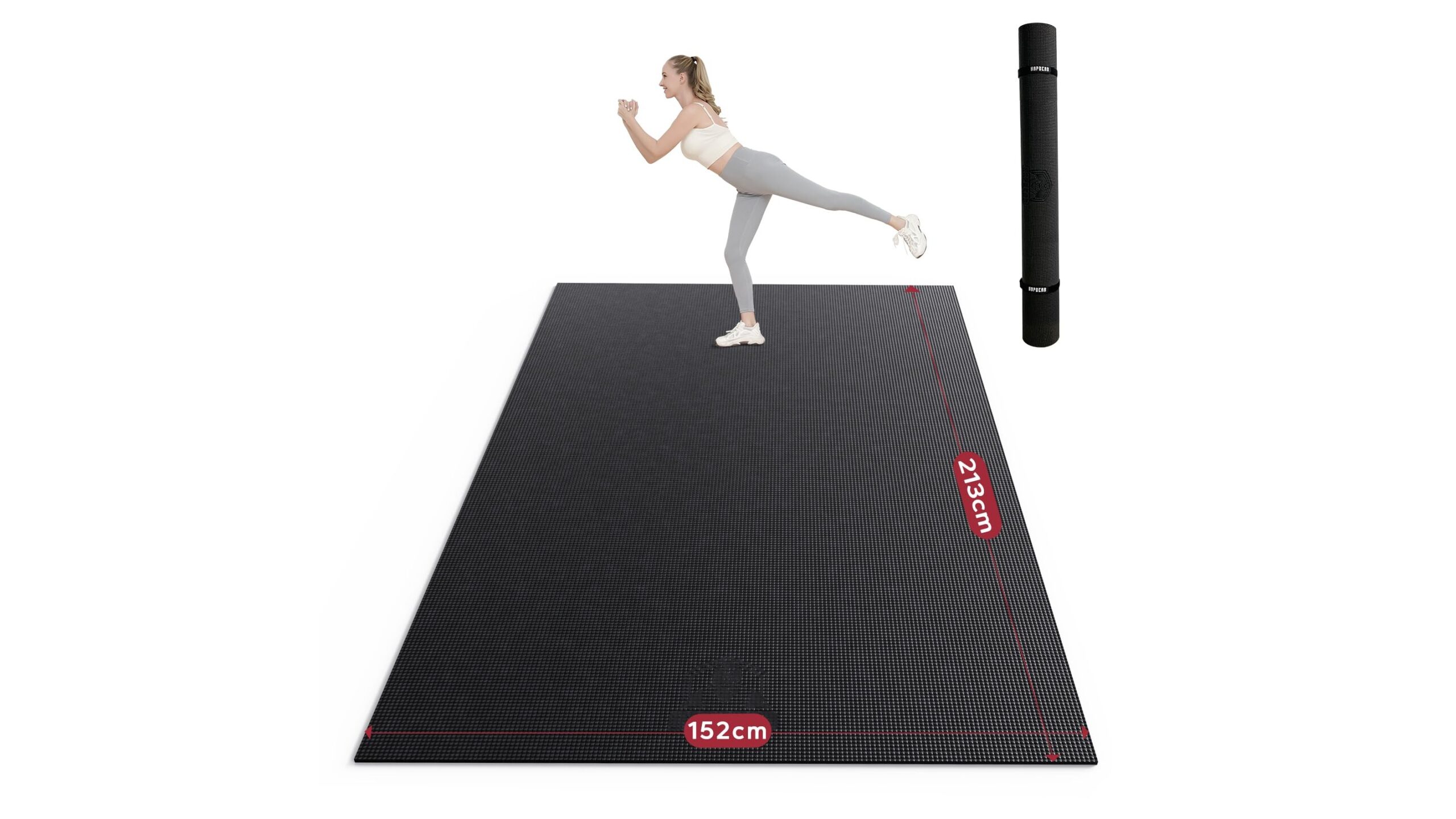
The foundation of your recovery corner is a comfortable, supportive exercise mat. Look for a mat that is thick enough for joint comfort yet stable for balance work. A high‑density mat around 8–10 mm provides cushioning for knees and spine during long holds, while still feeling grounded for mobility drills. Prioritise a non‑slip surface, especially if your corner is on tiles or wooden floors, so you can move confidently through stretches and breathing work. If you share the space or live in a flat, a slightly thicker mat can also help with sound absorption and make the area feel more insulated and cosy.
Supports for mobility: blocks, straps and cushions
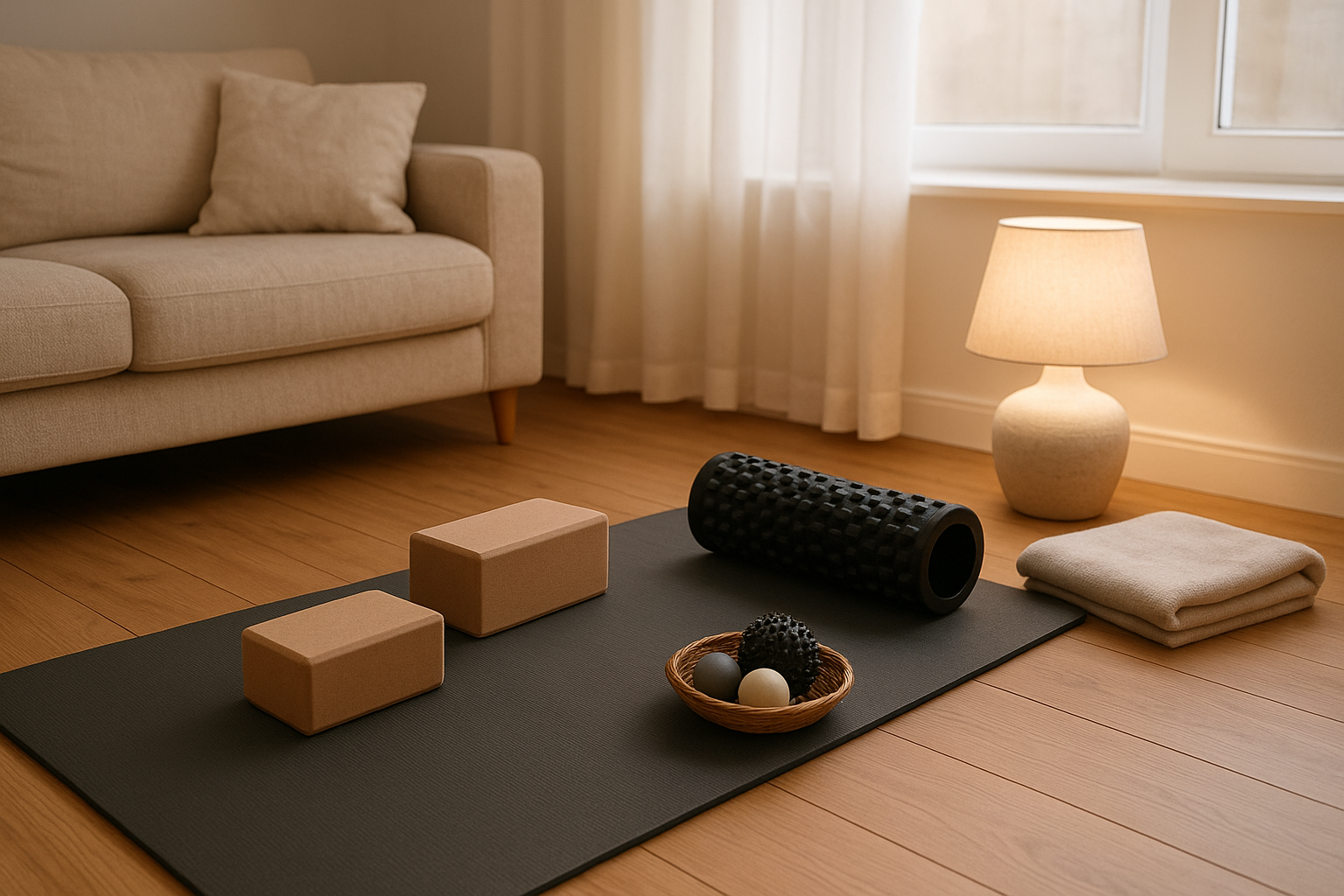
Once your base is set, add a few key mobility supports to make every stretch more accessible. A pair of firm yoga blocks helps you bring the floor closer in hamstring, hip and back stretches, reducing strain while maintaining alignment. A strap or old belt is perfect for gentle assisted stretches, like lying hamstring or shoulder openers, without forcing the range of motion. A small cushion or folded blanket can be used under the knees, behind the lower back or as a seat for breathing and mindfulness. These simple supports turn uncomfortable positions into sustainable holds, so you can stay longer and get more benefit from each session.
Self‑massage essentials: foam roller and massage balls
To transform your corner into a real recovery station, include at least one foam roller and a couple of massage balls. A medium‑density roller is versatile enough for most people: firm enough to release tension in calves, quads and back, but not so hard that it becomes painful and discouraging. Massage balls (smooth or with light texture) are ideal for targeting smaller areas like feet, glutes and shoulders. Store them in a small basket or box next to the mat so they are always within reach. Using these tools for five to ten minutes after training can help you tune into tight spots, improve circulation and mentally shift out of “workout mode” into “recovery mode”.
Atmosphere and relaxation: light, sound and small details
A true relaxation corner is not only about equipment; it’s also about atmosphere. Soft, warm lighting or a small lamp helps your nervous system wind down compared to strong overhead lights. If possible, position your recovery corner near a window for natural light and fresh air. Keep a light blanket handy for restorative poses or for lying still at the end of your routine. Optional extras such as a scented candle, essential oil diffuser or an eye pillow for final relaxation can make the space feel special and inviting. These details send a clear signal to your brain that this is a place to slow down, breathe and recover.
Making recovery a consistent habit
The success of your home recovery corner depends on how often you actually use it. Keep the setup simple and always ready: mat unrolled or easy to access, tools stored in a visible basket, and no clutter on the floor. Attach your recovery routine to an existing habit, like directly after your workout or right before your evening shower. Even ten minutes of light stretching, mobility and self‑massage can make a noticeable difference in soreness, posture and sleep quality. Consider keeping a small notebook or using a habit tracker app to log your sessions and note how you feel over time; this positive feedback will encourage you to return to your corner regularly.
By intentionally setting up a compact, well‑equipped recovery space at home, you lower the barrier to stretching, mobility and relaxation. With a supportive mat, a few smart tools and a calming atmosphere, your home recovery corner becomes a small yet powerful investment in performance, injury prevention and everyday wellbeing. Start with what you have, add pieces gradually and let this dedicated spot guide you into a more consistent, mindful approach to recovery.