Building a simple home pain relief toolkit can help you manage minor aches, post-workout soreness and everyday stiffness safely between training sessions. While it will never replace a qualified physiotherapist, having the right mix of cold packs, heat therapy and self-massage tools ready in your “recovery corner” can speed up recovery, support consistent training and make desk-bound days more comfortable.
Table of contents
Cold therapy: reusable ice packs and wraps
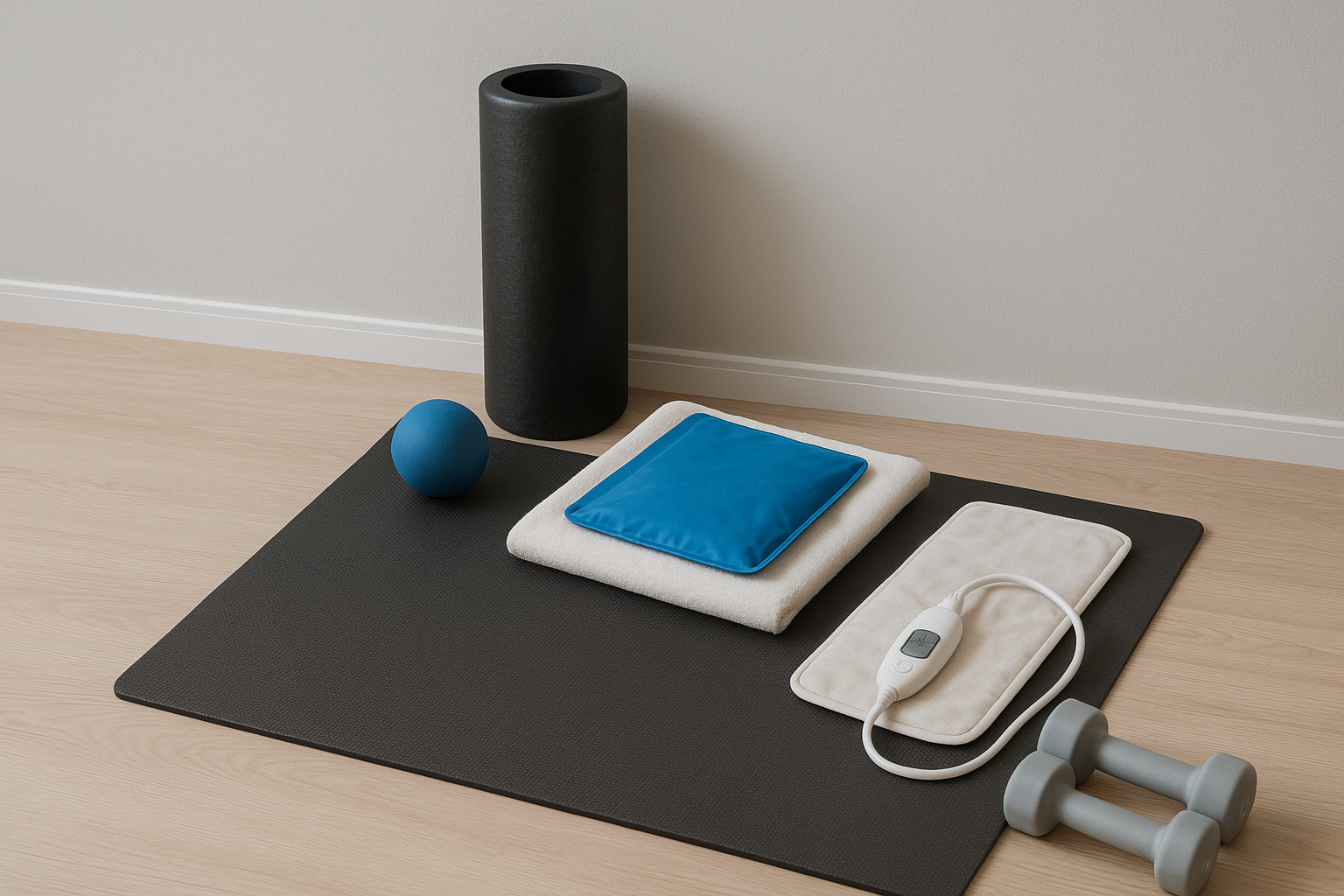
For fresh tweaks, mild sprains or that sharp post-interval ache, cold therapy is often the first line of defence. A flexible reusable gel pack that moulds around knees, shoulders or ankles is ideal to keep in your freezer, along with a soft wrap or band to hold it in place while you elevate the limb. Use cold in short bouts (around 10–15 minutes), always with a thin cloth between your skin and the pack, and avoid icing areas with poor circulation. Cold can help limit swelling and dull pain after intense sessions, but skip it if you have circulation disorders, impaired sensation or if pain is severe or worsening despite rest.
Heat therapy: electric heat pads and hot packs
When stiffness and dull, nagging tension are your main issues, heat therapy can be more effective than ice. A simple electric heat pad with adjustable temperature and automatic shut-off is a versatile tool for your lower back, neck or hips, helping muscles relax and improving local blood flow. For shorter sessions or travel, microwaveable heat packs filled with beads or grain can provide gentle warmth around joints or across the shoulders. Use heat for 15–20 minutes at a comfortable, warm—not hot—setting, and avoid applying heat to areas that are acutely swollen, freshly injured or inflamed, as that can aggravate symptoms.
Self-massage tools: foam rollers and massage balls
For many lifters and runners, a foam roller and a firm massage ball are the most-used tools in a home recovery corner. A medium-density roller allows you to perform self-myofascial release along larger muscle groups like quads, hamstrings and lats, easing post-session tightness and improving mobility. A rubber or cork ball lets you apply more targeted pressure to trigger points around the glutes, calves, feet and upper back. Roll slowly, pausing on tender spots for 20–30 seconds, and keep the sensation at a “strong but tolerable” level—self-massage should not feel like punishment. Consistent, gentle sessions after training or on rest days often beat the occasional all-out attack on tight tissues.
Active recovery and simple supports
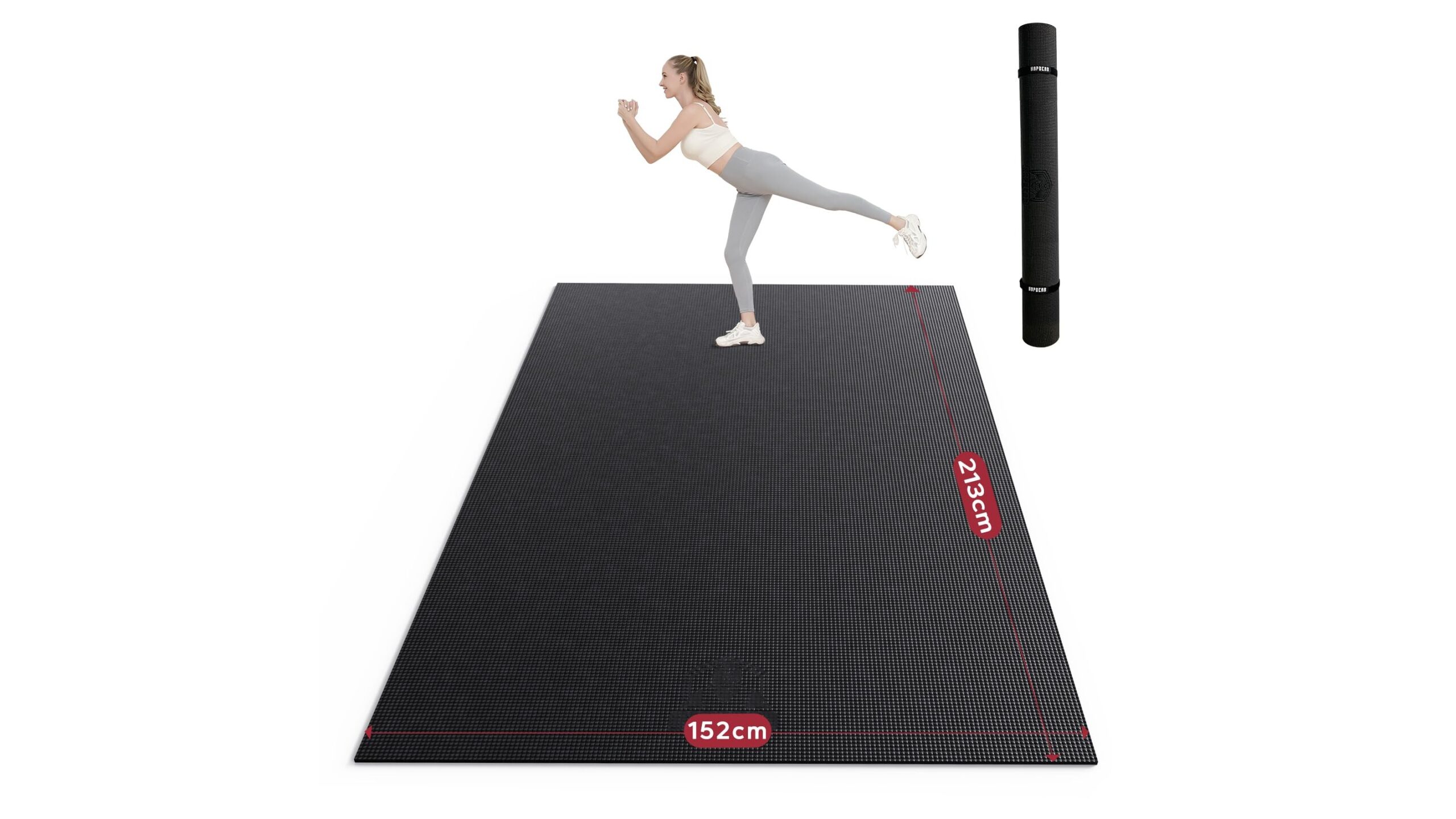
Your home pain relief kit should also support active recovery, not just passive treatment. Light resistance bands and a soft exercise mat make it easy to run through mobility drills and low-load activation work that can reduce recurrent tightness at its source. Simple compression sleeves or elastic bandages may help manage mild swelling after long runs or field sessions, especially when combined with elevation. Remember that movement—within a pain-free or low-pain range—is usually better than complete rest for most minor aches. Short walks, gentle joint circles and easy stretching often help tissues heal and keep your nervous system calmer around sensitive areas.
Smart use, safety and when to call a professional
Even the best home pain relief toolkit only works if you use it wisely. As a rule of thumb, minor soreness that eases within a few days of modified activity is usually safe to manage with cold, heat and self-massage. However, you should seek professional help if pain is sharp, sudden or linked to a clear traumatic injury, if you cannot bear weight or move a joint through its normal range, if pain wakes you at night, or if symptoms persist or worsen beyond 7–10 days despite rest and self-care. Red flags such as unexplained weight loss, fever, numbness or loss of bladder/bowel control require urgent medical attention. When in doubt, stop training and get assessed.
By combining cold packs, heat therapy, foam rolling, massage balls and simple active recovery tools, you can turn a corner of your home gym into an effective recovery station. Used thoughtfully, these basics help you manage everyday stiffness and training niggles, support better mobility and keep you consistent with your workouts. Respect your pain signals, know when to switch from self-care to professional care, and your home pain relief toolkit will become a powerful ally in long-term performance and joint health.