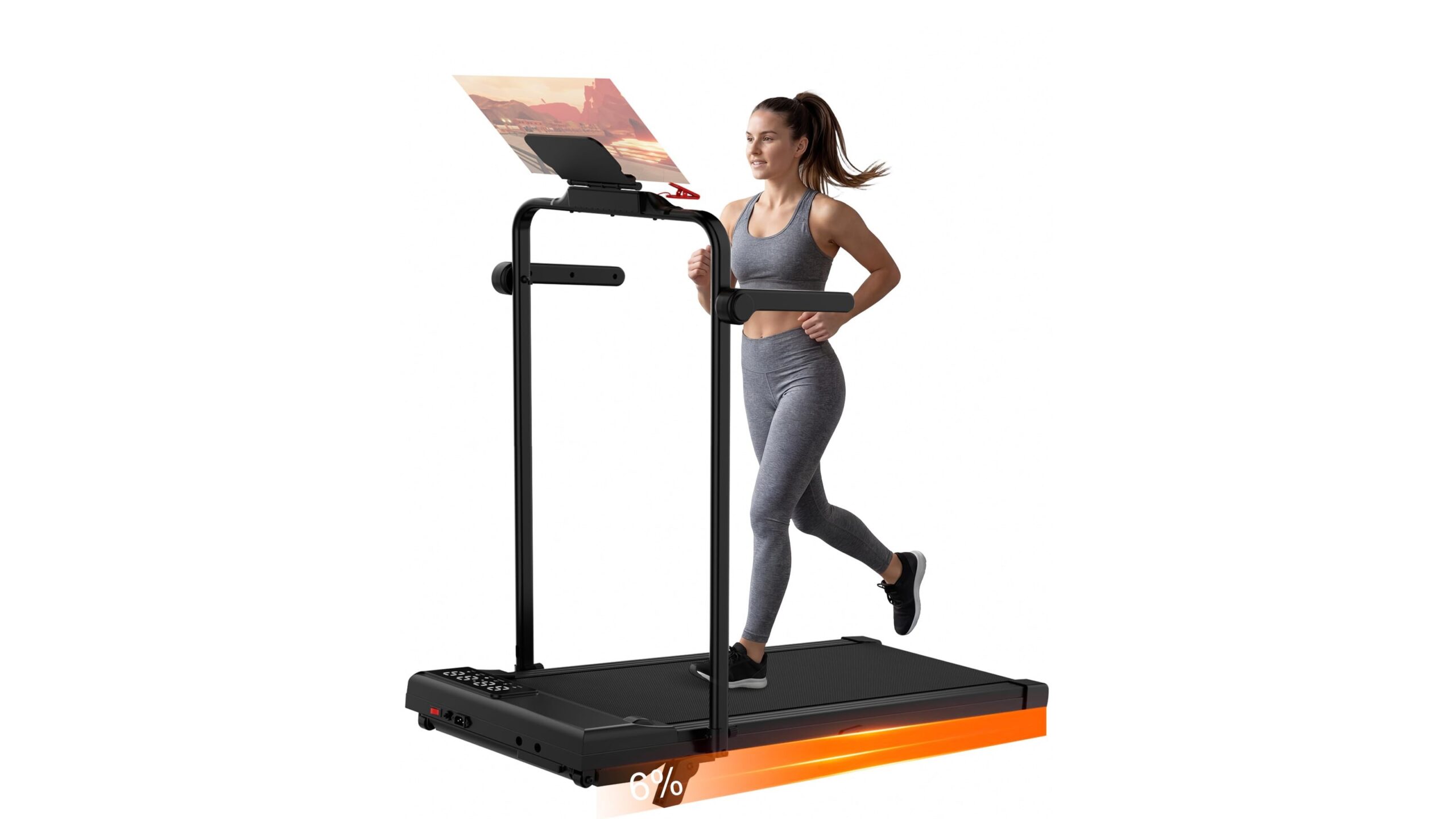
Building a powerful home workout routine is not just about intensity; it is about protecting your knees and ankles so you can keep training consistently. Whether you are on a treadmill, bike, rower or doing squats and lunges in your living room, a short mobility and activation routine will keep your joints healthy, reduce pain and improve performance. Below you will find a step-by-step sequence you can perform before any cardio or strength session at home.
Table of contents
Gentle warm-up to boost blood flow
Before focusing on specific knee and ankle mobility, spend 3–5 minutes increasing general blood flow. March in place, perform light high-knee marches and butt kicks, or walk slowly on your home cardio machine at very low intensity. The goal is not to get tired but to feel warmth around your legs and hips. This basic warm-up prepares your tissues, making subsequent mobility work safer and more effective, especially if you plan to use equipment like treadmills, exercise bikes or compact home rowers.
Ankle circles and calf mobility for stable landings
Start your joint work with the ankles, which absorb every landing during cardio and strength exercises. While standing or seated, lift one foot and draw slow, controlled circles with your toes, 10–15 in each direction per side. Then perform ankle pumps, pulling toes toward the shin and then pointing them away to mobilise the joint. Follow with slow calf raises: stand tall, rise onto your toes, pause for one second and lower with control for 10–15 reps. This simple sequence improves circulation, range of motion and stability, helping your ankles cope with running, step-ups and squat variations on your home gym floor.
Knee-friendly activation with straight leg raises and bridges
To protect the knees, you must wake up the muscles that support them. Lie on your back with one leg bent and the other straight. Tighten the thigh of the straight leg and lift it until it is in line with the bent knee, hold for a second, then lower slowly for 10–12 reps per side. This strengthens the quadriceps without compressing the knee joint. Next, perform glute bridges: lying on your back with both knees bent and feet flat, press through your heels and squeeze your glutes to lift your hips. Hold for one to two seconds and lower with control for 12–15 reps. Strong quads and glutes keep your knees more stable during squats, lunges and step-ups in your living room sessions.
Dynamic lunges and hip work for aligned movement
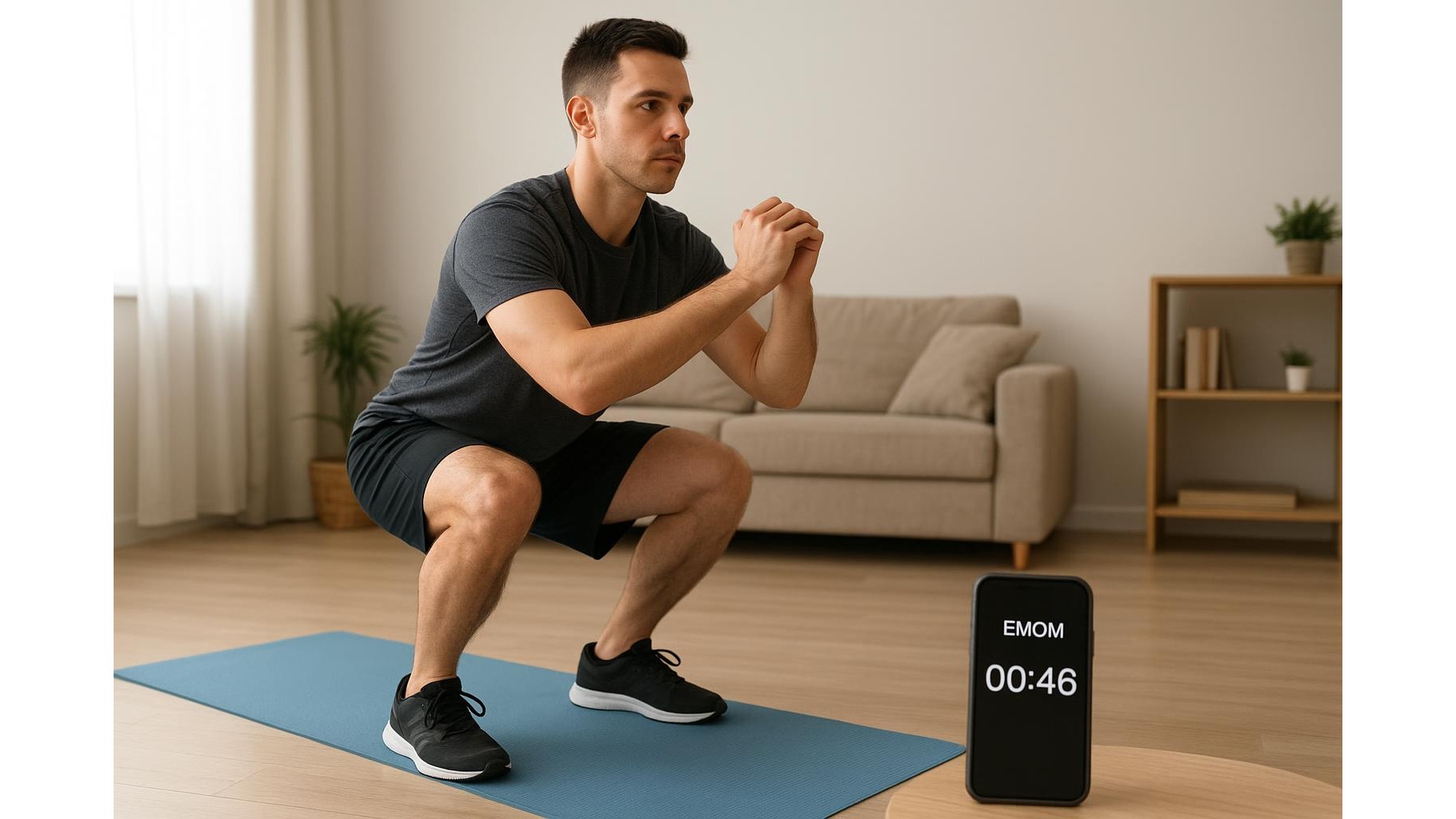
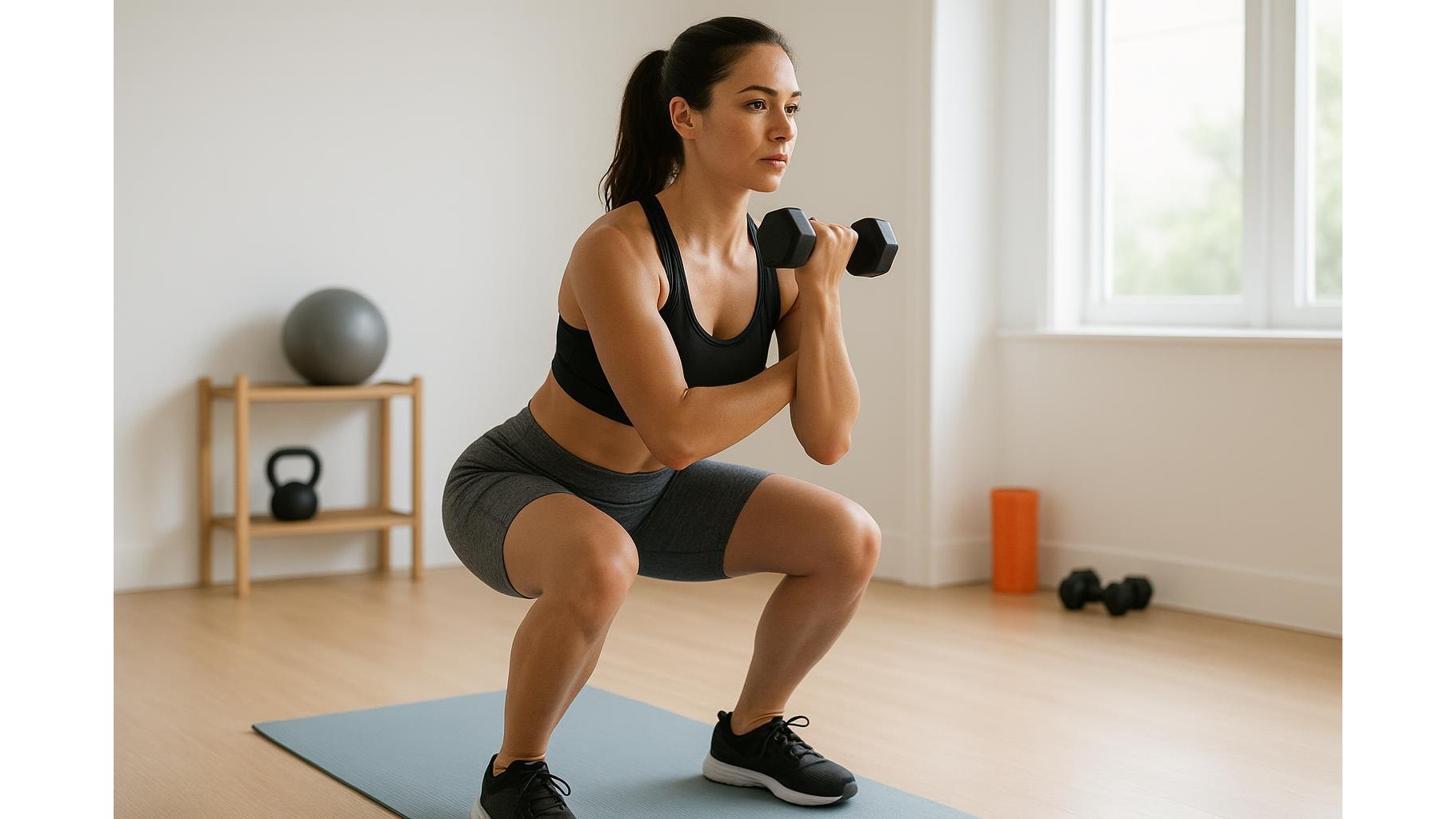
Once the ankles and knees are prepared, integrate dynamic movements that train alignment. Perform reverse lunges, stepping one foot back and lowering under control, keeping your front knee tracking over the middle of the foot. Start with bodyweight only and a small range of motion if your knees are sensitive. Alternate sides for 8–10 reps each. Then add hip circles: standing tall, lift one knee to hip height, draw a slow circle outward and then inward, 5–8 reps per leg. These movements open the hips, which reduces stress transferred to the knee joint and helps you maintain better form when using home cardio machines or performing compound lifts like goblet squats and split squats.
Foot strength and balance for long-term joint health
Healthy ankles and knees start from strong, responsive feet. Stand near a wall for support and practice single-leg balance, holding 20–30 seconds per side. To progress, turn your head slowly or reach your arms in different directions while keeping your foot rooted to the floor. You can also try short sets of “short foot” drills, gently pulling the ball of the foot toward the heel to activate the arch without curling the toes. These simple balance and foot-strength exercises enhance proprioception, making every step on your treadmill, every landing from a jump and every lunge in your home workout more controlled and joint-friendly.
How to integrate this routine into home cardio and strength days
To get the full benefit of this home mobility routine, perform it before every lower-body cardio or strength session, ideally 5–10 minutes in total. Start with the general warm-up, then move through ankle circles and calf work, knee activation with leg raises and bridges, dynamic lunges and hip circles, and finish with balance and foot drills. Over time, you should notice smoother movement, less stiffness and more confidence in your knees and ankles. Treat this routine as essential as your workout itself: by prioritising joint health, you will be able to enjoy your favourite home cardio machines and strength exercises consistently, with a lower risk of pain or interruption.
This structured, step-by-step mobility and activation sequence supports healthy knees and ankles, helping you move better, lift stronger and get more out of every home training session.