Training at home with bodyweight exercises is convenient and effective, but your knee and shoulder joints need extra attention. Without a coach watching your form, it is easy to overload joints, repeat poor technique and accumulate pain over time. This guide walks you through warm‑up, exercise selection, movement technique and a few smart pieces of home gym equipment that can help you protect your joints while still progressing in strength and fitness.
Table of contents
Smart warm‑ups to prepare knees and shoulders
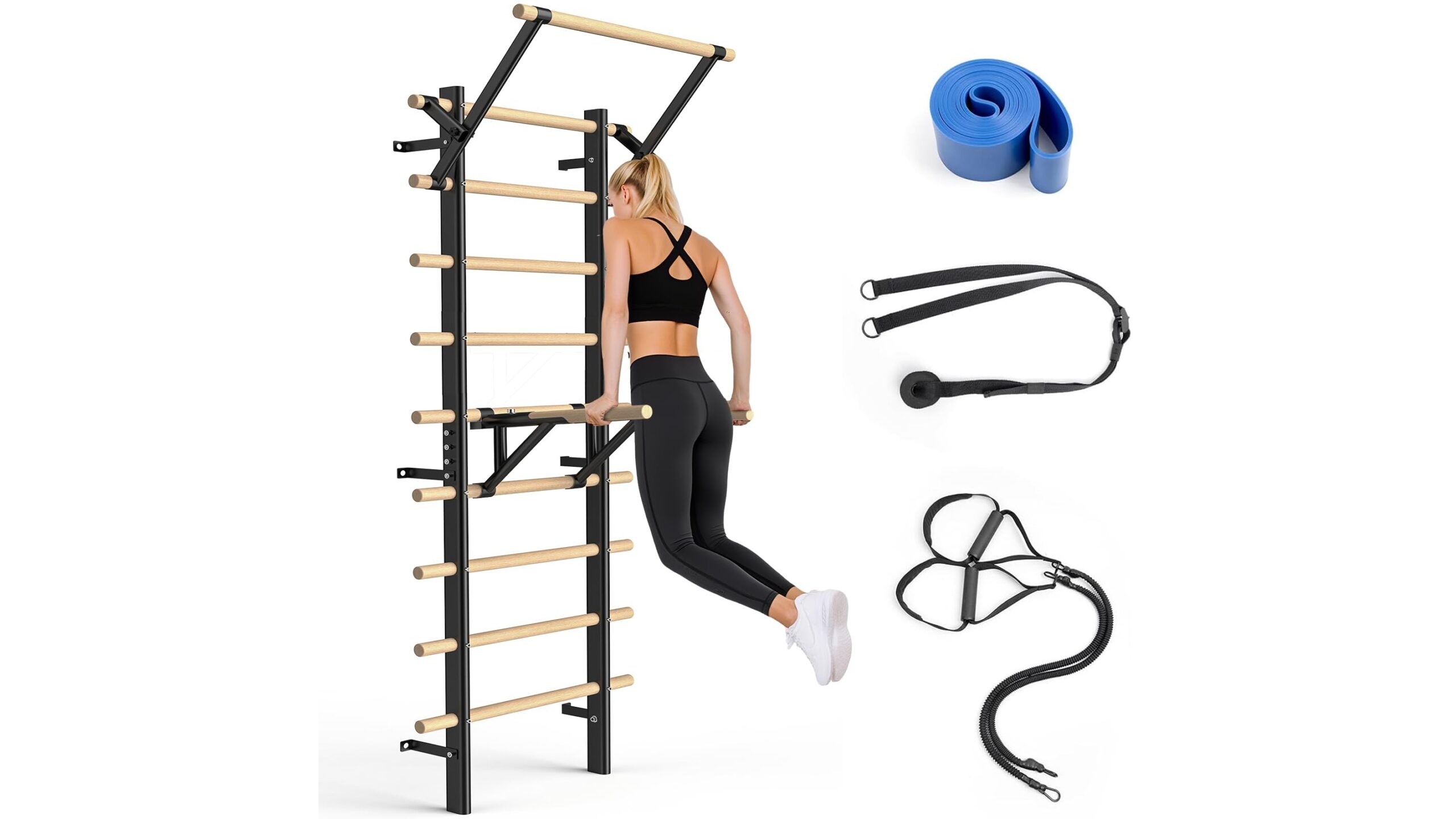
A good warm‑up should increase blood flow, mobilise joints and activate key muscles. For the knees, start with 3–5 minutes of light marching on the spot or step‑ups, followed by controlled leg swings, bodyweight lunges and glute bridges to wake up hips and glutes. For the shoulders, use arm circles, scapular push‑ups and wall slides to prime the upper back. A simple long resistance band, such as a generic loop resistance band set (search on Amazon.co.uk), is excellent for band pull‑aparts and external rotations, which strengthen the rotator cuff and stabilise the shoulder joint before push‑ups, dips or handstand work.
Choosing joint‑friendly bodyweight exercises
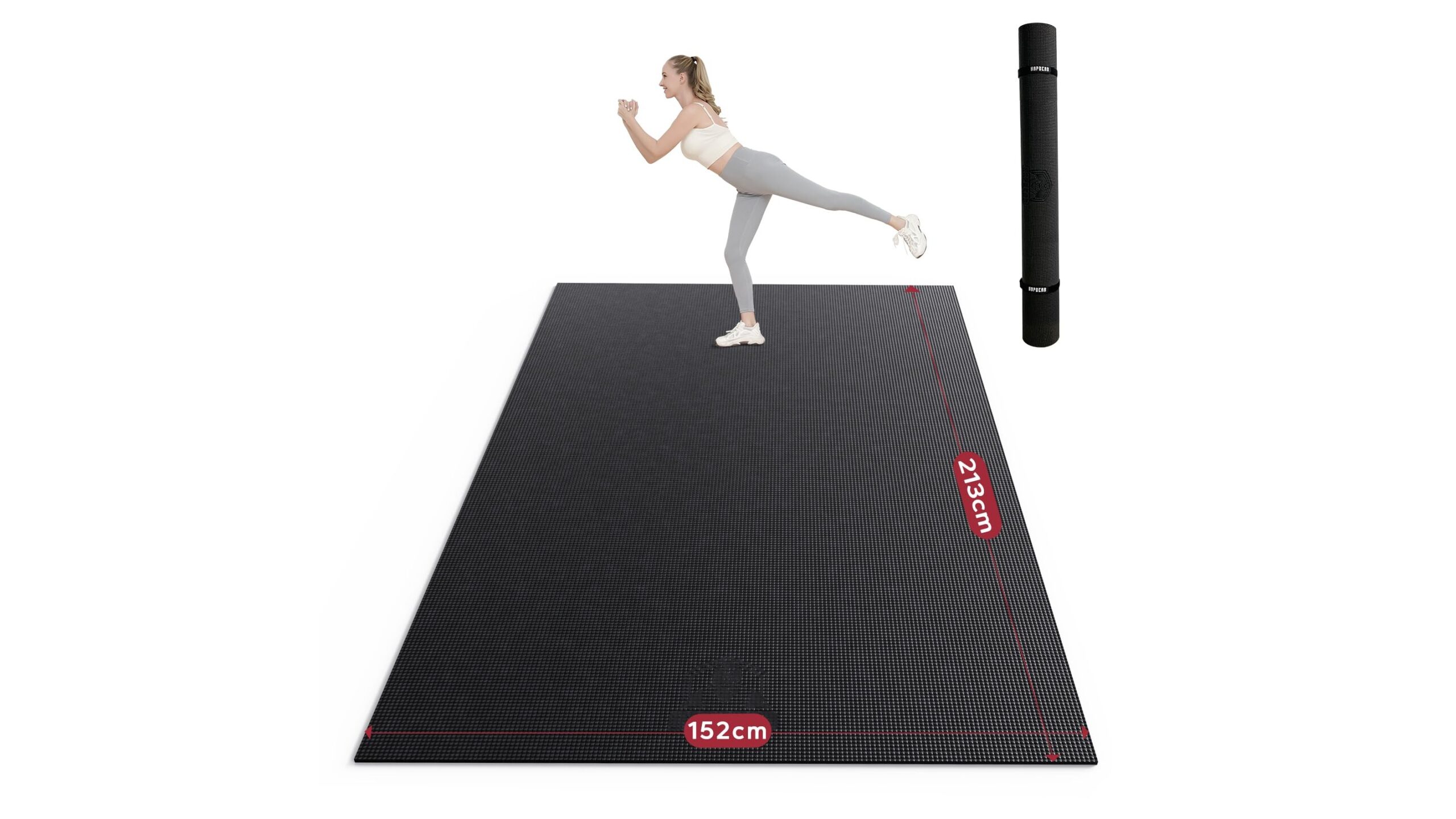
Protecting joints often starts with better exercise selection. For the knees, emphasise hip‑dominant moves like glute bridges, hip thrusts and box squats over deep, fast jump squats. Step‑ups and split squats are usually kinder to the knees than pistol squats for most home trainees. For the shoulders, opt for incline or elevated push‑ups instead of full floor push‑ups if you struggle to maintain alignment, and choose inverted rows over excessive dips early on. A non‑slip exercise mat, like a generic thick workout mat for home gym (search on Amazon.co.uk), can reduce impact on the knees during kneeling and make holds such as side planks more comfortable, encouraging better form.
Technique cues that keep knees and shoulders safe
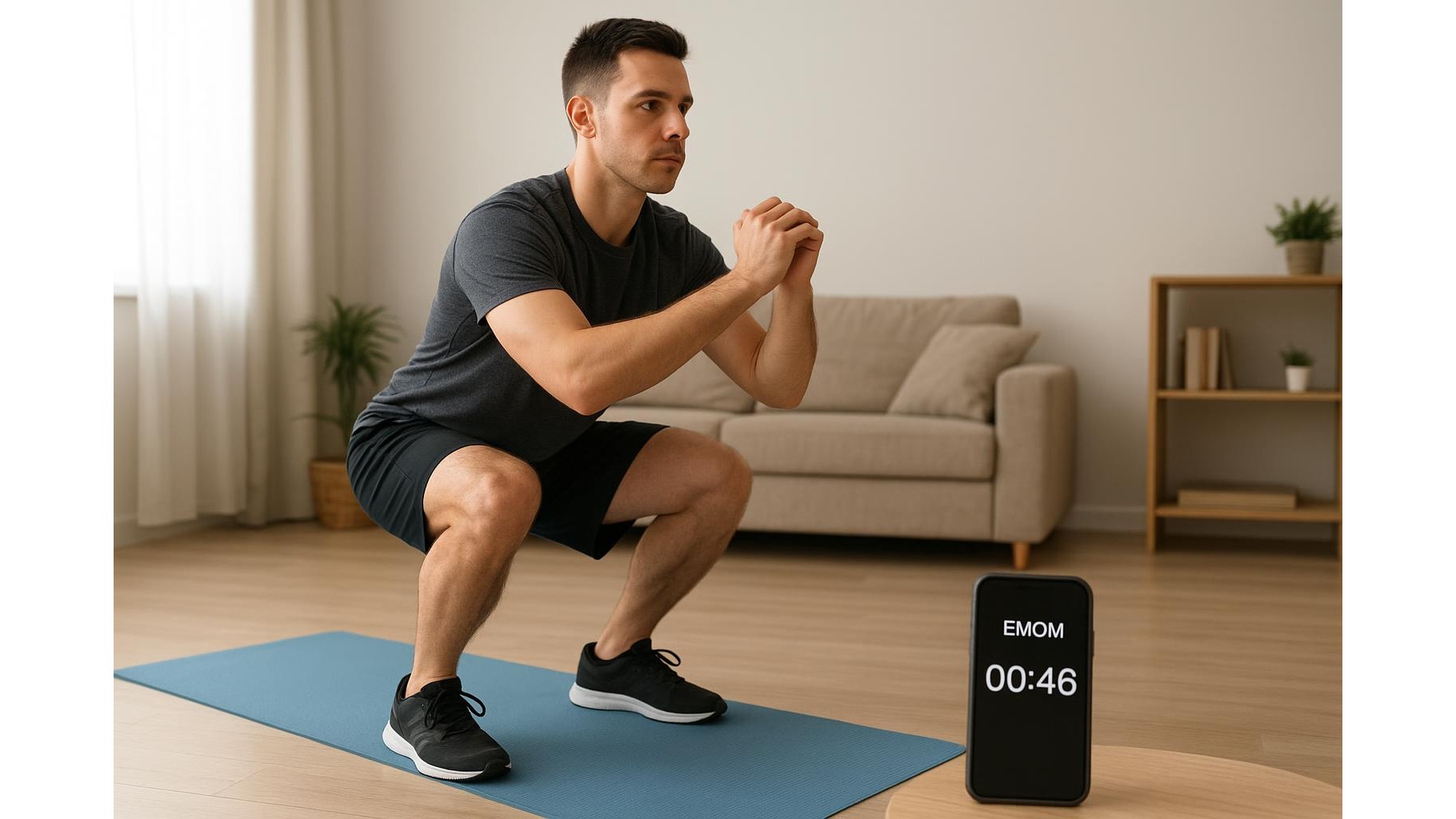
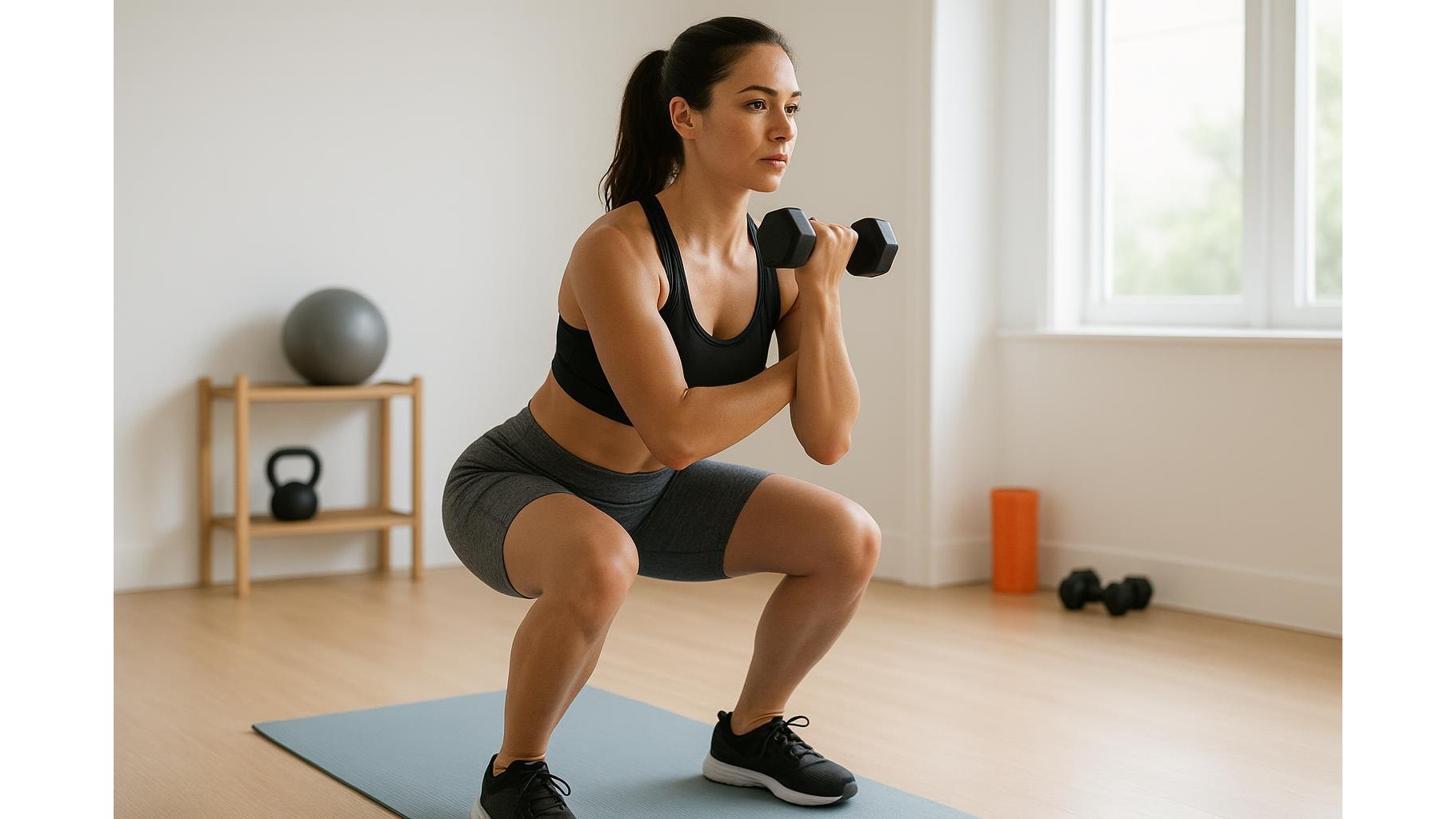
Small technique tweaks make a big difference to joint safety. For knee‑dominant moves like squats and lunges, think “sit back and down”, keep the whole foot rooted and ensure the knee tracks in line with the toes, not collapsing inwards. Avoid letting the knees shoot far past the toes if you feel discomfort. For the shoulders, create tension by gently pulling the shoulder blades down and together before each rep, keeping elbows at about a 45‑degree angle to the body in push‑ups. During planks and pike work, think of pushing the floor away and keeping ribs down to avoid over‑arching the lower back and dumping stress into the shoulder joint.
How simple equipment can support joint health
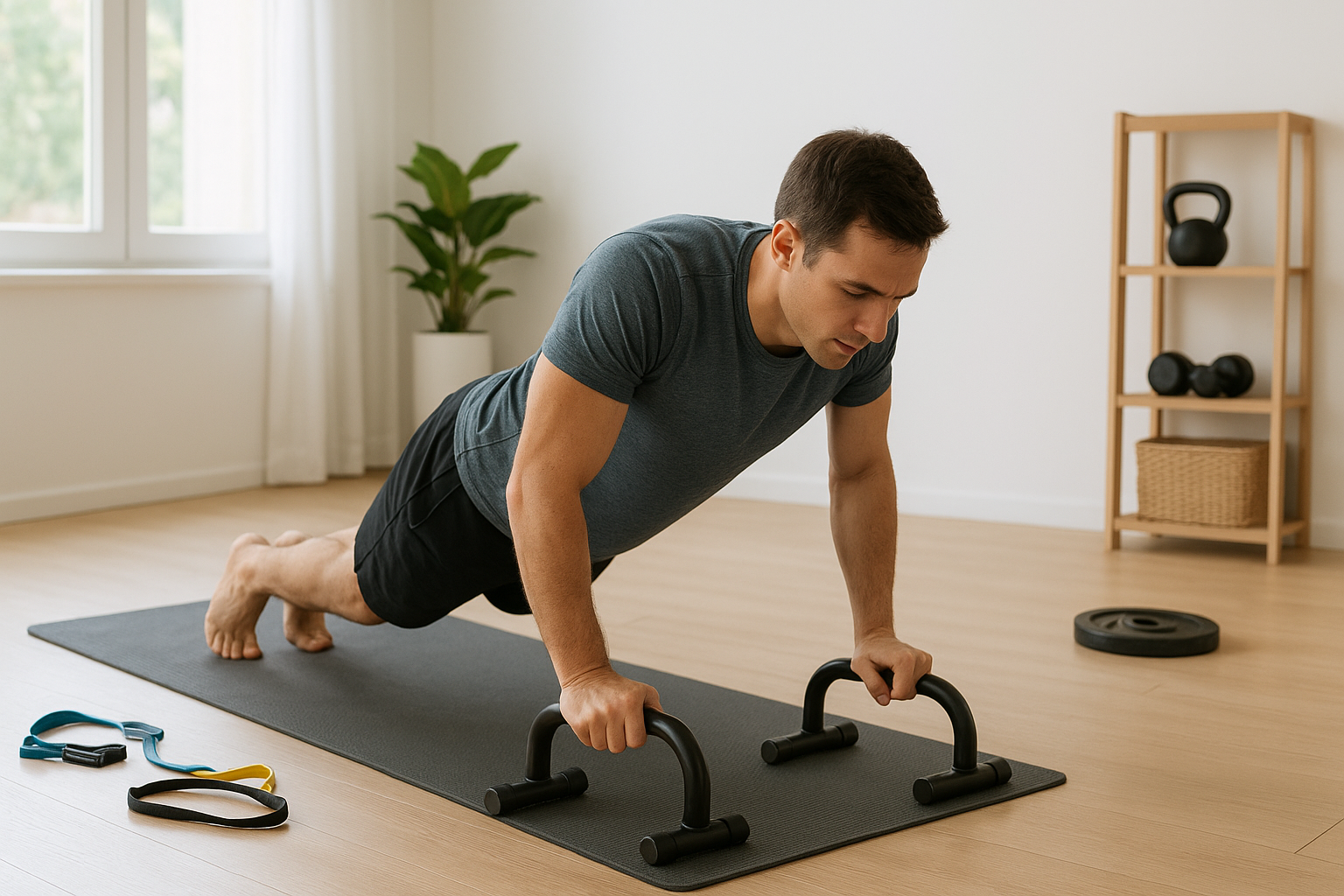
Minimal home gym equipment can significantly reduce joint strain while keeping workouts challenging. A pair of generic push‑up bars with neutral handles (search on Amazon.co.uk) allows the wrists and shoulders to move more naturally, often easing discomfort during pressing. Light to medium resistance bands can assist bodyweight exercises: loop a band around a sturdy anchor for band‑assisted pull‑ups or to reduce load in deep squats, making movements accessible without aggravating knees or shoulders. For knee comfort, a thicker mat or dedicated knee support pad (search on Amazon.co.uk) is useful for kneeling lunges, push‑ups and mobility work, letting you focus on technique rather than pain.
Programming, recovery and when to stop
Even with perfect form, overuse can irritate joints. Rotate exercise variations across the week, avoid training the same movement pattern hard every day, and increase volume gradually. Include at least one lower‑body and one upper‑body “easy” session focusing on mobility, lighter tempo work and activation rather than maximal effort. Prioritise sleep, hydration and short mobility sessions for hips, ankles and thoracic spine to offload the knees and shoulders. If you feel sharp, localised pain or joint swelling during bodyweight training, stop the exercise, regress the movement or rest; persistent symptoms warrant professional assessment rather than pushing through at home.
Protecting knees and shoulders during home bodyweight training comes down to thoughtful warm‑ups, smart exercise selection, precise technique and sensible programming. A few affordable tools like resistance bands, push‑up bars and a quality mat can make movements more joint‑friendly without complicating your setup. Build these habits now and your joints will stay stronger, more resilient and ready to support years of effective home workouts.