Building a home workout routine is one of the best things you can do for your health – but training in your living room or garage still carries a real risk of strains, sprains and overuse injuries. Without a coach watching your form, it’s easy to skip warm‑ups, do too much too soon, or ignore warning signs. This guide walks you through the basics of injury prevention at home: how to warm up, progress your exercises, use simple tools, recover smarter and recognise when you need professional help.
Table of contents
Prepare your body: smart warm‑ups that actually protect you
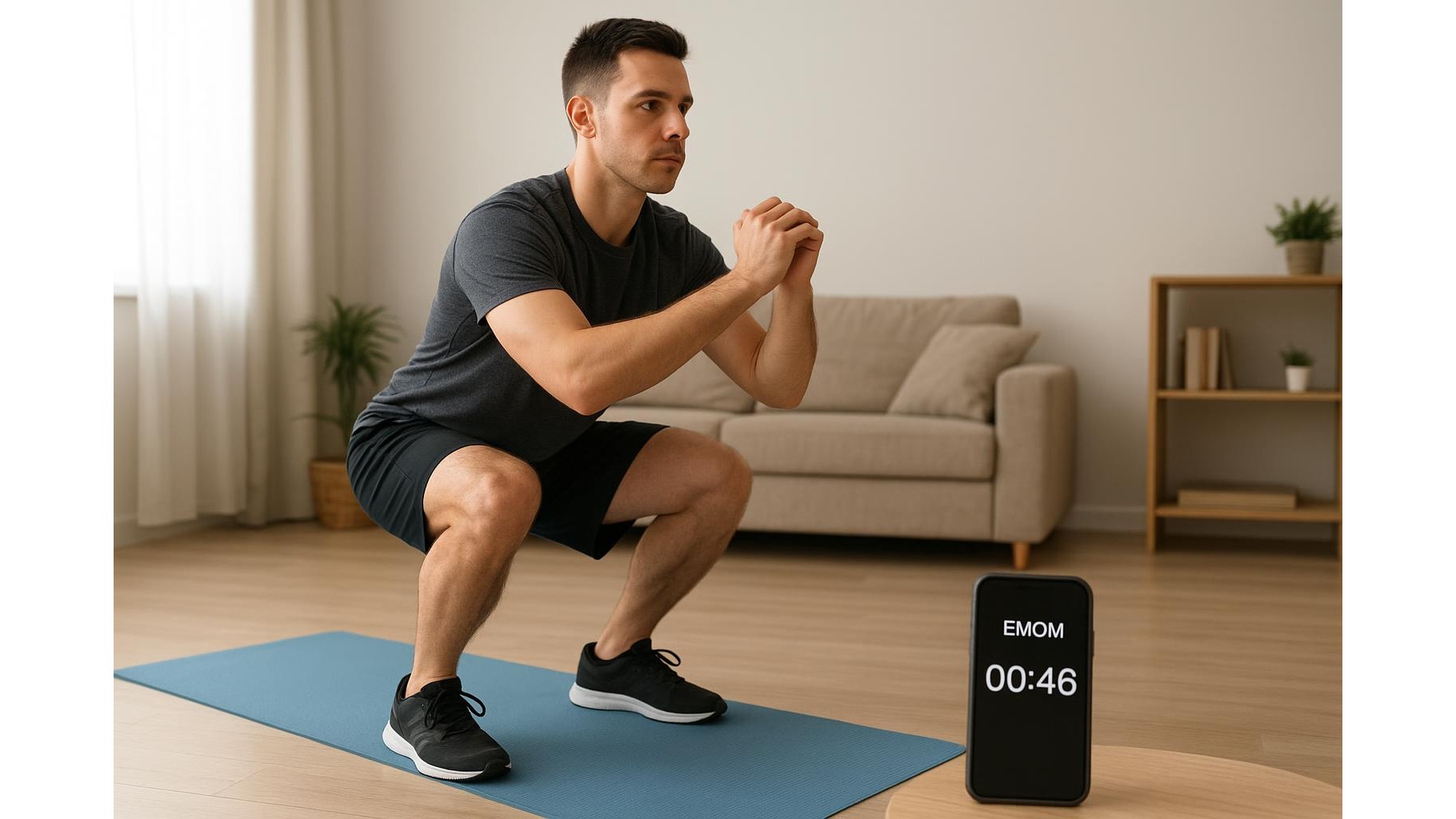
A good warm‑up does more than break a light sweat: it increases blood flow, wakes up your nervous system and rehearses the movements you’re about to perform. Start with 3–5 minutes of light cardio (marching on the spot, step‑ups, easy shadow boxing), then add dynamic mobility – leg swings, arm circles, hip rotations and controlled bodyweight squats or lunges. Avoid long static stretching before lifting or intervals; hold those longer stretches for after training. If you’re stiff from desk work, using a quality foam roller such as the TriggerPoint Grid Foam Roller can help ease tight spots in your back, hips and legs, improving your movement quality before you start.
Progress gradually: load, volume and exercise difficulty
Most home workout injuries come from doing too much, too quickly. Follow the 10% rule: increase total training volume (sets x reps x weight or time) by no more than about 10% per week. When learning new movements, begin with low‑impact, bodyweight versions before adding resistance. For example, master hip‑hinge mechanics with bodyweight good‑mornings before swinging a kettlebell. When you are ready for added load, a robust tool like the Amazon Basics Cast Iron Kettlebell (10 kg) offers a secure textured grip and stable base for controlled swings, goblet squats and carries. Choose a weight you can lift with perfect form, leaving 2–3 reps “in reserve” on most sets.
Use simple tools to improve mobility and movement quality
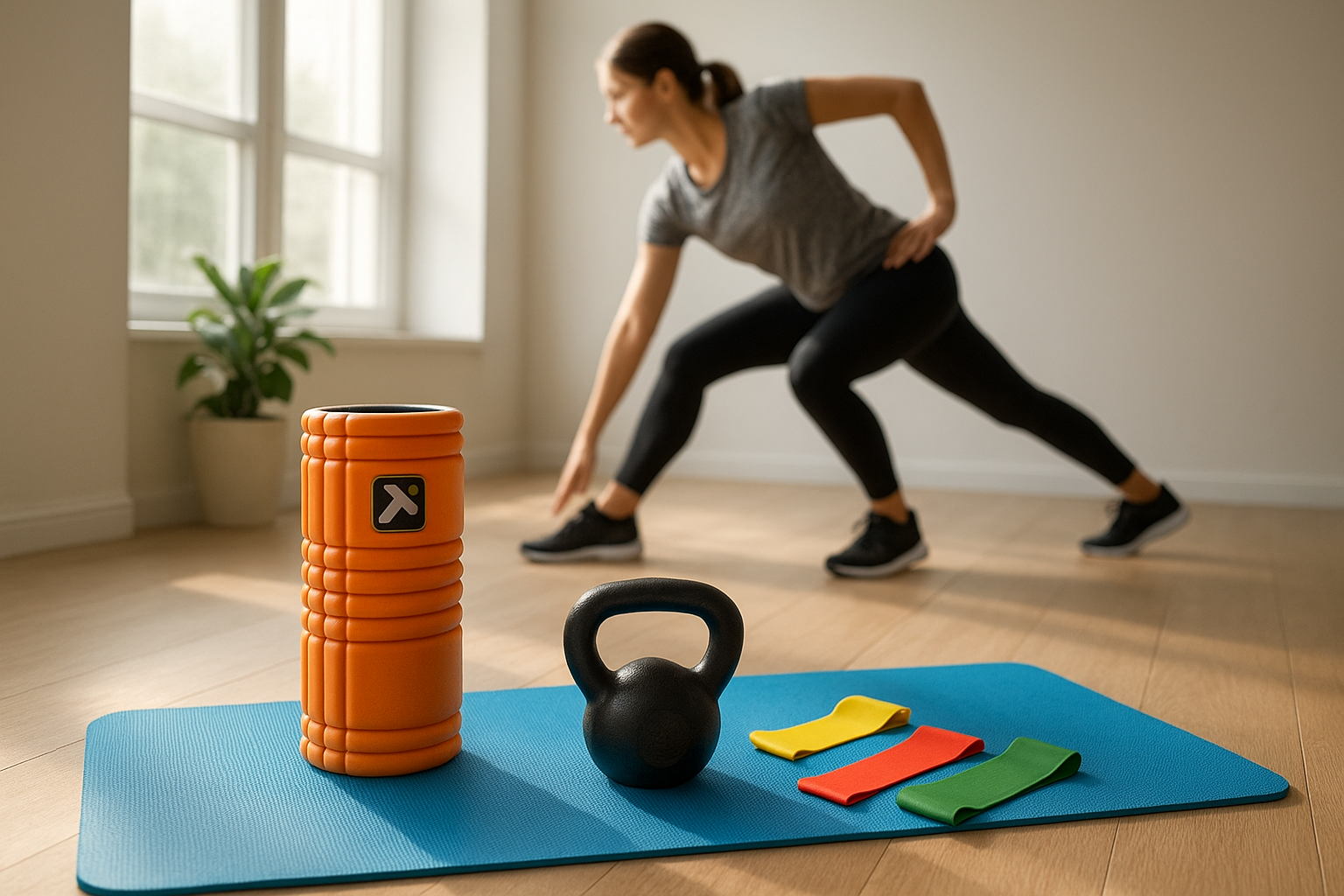
Being mobile and stable is just as important as being strong. A foam roller like the TriggerPoint Grid Foam Roller uses a multi‑density surface to mimic a therapist’s hands, helping you release tight calves, quads, glutes and upper back. Spend 30–60 seconds on each muscle group before or after training to reduce stiffness and support recovery. For scalable strength and rehab work, a set of loop bands such as Gritin Resistance Bands (five levels, skin‑friendly natural latex) lets you adjust difficulty easily. Use lighter bands for shoulder prehab, posture drills and joint‑friendly warm‑ups, and stronger bands to add resistance to squats, glute bridges and rows without loading your joints aggressively.
Recover like an athlete: habits that keep you pain‑free
Recovery starts as soon as your session ends. Cool down with 3–5 minutes of easy movement, then add static stretching for hips, hamstrings, quads, chest and shoulders, holding each stretch 20–30 seconds. Gentle rolling with the TriggerPoint Grid Foam Roller can further reduce post‑workout soreness. Aim for consistent sleep (7–9 hours), adequate hydration and protein‑rich meals to support tissue repair. Plan at least one full rest day per week and consider deload weeks every 6–8 weeks where you cut volume or intensity by around a third. Small aches that fade within 24–48 hours are normal; pain that worsens daily is a red flag that you’re not recovering.
Listen to your body: warning signs and when to stop
Staying injury‑free depends on respecting your limits. Sharp, stabbing or sudden pain, especially in joints, means stop immediately. So does any feeling of instability, numbness, or pain that changes the way you move. Swap or regress the exercise rather than pushing through. For example, if full push‑ups irritate your shoulder, drop to incline push‑ups or band‑assisted variations using the Gritin Resistance Bands. Persistent swelling, visible deformity, or pain that lasts more than a week despite rest and gentle movement are reasons to seek professional assessment from a physiotherapist, sports doctor or similar specialist.
When to seek professional help and adjust your plan
No piece of home gym equipment can replace a qualified clinician when something feels wrong. Consult a professional if pain wakes you at night, if you can’t bear weight on a limb, or if back or neck pain comes with tingling or weakness down an arm or leg. Bring notes on which exercises trigger symptoms, and video of your form if possible. A good therapist can help you adjust your programme, prescribe corrective exercises (often using bands and a foam roller) and guide your progression and recovery. Used alongside expert advice, tools like the Amazon Basics Kettlebell, Gritin Bands and TriggerPoint Grid become powerful allies in long‑term resilience.
Staying pain‑free in your home gym isn’t about avoiding effort; it’s about training with intention. Warm up dynamically, progress your load gradually, build mobility and control with simple tools, and prioritise sleep and recovery. Most importantly, listen when your body whispers, so it never has to shout. With a thoughtful plan and a few well‑chosen pieces of home workout equipment, you can keep making gains while dramatically reducing your risk of injury.