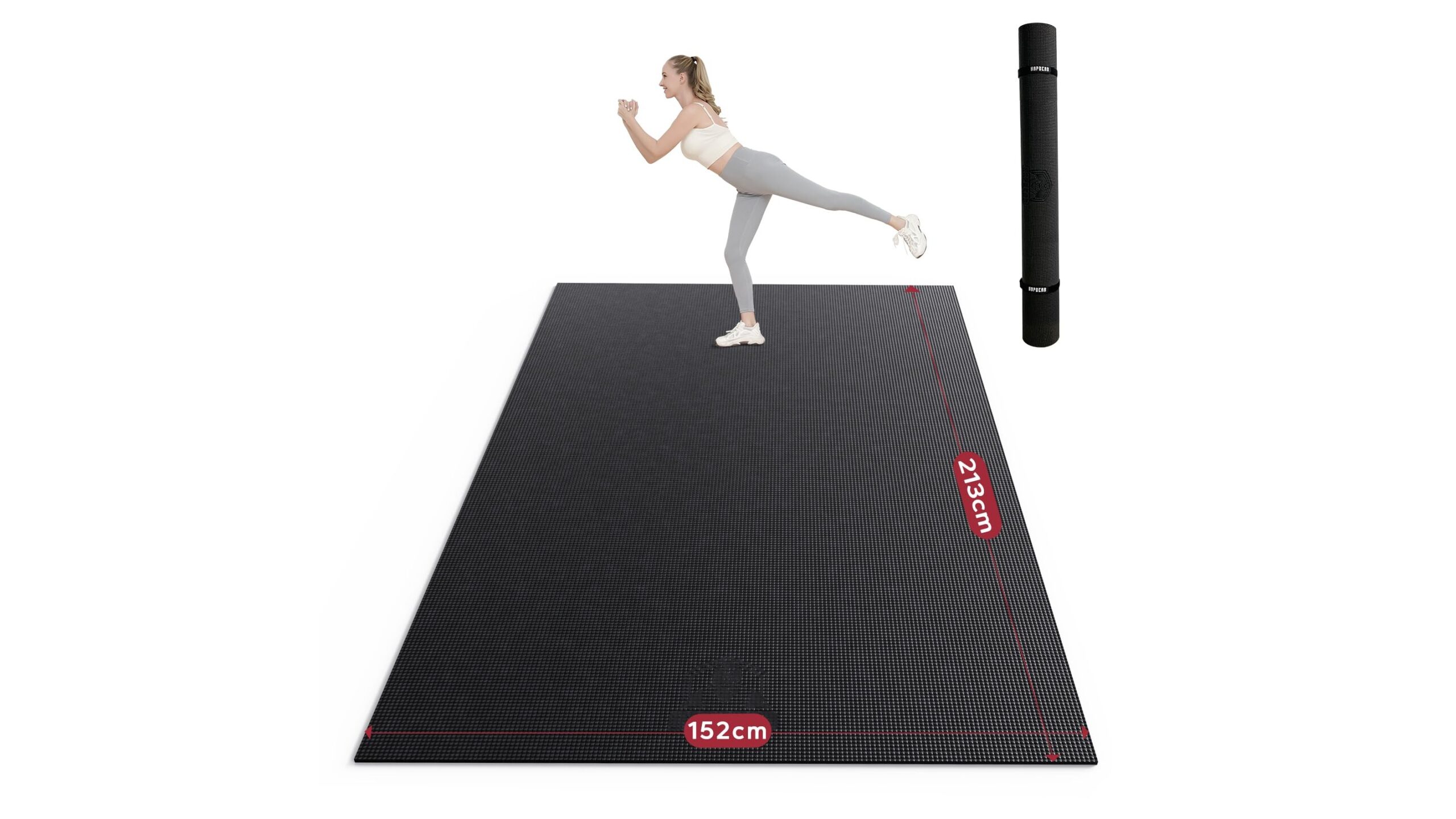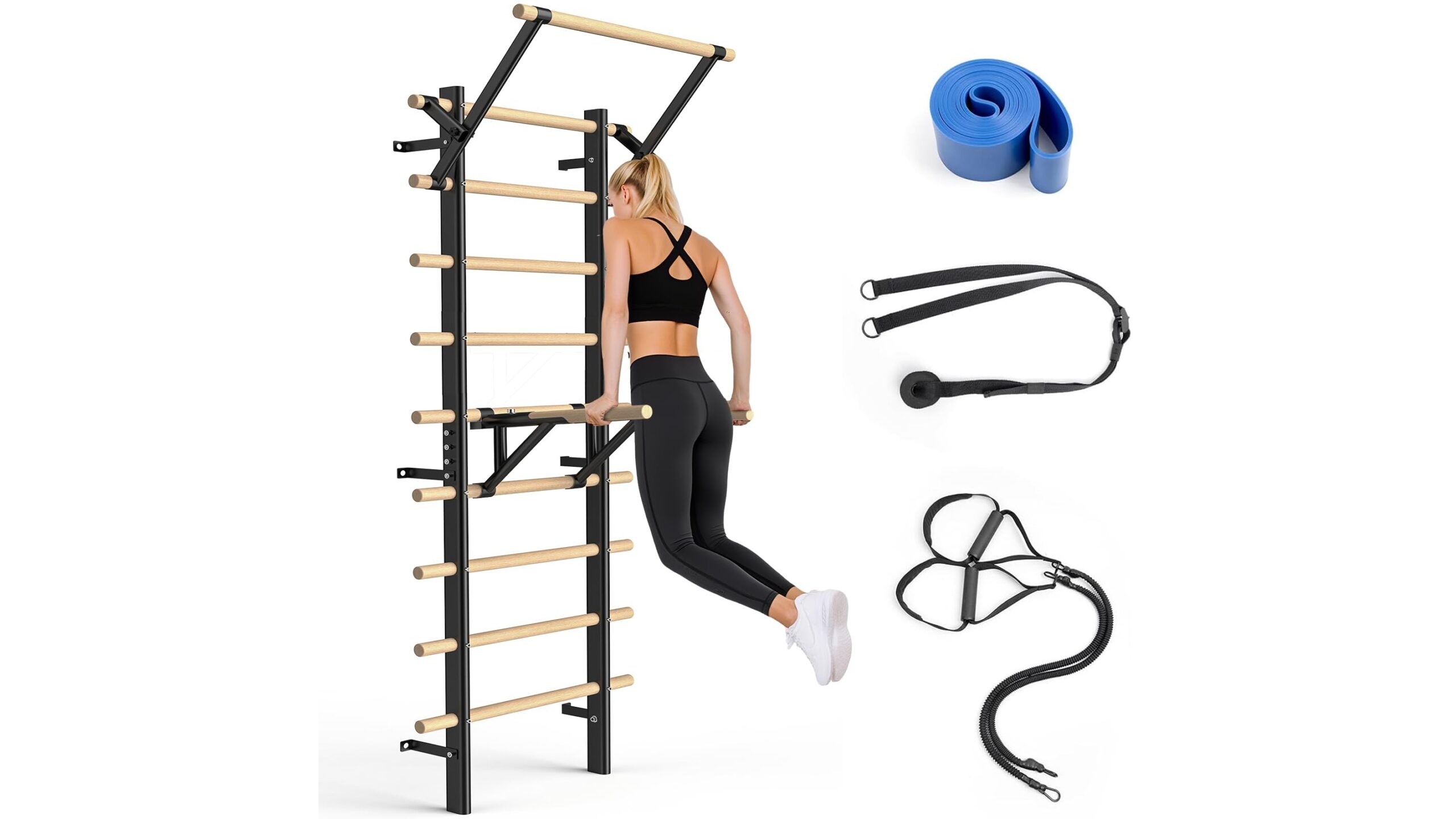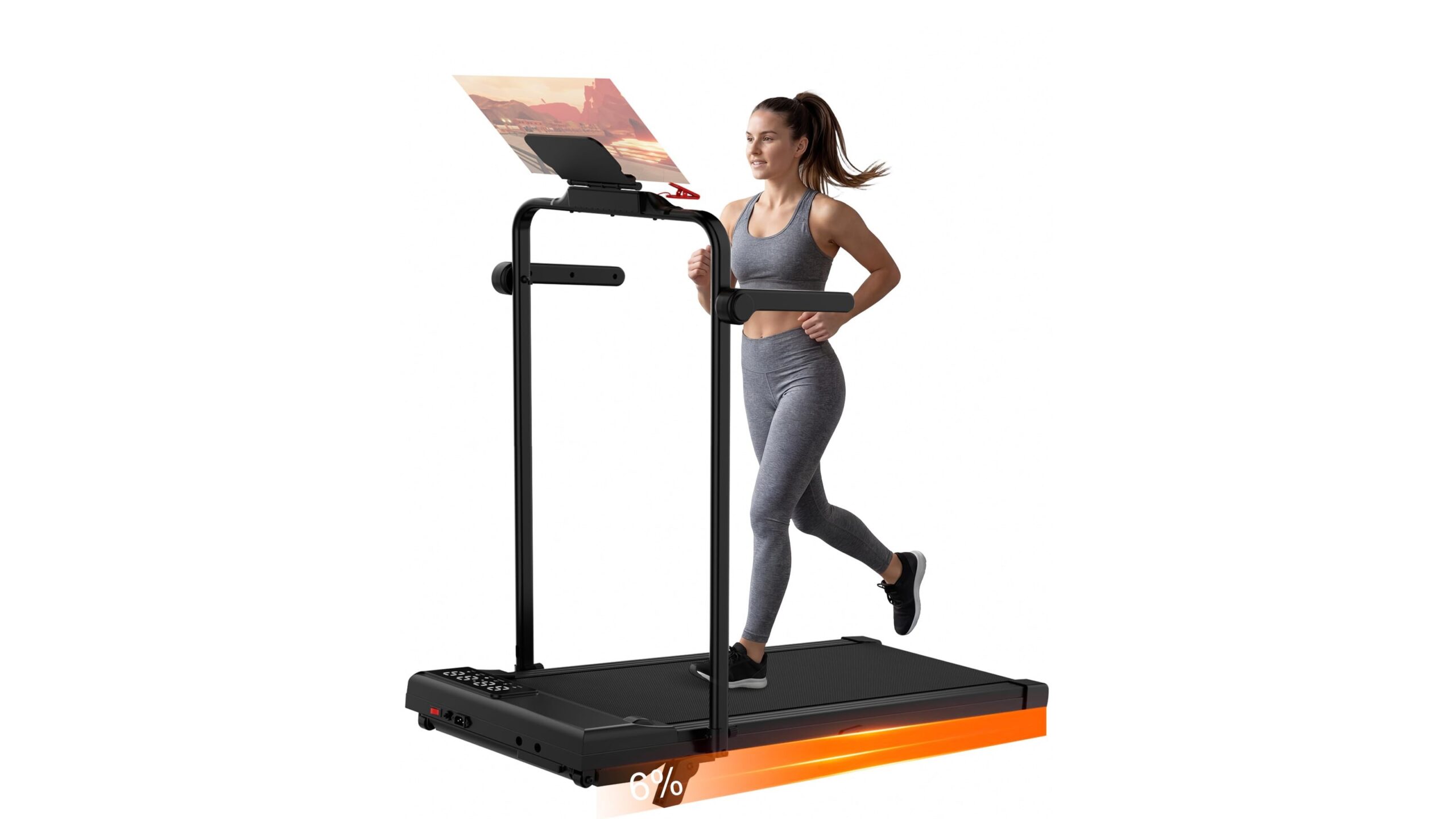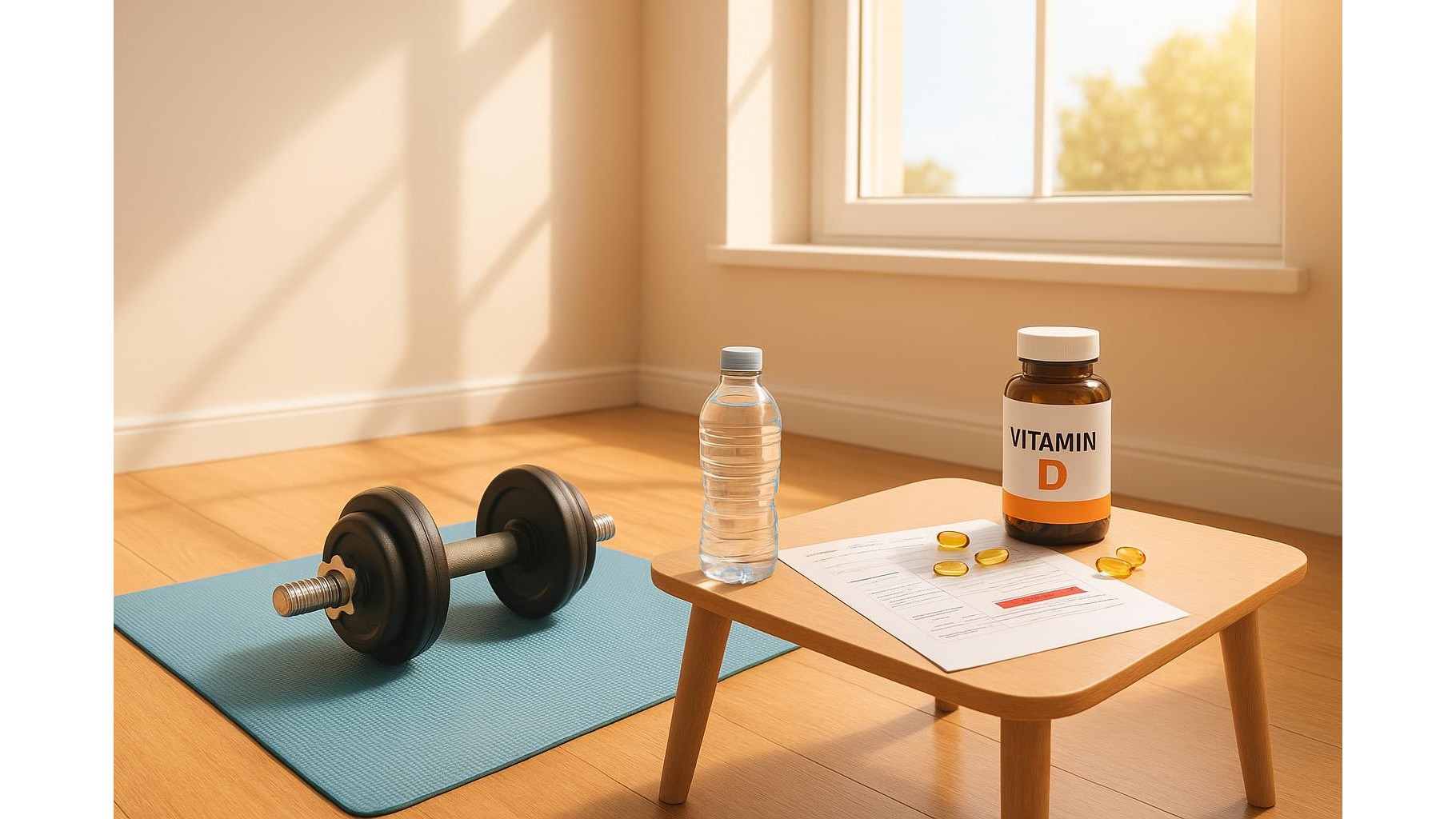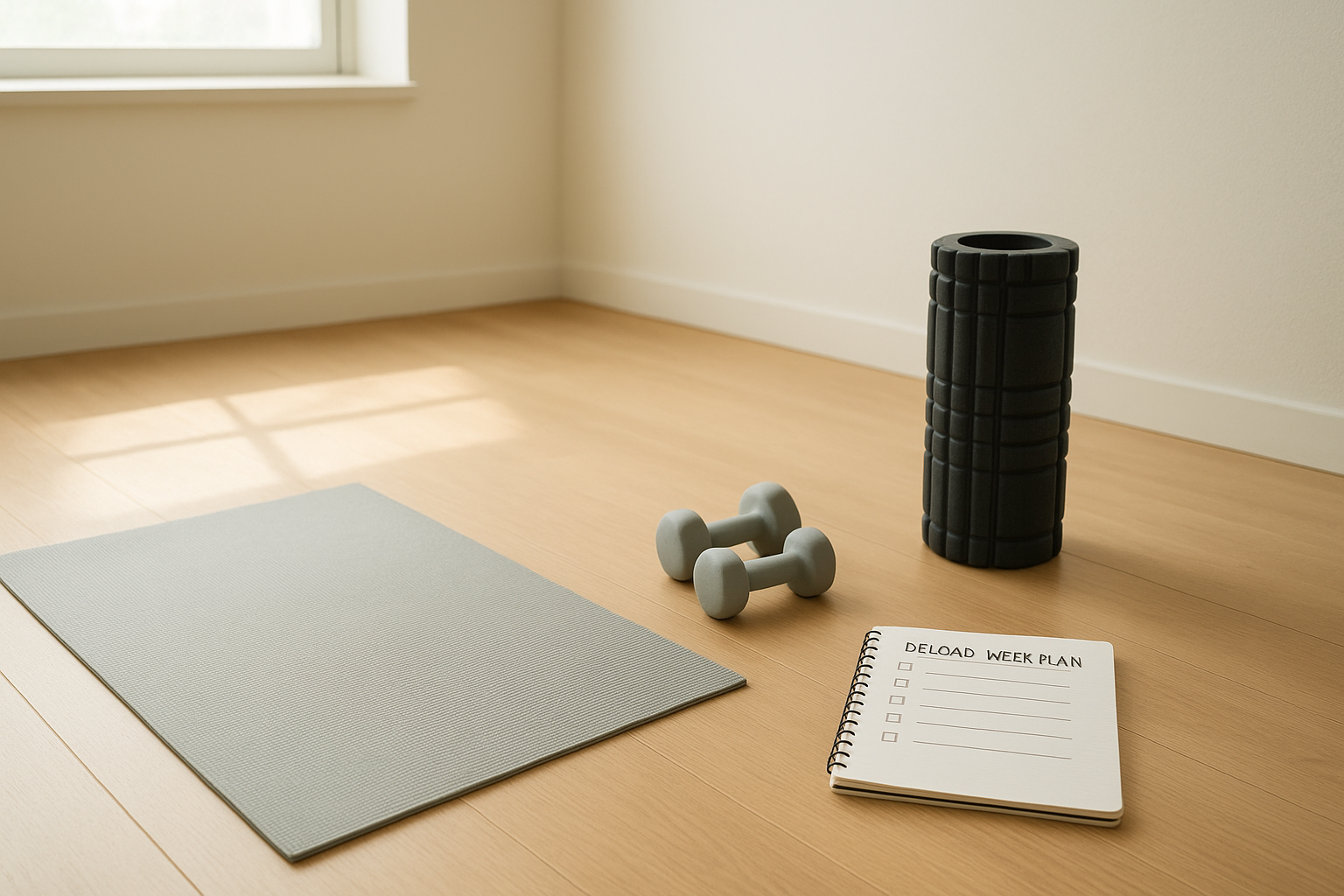
A well-planned home deload week lets you pull back on training stress without sacrificing gains. Instead of stopping completely, you strategically reduce load and volume so your joints, muscles and nervous system can recover while you maintain movement quality and habits. In a home gym setting, this is simple to organize with basic equipment, a few smart tweaks to your plan, and extra attention to sleep, stress and recovery.
Table of contents
Why a deload week matters in your home routine
Training hard at home is convenient, but it also makes it easy to push too long without a break. A deload week acts like a reset: you lower intensity and volume so fatigue drops while fitness stays high. This helps prevent plateaus, nagging aches and motivation dips. You should consider deloading every 4–8 weeks, or whenever you notice stalled progress, persistent soreness, or poor sleep. Because your schedule and environment are already under your control at home, a deload week is the perfect moment to refine technique, improve mobility and reconnect with your long-term goals.
How to adjust volume, intensity and frequency
The key to a successful lighter training cycle is adjusting three variables: volume, intensity and frequency. A simple model is to cut your usual sets and reps by 30–50% and reduce load to around 60–70% of what you normally lift. For example, if your regular plan is 4 sets of 8 squats near failure, your deload version might be 2 sets of 6–8 reps that feel comfortably manageable. You can usually keep the same weekly frequency, but sessions should feel easy to moderate rather than grinding. This way, you keep the patterns and habits in place while dramatically lowering overall stress on muscles and connective tissues.
Choosing recovery-friendly exercises at home
During a deload week at home, prioritize movements that are joint-friendly, stable and easy to control. Swap very heavy barbell or maximal-effort variations for simpler patterns with moderate loads, slow tempo and full range of motion. Focus on classics like squats, hip hinges, push-ups, rows and presses with lighter resistance. Add extra mobility and core work to support posture and stability. This is also a good time to include low-impact conditioning such as brisk walks, easy cycling or light intervals that raise the heart rate without leaving you wiped out. The goal is to finish each session feeling better than when you started.
Supporting your deload with sleep and stress management
A deload week is not only about what you do with weights; it is about giving your entire system a chance to recover. Make sleep a priority: aim for consistent bedtimes, a cool dark room and at least 7 hours per night. Reduce late-night screen time and caffeine so your sleep quality improves. On the stress side, integrate short daily practices such as box breathing, light stretching or 5–10 minutes of mindful walking. Because your training load is temporarily lower, this week is ideal for dialing in nutrition—eat enough protein, stay hydrated and emphasize whole foods to support muscle repair and energy levels without feeling sluggish.
Tracking progress without chasing numbers
During a home deload week, progress is measured less by heavier weights and more by how you feel and move. Use this period to assess technique, mobility and energy. Film a couple of key lifts to spot form improvements, notice whether joint discomfort decreases, and pay attention to your mood and motivation. Keep a short log of sleep quality and perceived effort in each workout. When your deload is working, you should feel fresher toward the end of the week, with reduced soreness and a renewed desire to train hard. This makes the transition back to regular programming smoother and sets you up for new gains in strength and performance rather than burnout.
In summary, a well-structured home deload week is a powerful tool to protect your progress, not a setback. By intentionally lowering volume and intensity, choosing recovery-friendly exercises, and supporting your body with better sleep and stress management, you allow fatigue to drop while maintaining fitness and technique. Build these lighter weeks into your long-term plan, listen to your body’s feedback, and you will return to full training feeling stronger, more motivated and ready to push your home workouts to the next level.