
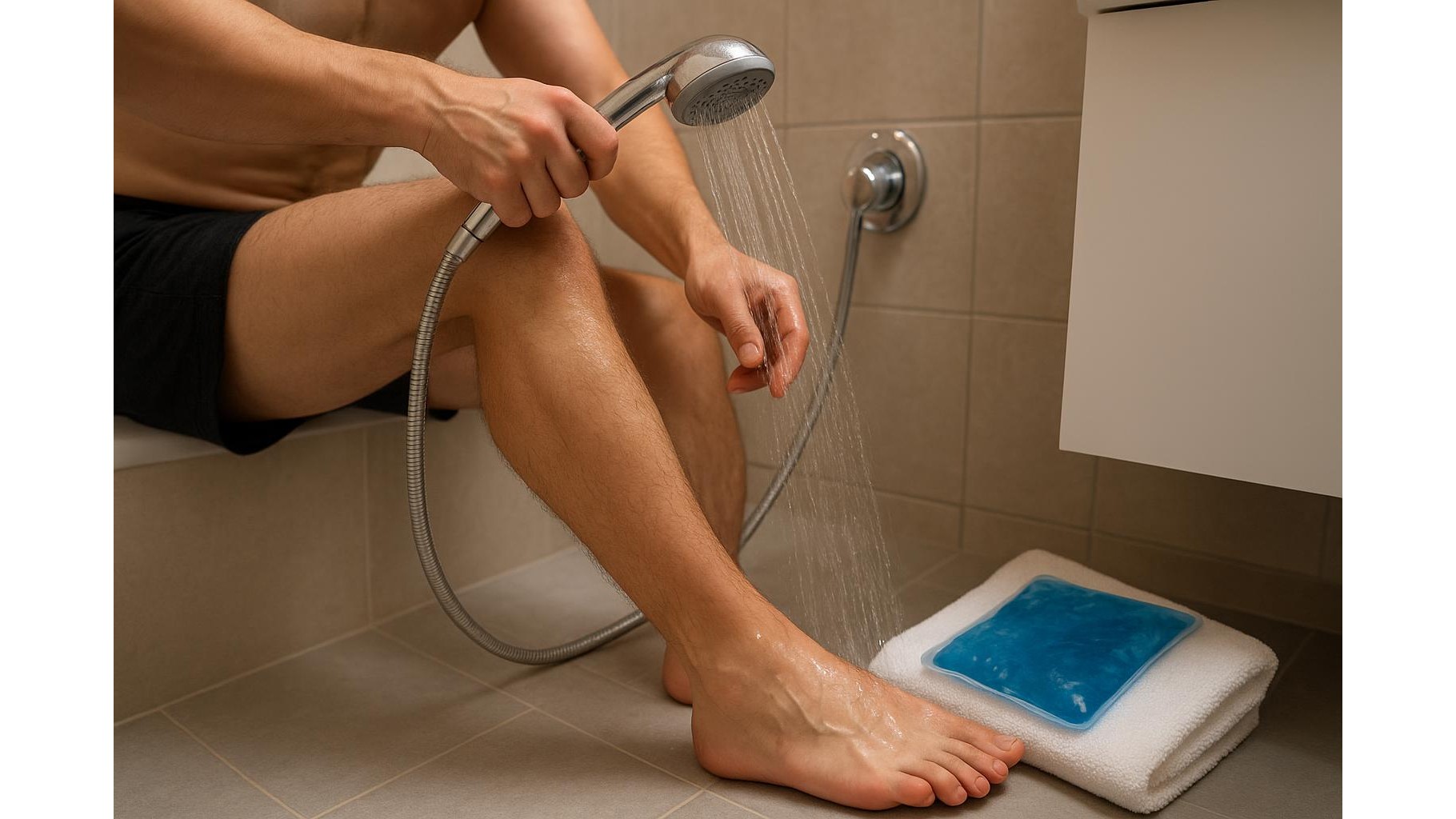
Using simple cold and heat therapy at home can make a real difference to how your muscles and joints feel after training. You do not need a professional setup: a basic contrast shower, a reliable hot pack and a sensible routine are enough to reduce soreness, ease stiffness and help you feel ready for your next workout. This guide explains when to choose cold, when to choose heat, and how to combine them safely at different fitness levels.
How cold and heat affect your muscles and joints
Both cold therapy and heat therapy change how blood flows through your tissues. Cold causes blood vessels to narrow, which can limit swelling and dull pain signals after hard sessions, especially if you feel a sharp or inflamed sensation. Heat does the opposite: it opens blood vessels, bringing more circulation to tight, stiff areas and helping muscles relax. Using them in a planned way after training can reduce delayed onset muscle soreness, support recovery of overworked joints and make basic mobility work more comfortable. The key is to match the method to the type of discomfort you feel.
When to use cold, when to use heat, and when to combine them
As a simple rule, choose cold first when there is fresh, sharp discomfort or visible irritation after a workout, like a minor tweak or sudden increase in training load. Apply cold for short blocks, then reassess. Choose heat when you feel general stiffness, tightness or a dull ache in muscles or around joints, particularly the morning after training or before a mobility session. A contrast shower or alternating hot and cold pack routine can be useful when you feel both heaviness and mild swelling: the changing temperatures encourage circulation without long exposure to either extreme. If pain is intense, spreads, or lasts for days, stop self-treatment and consult a professional.
Simple home contrast shower protocol
A basic contrast shower is one of the easiest home recovery tools. After training or in the evening, start with comfortably warm water over the target area for about 2–3 minutes to relax muscles. Then switch to noticeably cold water for 30–60 seconds, focusing on legs, glutes or shoulders as needed. Repeat this warm–cold cycle 3–4 times, finishing on cold if your goal is to feel fresher and less inflamed, or finishing on warm if you want to relax before sleep. Keep the temperatures challenging but safe: you should never feel burning or numbness. For beginners, reduce the cold duration and build tolerance gradually over a few weeks.
Using reusable hot and cold packs safely
Reusable gel packs are practical tools for home recovery because the same pack can provide both cold and gentle heat. Chill the pack in the freezer for cold applications or warm it carefully in hot water or the microwave for heat, following the product instructions. Always wrap the pack in a thin towel or cloth to protect your skin, and limit each application to around 10–15 minutes before taking a break. Avoid placing packs directly on bare skin, over areas with reduced sensation, or on open wounds. For most athletes and fitness enthusiasts, 1–3 sessions per day on the most fatigued area are enough; more is not always better, and comfort and skin safety come first.
Timing and integrating contrast therapy into your training week
The best timing for home cold and heat combos depends on your goal. If you want to reduce soreness after a very intense session, use cold or a contrast shower within the first few hours post-workout. If you aim to improve flexibility and joint comfort, use heat or gentle contrast before mobility drills, stretching or low-intensity cardio. Across the training week, reserve more frequent cold exposure for your heaviest days, and rely on soothing heat on lighter or recovery days to maintain movement quality. Combine these strategies with basics such as sleep, hydration and nutrition; temperature work should support your recovery plan, not replace it.
Used with intention, simple home cold and heat strategies can make your legs feel lighter, your joints less stiff and your recovery more consistent. Start with short contrast showers and brief sessions with a reusable hot and cold pack, then adjust duration and frequency based on how your body responds. Respect your limits, watch your skin, and treat these methods as one useful tool among many. Over time, you will learn when cold, heat or a smart combination of both helps you train harder while staying comfortable and safe.









