Rolling out of bed and jumping straight into heavy lifts or high-intensity intervals is a recipe for stiff joints and sluggish performance, especially if you train in a home gym after hours at a desk. A short, intentional morning mobility routine can act as a daily reset, preparing your body from head to toe before you even touch your equipment. In just 12 minutes, you can combine gentle joint circles, deep breathing and light muscle activation to reduce stiffness, move more freely and make every home workout feel smoother and safer.
Table of contents
Why a 12-minute mobility reset changes your whole session
Instead of thinking of warm-ups as a chore, treat this 12-minute block as your daily support and recovery routine. Gentle joint circles lubricate the shoulders, hips and spine, reversing some of the tension from sleep and sitting. Slow, nasal breathing calms your nervous system and improves focus before you start loading weight. Light muscle activation switches on underused areas like glutes and upper back so they actually contribute during your lifts rather than letting your lower back or neck take over. Done consistently, this kind of structured mobility makes home sessions feel more athletic: squats sink deeper, push-ups feel more stable and conditioning work becomes less jarring on your joints.
Breath, neck and shoulders: easing into movement from the top
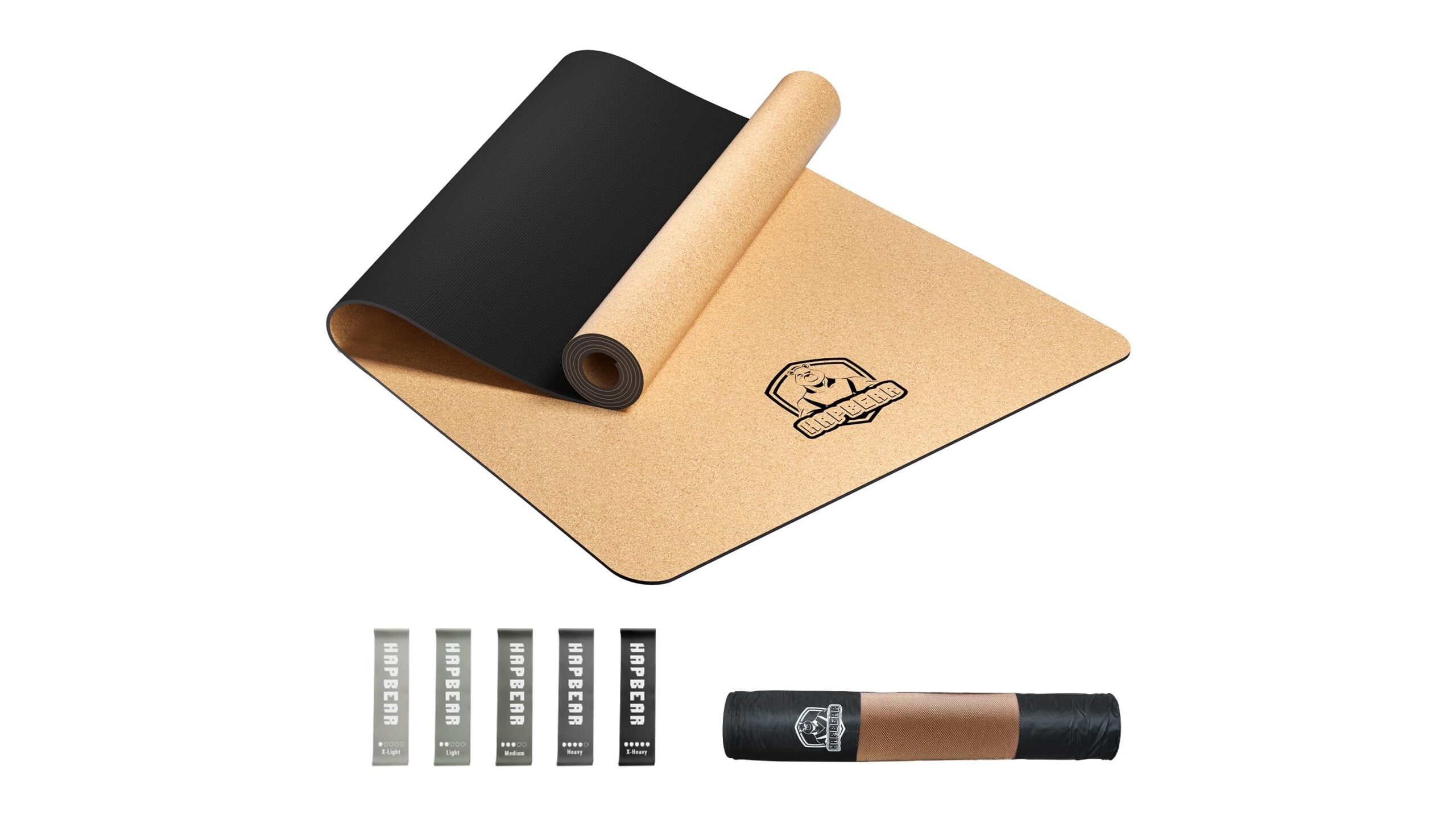
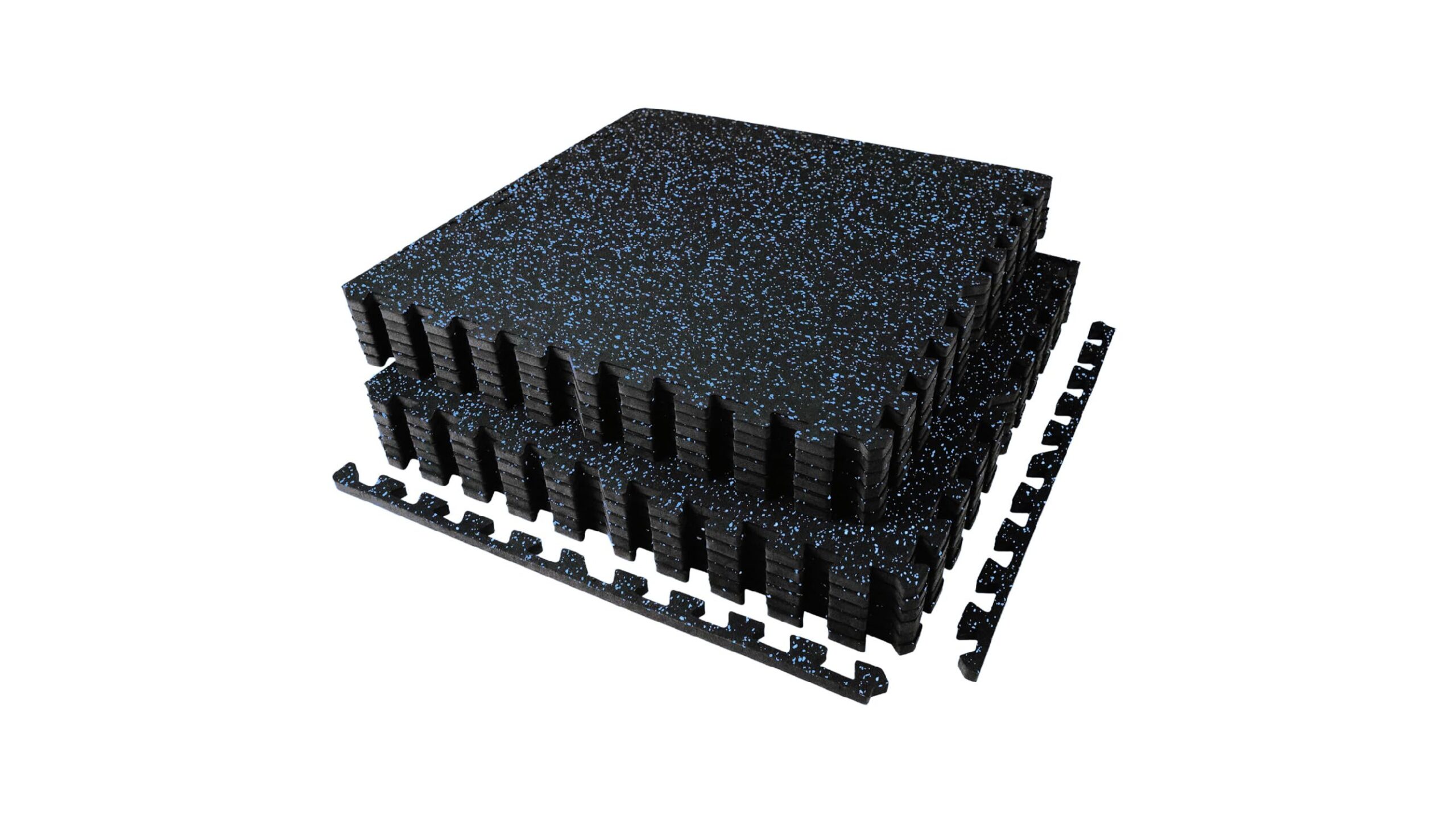
Start your reset on a comfortable surface, such as a thick exercise mat, and spend the first few minutes reconnecting with your breath and upper body. In a relaxed tall-kneeling or seated position, place one hand on your chest, one on your belly and take slow inhales through the nose, expanding the lower hand first. Exhale gently through pursed lips, feeling your ribs soften. From here, move into very small neck circles and side tilts, avoiding any pinching. Add shoulder rolls forward and back, then draw slow circles with your elbows and wrists to wake up smaller joints. This top-down approach tells your body it is safe to move, reduces morning tension and sets a calm rhythm you will maintain throughout the routine.
Spine, hips and ankles: building a smooth foundation
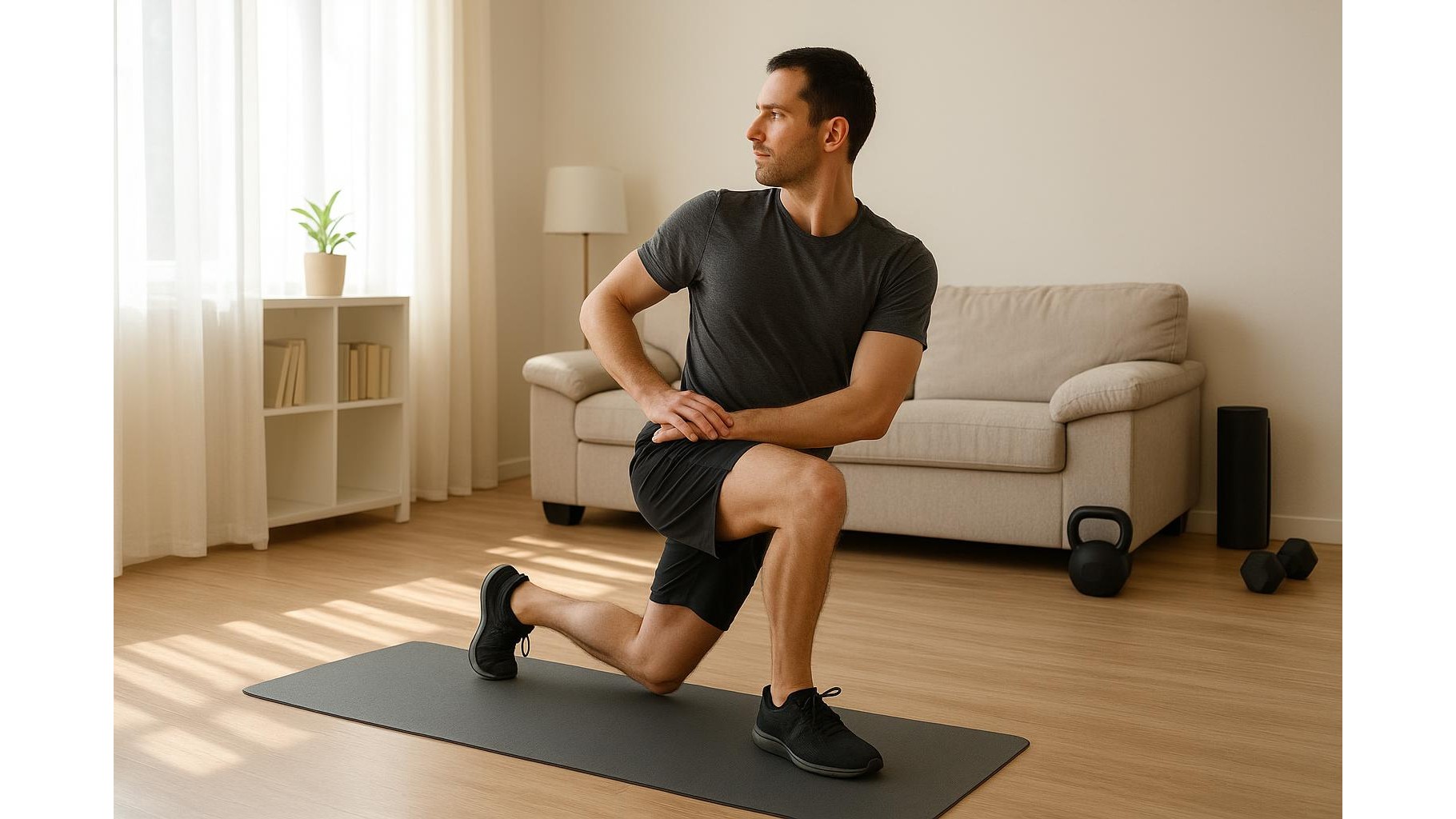
Once the upper body feels looser, shift focus to the spine, hips and ankles, which have the biggest impact on how strong and stable you feel in your main lifts. Move into a quadruped position and perform slow cat–cow flows, coordinating each spinal wave with your breath. Step one foot forward into a low lunge and gently circle the front knee to explore hip range, then add a small rotation of your upper back toward the front leg. Finish with controlled ankle circles and calf rocks against the floor or a step to prep for squats, lunges or jumping. These simple patterns restore motion in the segments that tend to lock up overnight, so your body no longer has to “borrow” movement from more vulnerable areas like the lower back or knees.
Light activation: switching on key muscles for safer strength work
With your joints moving more freely, a couple of minutes of activation drills will help your muscles respond better when you pick up weights or start bodyweight training. Focus on the glutes, core and upper back—three key areas that protect the spine and improve posture under load. Glute bridges, side-lying clamshells and short plank holds are plenty at this stage, as long as you move slowly and maintain controlled breathing. The goal is not fatigue, but a clear sense that these key muscles are “online” and ready to share the work during squats, hinges, presses and pulls. This subtle priming can dramatically change how stable and powerful you feel throughout your home workout.
Making morning mobility a sustainable home habit
The real power of a 12-minute head-to-toe mobility routine lies in consistency, not complexity. You do not need equipment or elaborate flows; you need a repeatable sequence you can run through in your living room most days of the week. Set a timer for 12 minutes, move steadily without rushing, and keep the same basic order: breathing and upper body, spine and hips, ankles and light activation. Over time, you will likely notice fewer nagging aches, better body awareness and more confidence when progressing your home gym sessions. Treat this ritual as a non-negotiable first step in your training, just like you would plugging in your headphones or filling a water bottle.
By dedicating a short window each morning to gentle mobility, breathing and activation, you are not just warming up—you are investing in smoother, safer and more enjoyable home training. This simple, structured reset helps your joints feel nourished rather than punished, allows muscles to fire in better coordination and mentally separates daily stress from your workout. Whether you train with dumbbells, resistance bands or only bodyweight, starting with this 12-minute routine can transform your home gym from a place where you simply “get through” workouts into a space where you consistently move, feel and perform at your best.