
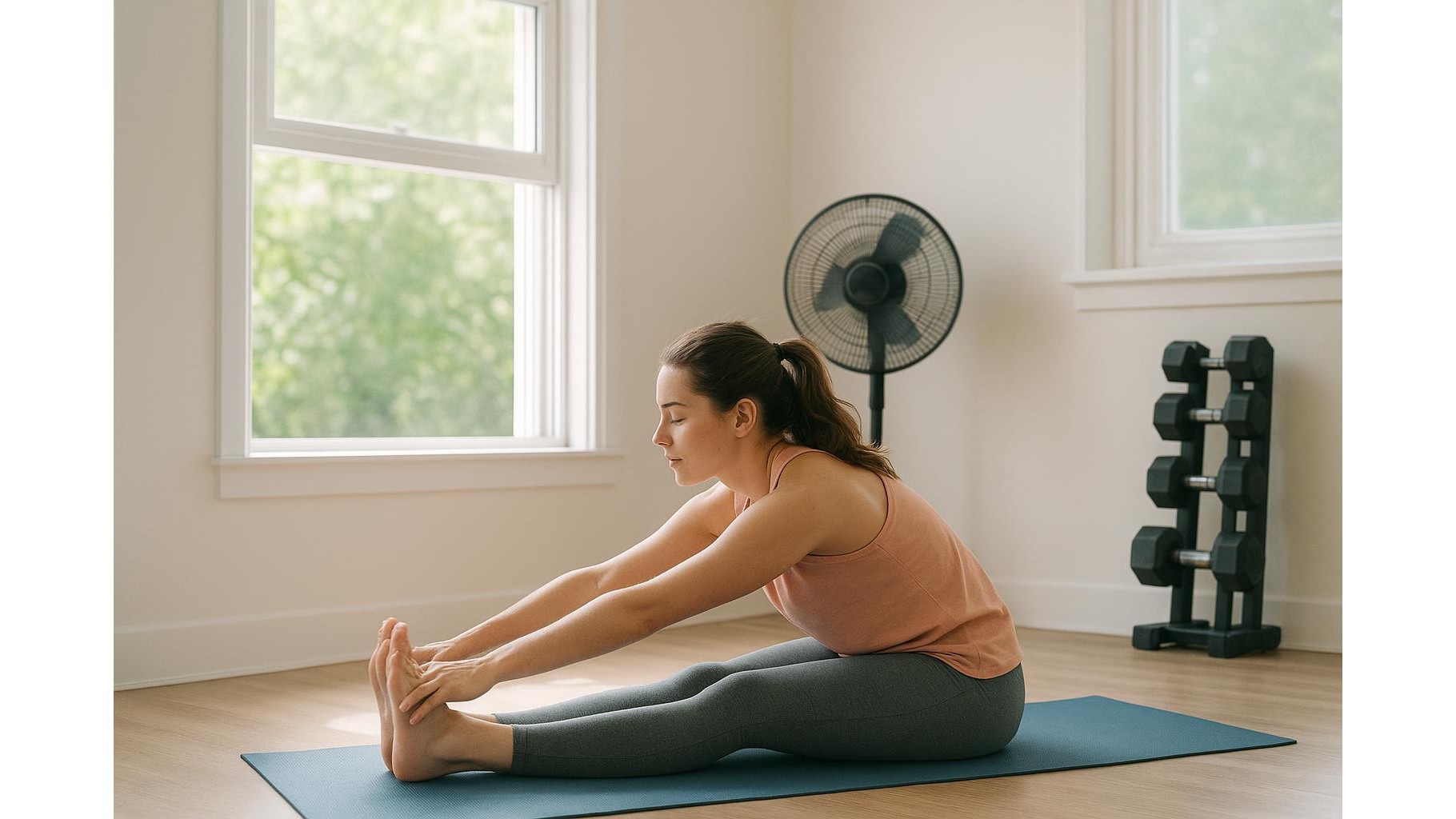
When hay fever season collides with your toughest home workouts, recovery can feel like an uphill battle. Congestion, itchy eyes and a scratchy throat can all spike after intense training, especially if you are breathing hard in a stuffy room. The goal is not to stop exercising, but to adjust your recovery routine so your immune system and airways can calm down instead of flaring up. With a few smart tweaks to breathing, environment and cooldown, you can keep progressing in your home gym while keeping allergy symptoms in check.
Set up your indoor air for post‑workout relief
Good indoor air quality is your first line of defence during hay fever season. Keep windows closed during high pollen hours (usually early morning and late evening) and ventilate the room at midday when counts are often lower. If you train near fabric sofas, curtains or carpets, remember they can trap allergens; vacuum and dust regularly to avoid stirring particles during your session. Position a fan so it moves air across the room, not directly into your face, to reduce irritation of already sensitive nasal passages. Simple routines like showering and changing clothes right after training also prevent pollen that has settled on skin and hair from continuing to trigger symptoms while you recover.
Breathe smarter, not harder, during intense sets
When allergies are active, your breathing mechanics matter even more. Fast, shallow mouth‑breathing pulls more irritants deep into your airways and can leave you coughing after a tough circuit. Instead, focus on slower, controlled nasal inhales whenever the intensity allows, then relaxed exhales through pursed lips. During heavy lifts or intervals, think “smell the air, blow out a candle” to keep your breath smoother and reduce throat dryness. Build in short “breath reset” breaks between sets: stand tall, relax the shoulders and take 4–6 calm nasal breaths before the next block of work. This gentler pattern supports better oxygen delivery without constantly scratching already inflamed nasal passages.
Adjust workout timing and intensity when pollen peaks
Programming your home workouts around pollen levels can dramatically improve recovery. On high‑pollen days, prioritise low‑impact sessions such as mobility flows, core training or light dumbbell circuits instead of all‑out HIIT. If symptoms usually ramp up at night, train earlier in the day so your airways get a longer window to calm down before sleep. Use a weekly structure where your most intense sessions fall on days with lower pollen forecasts and milder symptoms. Within a single workout, scale back by reducing total rounds, shortening intervals or increasing rest, rather than pushing through and paying for it with a long, congested evening. Consistency beats heroics; staying active at 70–80% effort is better than repeated crashes that derail your routine.
Design a hay‑fever‑friendly cooldown routine
A targeted cooldown can turn the post‑workout window into a de‑stress phase for your immune system instead of a trigger. After your last set, spend 5–10 minutes on gentle walking around the room, then add upper‑back and chest stretches to open the ribcage and ease breathing. Finish with 3–5 minutes of down‑regulating breathing: lie on your back with knees bent, place one hand on your chest and one on your belly, inhale through the nose for 4 seconds, exhale slowly for 6–8 seconds. This activates your parasympathetic nervous system, helping to calm both heart rate and inflammatory responses. If your eyes feel irritated, a cool, damp cloth across closed eyelids can be soothing while you breathe, turning your cooldown into a mini recovery ritual that signals your body to switch out of “fight” mode.
Small habit tweaks that add up over the season
Managing seasonal allergies alongside home training is less about one magic fix and more about consistent micro‑habits. Keep a simple symptom log tied to your workout notes so you can spot patterns between exercise types, timing and reactions. Hydrate well before and after sessions to thin mucus and support recovery; aim for steady sipping instead of big gulps right before intense sets. Store your home gym gear in a closed space, and wash frequently used items like yoga mats and straps to limit allergen buildup. Most importantly, treat your allergy management plan as part of your training plan: the better you manage exposure and recovery, the more energy you will have for progressive overload, skill work and long‑term gains, even in the peak of hay fever season.
In summary, thriving through hay fever season as a home athlete is completely possible when you respect how allergies interact with hard training. By optimising indoor air, refining your breathing, choosing smart workout times, prioritising calming cooldowns and stacking small, protective habits, you reduce symptom flare‑ups and protect your consistency. The result is a home gym routine that supports both performance and long‑term respiratory health, so you can keep moving forward instead of losing weeks to seasonal setbacks.









