
Post‑workout headaches can turn a great home training session into a frustrating experience. For many home athletes, the combination of muscle tension, bright screens and poor hydration can trigger tension headaches or worsen migraine‑prone headaches. A simple, structured 20‑minute low‑light routine focused on stretching, breathing and environment control can help the nervous system calm down and reduce that throbbing post‑session discomfort.
Set up your dark, low‑stimulus recovery space
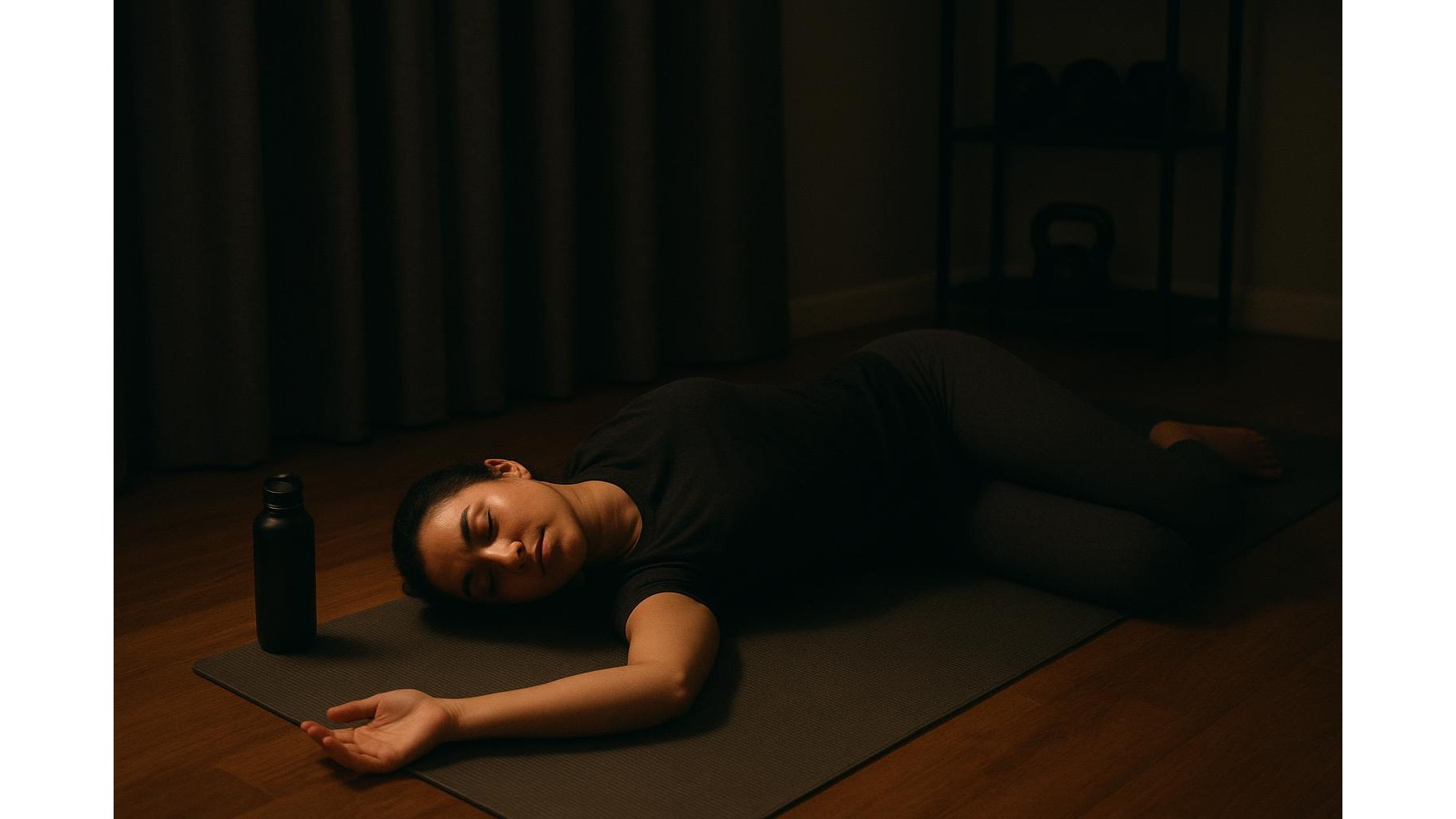
Before you start stretching, create a calm environment that supports headache relief. Dim the lights or use a small, warm lamp instead of overhead lighting, and close curtains or blinds to reduce visual stimulation. Switch your phone to airplane mode and keep screens out of sight to avoid blue‑light exposure that can aggravate post‑workout headaches. Lay a supportive yoga mat on the floor to cushion joints and the spine during gentle stretches; a thick, non‑slip mat makes it easier to relax into each position. Keep a bottle of water or an electrolyte drink within reach, as even mild dehydration after a workout can contribute to headache intensity.
10 minutes of gentle stretching to release neck and shoulder tension
Start your 20‑minute routine with about 10 minutes of slow, controlled post‑workout stretching. Focus on the muscles that commonly feed into tension headaches: neck, upper back, shoulders and chest. Sit or lie on your mat and perform gentle neck side bends, holding each side for 20–30 seconds without bouncing. Follow with shoulder rolls and cross‑body shoulder stretches to ease tightness from pressing or pulling exercises. Include an open‑chest stretch by lying on your back with arms out to the side, palms up, allowing the front of the shoulders to release. Keep movements pain‑free and smooth; the goal is to downshift from “training mode” to “recovery mode”, not to push flexibility.
5 minutes of deep breathing and body scanning in the dark
After stretching, turn the lights down further or off completely and lie comfortably on your mat. Close your eyes and practice diaphragmatic breathing: inhale slowly through the nose for a count of four, let the abdomen rise, then exhale gently through pursed lips for a count of six. Continue for about five minutes. Combine this with a light body scan, mentally moving from toes to head and consciously relaxing each area. This technique helps reduce muscle guarding around the neck and jaw, which often fuels post‑exercise headaches. Slower breathing can also lower heart rate and blood pressure slightly, supporting overall nervous system calm and reducing the perceived intensity of head pain.
Hydration, light nutrition and screen rules after training
Once your breathing practice is done, sit up slowly and drink water in small, steady sips. Aim to replace at least part of the fluid lost through sweat, and consider a low‑sugar electrolyte drink if your workout was long or intense. Pair this with a small snack containing both carbohydrates and a bit of protein within 30–60 minutes of exercise; unstable blood sugar can be a trigger for headaches after working out. Keep screen exposure minimal for at least 20–30 minutes post‑session: avoid scrolling social media or jumping straight into work emails. If you must use a device, lower screen brightness and use a warm‑tone or night mode to reduce visual strain that can worsen migraine‑prone headaches.
When to modify training and seek professional medical advice
While a gentle dark‑room stretching routine can lessen many mild post‑workout headaches, it is important to recognise when to ask for help. If your headaches are severe, sudden, accompanied by vision changes, weakness, confusion, chest pain, fever or neck stiffness, seek urgent medical attention. For recurring or worsening exercise‑induced headaches, speak with a doctor or headache specialist; they can rule out underlying conditions and discuss tailored treatment. A physiotherapist or sports medicine professional can help you adjust training variables such as intensity, breathing technique, neck positioning and warm‑up to reduce triggers. Your home gym practice should support long‑term health, and ongoing, unexplained pain is a signal to get a proper, personalised assessment.
By combining a calm, low‑light environment with 10 minutes of gentle stretching, 5 minutes of focused breathing and consistent hydration habits, many home athletes can reduce the frequency and intensity of post‑workout headaches. Add sensible screen rules and remain attentive to warning signs that call for professional medical advice. Over time, this simple 20‑minute routine can become a reliable part of your home training, helping you finish each session feeling clearer, more relaxed and ready to recover.









