If classic sun salutations make you roll your eyes, you can still reap the benefits of a consistent home stretching routine. You don’t need incense, Sanskrit or a 60‑minute flow to feel looser and move better in your home gym. With a wall, a sturdy chair and a patch of floor, you can build a practical 15–20 minute sequence that slots before or after your workouts, helping you warm up safely and wind down without boredom.
Why a simple stretch sequence beats skipping mobility
Many home athletes push hard on strength training and conditioning but skip mobility because it feels slow or confusing. The result is tight hips, stiff shoulders and nagging aches that stall progress. A short, repeatable stretching routine improves joint range of motion, blood flow and muscle recovery, without demanding any love for yoga. Think of it like brushing your teeth for your joints: 15–20 focused minutes, most days of the week, will keep you moving freely, reduce post‑workout soreness and make lifts and cardio feel smoother.
Gear you can actually use in a non-yoga routine
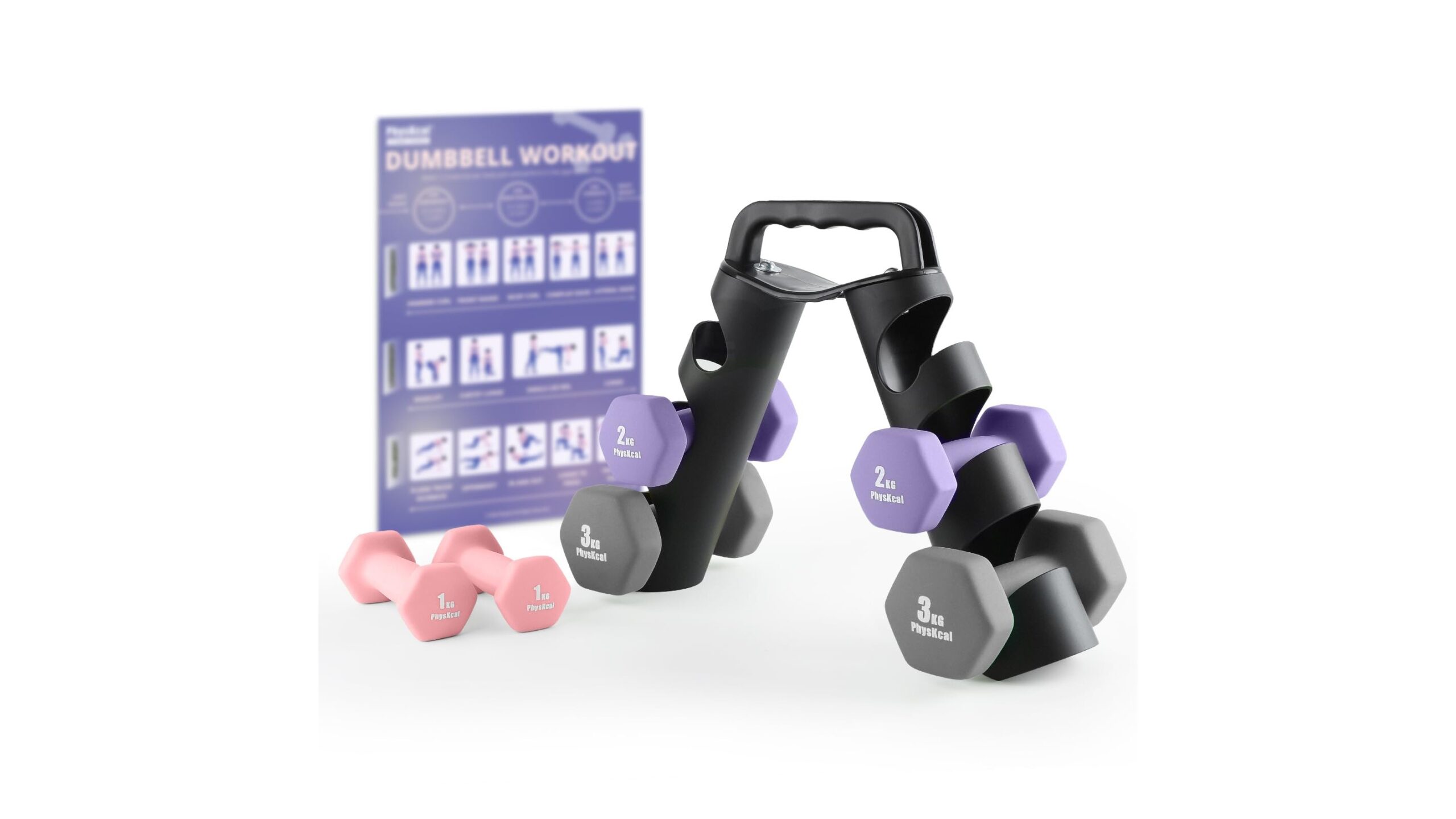
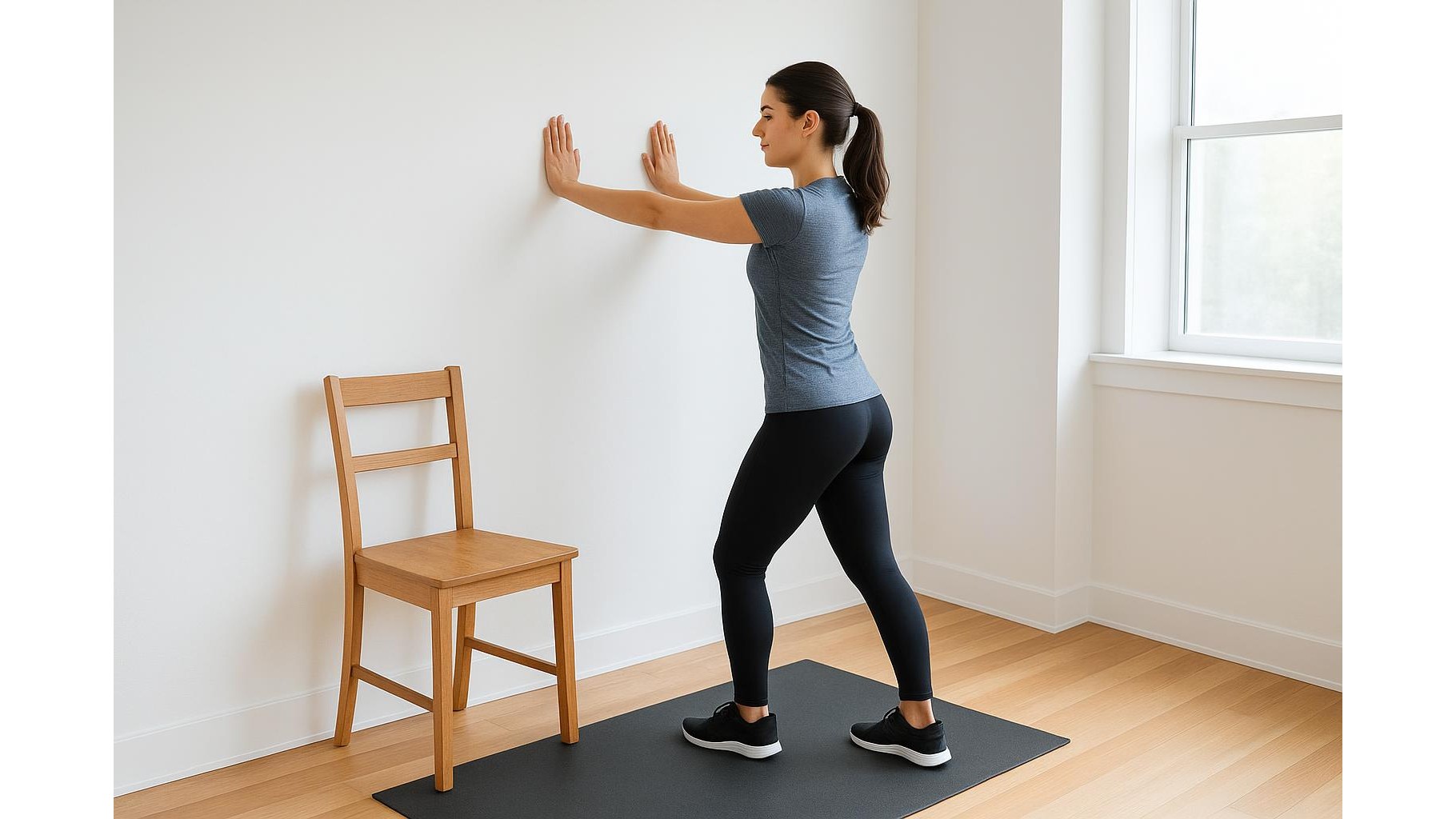
You don’t need a studio full of props to stretch effectively. A clear wall lets you work on chest, shoulders and calves. A solid chair (no wheels) supports hip and hamstring stretches without forcing you to sit cross‑legged. A basic exercise mat makes floor work more comfortable and encourages you to stay on the ground long enough for tension to ease. Optional extras like a massage ball or foam roller can help you target stubborn tight spots, but they’re not essential. The key is choosing simple tools you’ll actually leave out in your home gym so stretching becomes as automatic as your warm‑up set.
Designing a 15–20 minute wall–chair–floor sequence
Think of your routine as three blocks: wall, chair, floor. Spend about 4–6 minutes on each, holding most stretches for 20–40 seconds and repeating once if needed. A sample pre‑workout flow might start at the wall: chest opener with your forearm on the wall, calf stretch with one foot back, then a gentle hip flexor stretch using the wall for balance. Move to the chair for seated hamstring stretches and an ankle mobility drill. Finish on the floor with a lying glute stretch and a gentle spine rotation. Post‑workout, simply slow everything down, breathe deeper and emphasise the areas you trained most that day.
Key stretches that don’t feel like a yoga class
Focus on straightforward moves with clear targets. For the lower body, rely on a standing calf stretch, a kneeling hip flexor stretch with the rear knee on a folded towel, a seated hamstring stretch on the chair and a lying figure‑four glute stretch on the floor. For the upper body, add a wall chest opener, a gentle doorway‑style pec stretch and a cross‑body shoulder stretch you can do seated. For the back, use a cat–cow style spine mobilization on all fours and a lying trunk rotation. None of these require yoga names or complex cues; you just move slowly to the point of mild tension, hold, breathe and release.
How to warm up and cool down without overthinking it
Before training, keep your warm-up stretching more dynamic: move in and out of positions, add light pulses and arm swings at the wall, and avoid long holds that make you feel sleepy. After training, switch gears into a cool-down mode: longer, calmer holds on the chair and floor, deeper breathing and less movement. Use your breath as a simple tool—inhale through the nose, exhale slowly through the mouth—to relax the nervous system and signal that the hard work is done. Over time, this post‑workout ritual becomes as important as your last set.
Keeping it consistent when you hate stretching
The best stretching plan is the one you actually follow. Keep the full routine under 20 minutes and give yourself permission to run a 5‑minute “minimum version” on busy days—one wall stretch, one chair stretch, one floor stretch. Save the sequence somewhere visible in your home gym and pair it with another habit, like turning on your workout playlist. By stripping away yoga jargon and sticking to clear, functional moves, you can make mobility work a simple, sustainable part of your training that keeps you lifting, running and moving well for the long term.