Epsom salt baths have become a staple of many home athletes’ recovery routines, promising everything from reduced soreness to deeper sleep and faster gains. But how much of this ritual is backed by science, and how much is just warm water and wishful thinking? In this article we unpack what magnesium soaks can and cannot do, how to time your bath for best effect, and which safer alternatives to try if you do not have a bathtub but still want a relaxing, spa-like recovery at home.
What Epsom salt actually is (and why lifters love it)
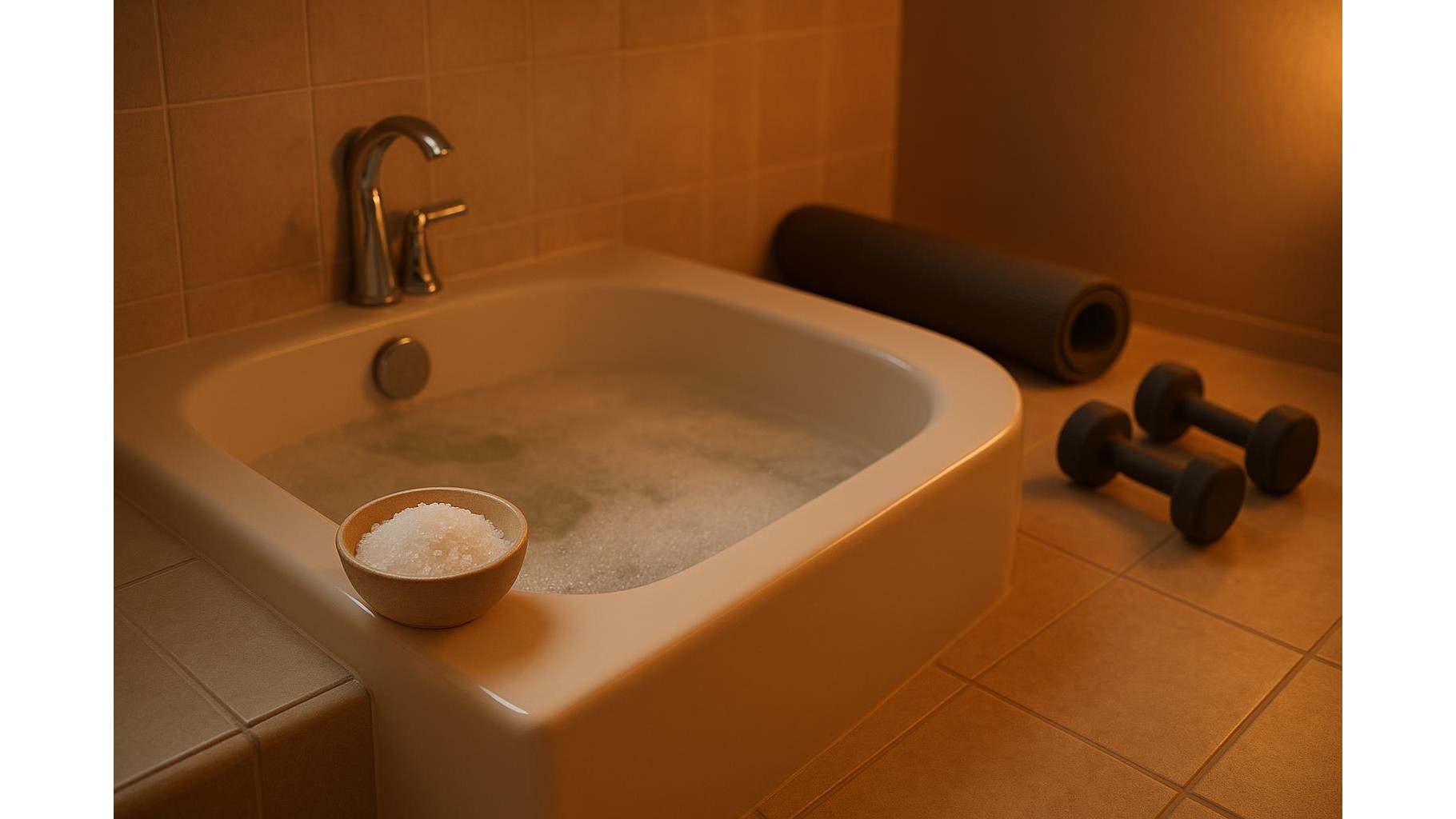
Epsom salt is simply magnesium sulfate, a mineral compound that dissolves easily in warm water. Many lifters and runners believe that soaking in an Epsom salt bath allows magnesium to be absorbed through the skin, relaxing tight muscles and easing cramps. While magnesium is crucial for muscle contraction, nerve function and energy production, research on how much is absorbed transdermally is limited and mixed. In reality, the main proven benefit of an Epsom salt bath is the combination of warm water hydrotherapy and a relaxing environment, both of which can reduce the perception of soreness, calm your nervous system and improve sleep quality – all useful for home gym athletes chasing consistent performance.
What Epsom salt baths can and cannot do for recovery
From a critical perspective, Epsom salt baths are best viewed as a low-cost relaxation tool rather than a magic recovery hack. The heat and buoyancy of the water can increase blood flow, ease joint stiffness and lower stress hormones, which indirectly supports recovery. However, there is no strong evidence that Epsom salt baths dramatically reduce muscle damage markers or speed up adaptation compared to simple warm water immersion. They will not replace fundamentals like adequate protein, sleep, progressive programming and active recovery. If you expect them to erase DOMS after a brutal leg day or fix chronic injury, you will be disappointed. If you use them to unwind, breathe and mentally “switch off” from training, they can be a valuable part of a sustainable home recovery routine.
How to use Epsom salt baths at home for best effect
For most home athletes, the sweet spot is an Epsom salt bath taken in the evening after your main workout, or on a rest day when soreness peaks. Fill your tub with comfortably warm (not scalding) water and soak for around 15–20 minutes; longer does not necessarily mean better and can leave you feeling drained. In general, follow package guidelines for dosage and avoid dumping in excessive amounts in search of extra benefits. Combine your soak with simple mobility work before or after, or use the time for breathing exercises and mindfulness to further reduce stress. Stay well hydrated, especially if you have trained hard or sweat heavily. Importantly, listen to your body: if you feel lightheaded or overly fatigued during the bath, get out, cool down and shorten your sessions in future.
Timing and safety considerations for home athletes
Timing matters. A very hot Epsom salt bath taken immediately after a heavy lifting or HIIT session may prolong the feeling of fatigue or even disturb sleep for some people, because your core temperature stays elevated. Instead, allow 60–90 minutes after intense training before soaking, or reserve baths for later in the evening when you are winding down. Athletes with cardiovascular issues, uncontrolled high blood pressure, diabetes, or skin conditions should speak with a healthcare professional before using hot baths regularly. Avoid soaking if you have open wounds or skin infections. Remember that even though Epsom salt is sold over the counter, it is not risk free: ingesting it without medical guidance can cause digestive upset or more serious problems. When used sensibly as a short, warm soak, however, most healthy home gym users can enjoy it as part of a recovery ritual.
No bathtub? Alternatives for at-home post-workout recovery
If you do not have a bathtub, you are not missing out on all the benefits. You can create mini-rituals that deliver similar effects: a warm foot or hand soak in a large basin with a small amount of Epsom salt can still feel relaxing after a long run or grip-heavy training. Complement this with other at-home tools like gentle self-massage using a foam roller or massage ball, light walking or cycling for active recovery, and simple stretching routines. Even a warm shower combined with a structured wind-down (dim lights, breathing drills, low-stimulation environment) can lower stress and prepare you for quality sleep, which is arguably the most powerful “recovery supplement” you have. The key is consistency and building a routine you enjoy, not chasing the latest hype.
In summary, Epsom salt baths sit somewhere between relaxing ritual and overrated hype. They will not transform your performance on their own, and the evidence for unique magnesium absorption benefits is weak. But as a pleasant, low-tech way to relax sore muscles, reduce stress and anchor a post-workout wind-down routine, they can be genuinely helpful for home athletes. If you focus first on training smart, eating well, sleeping enough and moving regularly on rest days, then layer Epsom salt baths or their alternatives on top, you will get the best of both worlds: solid, science-based recovery and a simple ritual that makes your home fitness lifestyle more sustainable.