Creating a small meditation corner inside your home gym is one of the easiest ways to upgrade both your physical and mental training. You do not need a separate room or a huge budget: a quiet nook, a few smart accessories and intentional design choices are enough to support mental recovery, pre‑workout focus and post‑workout relaxation. This guide walks you through choosing the right spot, lighting, seating and simple tools so your gym becomes a complete mind‑body space.
Choosing the right spot in your home gym
The best meditation corner starts with the right location. Look for a section of your home gym that feels slightly removed from your loudest equipment, ideally away from the rack, treadmill and any TV or speakers. A corner near a window can be ideal, as natural light promotes relaxation and helps regulate your circadian rhythm. If your space is very small, use a folding room divider or even a simple curtain to visually separate the meditation nook from weights and machines. Keep the floor clear, remove cluttered storage racks from this area and designate it as a phone‑free zone so your brain quickly learns to associate this spot with calm, not notifications.
Lighting and atmosphere for calm focus
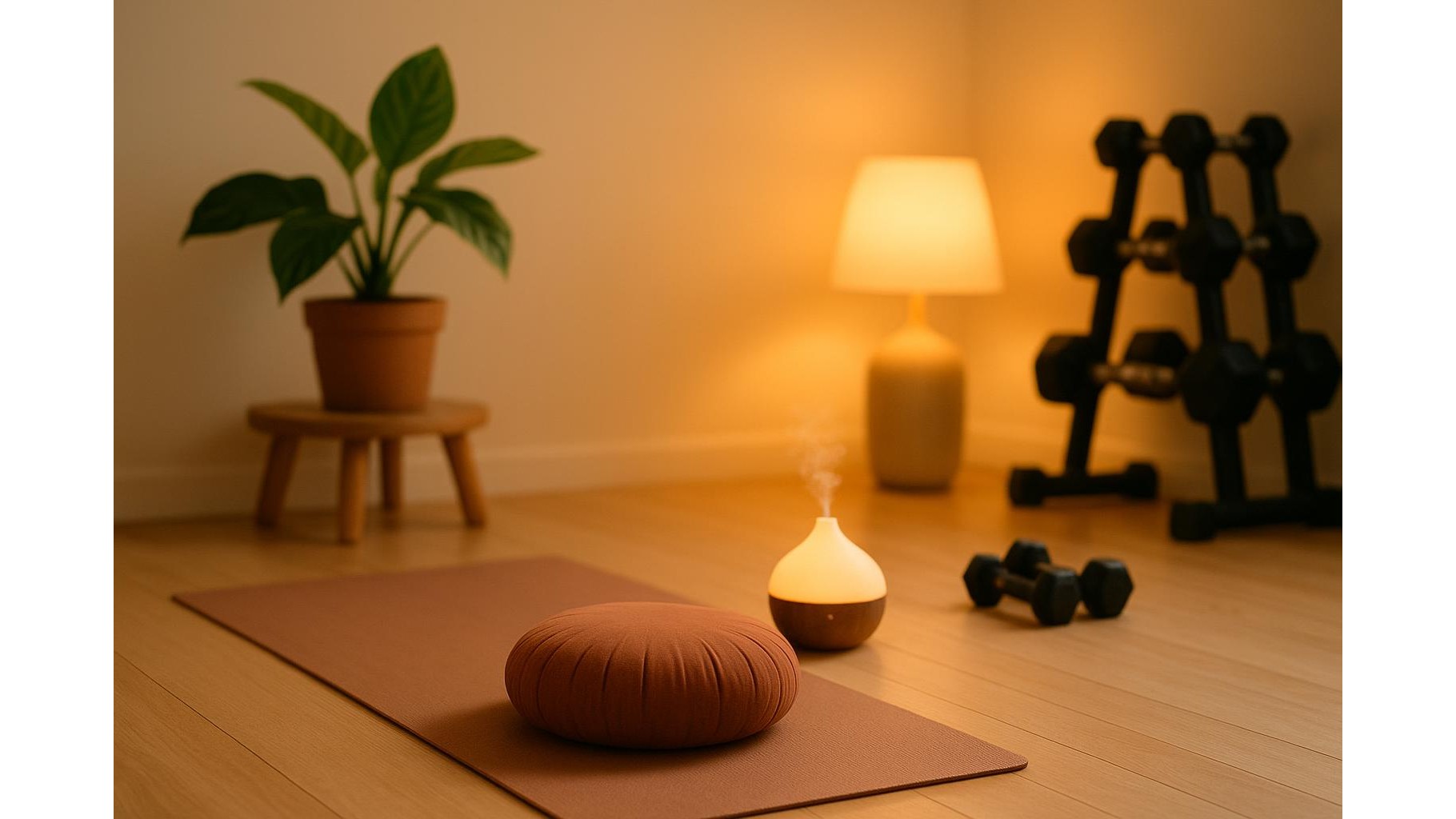
Harsh overhead lights that work well for lifting can feel too intense when you are trying to unwind. Aim for soft, layered lighting in your meditation corner. If possible, install a dimmer switch so you can lower intensity for breathing exercises and guided meditation. Add a small warm‑white lamp or string lights to create a cosy glow. Scent can also shape your state of mind: choose a compact essential oil diffuser with a simple design that is easy to clean and quiet in operation, and use calming oils like lavender or sweet orange for evening sessions, or peppermint to sharpen focus before a workout. Avoid flashing LEDs and strong synthetic fragrances that may distract you from your breath.
Comfortable, supportive seating options
Good seating is essential: if your hips and lower back are uncomfortable, your mind will not settle. A firm but cushioned meditation cushion set or a low bench helps keep your spine upright without strain. Choose a cushion covered in durable, easy‑clean fabric, preferably with a removable, washable cover, which is ideal if your meditation corner shares space with sweaty training sessions. If you struggle with tight hips or knees, add a second cushion or folded blanket under your sit bones to tilt the pelvis forward; this encourages a neutral spine and reduces pressure on the joints. For very small spaces, pick seating that can be stored vertically on a shelf when not in use, so your home gym layout stays functional for regular training.
Simple tools to support breathing and recovery
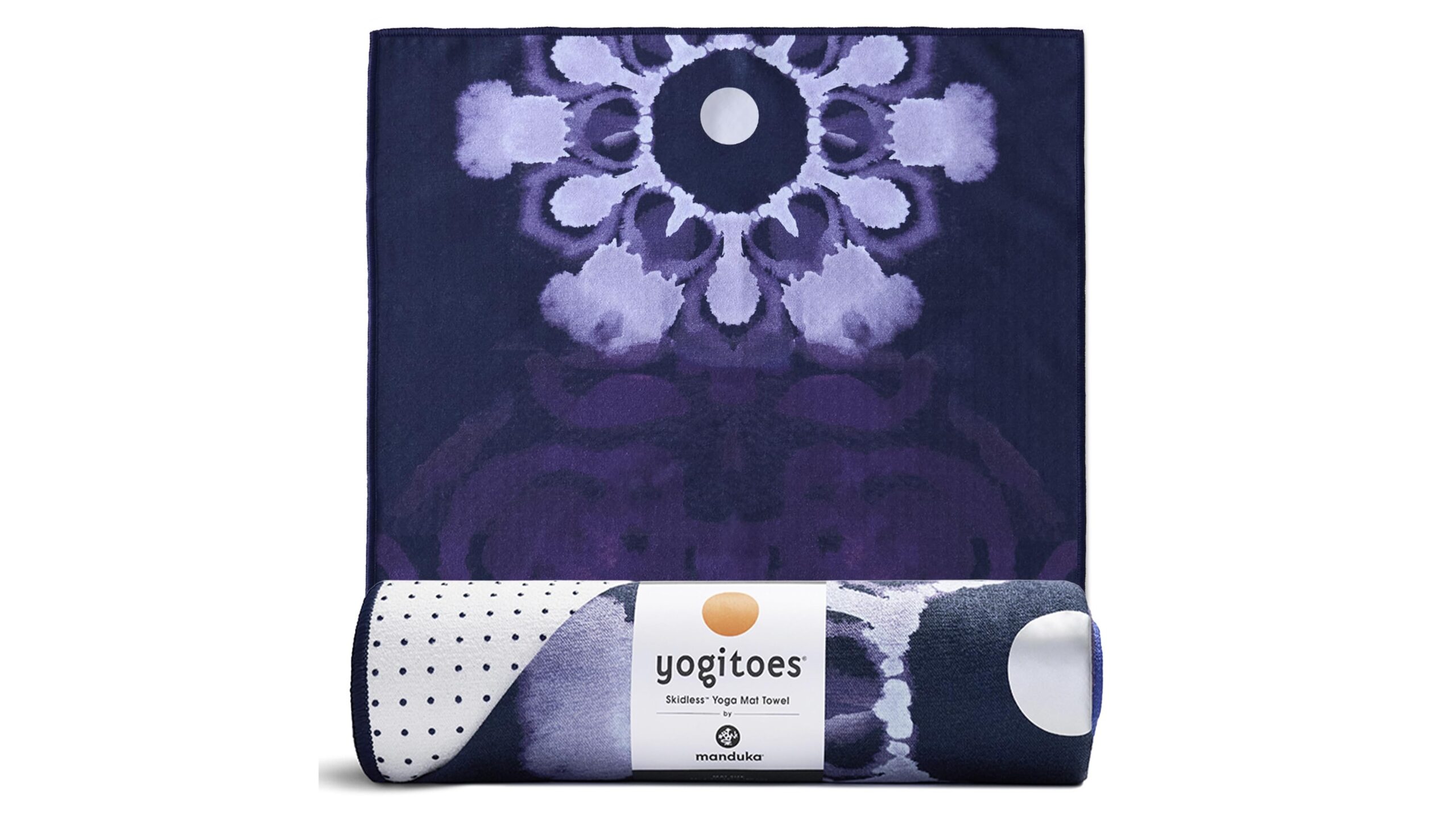
You do not need many accessories, but a few recovery tools can make your corner more effective. Keep a light blanket or large towel for body‑scan meditations or post‑workout relaxation when your body temperature drops. Add one or two yoga blocks to support the knees or head in restorative poses. If your gym is noisy or you share your home, a comfortable pair of over‑ear headphones with good passive noise isolation can help you stay present during breathwork or guided audio sessions. Store everything in a small basket or box in the corner so the area stays visually clean; clutter is stimulation, and reducing it is a quick way to deepen the sense of calm in your gym.
Integrating meditation into your training routine
Design alone will not change your recovery if you never actually sit down. Build simple routines around your new meditation nook. Before strength training, use 3–5 minutes of focused breathing to set a clear intention for the session and calm pre‑workout anxiety. After intense workouts, lie down on your mat, cover yourself lightly and practice slow nasal breathing to down‑regulate your nervous system and promote recovery. On rest days, treat the corner as a mini retreat for longer sessions of mindfulness, journaling or gentle stretching. By pairing specific actions with this dedicated space, your brain quickly associates the corner with switching gears from performance to restoration.
Keeping it minimal, personal and sustainable
The best home meditation corners are minimal yet personal. Resist the urge to overload the space with gadgets; instead, choose a few items that genuinely support your practice and are easy to maintain. Add one or two meaningful objects—a plant, a photo or a simple artwork—that evoke calm without creating visual noise. Prioritise washable textiles and durable, non‑slip mats so the corner stays fresh even in a high‑use gym environment. Over time, adjust details like cushion height, lighting intensity or choice of scents to match your evolving needs. By intentionally carving out this small sanctuary inside your home gym, you turn a purely physical training zone into a holistic environment that supports focus, stress management and deep recovery every day.
In summary, a well‑designed meditation corner does not require extra rooms or complex renovations—just a quiet spot, softer lighting, supportive seating and a few thoughtful tools. With consistent use, this small area inside your home gym can become the anchor of your routine, improving concentration before workouts and accelerating mental and physical recovery afterwards.