Building a dedicated, wall-mounted stretch corner in your home gym makes cooldowns more consistent, safer and more effective. With a couple of sturdy wall anchors, a basic pull-up bar and some adjustable stretching straps, you can turn an empty bit of wall into a compact recovery station for your shoulders, hips and spine. This guide walks you through simple equipment choices, how to position everything on the wall, and the key safety tips you need to keep your joints happy while you stretch.
Planning your wall-mounted stretch corner
Start by choosing a wall with enough clear space for your arms to move freely overhead and out to the sides. Ideally, you have at least the width of your wingspan and about two metres of vertical clearance. Look for a solid surface (brick, block or a stud-framed wall you can fix into securely). Decide what your main goals are: upper-body mobility, full-body post-workout cooldowns, or gentle rehab-style stretching. This will influence where you position a pull-up bar for hanging stretches and where you mount any anchor points for straps. Keep your stretch corner close to your main training area so you are more likely to actually use it after sessions.
Essential straps, anchors and bars to install
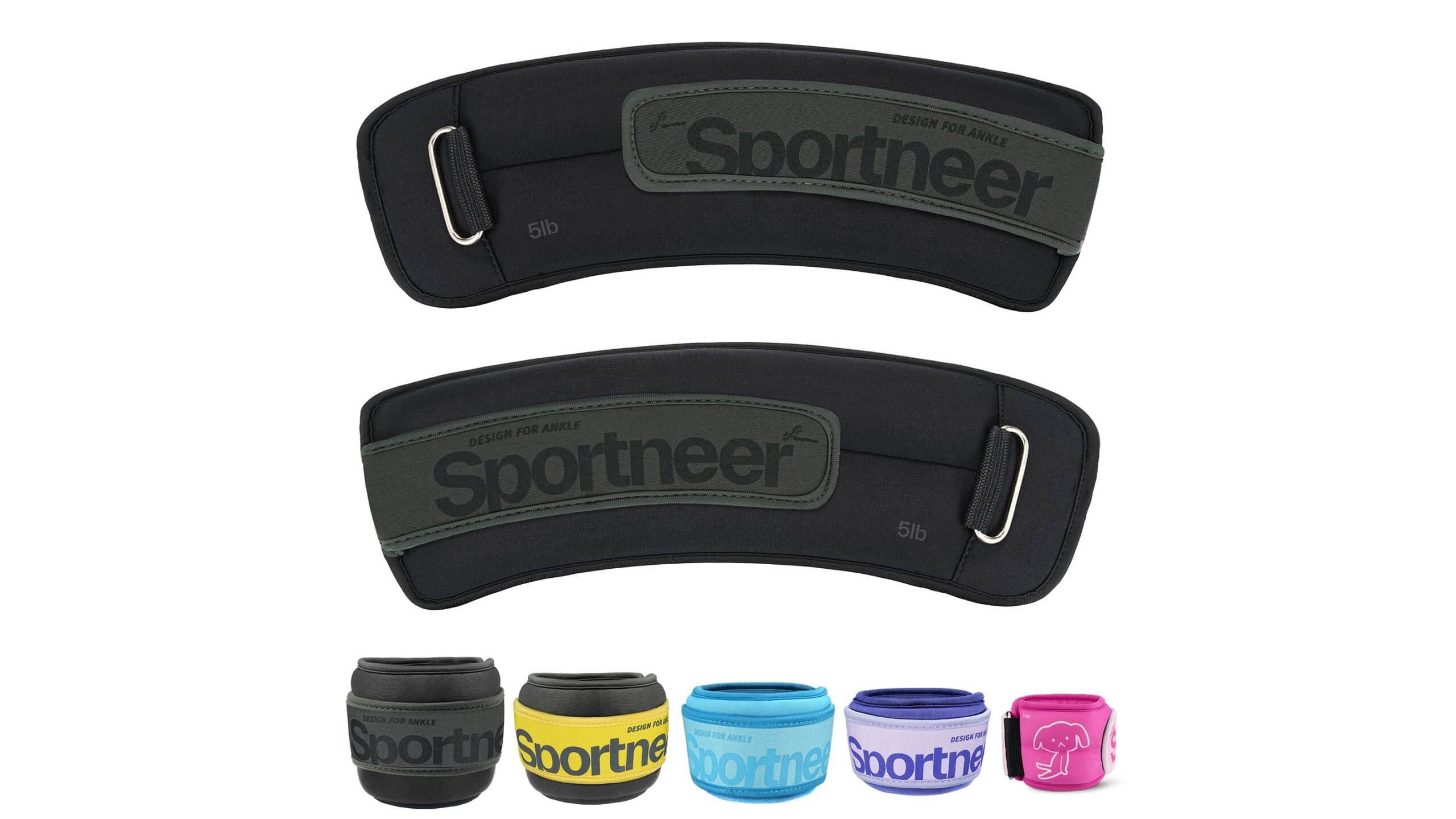
For most home gyms, a simple combination of a wall-mounted bar and a pair of adjustable stretch straps is enough to create a versatile station. A solid pull-up style bar lets you perform passive hanging stretches for the spine and shoulders, while detachable straps can be clipped to wall anchors at different heights for chest, hip and hamstring work. Look for straps with multiple loops or quick-adjust buckles so you can easily change length between movements. Metal D-rings or carabiners make it easier to connect to fixed anchors without re-tying knots. Prioritise rated hardware and check that all fixings are strong enough to handle pulling forces at various angles, not just straight down.
Safe mounting heights, angles and positions
Mount your main pull-up bar slightly above fingertip height when you stand with one arm overhead; this gives enough clearance for hanging while still allowing you to reach the bar without jumping. If you add wall-mounted anchor plates for straps, position a pair roughly at shoulder height and another pair around hip height. This layout allows gentle chest openers, lat stretches and hip flexor work without forcing your joints into extreme angles. When you stretch, keep a slight bend in your elbows and knees instead of locking out, and never force the range: mild tension is good, sharp pain is not. Always step into stretches gradually, and come out of them under control rather than letting the straps yank you back to neutral.
Joint-friendly stretching and cooldown routines
Your wall-mounted stretch corner is most effective when used consistently after training. Aim for 5–10 minutes of cooldown stretching, focusing on the muscles you just used. For upper-body days, use the bar for gentle hanging (20–30 seconds), followed by strap-assisted chest and lat stretches: angle your body slightly away from the wall, keep your ribs down and breathe slowly into the tight areas. On lower-body days, use hip-height anchors for supported hamstring and calf stretches, keeping your spine long instead of rounding to reach further. Move through positions slowly, hold each stretch for 20–40 seconds and repeat 2–3 times per side. This approach supports recovery without overloading your joints.
Practical safety checks and maintenance
Even the best-designed stretch corner only works if it is safe. Before each session, quickly inspect your straps and anchor points for frayed stitching, rust or loosened screws. Test the bar and anchors with a firm tug before putting your full bodyweight into any stretch. Wear shoes or use a non-slip mat so your feet stay planted as you lean into positions. Avoid dynamic, bouncing stretches on the straps; opt for slow, controlled movements instead. If you feel any pinching in joints (especially shoulders or lower back), reduce the angle, shorten the strap or choose a milder variation. With regular maintenance and a listening-to-your-body mindset, your wall-mounted stretch corner can become a long-term ally for mobility, posture and sustainable training.
Setting up a wall-mounted stretch corner is a small project with big payoffs: better mobility, smoother recovery and a visible reminder to take cooldowns seriously. By combining simple, sturdy equipment with thoughtful positioning and joint-friendly routines, you create a dedicated space that encourages daily movement rather than occasional stretching binges. Treat your straps, anchors and bar like any other piece of gym kit—install them correctly, use them with respect, and they will help you train harder, move better and stay pain-free in the long run.