
Start with patience, not your old benchmark
Returning to exercise after months or years away can feel like starting from scratch, but your past training still gives you useful experience. The key is to avoid treating previous weights, pace or workout length as a target for your first week back. Your muscles, joints, balance and cardiovascular fitness may have changed at different rates. Begin with a plan that feels almost too manageable, then build gradually as your body shows it can recover. A safer return is not about proving how much you can do; it is about creating a routine you can repeat consistently without pain or exhaustion.
Choose a genuinely manageable starting load
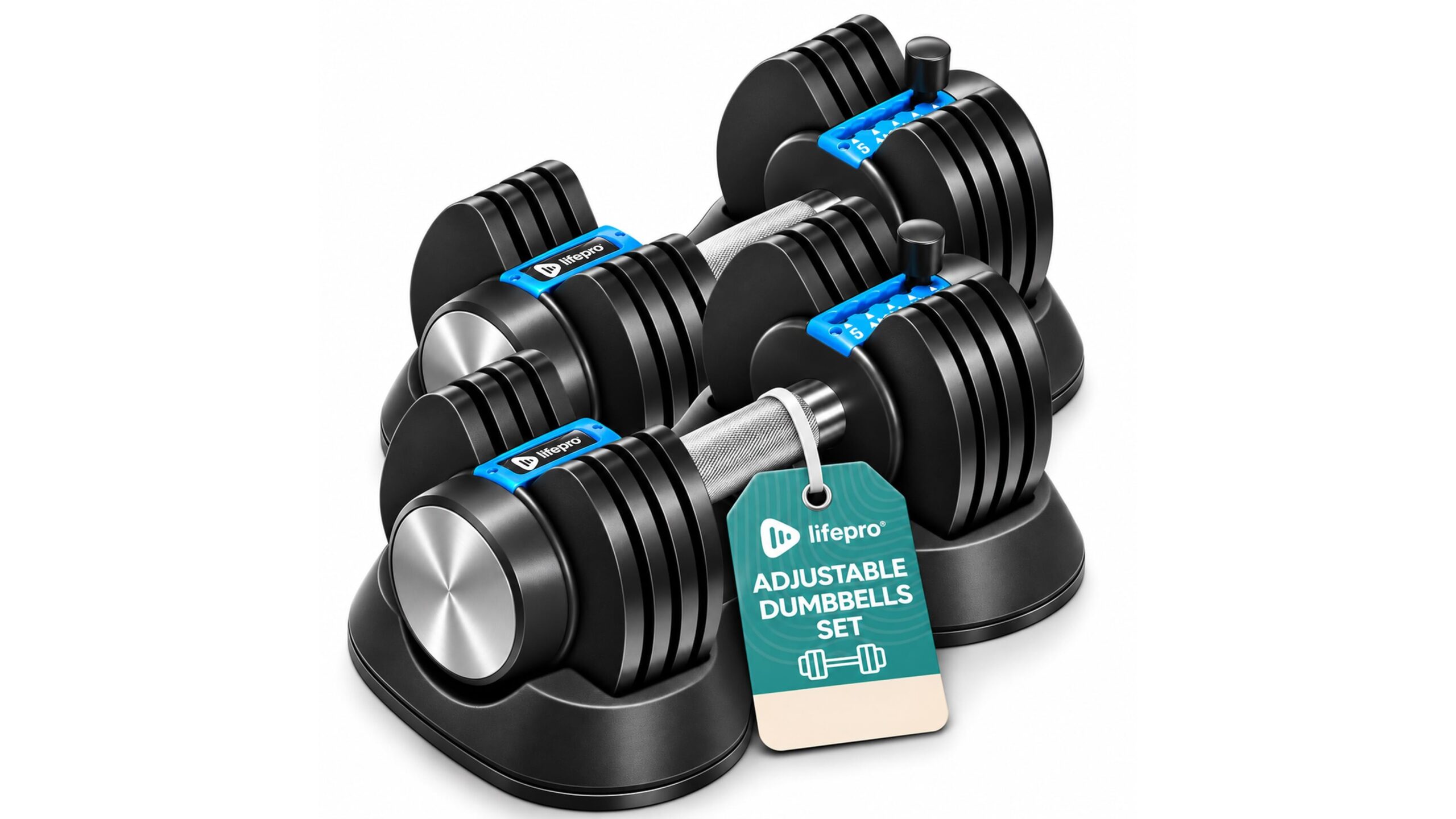
For the first couple of weeks, prioritise controlled movement and a comfortable range of motion. Bodyweight exercises, light resistance bands or small dumbbells can make it easier to learn how movements feel again. Choose a resistance that lets you complete roughly 8–12 smooth repetitions while still feeling you could do a few more. Stop a set if your form begins to change, you have to hold your breath, or you feel sharp pain. Start with one or two sets per exercise and a short session—perhaps 20 to 30 minutes. If even that feels demanding, reduce the repetitions or choose an easier variation. Your initial workload should leave room to adapt, not test your limits.
Build a routine around repeatable sessions
Begin with two or three non-consecutive training days each week, leaving at least a day between challenging sessions for the same muscle groups. A simple full-body routine can include a squat or sit-to-stand, a hip hinge, a push, a pull and a gentle core exercise. Add a few minutes of easy walking or cycling beforehand to warm up, and finish with relaxed movement rather than forcing deep stretches. Keep a brief record of exercises, sets, effort and how you felt the following day. If a session repeatedly leaves you unusually sore or drained, it is useful information: reduce the next workout rather than trying to push through.
Give recovery the same attention as training
Some muscle tenderness after unfamiliar exercise is common, but recovery should trend in the right direction. Sleep, regular meals, fluids and low-intensity movement all support your return. Allow soreness to settle before repeating hard work for the same area; gentle walking or mobility work may be comfortable in the meantime. Increase only one training variable at a time—such as repetitions, sets, resistance or session length—and make small changes after a week or more of comfortable workouts. There is no need to progress every session. If energy, sleep or motivation deteriorates, take an easier day or an extra rest day. Consistency comes from a dose you can recover from.
Know when to pause or seek advice
Stop exercising if you experience chest pain or pressure, faintness, severe or unusual breathlessness, sudden weakness, or a racing or irregular heartbeat with concerning symptoms. Seek urgent medical help for severe symptoms. Pause a movement that causes sharp, worsening or persistent pain, marked swelling, numbness or instability; do not attempt to train through it. If symptoms do not improve with rest, keep returning, or you have a chronic condition, a recent injury or uncertainty about safe exercise, consult a qualified healthcare professional before progressing. People managing cardiovascular, metabolic or joint conditions may benefit from an individual plan. These precautions are not a reason to avoid activity—they help make the return appropriate for you.
Progress by noticing how you respond
Use simple checks after each session: Was the effort manageable? Could you maintain good technique? Did breathing settle normally afterward? Were you able to continue everyday activities, and did any soreness ease over the next few days? When the answers are reassuring for several workouts, make one modest adjustment, such as adding a repetition or a small amount of resistance. Keep easier weeks available when life is stressful or recovery is slower. A flexible plan is more useful than a rigid schedule that demands progress regardless of how you feel. The aim is to finish most sessions feeling capable of coming back.
Make consistency the measure of success
After a long break, the safest routine is one that respects your current capacity and grows in response to recovery. Start light, train on alternate days, keep technique controlled and progress in small steps. Pay attention to warning signs and seek professional guidance when symptoms or health history call for it. You do not need to make up for missed time in a single workout. A modest session repeated regularly is a stronger foundation than an ambitious plan interrupted by pain or burnout. Give yourself time, celebrate steady attendance and let strength return at its own pace.