Building an at-home stretching habit is one of the simplest ways to help the whole family unwind, improve mobility and support recovery after home workouts. A short, gentle routine in the evening can become a calming ritual that eases tight muscles from work, school and daily life, while also helping kids and adults sleep better. Below you’ll find a simple 15-minute family stretching routine that needs no special equipment, just a soft surface and a bit of consistency.
Table of contents
Set up a calm, safe space for family stretching
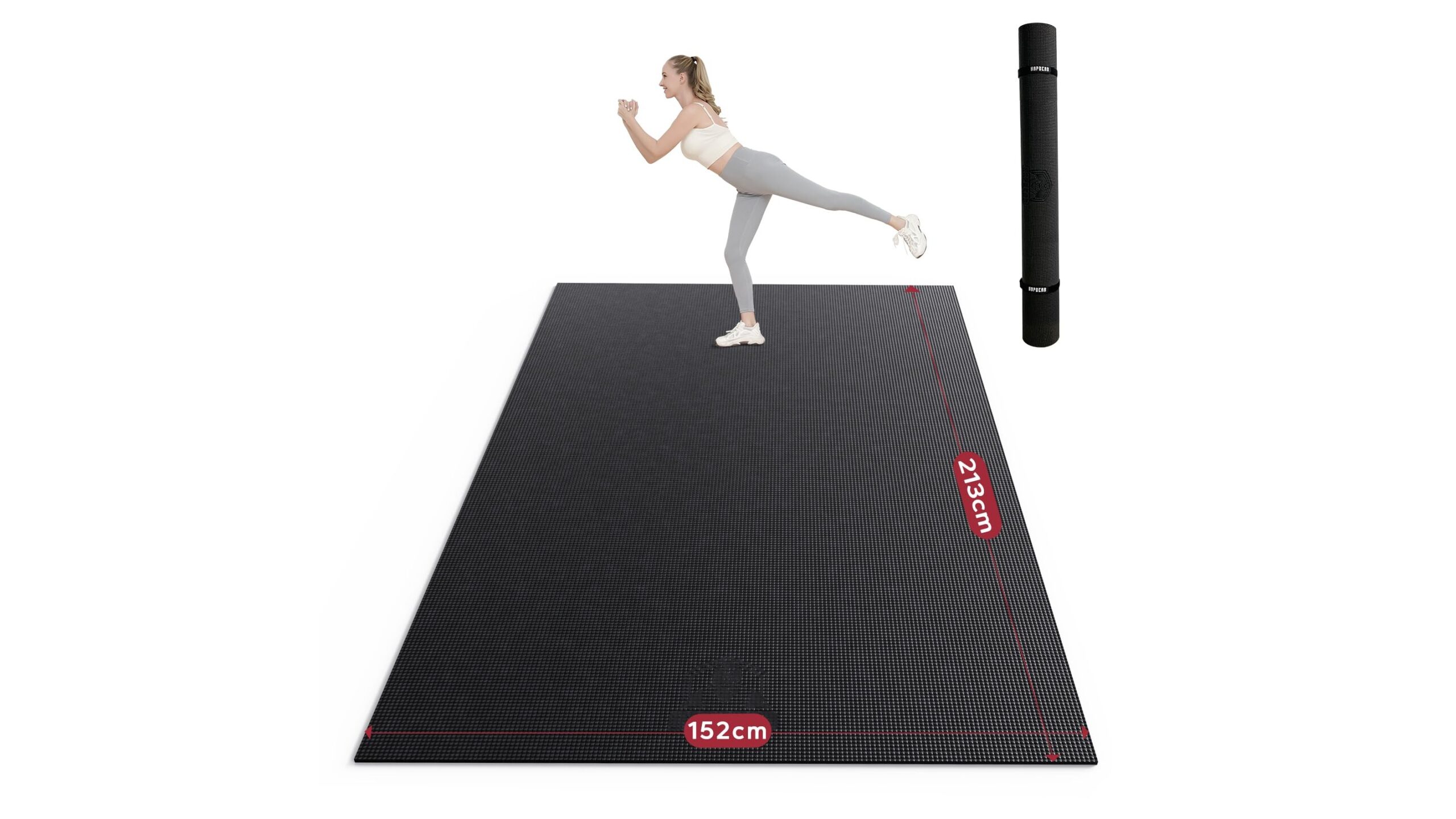
Before you start, choose a clutter-free area where everyone can lie down and move their arms and legs without bumping into furniture. Turn off harsh lights, lower the volume of screens and, if you like, play soft music to signal that this is a relaxing, tech-free time. A comfortable floor surface is key for making stretching pleasant, especially for knees and lower backs. If your living room floor is hard, add blankets or use basic exercise mats so each person has their own space. Keeping water nearby also encourages kids to stay hydrated while they stretch. A consistent environment helps younger family members associate this routine with winding down.
Start with gentle breathing and neck mobility
Begin the routine with 2–3 minutes of slow, deep breathing exercises to switch the body from “go mode” into a more relaxed state. Sit cross-legged or on a chair, place one hand on the belly, and breathe in through the nose for a count of four, then out through the mouth for a count of six. Encourage children to imagine slowly blowing up and deflating a balloon. Next, add light neck stretches: tilt the right ear toward the right shoulder, hold for 15–20 seconds, then repeat on the left. Slowly turn the head to look over one shoulder and then the other, avoiding any bouncing or forced movements. These simple actions release tension from hours spent on computers, phones and homework, and prepare the body for deeper stretches.
Open the chest and shoulders after screens and desks
Modern family life often means lots of time hunched over desks and devices, so evening should include chest and shoulder opening. Stand tall with feet hip-width apart and interlace your fingers behind your back, gently straightening the arms and lifting the chest. Hold for 20–30 seconds while breathing slowly. Follow with a doorway stretch: place your forearms on either side of a doorframe at shoulder height and gently lean the body forward until you feel a mild stretch across the chest. For a child-friendly version, ask kids to imagine they are “opening their superhero chest” as they step through the doorway. These movements counteract rounded shoulders, support better posture, and make everyday activities and home workouts feel more comfortable.
Ease tight hips and lower back from sitting
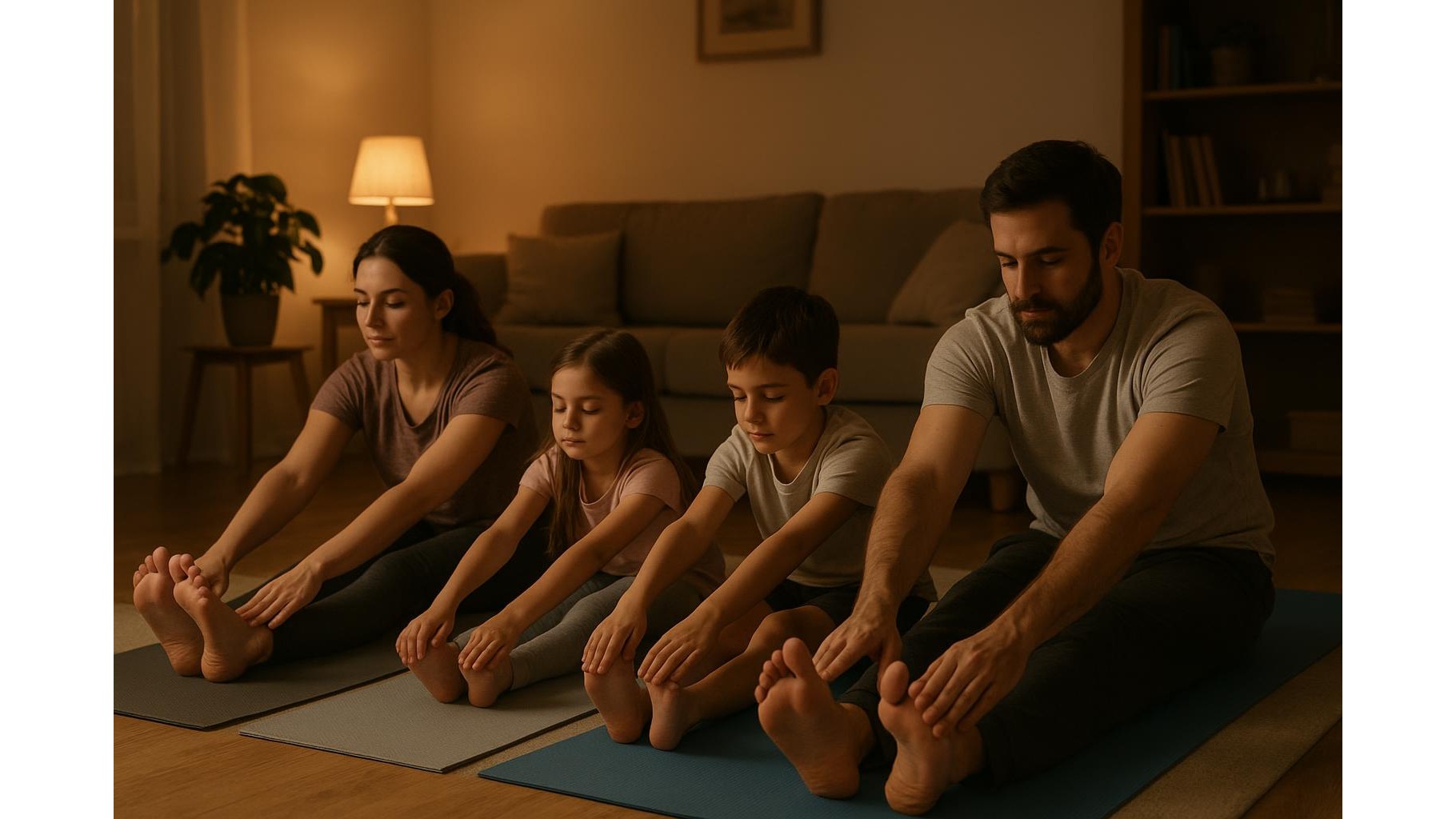
Long days at school, work or driving can leave hips and lower back feeling stiff. Shift the routine to the floor and focus on hip mobility and gentle lower back stretches. A simple seated forward fold—sitting with legs extended and slowly reaching toward the toes—can be done with bent knees to keep it comfortable. Hold for 20–30 seconds without forcing the stretch. Then try a figure-four stretch on the back: lying down, cross the right ankle over the left knee and gently draw the legs toward the chest, then switch sides. For families new to stretching, aim for mild tension, not pain, and keep communication open so kids learn to listen to their bodies. These positions help release the muscles that tighten from sitting and can reduce everyday back discomfort.
Finish with relaxing full-body stretches and a mini cool-down
End the 15-minute family stretching plan with gentle full-body movements that feel soothing. Lying on the back, reach arms overhead and stretch the legs long, as if you just woke up in the morning; hold for several deep breaths. Then bring knees to the chest and slowly roll side to side to massage the lower back. If space allows, add a simple child’s pose: from hands and knees, sit back toward the heels and relax the forehead toward the floor, letting the arms reach forward or rest by the sides. Spend the last minute lying quietly on the back, eyes closed, focusing again on slow breathing. This mini cool-down promotes stress relief, helps lower heart rate and teaches children that recovery and relaxation are important parts of an active lifestyle.
By keeping this at-home stretching routine short, gentle and family-friendly, you make it realistic to stick with it most evenings. In just 15 minutes, you can support better flexibility, posture and recovery from home gym training, while also creating a shared ritual that calms the mind before bedtime. Start with two or three sessions per week and adjust the stretches to suit each person’s comfort level. Over time, you’ll likely notice improved mobility, fewer aches and a more relaxed end to the day for everyone in the household.