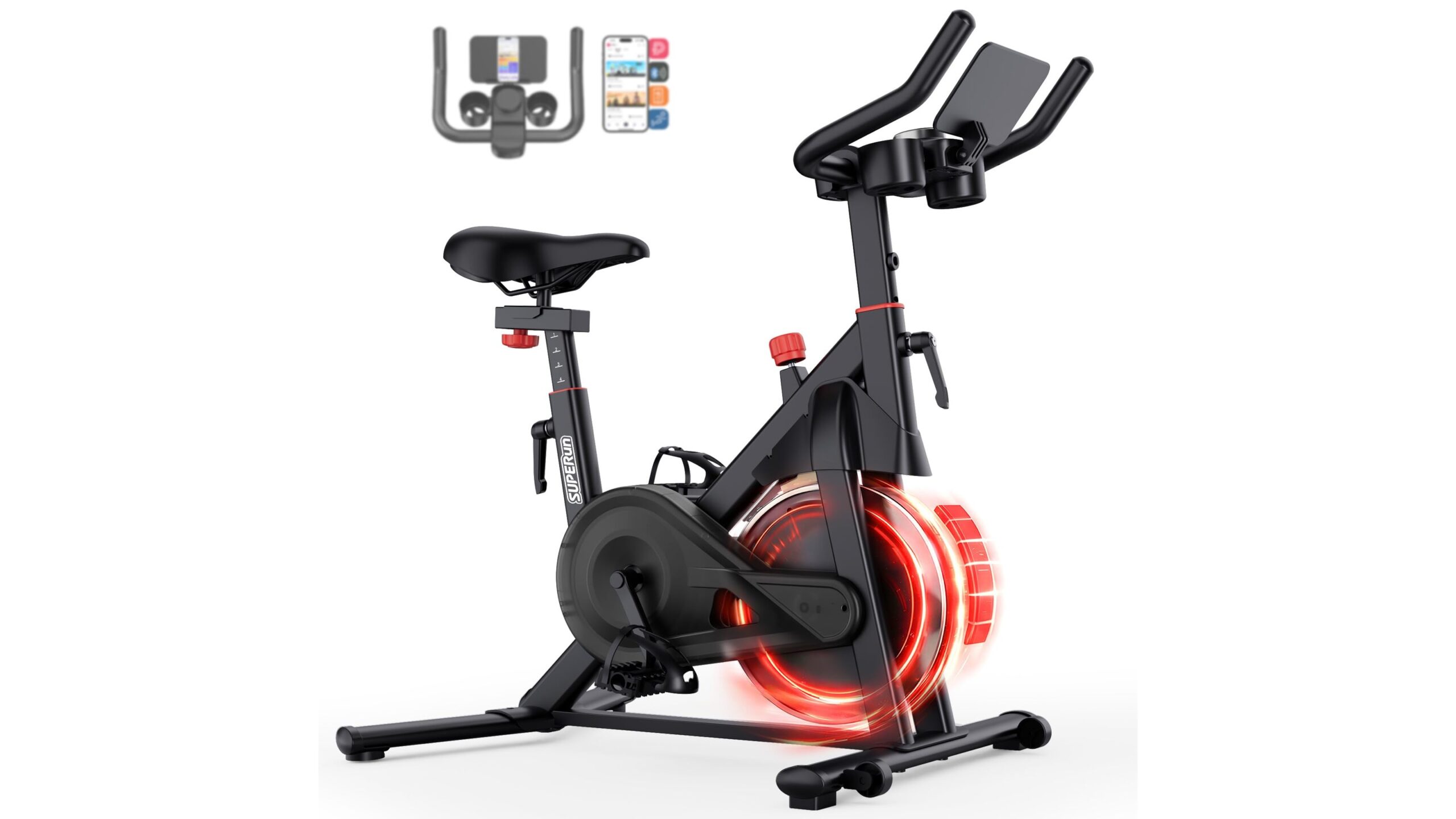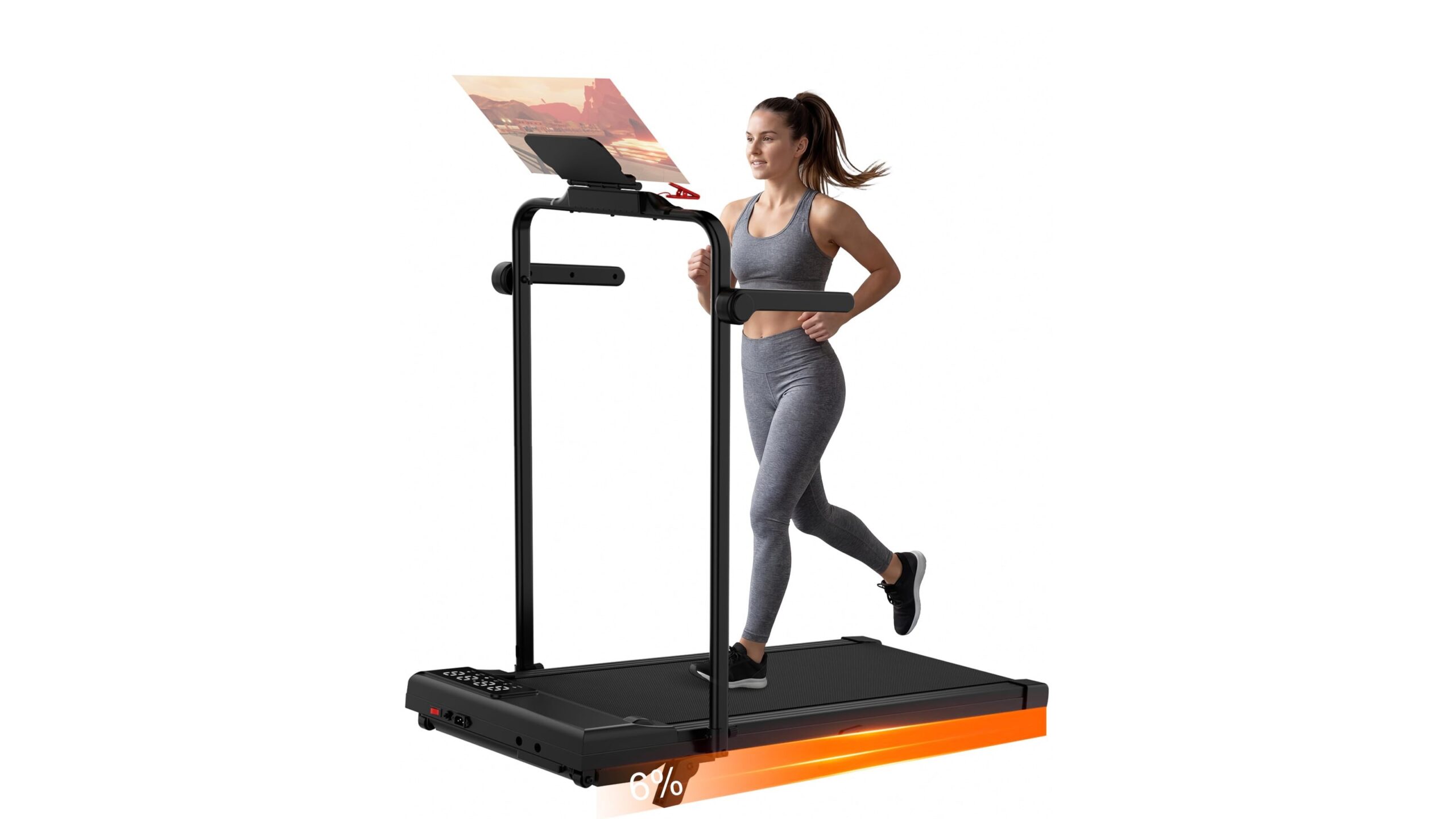
Spending long periods on a walking pad, treadmill or indoor bike is great for cardiovascular health, but it can leave your hips tight and achy. Repetitive, limited range of motion and prolonged sitting before or after workouts often cause stiffness around the hip flexors and glutes. With a simple at-home recovery plan that combines mobility drills, stretching and self‑massage, you can restore range of motion, ease discomfort and keep enjoying your home cardio sessions pain‑free.
Table of contents
Why walking pads and indoor cycling tighten your hips
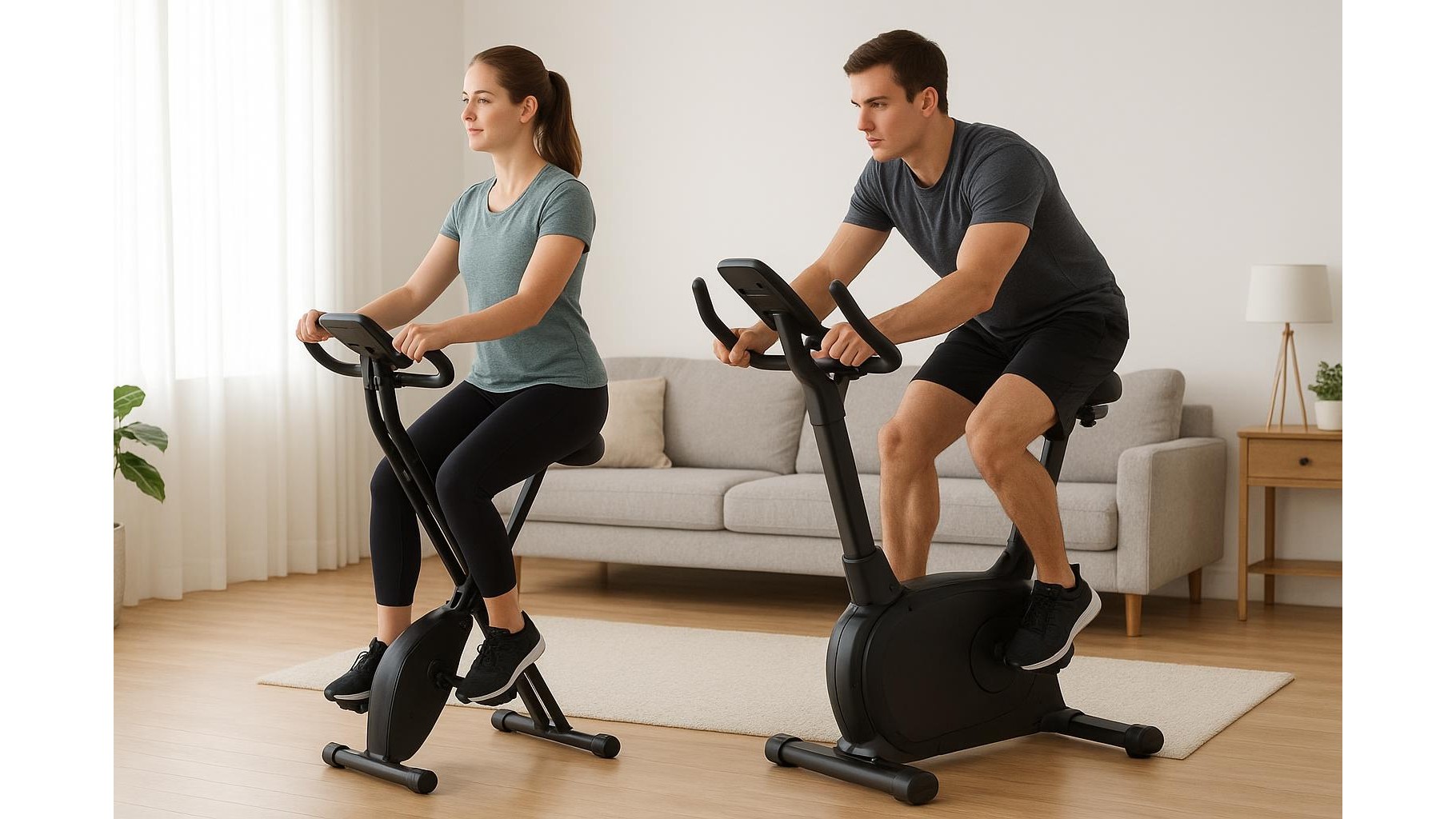
Walking pads and indoor bikes encourage small, repetitive movements. On a walking pad, your stride is often slightly shorter, loading the hip flexors and front of the hips. On a stationary bike, the seated position holds your hips in a constant bend, shortening the hip flexors and tightening the quads, while the glutes never fully extend. Over time this can create a feeling of pinching at the front of the hip, stiffness when you stand up from the saddle, and even lower back tension. Understanding this pattern helps you build a recovery routine that opens the front of the hips, activates the glutes and restores smooth movement.
Essential mobility warm-up after home cardio
Right after stepping off your treadmill, walking pad or bike, spend 5–8 minutes on dynamic hip mobility. Start with gentle hip circles standing, drawing big circles with each knee to lubricate the joint. Follow with world’s greatest stretch (deep lunge with rotation), alternating sides for 6–8 reps to open the hip flexors and groin. Add controlled leg swings front-to-back while keeping the core braced, focusing on gradually increasing range, not speed. This short sequence helps your hips move through angles that your cardio session missed, signalling the body to relax tight tissues instead of letting them cool down in a locked, shortened position.
Foam rolling to release hip and glute tension
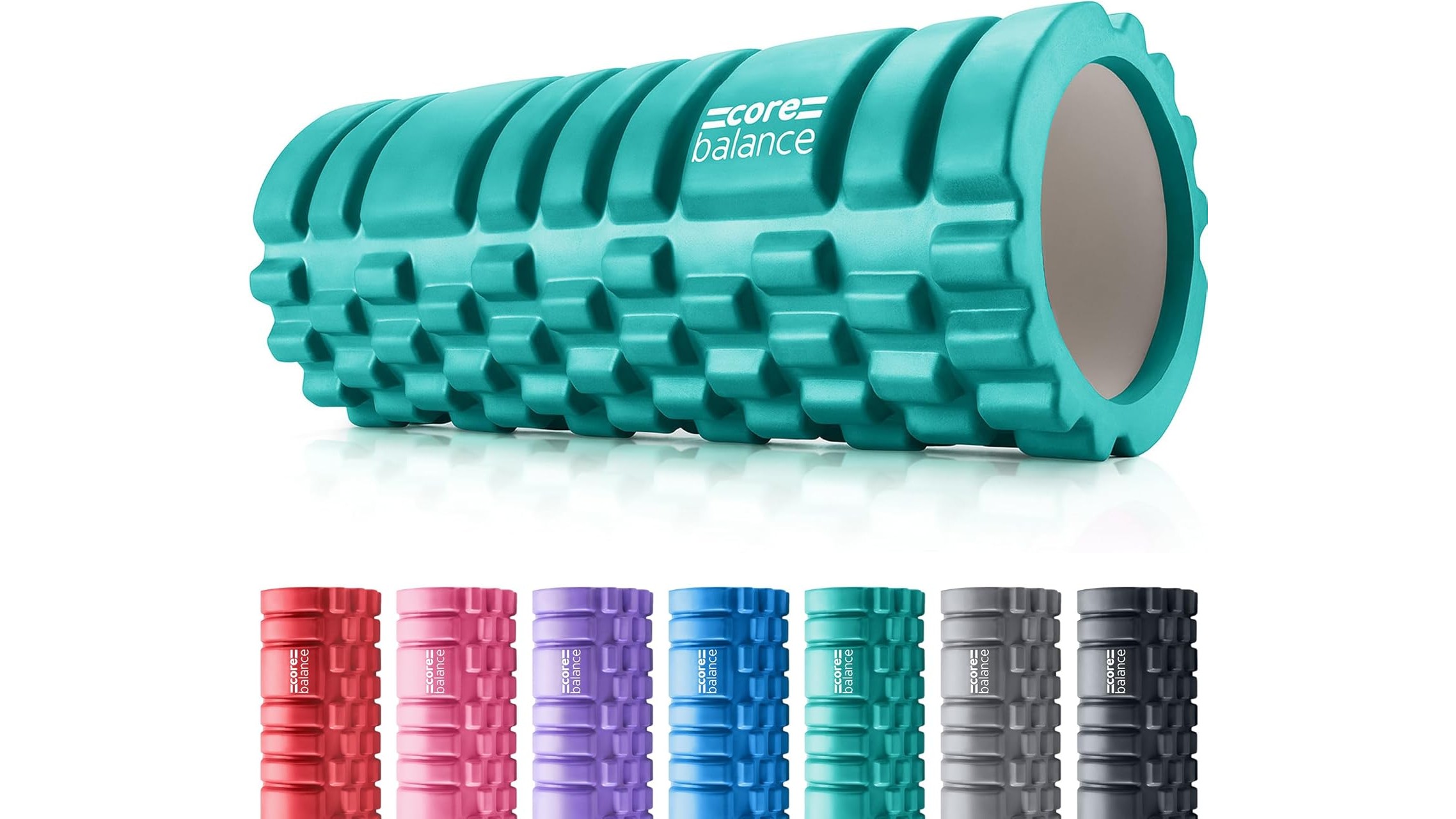
Self‑massage with a foam roller is one of the most efficient ways to ease tight hips at home. A solid choice is the Core Balance Foam Roller For Deep Tissue Muscle Massage, Trigger Point Grid Sports Massager, Fitness Gym Physio. This high‑density EVA roller uses a grid texture to mimic a therapist’s hands, ideal for deep tissue myofascial release around the glutes, hip rotators and quads. Its firm, hollow core construction keeps shape even with heavy use, and users highlight how effective it is for loosening stiff backs and legs after training. Roll slowly over the outer hips, glutes and front of thighs, pausing on tender spots for 20–30 seconds to let the tissue relax.
Adding targeted tools for deeper relief
If you prefer more targeted pressure, consider a set like the Foam Roller with Massage Balls, Back Roller for Back Pain, Muscles, and Deep Tissue Exercise. Alongside a textured roller, it includes massage balls that work brilliantly on glute trigger points and the sides of the hips where a wider roller can miss. The firm EVA material delivers a strong but controlled pressure, and the 3D bumps are designed to replicate fingers and thumbs for precise knot‑breaking. Place a massage ball under the glute, cross one ankle over the opposite knee and gently roll to find tight spots; hold there and breathe. This combination of roller plus balls lets you scale intensity from broad, gentle release to focused work on deep knots.
Key stretches to open tight hip flexors and glutes
After mobility and rolling, lock in your gains with 2–3 static stretches. Begin with a half‑kneeling hip flexor stretch: one knee on the floor, the other foot forward, gently driving the hips forward while keeping the torso tall. You should feel a strong but comfortable stretch in the front of the hip and thigh of the back leg; hold 30–45 seconds per side. Follow with a pigeon stretch or seated figure‑four stretch to target the glutes and deep hip rotators that tighten from repetitive pedalling. Finish with a child’s pose with side reach to ease tension along the lateral hips and lower back, helping to rebalance everything after your indoor session.
Building a consistent at-home recovery habit
The most effective recovery routine is the one you actually perform. Aim to pair every walking pad, treadmill or indoor cycling workout with at least 10 minutes of hip mobility, foam rolling and stretching. Keep tools like the Core Balance Foam Roller and the Foam Roller with Massage Balls within easy reach of your cardio area so recovery becomes a seamless part of your session, not an optional extra. By consistently opening the hips, releasing tight tissue and reinforcing healthy movement, you will reduce discomfort, protect your lower back and enjoy stronger, smoother performance in your home gym.
Regular at-home recovery for tight hips can transform how your body feels after long walking pad or cycling sessions. Combine dynamic mobility, strategic foam rolling with products like the Core Balance Foam Roller and the Foam Roller with Massage Balls, and focused stretching to restore balance around the hips. With a simple, consistent routine, you will move more freely, increase comfort on your favourite cardio machines and support long-term joint health.