Long gaming and streaming sessions can be brutal on your back, neck, eyes and wrists, even if you train hard in your home gym. Building simple, fast at-home recovery routines between matches helps you stay sharp, avoid overuse injuries and actually get more out of your workouts. Below you’ll find practical posture resets, mobility flows and easy tools you can plug into your day without breaking your gaming streak.
Table of contents
Reset your gaming posture between matches
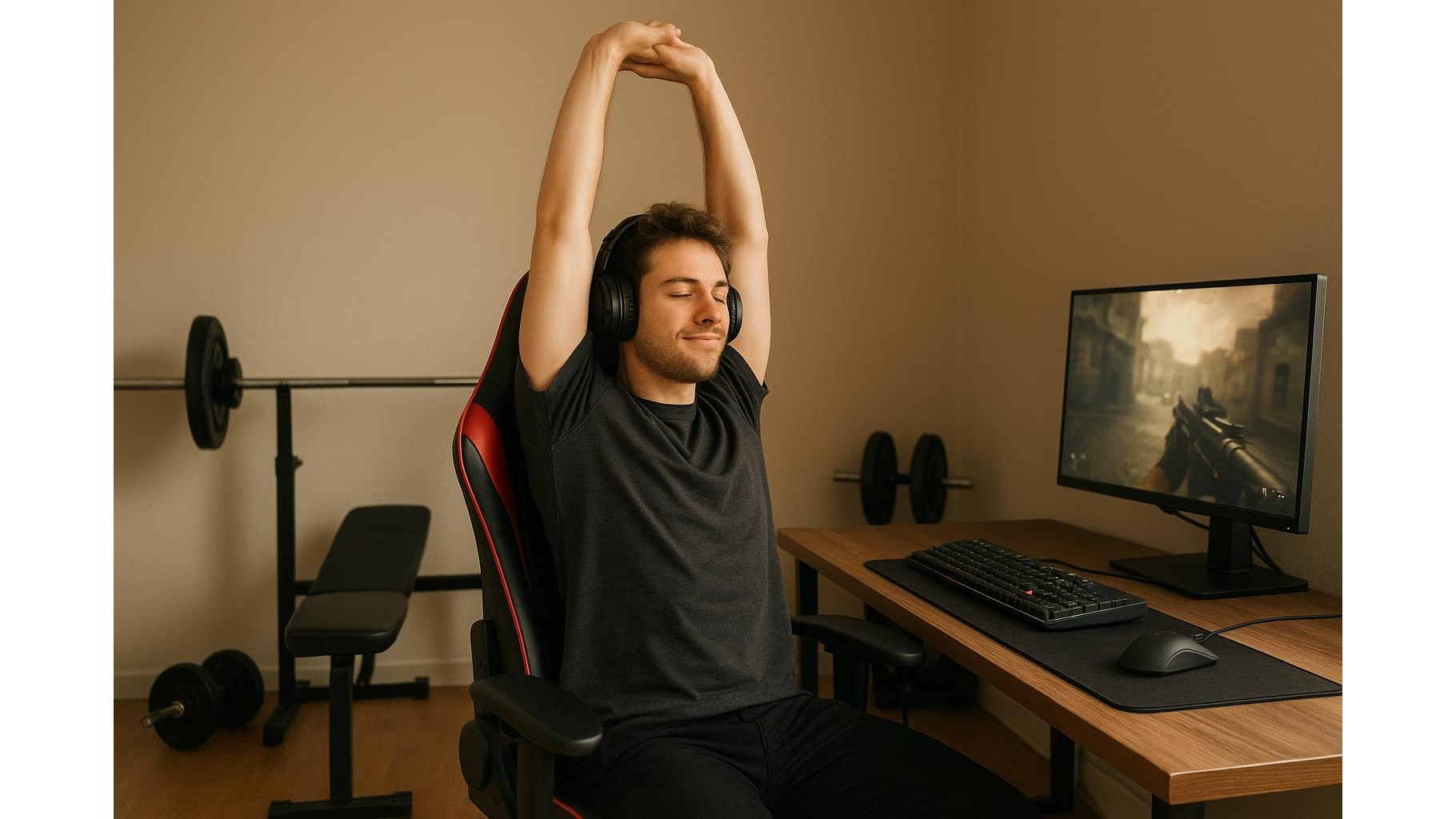
After each round or match, take 60–90 seconds to perform a quick posture reset. Stand up, plant your feet hip-width apart, and squeeze your glutes while gently bracing your core. Reach your arms overhead, take three deep belly breaths, then pull your elbows down into a “goalpost” position to open your chest. Follow with a slow chin tuck: draw your head straight back, keeping your eyes level, to counter the forward head posture you adopt at your screen. Even if you don’t have a high-end ergonomic chair, these micro-breaks help restore neutral alignment and reduce low-back and neck tension.
Quick mobility flows for hips, back and shoulders
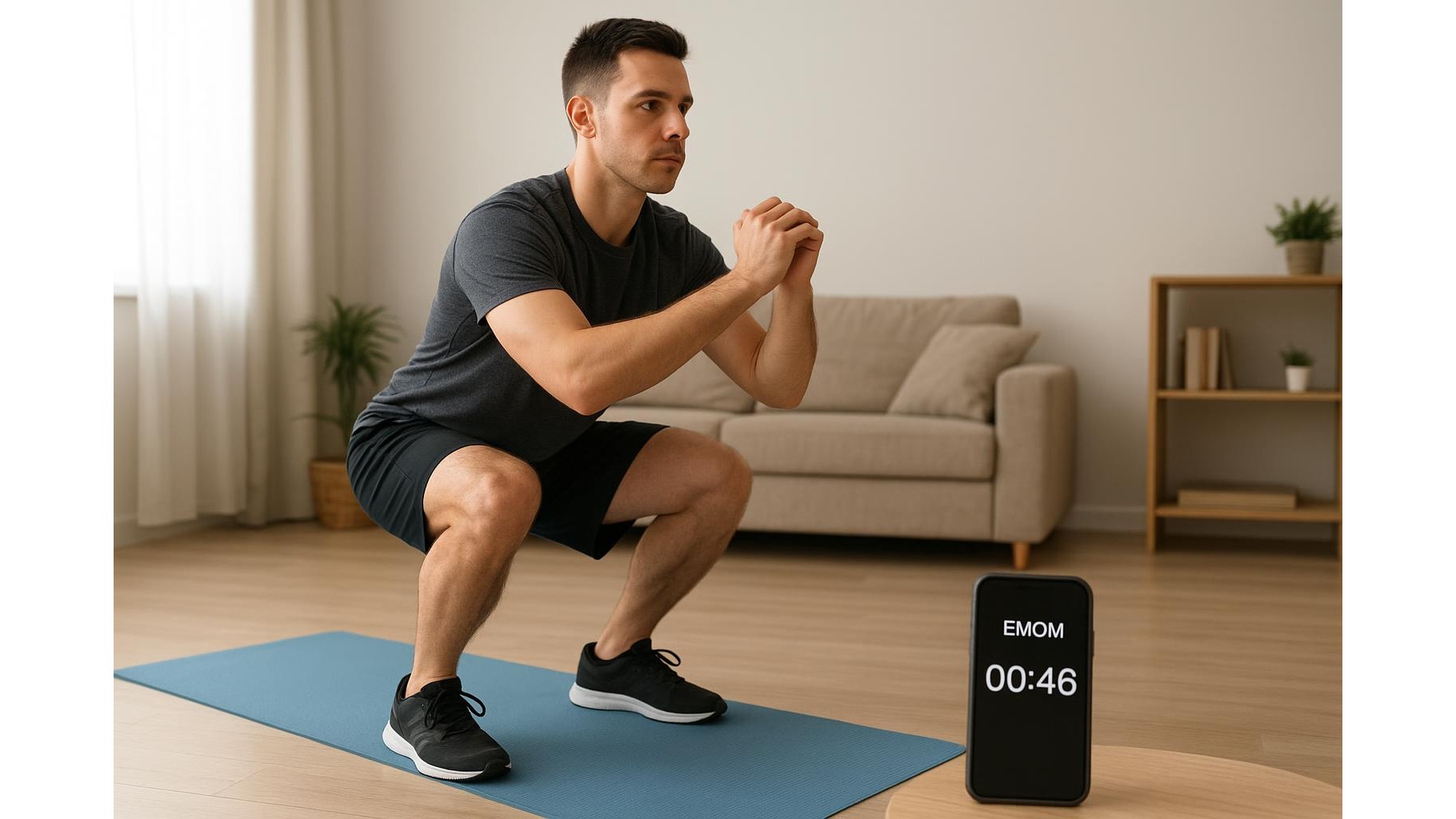
Gamers who also lift at home often have tight hip flexors and stiff upper backs, which can sabotage both deadlifts and streaming marathons. Use a 3–5 minute mobility flow between queues: alternate a half-kneeling hip flexor stretch with a “world’s greatest stretch” lunge, then drop into a cat–cow sequence on the floor to mobilise your spine. Add shoulder circles and arm sweeps to open your chest and lats. These mini-sessions keep your joints moving through full range, supporting better form in your home gym workouts and making long sits less punishing.
Protect your wrists and forearms from overuse
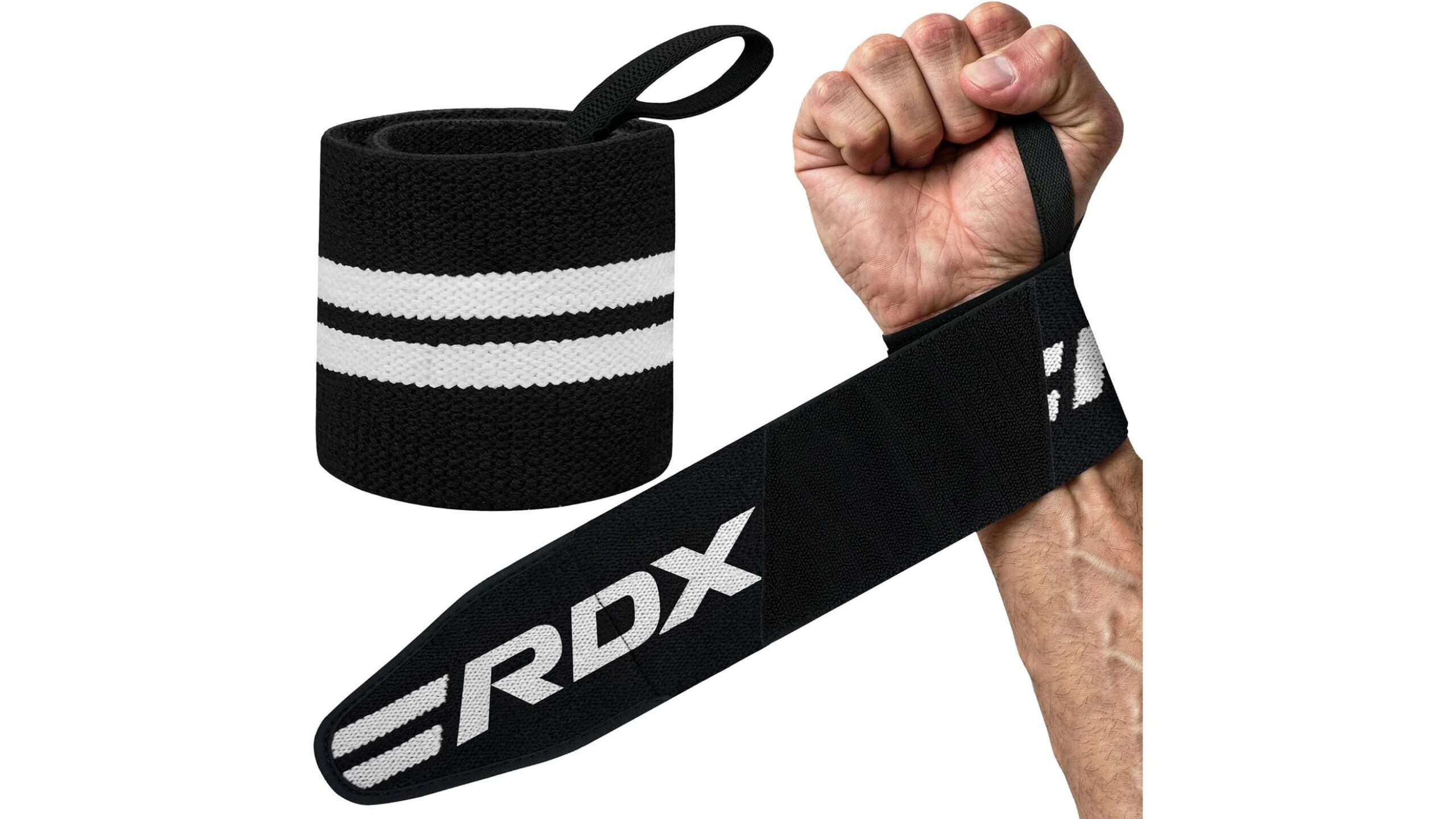
High APM and long hours on a mouse or controller can lead to tight forearms, sore wrists and even early signs of carpal tunnel. Every hour, take 30–60 seconds to extend one arm in front of you, palm up, and gently pull the fingers back with the other hand, then switch sides. Repeat with the palm down to target the opposite side of the forearm. Follow with slow wrist circles and light finger opening–closing drills. Pair these with gentle forearm self-massage using your opposite thumb or a small massage ball to release tension. Keeping your wrist in a neutral, straight position while playing and training will dramatically improve comfort and grip strength.
Give your eyes and neck a much-needed break
Staring at bright screens for hours strains your eyes and encourages you to crane your neck closer to the action. Use the simple 20-20-20 rule between matches: every 20 minutes, look at something 20 feet away for at least 20 seconds. Add slow eye movements—up, down, left, right—to relax the eye muscles. Then, with shoulders relaxed, perform gentle neck movements: look over your right shoulder and hold, then over your left, followed by slow side bends. Avoid aggressive neck rolling; keep the motions controlled. These micro-breaks reduce eye fatigue, balance your neck muscles and help you resist hunching towards the screen.
Blend recovery into your home gym and gaming schedule
The secret to sustainable at-home recovery for gamers and streamers is habit stacking. Anchor each short routine to something you already do: a posture reset while the lobby loads, a wrist and eye break every time you refill your water bottle, and a 5-minute mobility flow immediately after your home workout before sitting back down. You can also build a simple evening cooldown: 5 minutes of stretching for hips and hamstrings, a few deep diaphragmatic breaths, and light forearm massage. Consistency matters more than intensity; these small, repeatable actions add up to fewer aches, better focus and higher-quality training sessions.
By integrating these simple recovery routines into your day, you can undo hours in the chair without sacrificing your time in-game. Short posture resets, quick mobility flows, targeted wrist and eye care, and smart scheduling will keep you moving well and performing at your best—both on stream and in your home gym. Start with one or two strategies, build the habit, and your body (and gameplay) will thank you.