Working long hours at a desk can leave your body stiff, your mind wired, and your energy drained. The good news: you don’t need a full spa day or a 90‑minute mobility class to feel better. With a few science‑backed at‑home recovery habits, you can reduce tension, boost focus, and support long‑term health in just 10‑minute blocks sprinkled through your workday.
Table of contents
Micro mobility breaks between meetings
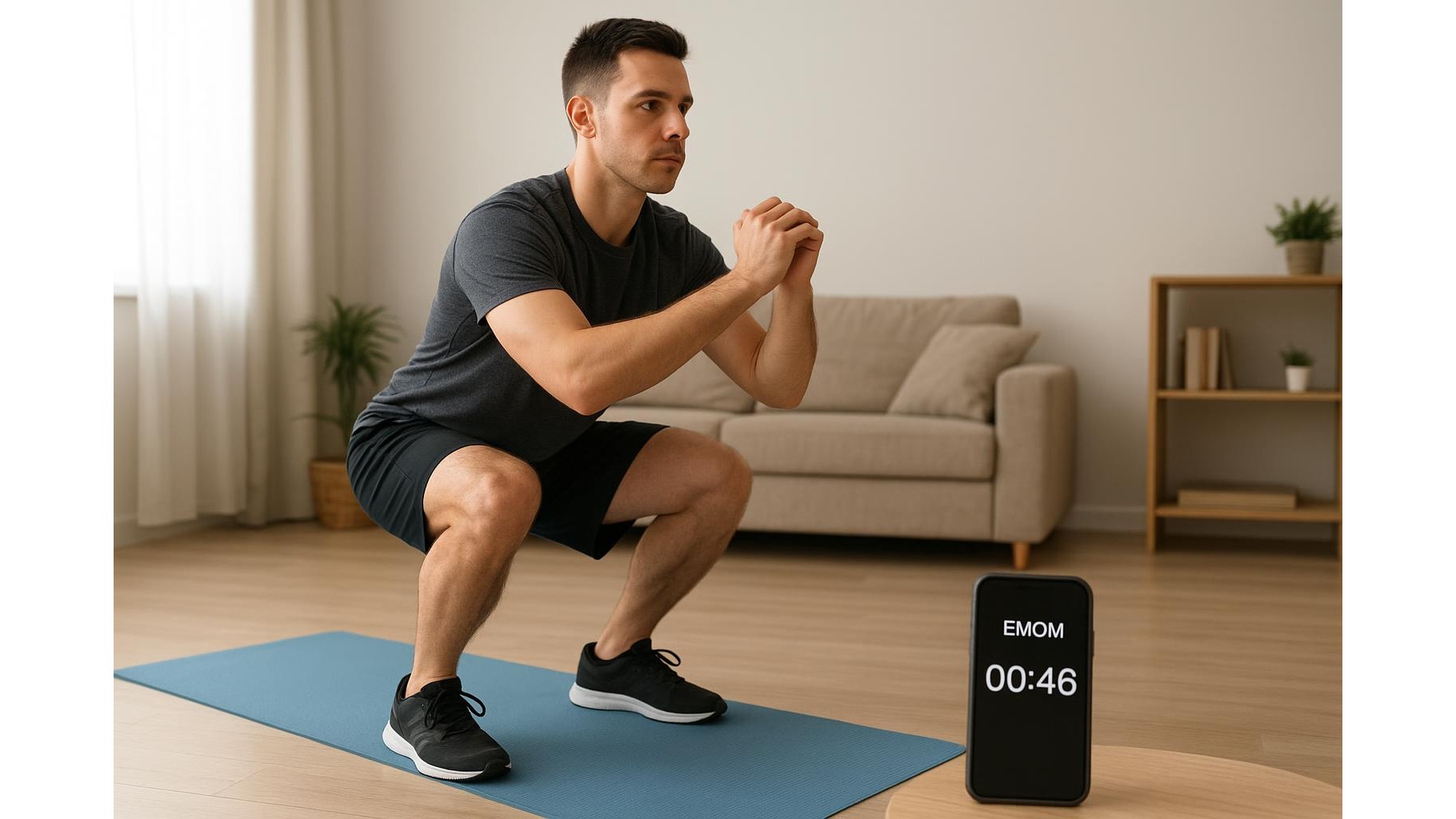
Instead of scrolling your phone between calls, use 10 minutes for micro mobility. Focus on the areas that take the most punishment when you sit: neck, shoulders, hips and upper back. Try this sequence: 2 minutes of gentle neck circles and nods, 3 minutes of shoulder rolls and arm swings, and 5 minutes of hip circles plus a deep squat hold supported by a chair. The goal is not to “work out” but to send fresh blood to tight tissues and reset your posture. Set a recurring calendar reminder so these movement snacks become as automatic as joining your next Zoom.
10-minute breathing reset for stress and focus
High mental load keeps your nervous system in a low‑grade stress state, making true recovery almost impossible. A quick breathing drill can flip your body from “fight or flight” into “rest and digest”. Try this simple protocol: inhale through your nose for 4 seconds, exhale through your nose for 6–8 seconds, and repeat for 5–10 minutes. Keep your shoulders relaxed and let your belly rise gently. This longer exhale stimulates the parasympathetic nervous system, lowering heart rate and calming your mind. Use it after intense meetings, late‑night emails, or anytime you feel wired but tired.
Desk-friendly stretching you’ll actually do
Complex yoga flows are hard to maintain on a busy day, so build a minimal stretching routine you can perform right next to your desk. Focus on three key positions: a chest opener using the door frame to undo hunching, a hip flexor stretch with one knee on a cushion or folded towel, and a seated hamstring stretch with one leg extended. Hold each for 45–60 seconds per side, breathing slowly. These low‑effort stretches combat the common desk‑worker issues of rounded shoulders, tight hips, and stiff lower back, improving both posture and comfort when you sit back down.
Quick self-massage with tools you already own
You don’t need a clinic to get the benefits of self‑massage. Everyday objects can create enough pressure to release tight spots in minutes. Use a small ball (even a tennis ball) against the wall to gently roll your upper back, glutes, and feet, spending 30–60 seconds on any particularly tender points. A rolled‑up towel can stand in for a foam roller for your mid‑back: lie on it horizontally under your shoulder blades and slowly extend over it to open your chest. Work within a comfortable range – you should feel a “good discomfort”, not sharp pain. This simple routine can ease trigger points and reduce the nagging aches that build up over long workdays.
Wind-down ritual for better sleep and recovery
Real recovery happens when you sleep, so a short wind‑down routine is essential for busy professionals. Aim for a 10‑minute sequence before bed: dim lights, put devices away, and do 3–5 minutes of gentle stretching (think child’s pose and lying twists), followed by 5 minutes of slow nasal breathing or a body scan where you mentally relax each muscle group from feet to head. This signals to your brain that the day is done and helps you fall asleep faster. Over time, this consistent habit supports deeper, higher‑quality sleep, making every training session and workday feel easier.
Recovery doesn’t have to be complicated or time‑consuming. By sprinkling these 10‑minute habits into your schedule – micro mobility breaks, calming breathing drills, desk‑friendly stretches, and simple self‑massage, topped off with a short night‑time wind‑down – you build a sustainable system that supports performance, health, and focus. Start with just one of these strategies today, anchor it to an existing part of your routine, and let your at‑home recovery grow naturally from there.