Stepping away from running doesn’t mean stepping away from movement. If you’re a former or injured runner with sensitive knees, you can still train effectively at home by shifting the focus from pounding the pavement to building mobility, strength and smart recovery habits. With the right low-impact strategies and a few carefully chosen pieces of home gym equipment, you can protect your knees, maintain fitness and stay mentally connected to the athlete you are.
Table of contents
Setting up a knee-friendly training mindset
Before you buy any gear, redefine what “training” means. For ex-runners, progress is no longer about faster splits but better joint health, improved movement quality and consistent low-impact work. Think in terms of weekly “joint-friendly sessions”: a mix of mobility drills, glute and hip strengthening, and gentle cardio that never pushes your pain above a mild, manageable level. Use a simple pain rule: discomfort up to 3/10 that settles within 24 hours is usually acceptable; anything sharper or lingering is a sign to scale back. This mindset shift keeps you training long term instead of bouncing between overdoing it and complete rest.
[p][/p]
Smart external support: knee brace and everyday protection
Many ex-runners benefit from a structured knee support during activity. The Neo-G Knee Support Open Patella is an adjustable brace designed for arthritis, runner’s knee, meniscus and ligament issues. Its open-patella design helps reduce pressure on the kneecap, while the neoprene provides gentle compression and warmth, which can ease stiffness during home workouts. Because it’s fully adjustable, you can dial in support without cutting off circulation, and it suits both left and right knee. Use a brace like this for activities that typically trigger symptoms—such as standing strength work or light cardio—but avoid relying on it 24/7. The goal is to combine external stability from the brace with improved muscle support from targeted strengthening.
Low-impact cardio: cycling without leaving your living room
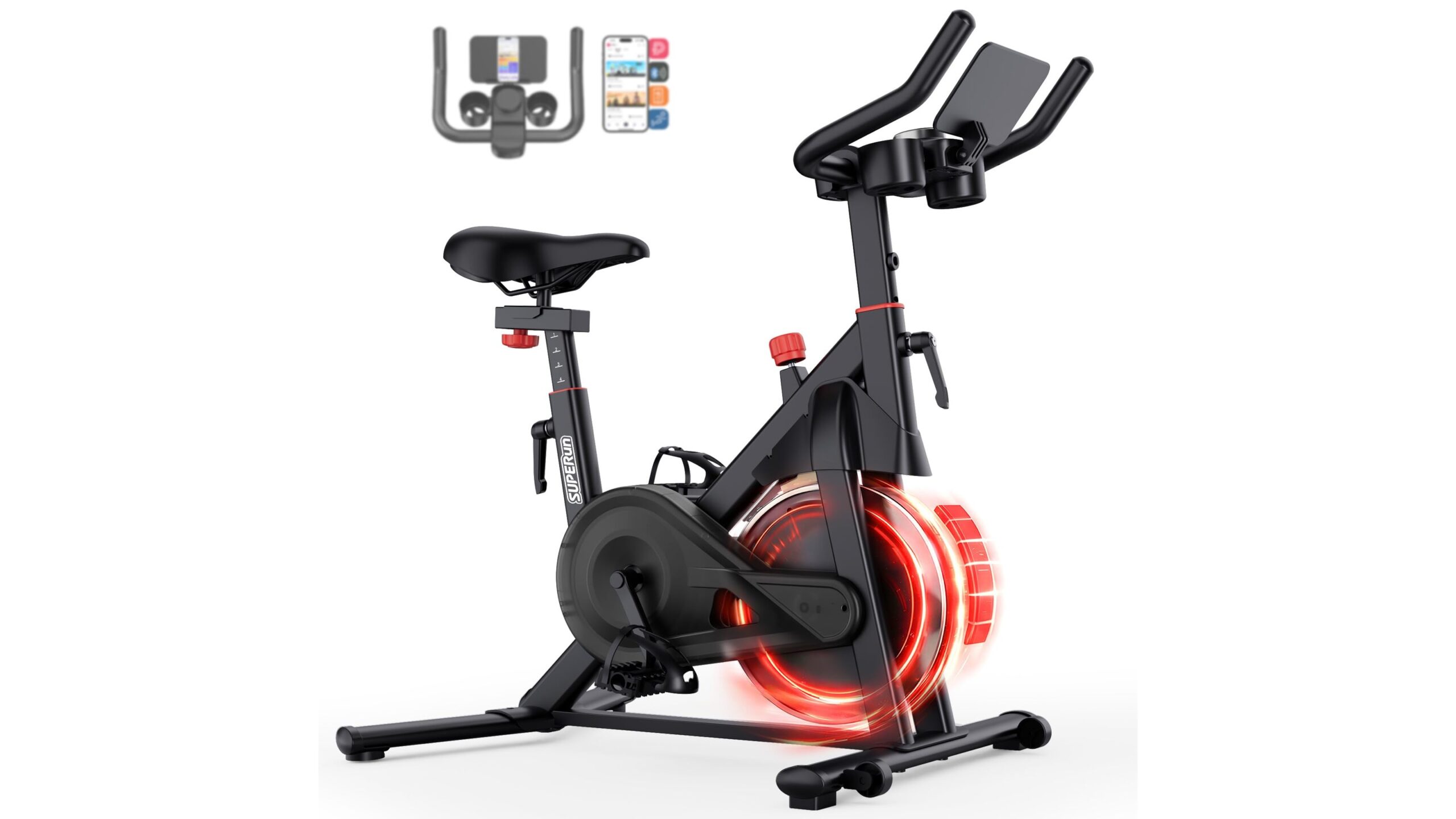
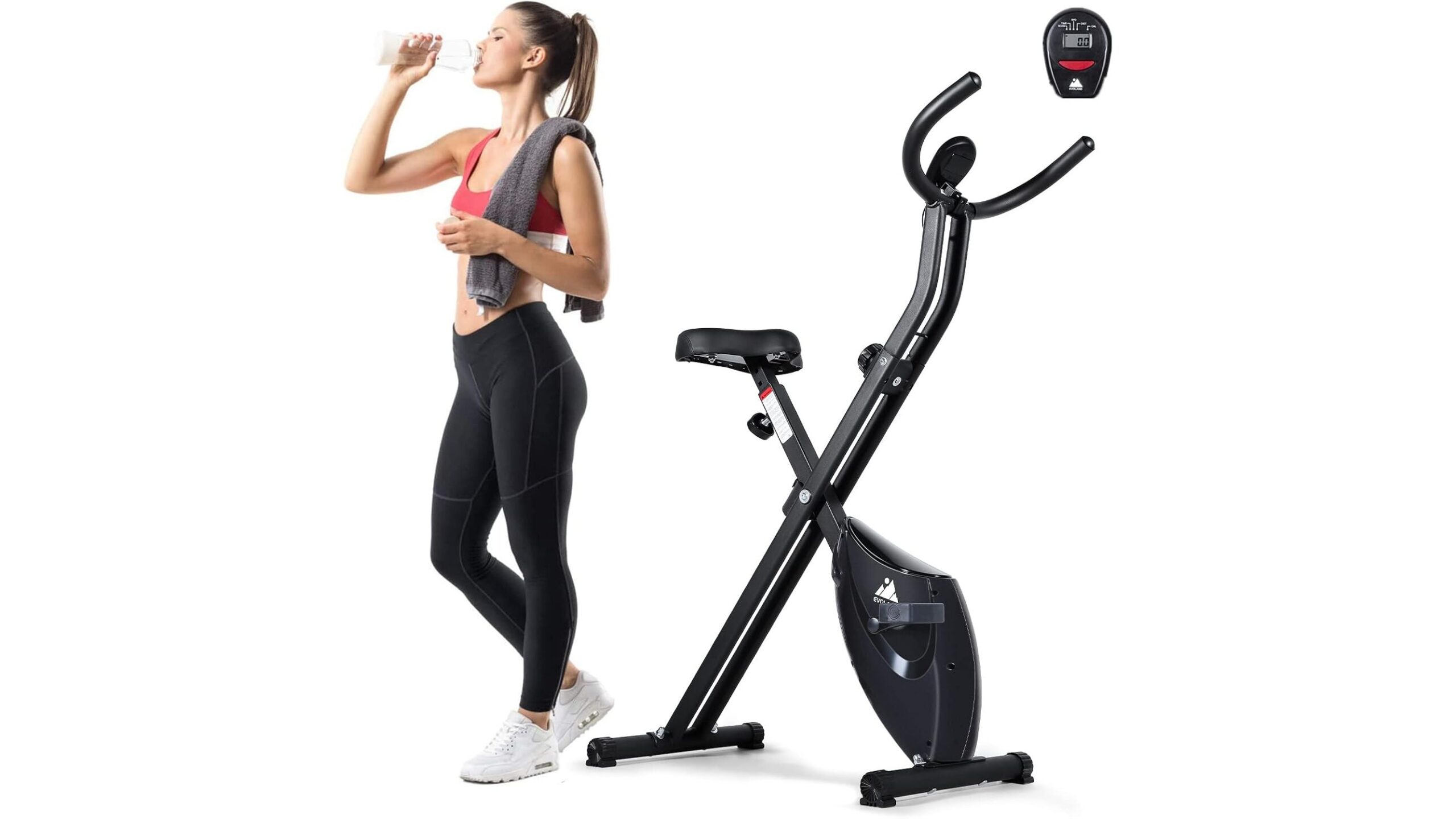
To replace the impact of running, a compact exercise bike can keep your cardiovascular fitness high with far less knee stress. The foldable EVOLAND Exercise Bike offers 8 levels of magnetic resistance, a quiet belt drive and an LCD display that tracks time, speed, distance and calories. Its upright position and adjustable resistance let you mimic steady-state runs or short intervals while staying within a comfortable range for your joints. Because it folds and has a modest footprint, it suits small apartments and shared spaces. Start with 10–15 minutes at low resistance, focusing on smooth pedalling and a pain-free range of motion. Over time, gradually extend the duration or increase resistance rather than forcing your cadence or chasing all-out efforts.
Building knee resilience: balance and strength work
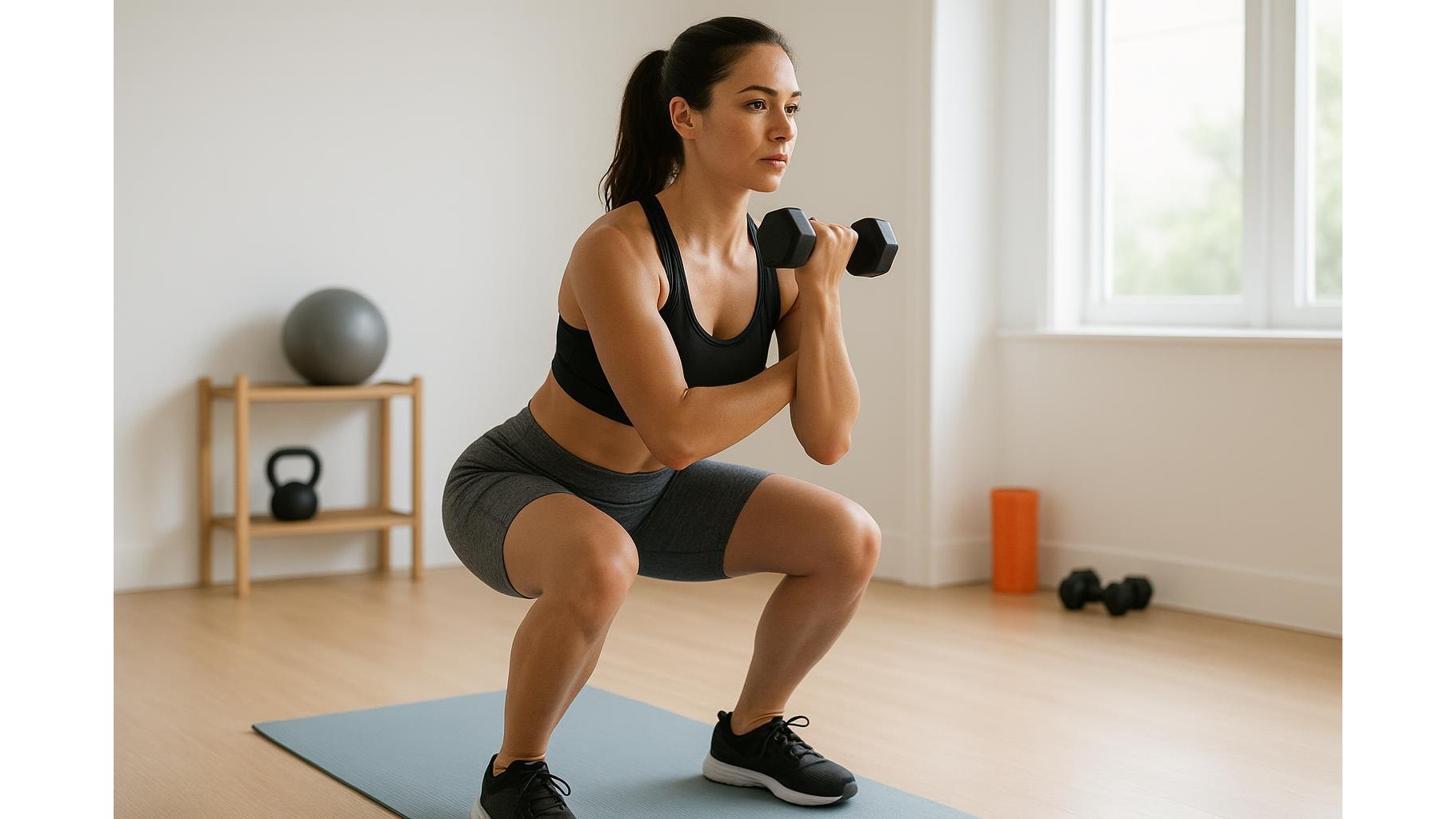
Strong hips, glutes and ankles are key to offloading your knees. A simple tool like the Amazon Basics Wood Wobble Balance Board can challenge your balance, core stability and lower-limb coordination in a knee-friendly way. With a solid wood platform rated up to 120 kg, it’s ideal for short sessions next to a wall or countertop for safety. Start with two-foot stands, micro-squats and gentle weight-shifts to retrain proprioception and ankle strength—both crucial for former runners. Add in resistance band work using the Gritin Resistance Bands set, which includes five loop bands from light to extra-heavy. Use them for clamshells, lateral walks, bridges and hip thrusts to strengthen the muscles that stabilise your knees during everyday life.
Recovery essentials: foam rolling and daily mobility
Recovery is where joint-friendly training really pays off. A textured foam roller like the KG Physio Foam Roller helps release tight quads, IT band region, calves and glutes, all of which can tug on the knee. Its dense EVA construction and raised zones offer different massage intensities without adding bulk, so it fits easily into a home gym corner. Use it for 5–10 minutes after training or on rest days, pairing rolling with gentle mobility drills such as knee-to-wall ankle rocks and hip flexor stretches. The aim is not to “smash” tissues but to restore comfortable movement and reduce post-exercise stiffness so your knees feel ready for the next session.
Putting it all together into a weekly plan
A simple at-home schedule might include: two days of bike cardio, two days of strength and balance training, and daily micro-mobility breaks. For example, alternate 20–30 minutes on the EVOLAND bike with short circuits of resistance band work and wobble board drills, wearing the Neo-G knee support on higher-demand sessions as needed. Layer in foam rolling and stretching at the end of the day. Track how your knees feel 24 hours later and adjust volume before chasing intensity. This integrated approach—smart support, low-impact cardio, targeted strengthening and consistent recovery—lets ex-runners keep training meaningfully at home while protecting the joints that once carried them through countless miles.
With a realistic mindset and a few well-chosen tools, you can turn your home into a knee-friendly training space. You may no longer be chasing personal bests on the road, but you are investing in something even more valuable: resilient joints, sustainable movement and the confidence to stay active for years to come.