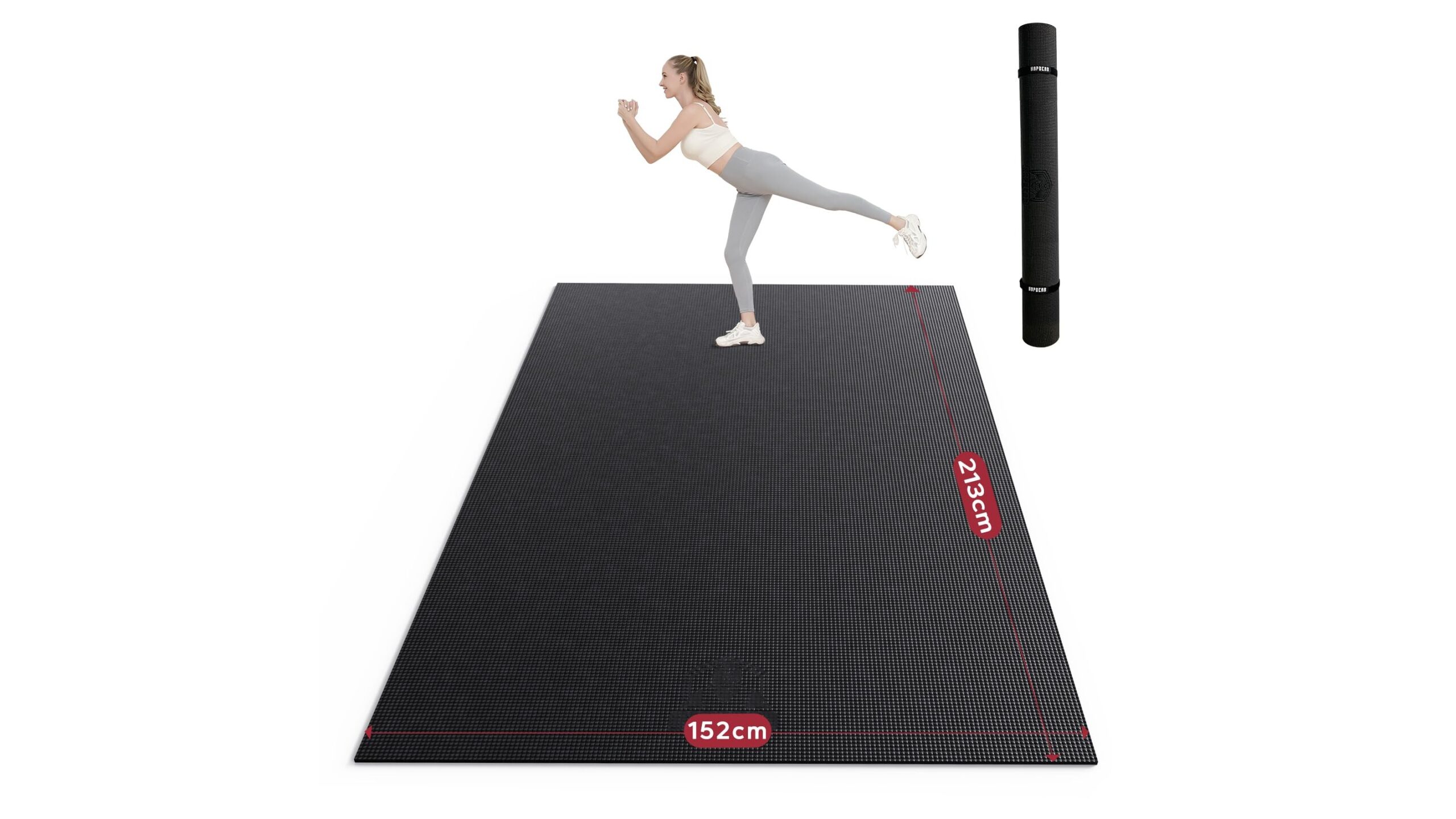
If you sit for long hours and also love to squat, chances are your hip flexors and quadriceps feel tight, sore or constantly “loaded”. This at-home routine gives you a clear, step-by-step sequence to release tension and then wake muscles back up, using only your bodyweight and simple tools you can easily keep in a home gym. The aim is to help your hips move freely again so you can lift better, walk without stiffness and feel less beat up after long workdays.
Table of contents
Why tight hip flexors and quads matter for lifters and desk workers
Hours of sitting keep your hips locked in flexion, while heavy squats and lunges load your quads and hip flexors in a shortened range. Over time this can create that familiar pull at the front of the hip, dull knee aches and a lower back that works overtime. Tight hip flexors can tilt your pelvis forward and reduce glute activation, which means you lose power out of the hole in the squat and feel more strain in the lumbar spine. Before you add more mobility drills or extra sets, it is smart to build a quick release and activation block into your home sessions so the hips are actually free to move.
Gentle floor stretches to open the front of the hips
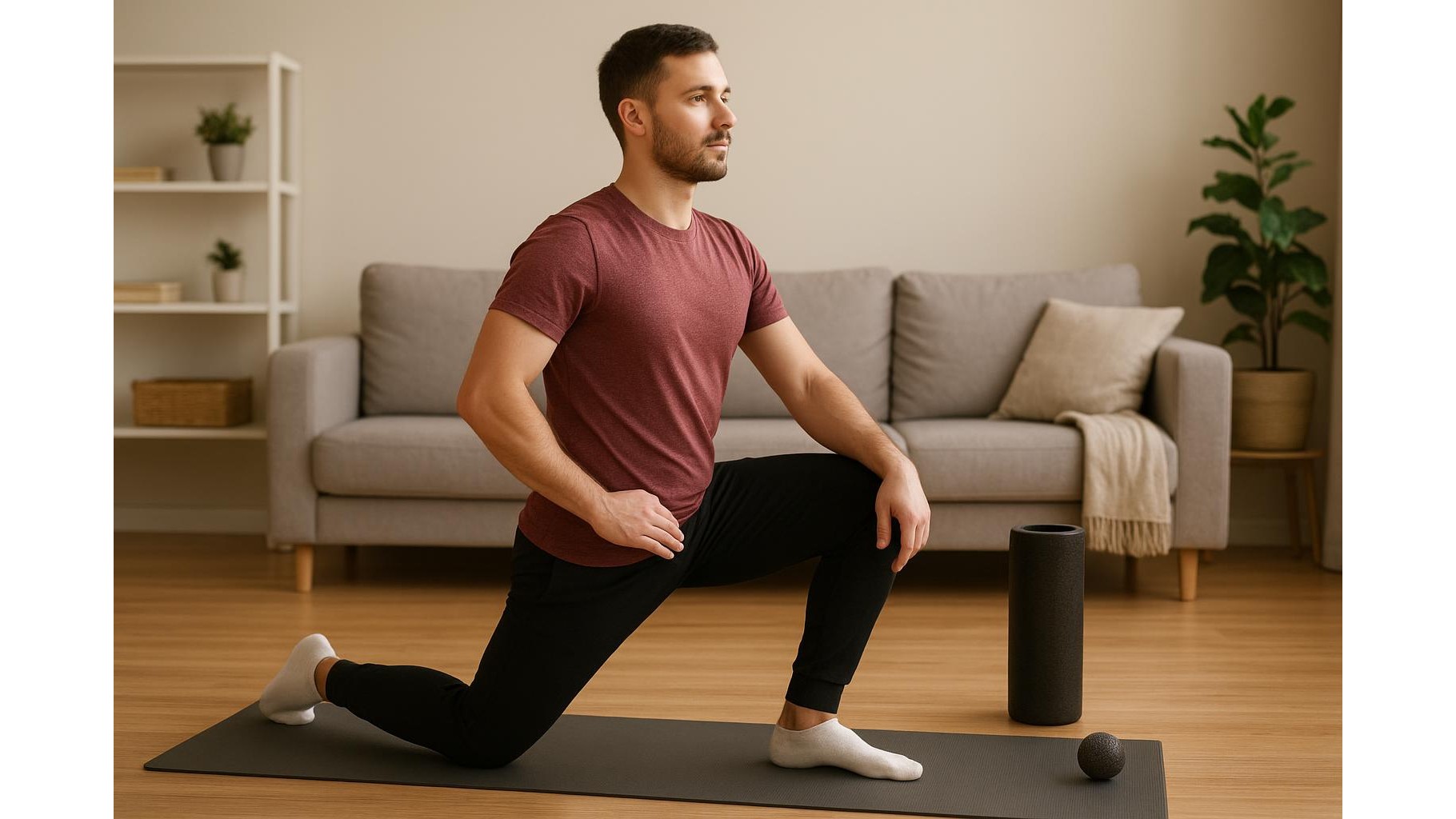
Start with 5–8 minutes of low-effort stretching to give your tissues time to let go. A classic half-kneeling hip flexor stretch (one knee on the floor, the other foot in front) is perfect here: gently tuck your pelvis under and think about reaching the back knee long behind you rather than leaning your torso forward. Follow this with a quad stretch on your side, holding your ankle and drawing the heel toward your glutes while keeping ribs stacked over hips. Move in and out of the stretch instead of forcing it; slow breathing through the nose helps reduce guarding. The goal is a mild, sustainable stretch at the front of the hip and thigh, not a sharp pull at the knee.
Self-massage for hip flexors and quads with simple tools
Once the muscles are warm, add a few minutes of self-massage to target stubborn trigger points. Lie face down and place a small, firm ball under the front of your hip, just inside the bony point, then slowly shift your weight until you find tender spots and breathe there for 20–30 seconds. You can repeat the same idea along the top of the quadriceps, moving from the hip toward the knee in small increments. If you own a basic foam roller, use it lengthwise along your quads, rolling slowly and pausing on hot spots rather than bouncing. Keep the pressure at a level where you can still relax; too much force will only make your hips tense up more.
Activation drills to “lock in” the new range
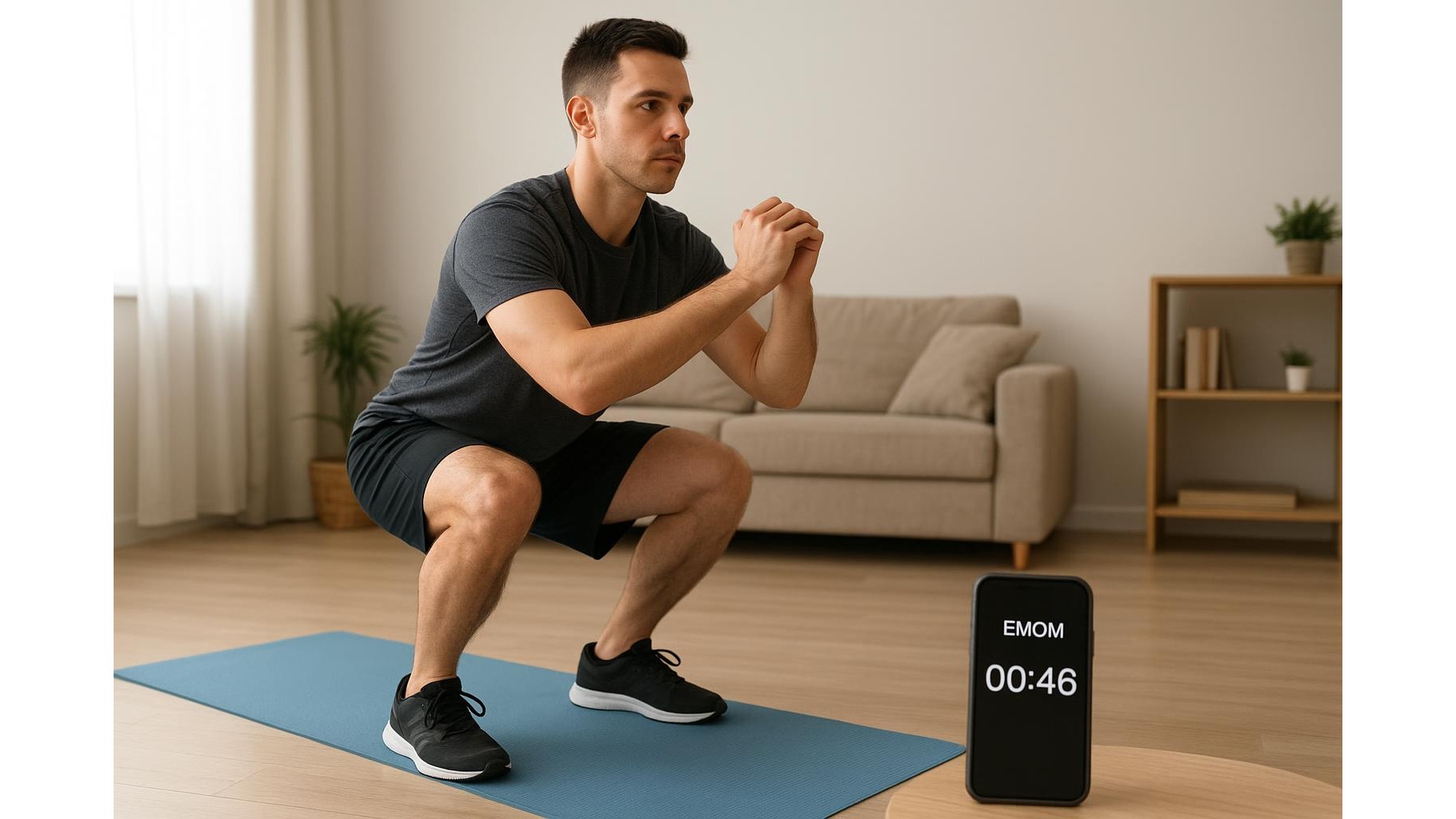
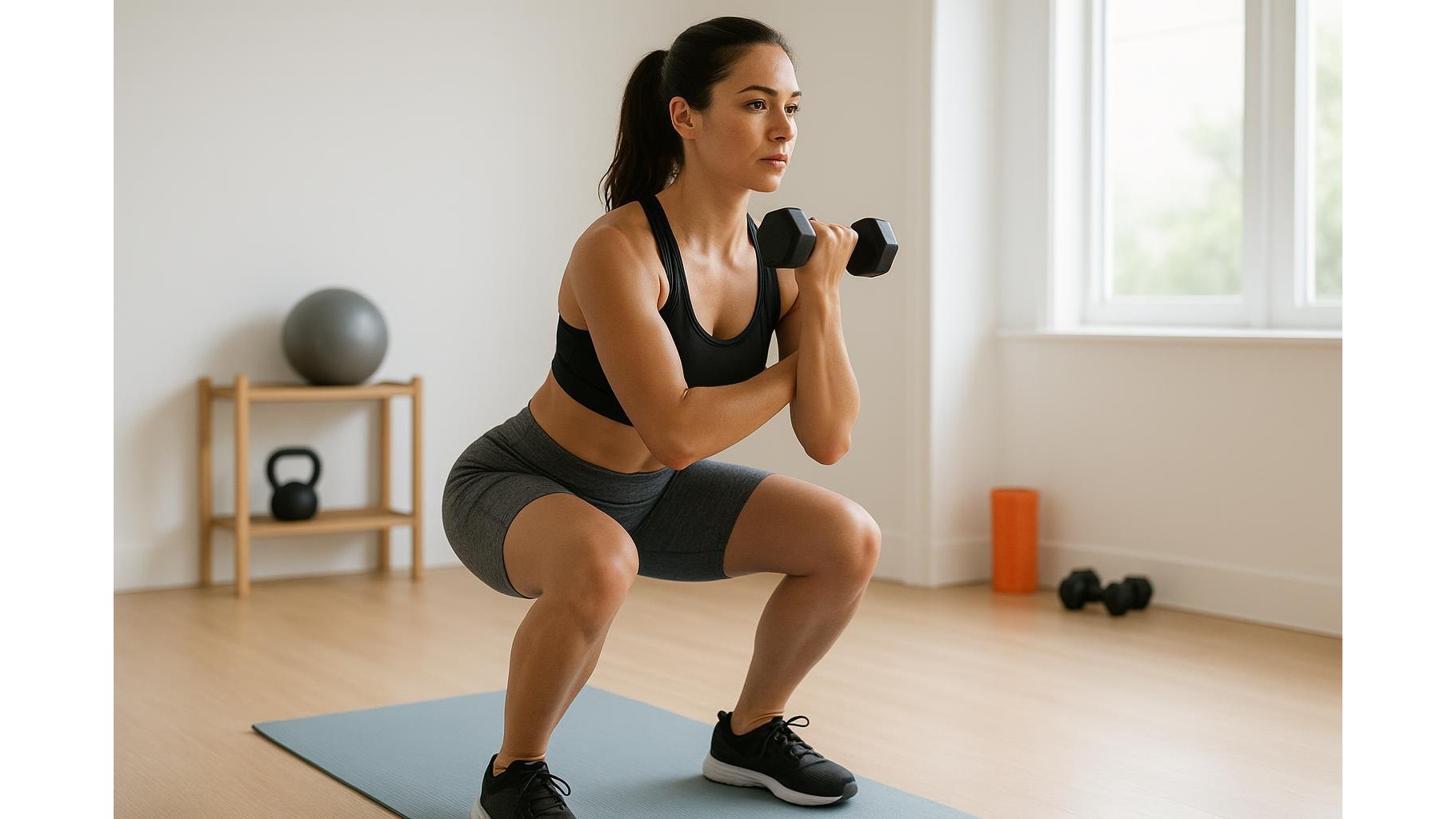
Release work only pays off if you follow it with activation drills that teach the right muscles to control your new range of motion. After stretching and self-massage, perform 2–3 sets of glute bridges, focusing on driving through the heels and finishing with a strong squeeze at the top without arching the lower back. Add some side-lying clamshells or monster walks with a light band to wake up the glute medius and improve hip stability. Finally, include controlled split squats with a slightly longer stance, using the rear leg as a gentle hip flexor stretch while the front leg does the work. This combination teaches your body to use the glutes and hamstrings instead of defaulting back to overactive hip flexors.
Putting the routine into your weekly training
For busy home lifters and desk workers, the key is consistency rather than perfection. Slot this hip flexor and quad release sequence before your main lower-body sessions two or three times a week: 5–8 minutes of stretching, 5 minutes of self-massage and 5 minutes of activation is usually enough. On office days with no lifting, you can still run a shortened version in the evening to undo the effects of long sitting. Pay attention to how your hips feel in the squat over a few weeks; deeper, more comfortable positions and less pinching at the front of the hip are good signs you are on track. With regular practice, your hips and quads will feel less like a permanent brake and more like a solid, responsive engine for strength and everyday movement.
Used consistently, this simple at-home routine helps you release chronically tight hip flexors and quads, then reinforce healthier movement with targeted activation. By pairing gentle stretches, basic self-massage and smart strengthening, you can reduce front-hip and knee discomfort, improve squat depth and make long desk days far less punishing on your body. Build it into your warm-ups and off days, and your hips will repay you with smoother, stronger, pain-free movement.